



Ellie Caulkins Opera House tickets 23 December 2025 - The Nutcracker | GoComGo.com

The Nutcracker

Ellie Caulkins Opera House, Denver, USA
All photos (14)
Select date and time
1 PM 6:30 PM
From
US$ 105

E-tickets: Print at home or at the box office of the event if so specified. You will find more information in your booking confirmation email.

You can only select the category, and not the exact seats.
If you order 2 or 3 tickets: your seats will be next to each other.
If you order 4 or more tickets: your seats will be next to each other, or, if this is not possible, we will provide a combination of groups of seats (at least in pairs, for example 2+2 or 2+3).

Important Info
Type: Ballet
City: Denver, USA
Starts at: 18:30
Acts: 2
Intervals: 1
Duration: 1h 45min

E-tickets: Print at home or at the box office of the event if so specified. You will find more information in your booking confirmation email.

You can only select the category, and not the exact seats.
If you order 2 or 3 tickets: your seats will be next to each other.
If you order 4 or more tickets: your seats will be next to each other, or, if this is not possible, we will provide a combination of groups of seats (at least in pairs, for example 2+2 or 2+3).

Cast
Performers
Ballet company: Colorado Ballet
Orchestra: Colorado Symphony
Creators
Composer: Pyotr Tchaikovsky
Choreographer: Martin Fredmann
Author: Ernst Theodor Amadeus Hoffmann
Librettist: Marius Petipa
Overview

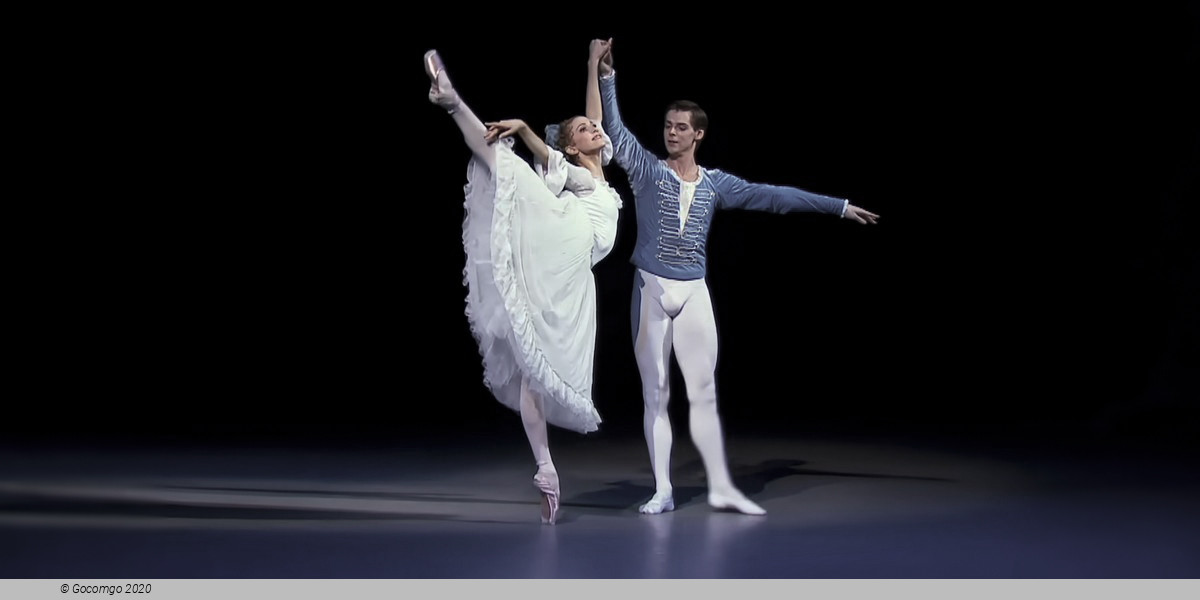
Martin Fredmann’s The Nutcracker is a vibrant and family-friendly production that blends classical choreography with theatrical storytelling, following young Clara as she journeys through a magical world of battling toy soldiers, shimmering snowflakes, and the enchanting Kingdom of Sweets. Fredmann’s version emphasizes clear narrative, colorful character scenes, and traditional holiday warmth, creating a festive and visually rich interpretation of Tchaikovsky’s beloved Christmas ballet.

Martin Fredmann’s The Nutcracker is a richly theatrical and warmly traditional interpretation of Tchaikovsky’s holiday classic, designed to highlight both the magical storytelling and the elegance of classical ballet. Fredmann blends narrative clarity with expressive character choreography, creating a production that appeals to families, young audiences, and devoted ballet-goers alike.

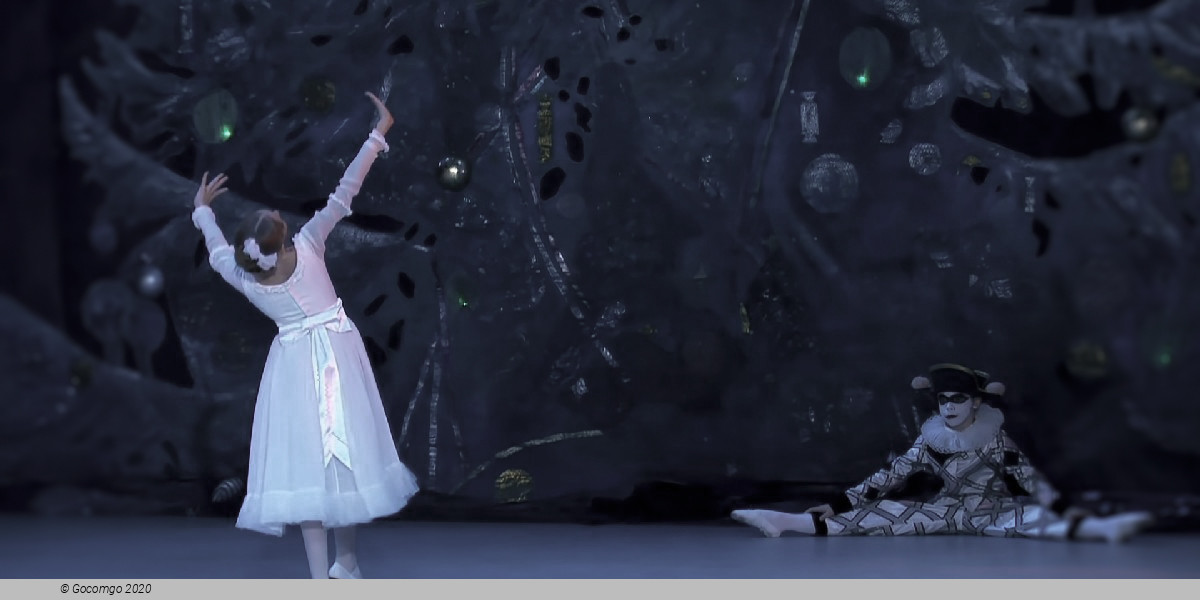
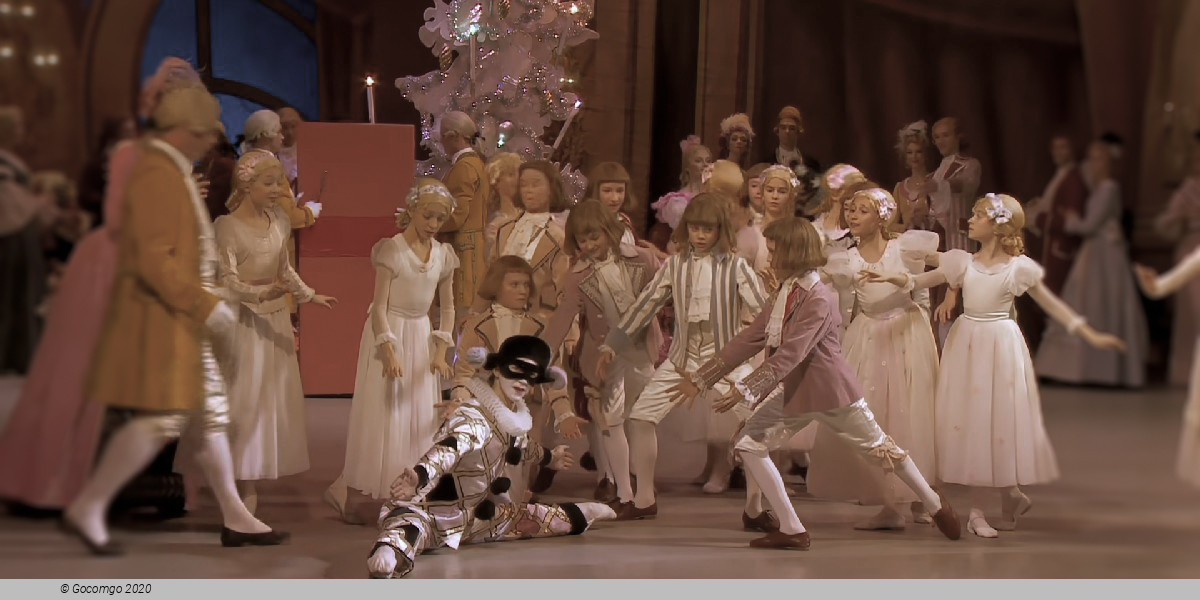
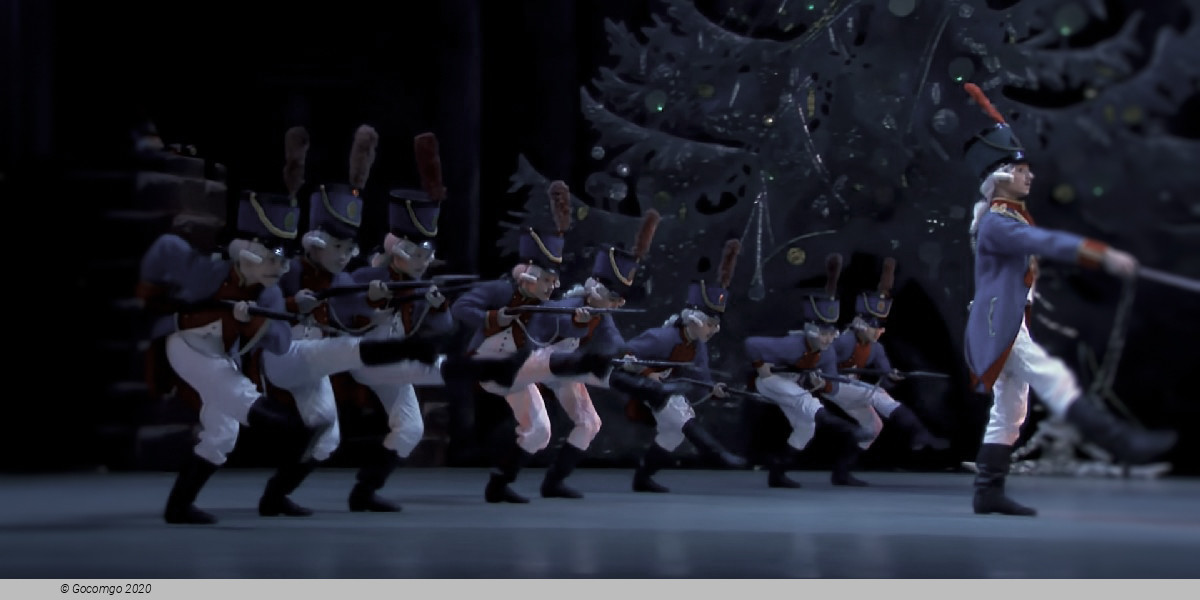
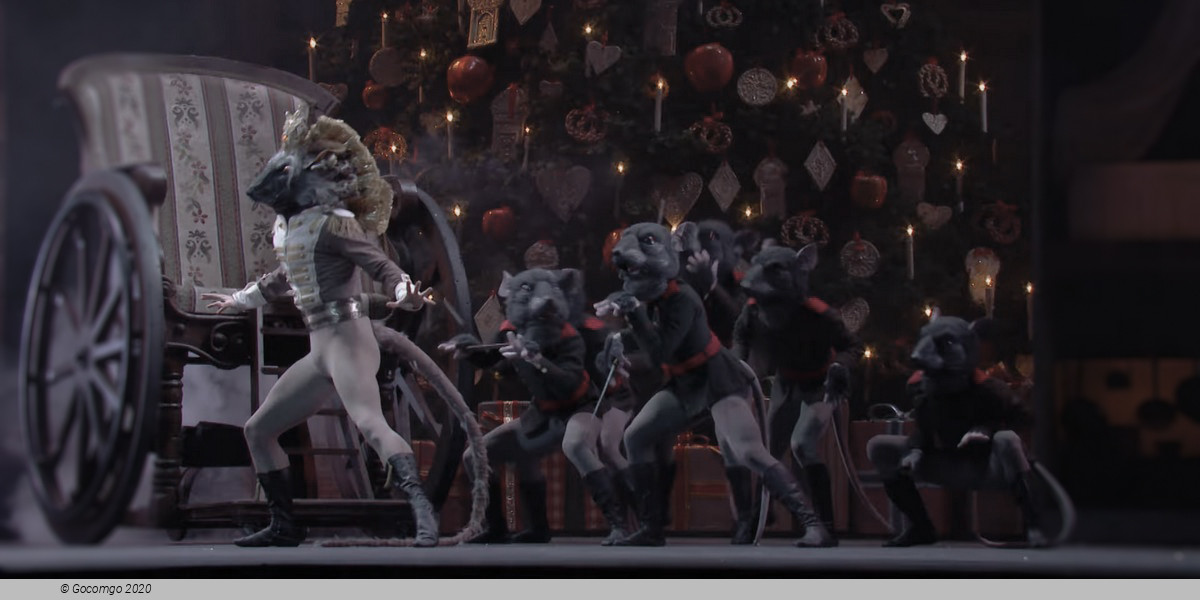
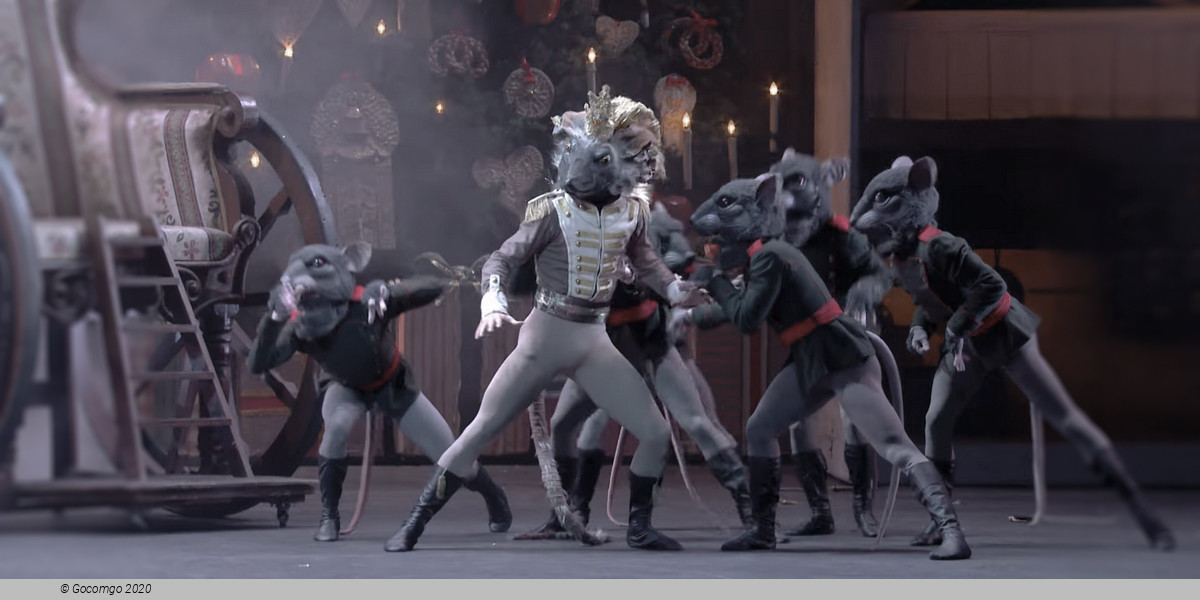
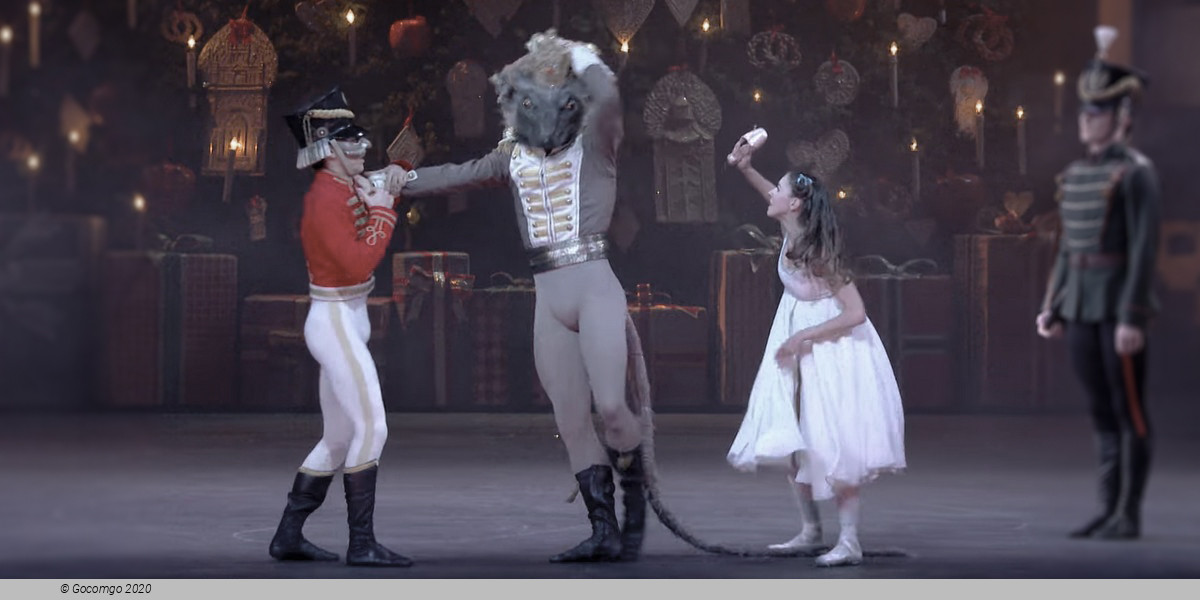
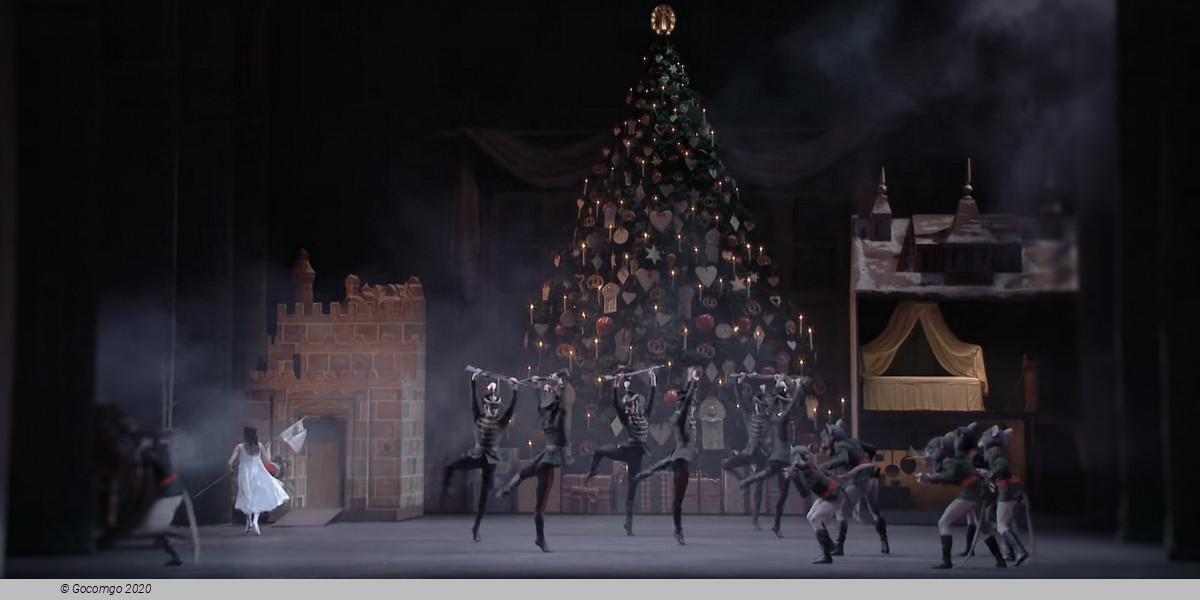
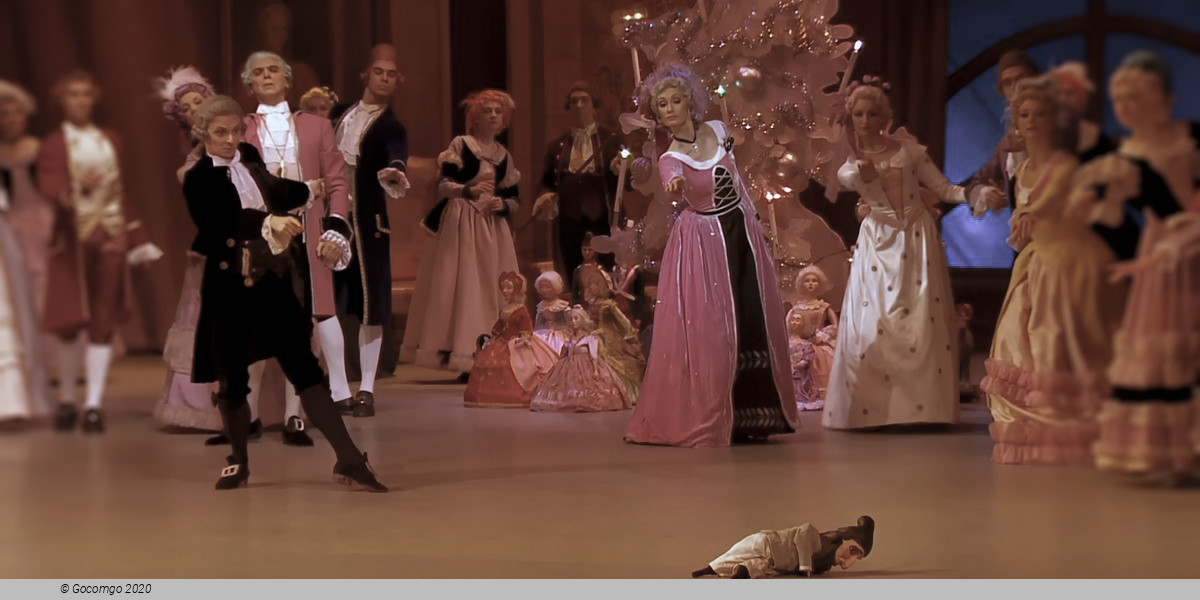
The ballet begins at the festive Christmas Eve party at the home of the Stahlbaum family, where Fredmann emphasizes lively ensemble dancing and detailed pantomime to establish a vivid sense of period atmosphere. Clara receives a nutcracker doll from the mysterious Drosselmeyer, and Fredmann carefully builds the scene’s emotional arc so that Clara’s bond with the Nutcracker becomes the heart of the story. When night falls, the familiar world transforms: the Christmas tree grows, the toy soldiers come to life, and Clara witnesses a dramatic battle between the Nutcracker and the Mouse King. Fredmann’s staging of the battle focuses on clear storytelling and choreographed humor, making the moment both exciting and accessible.

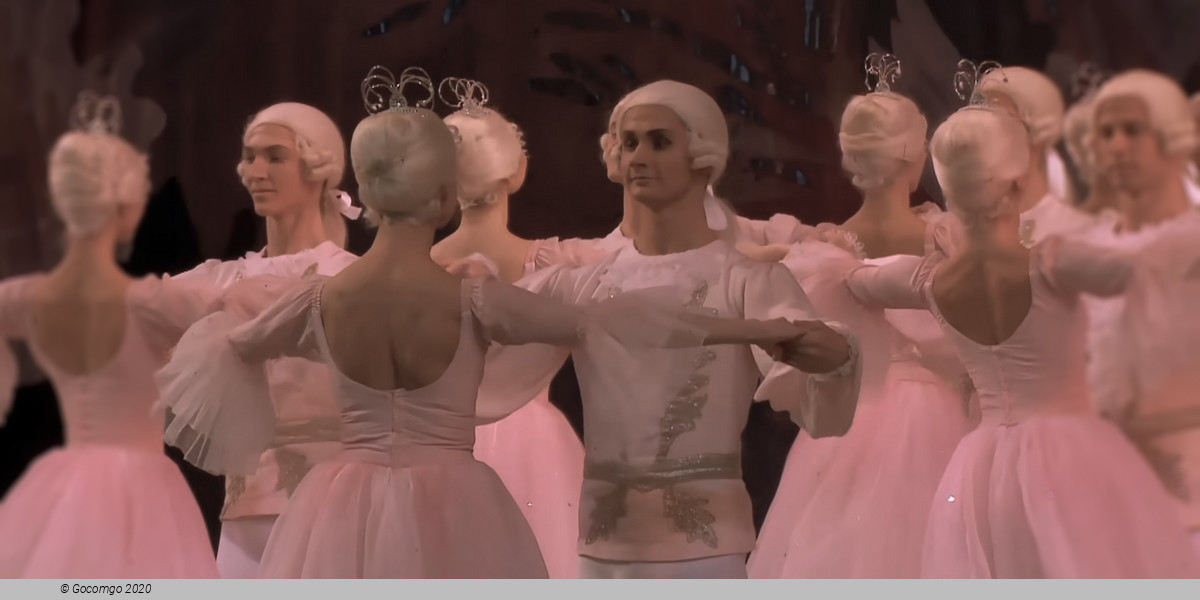
After the Nutcracker’s victory and transformation into a Prince, the ballet shifts into a dreamlike realm. Fredmann’s Snow Scene is notable for its crisp classical formations and shimmering visual atmosphere, with the corps de ballet creating swirling patterns of wind, frost, and falling snow. This section blends lyricism with traditional Petipa-style structure, giving the dancers room to display refined technique.

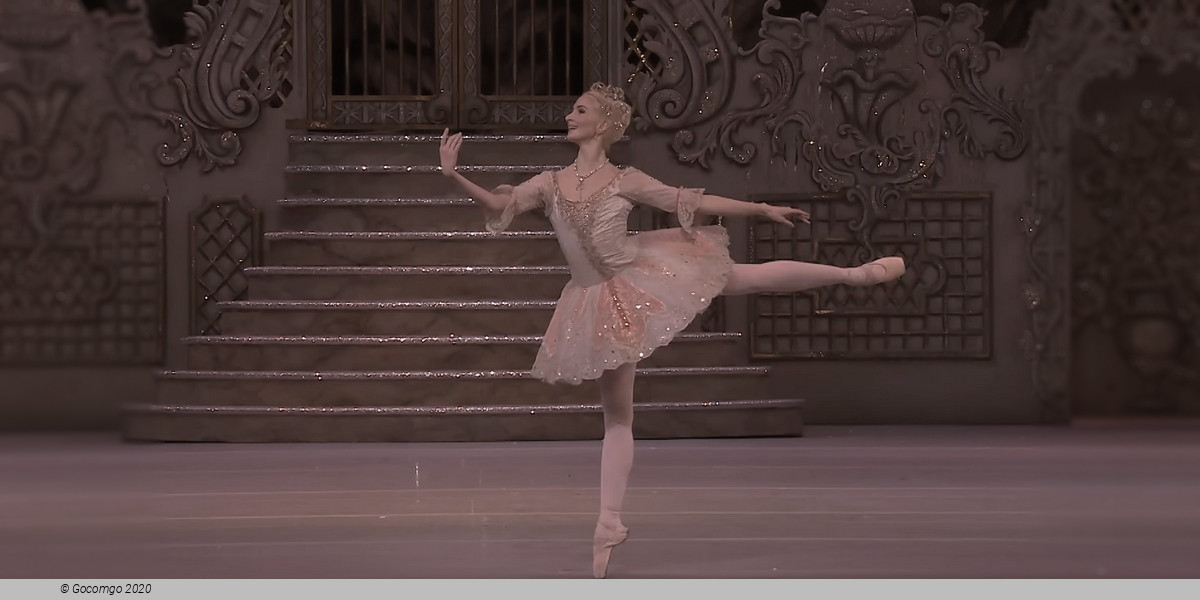
The second act transports Clara and the Prince to the radiant Kingdom of Sweets, where they are welcomed by the Sugar Plum Fairy. Fredmann’s choreography highlights each divertissement as a distinct character vignette — from the charm of the Marzipan Shepherdesses to the comedic flair of Mother Ginger and her Children — while maintaining a cohesive tone of wonder and celebration. The grand pas de deux for the Sugar Plum Fairy and her Cavalier is presented with classical purity, balancing virtuosity and elegance.

Throughout the production, Fredmann enhances the narrative flow with detailed staging, expressive gestures, and a clear sense of dramatic intention. His Nutcracker honors the classical tradition while adding moments of charm and contemporary theatrical clarity, resulting in a production that feels both timeless and inviting. It captures the enchantment, warmth, and imagination that have made The Nutcracker a beloved holiday ritual for generations.

The Nutcracker returns to the stage for Colorado Ballet’s 65th season to delight audiences of all ages. This timeless tradition and audience favorite captures the festive spirit of the season, replete with mischievous dancing mice, sweet Sugar Plums, a symphony of swirling snowflakes, and Tchaikovsky’s beloved score performed live by the Colorado Ballet Orchestra.

History
Premiere of this production: 06 December 1892, Imperial Mariinsky Theatre, Saint Petersburg

The Nutcracker (Balet-feyeriya) is a two-act ballet, originally choreographed by Marius Petipa and Lev Ivanov with a score by Pyotr Ilyich Tchaikovsky (Op. 71). The libretto is adapted from E. T. A. Hoffmann's story "The Nutcracker and the Mouse King".

Synopsis

Plot 

Below is a synopsis based on the original 1892 libretto by Marius Petipa. The story varies from production to production, though most follow the basic outline. The names of the characters also vary. In the original E. T. A. Hoffmann story, the young heroine is called Marie Stahlbaum and Clara (Klärchen) is her doll's name. In the adaptation by Dumas on which Petipa based his libretto, her name is Marie Silberhaus. In still other productions, such as Baryshnikov's, Clara is Clara Stahlbaum rather than Clara Silberhaus.

Act I

Scene 1: The Stahlbaum Home

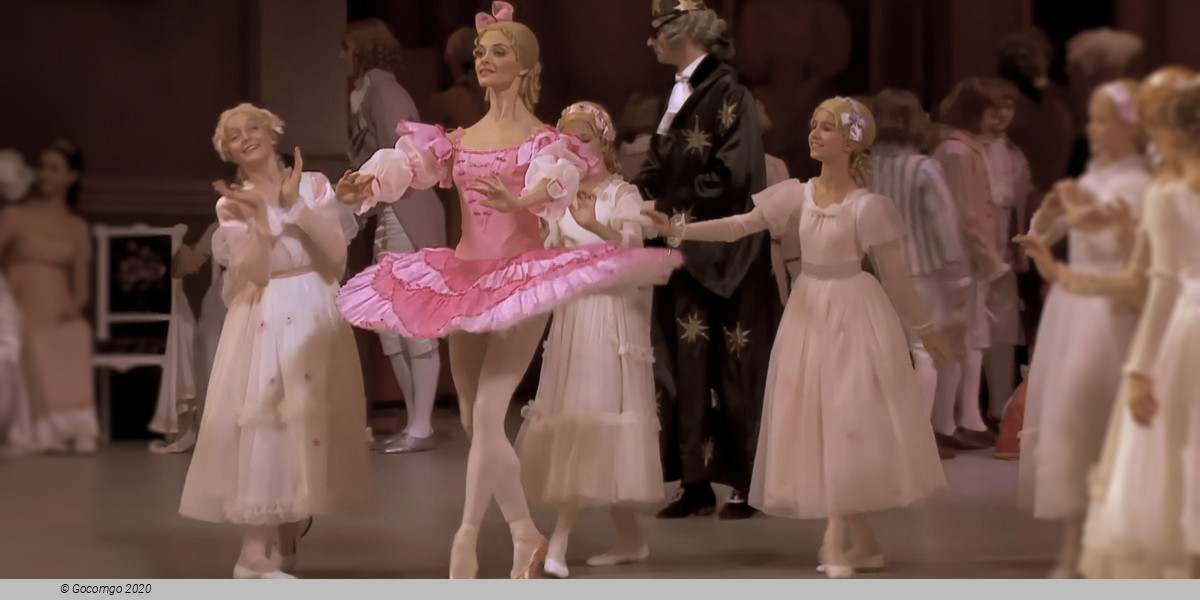
It is Christmas Eve. Family and friends have gathered in the parlor to decorate the beautiful Christmas tree in preparation for the party. Once the tree is finished, the children are sent for. They stand in awe of the tree sparkling with candles and decorations.

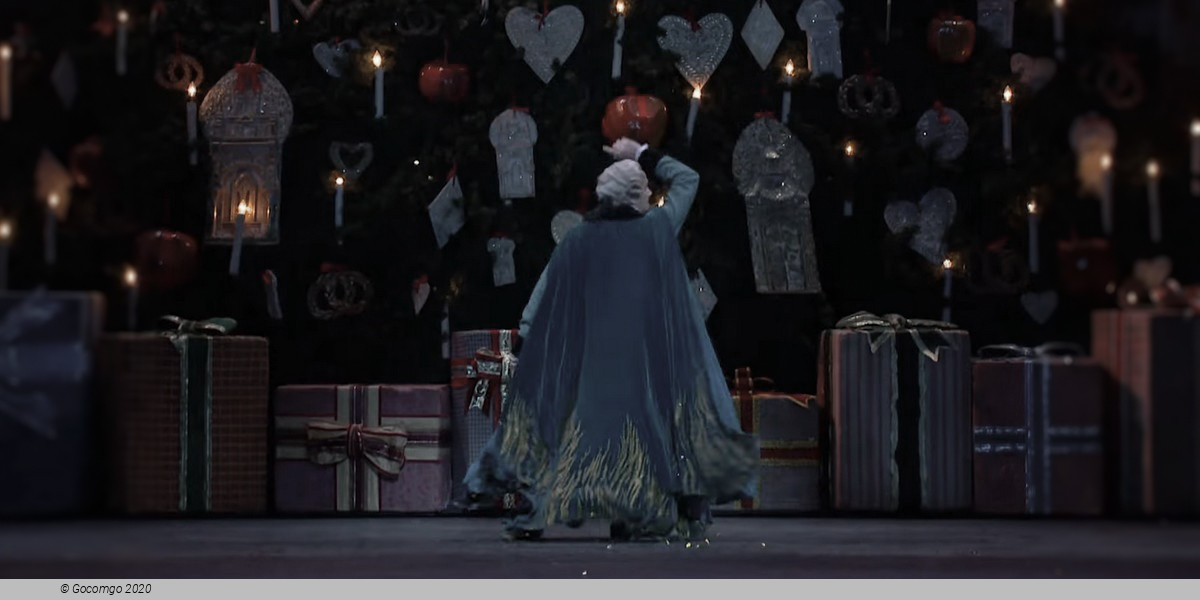
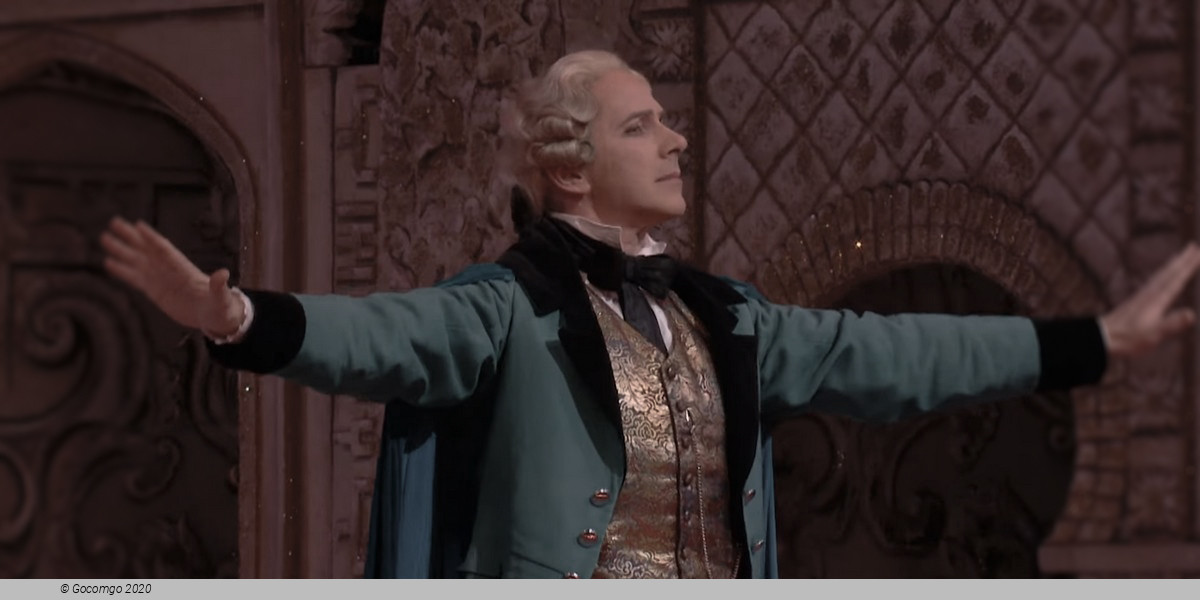
The party begins. A march is played. Presents are given out to the children. Suddenly, as the owl-topped grandmother clock strikes eight, a mysterious figure enters the room. It is Drosselmeyer, a local councilman, magician, and Clara's godfather. He is also a talented toymaker who has brought with him gifts for the children, including four lifelike dolls who dance to the delight of all. He then has them put away for safekeeping.

Clara and Fritz are sad to see the dolls being taken away, but Drosselmeyer has yet another toy for them: a wooden nutcracker carved in the shape of a little man. The other children ignore it, but Clara immediately takes a liking to it. Fritz, however, breaks it, and Clara is heartbroken.

During the night, after everyone else has gone to bed, Clara returns to the parlor to check on her beloved nutcracker. As she reaches the little bed, the clock strikes midnight and she looks up to see Drosselmeyer perched atop it. Suddenly, mice begin to fill the room and the Christmas tree begins to grow to dizzying heights. The nutcracker also grows to life size. Clara finds herself in the midst of a battle between an army of gingerbread soldiers and the mice, led by their king. They begin to eat the soldiers.

The nutcracker appears to lead the soldiers, who are joined by tin soldiers, and by dolls who serve as doctors to carry away the wounded. As the Mouse King advances on the still-wounded nutcracker, Clara throws her slipper at him, distracting him long enough for the nutcracker to stab him.

Scene 2: A Pine Forest

The mice retreat and the nutcracker is transformed into a handsome Prince. He leads Clara through the moonlit night to a pine forest in which the snowflakes dance around them, beckoning them on to his kingdom as the first act ends.

Act II

Scene 1: The Land of Sweets

Clara and the Prince travel to the beautiful Land of Sweets, ruled by the Sugar Plum Fairy in the Prince's place until his return. He recounts for her how he had been saved from the Mouse King by Clara and transformed back into himself. In honor of the young heroine, a celebration of sweets from around the world is produced: chocolate from Spain, coffee from Arabia, tea from China, and candy canes from Russia all dance for their amusement; Danish shepherdesses perform on their flutes; Mother Ginger has her children, the Polichinelles, emerge from under her enormous hoop skirt to dance; a string of beautiful flowers perform a waltz. To conclude the night, the Sugar Plum Fairy and her Cavalier perform a dance.

A final waltz is performed by all the sweets, after which the Sugar Plum Fairy ushers Clara and the Prince down from their throne. He bows to her, she kisses Clara goodbye, and leads them to a reindeer drawn sleigh. It takes off as they wave goodbye to all the subjects who wave back.

In the original libretto, the ballet's apotheosis "represents a large beehive with flying bees, closely guarding their riches". Just like Swan Lake, there have been various alternative endings created in productions subsequent to the original.

Venue Info

Ellie Caulkins Opera House - Denver
Location   1385 Curtis Street, Denver, CO 80204, Соединенные Штаты

Ellie Caulkins Opera House is a modern, state-of-the-art performing arts venue in Denver, known for its excellent acoustics, elegant architecture, and comfortable seating. It hosts opera, ballet, concerts, and major cultural events, offering audiences a refined and immersive artistic experience.

The Ellie Caulkins Opera House, often called “The Ellie,” is one of the premier performing arts venues in the United States and a central jewel of the Denver Performing Arts Complex in Colorado. Originally built in 1908 as the historic Denver Municipal Auditorium, the building underwent a multi-year, $90-million transformation and reopened in 2005 as a world-class opera house designed for modern performance standards while preserving elements of its historic charm.

The theatre is celebrated for its exceptional acoustics, engineered to support the demanding needs of opera, symphonic works, and ballet. Its horseshoe-shaped auditorium, inspired by traditional European opera houses, creates an intimate atmosphere despite its capacity of more than 2,000 seats. Audiences benefit from excellent sightlines, spacious seating, and advanced sound and lighting systems that enhance every performance.

Behind the scenes, “The Ellie” features state-of-the-art production facilities, including a large stage, a deep orchestra pit, advanced fly systems, and modern rehearsal spaces, allowing it to host large-scale productions from opera companies, ballet companies, touring shows, and international artists. The venue is home to Opera Colorado and regularly stages performances by major touring ballet companies, orchestras, and national productions.

Architecturally, the building blends historic exterior elements with a sleek, contemporary interior, combining marble, warm wood, and modern design details. Public spaces such as the Chambers Grant Salon, the lobby, and the grand staircases create an elegant and inviting environment for visitors.

Today, the Ellie Caulkins Opera House stands as one of Denver’s cultural landmarks — a place where world-class opera, ballet, music, and theater come together in a setting designed to offer audiences a rich, immersive, and unforgettable performing arts experience.

Important Info
Type: Ballet
City: Denver, USA
Starts at: 18:30
Acts: 2
Intervals: 1
Duration: 1h 45min
Top of page