

Warsaw Grand Theatre - Polish National Opera (Teatr Wielki): The Lady of the Camellias Tickets | Event Dates & Schedule | GoComGo.com

The Lady of the Camellias Tickets

Warsaw Grand Theatre - Polish National Opera (Teatr Wielki), Warsaw, Poland
Important Info
Type: Ballet
City: Warsaw, Poland
Duration: 3h with 2 intervals
Acts: 3
Intervals: 2

E-tickets: Print at home or at the box office of the event if so specified. You will find more information in your booking confirmation email.

You can only select the category, and not the exact seats.
If you order 2 or 3 tickets: your seats will be next to each other.
If you order 4 or more tickets: your seats will be next to each other, or, if this is not possible, we will provide a combination of groups of seats (at least in pairs, for example 2+2 or 2+3).

Cast
Performers
Choose the date to see the peformers
Overview

The power of modern classics on stage and historical flavours off stage.

For adults only

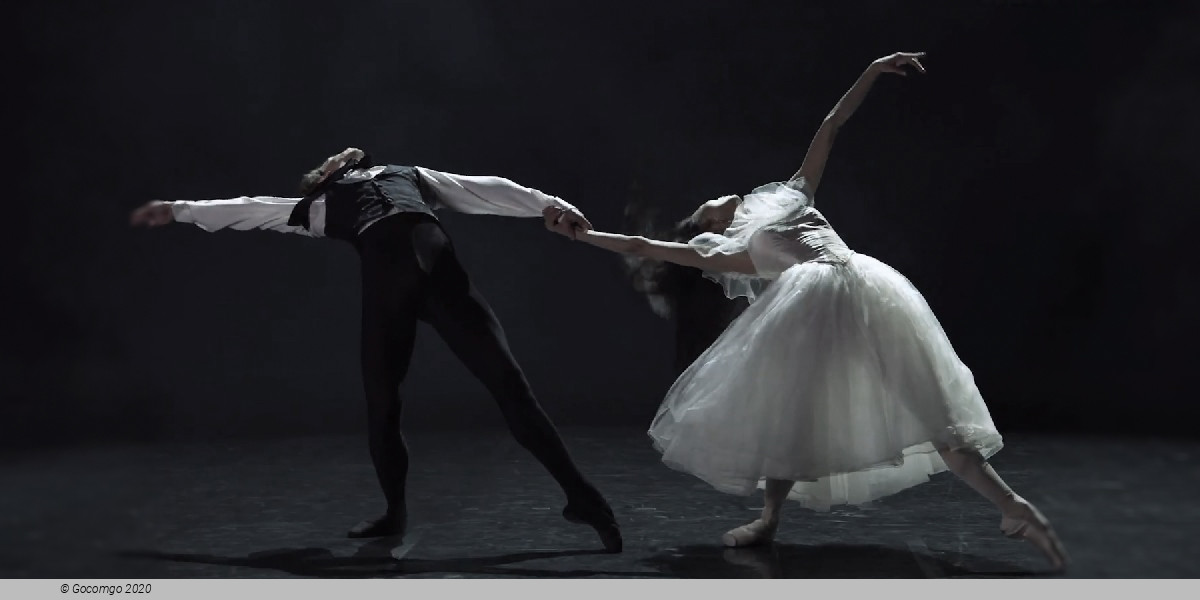
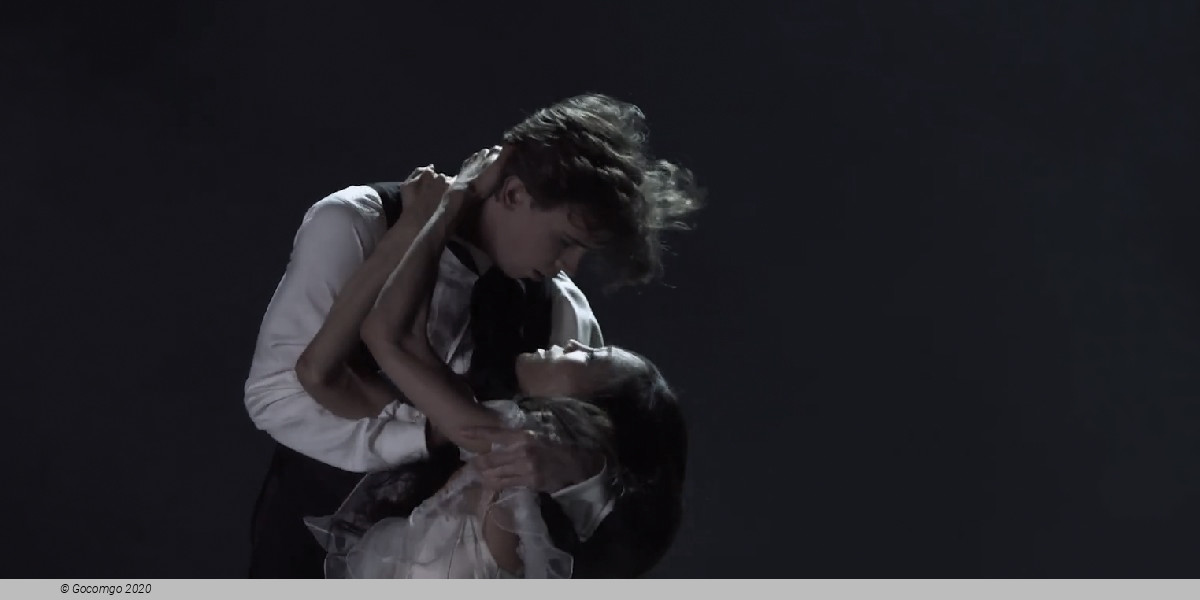
Alexandre Dumas fils in his La Dame aux Camélias describes a refined variant of personal love for a Parisian courtesan. Love, let us add, quite brief in duration and cut short by Alexandre Dumas père, and ultimately by his beloved’s death of consumption. It began with a novel, later a play appeared, followed by a migration of the tragic heroine to Verdi’s La traviata, for the story to finally become the theme of the famous ballet by the remarkable choreographer John Neumeier. He opted to use Chopin’s music (although initially he considered Verdi). I do not know if he knew at the time that Dumas fils ended up in Mysłowice in 1851 while searching for another paramour of his (a daughter-in-law of the Russian Chancellor), where he took up the case of a mysterious murder to while away the time. He never got to see his mistress, never found the murderer, but he did stumble upon George Sand’s letters to Frédéric Chopin instead. The paths of Dumas and Chopin crossed once in Silesia, and now they do yet again in Warsaw, in Neumeier’s exceptional La Dame aux Camélias.

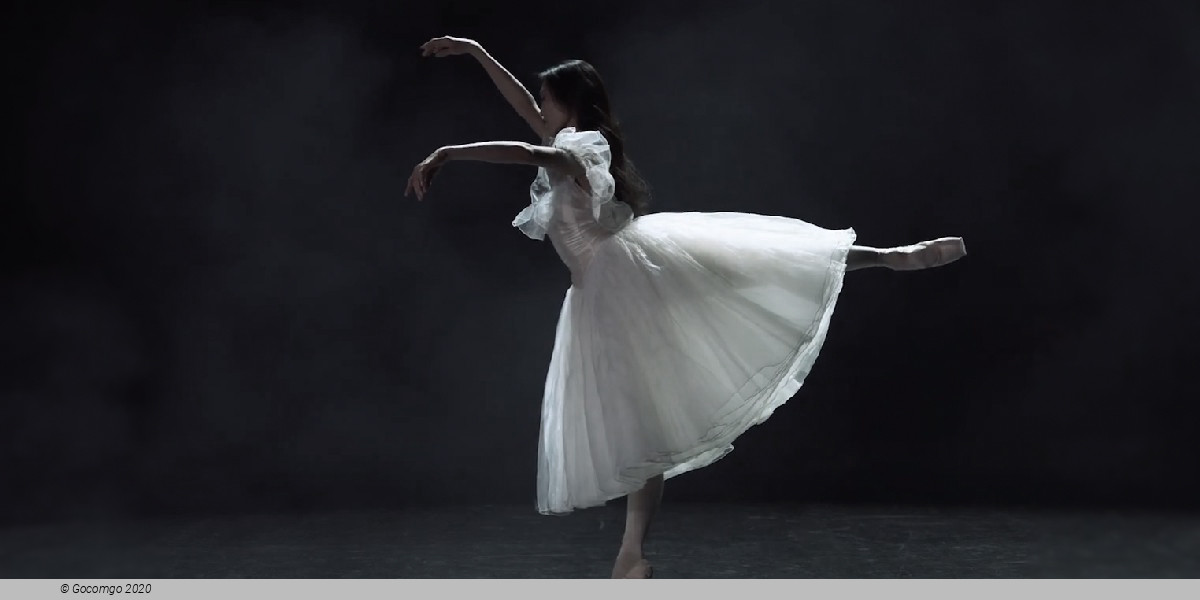
The ballet The Lady of the Camellias was first performed in 1978 in Stuttgart, then choreographer John Neumeier made a second edition for his own troupe in Hamburg. The ballet is based on the story of Marguerite Gaultier, whose prototype was the famous Parisian courtesan Marie Duplessis, at one time the beloved of the writer Dumas-son, whose novel The Lady of the Camellias became a source of inspiration for many theatrical figures. Soon after its creation, this story interested Verdi - this is how the most popular opera La Traviata appeared. Later, the selfless harlot got into ballet - a lover of psychological plot productions, Neumeier was not the first to make Margarita and her lover Armand Duval dance.

John Neumeier's ballet The Lady of the Camellias based on the novel of the same name by Alexander Dumas, the son, is dedicated to Marcia. Before John took over as director of the Hamburg Ballet in 1973, he danced and staged his ballets in Stuttgart side by side with the troupe's prima ballerina Marcia Heide. This unique ballerina (her real name is Marcia Salaverri Pereira da Silva) was born in 1939 in Brazil, studied dance in Rio de Janeiro, then in London with Tatyana Leskova and in Paris with Lyubov Egorova and Olga Preobrazhenskaya.

History
Premiere of this production: 02 February 1852, Théâtre du Vaudeville, Paris, France

La Dame aux Camélias (The Lady with the Camellias) is a novel by Alexandre Dumas fils, first published in 1848 and subsequently adapted by Dumas for the stage.

Synopsis

PROLOGUE

The ballet takes place during an auction. The story evolves as a series of memories recalled from various points of view — Armand’s, his Father’s and Marguerite’s.

(All actions during the auction are indicated in bold)

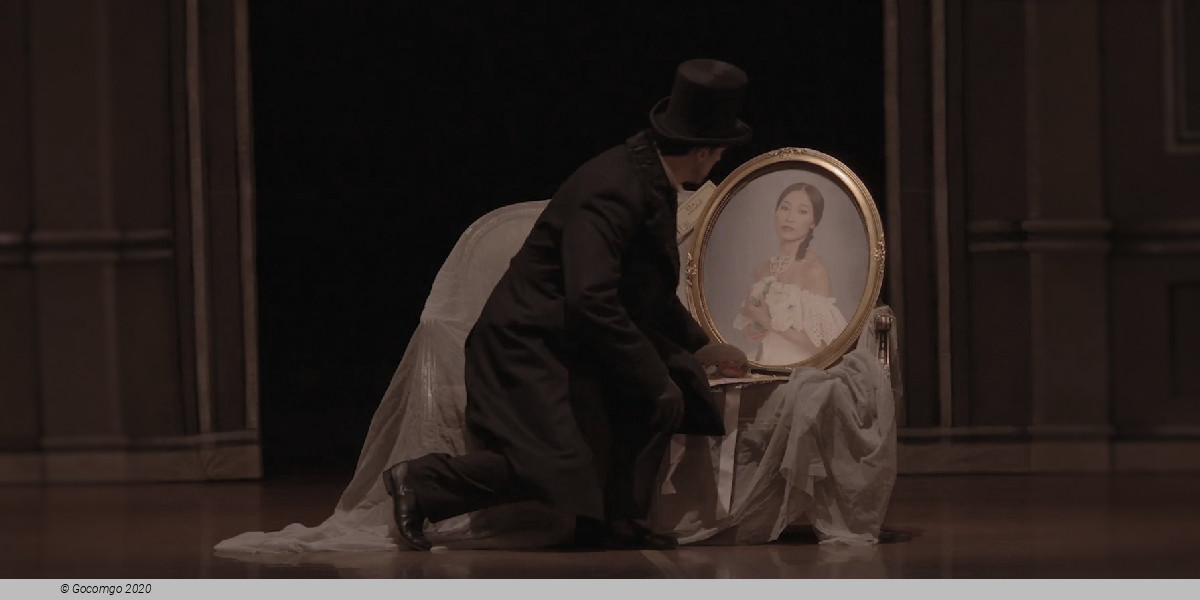
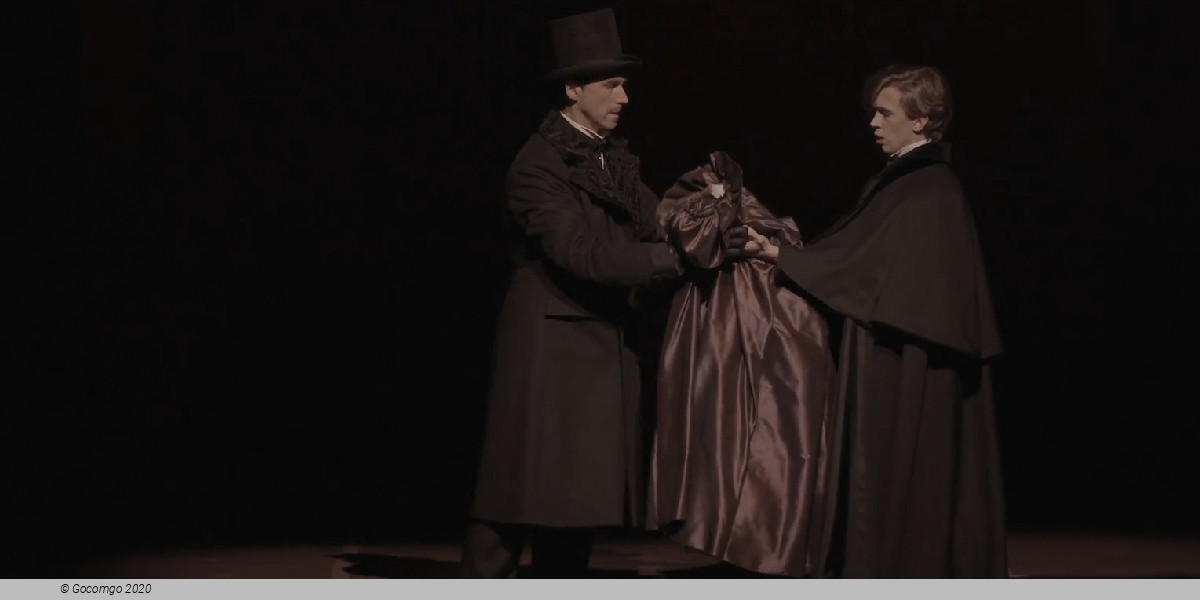
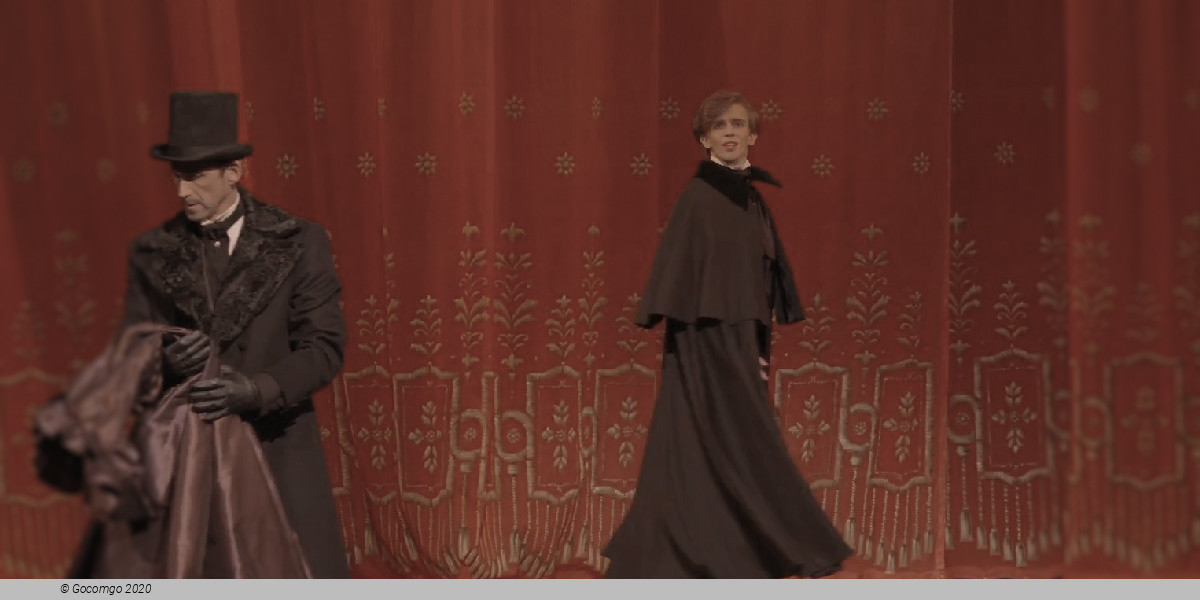
Marguerite Gautier, once the most desirable courtesan in Paris, has died. The complete furnishings of her luxurious apartment are to be disposed of by auction. Carrying Marguerite’s diary, Nanina, her loyal servant, bids the place farewell. Among those inspecting the items is Monsieur Duval, whose son Armand rushes in frantically. Overcome by memories, he collapses.

ACT I

As Monsieur Duval comforts him, Armand tells his story.

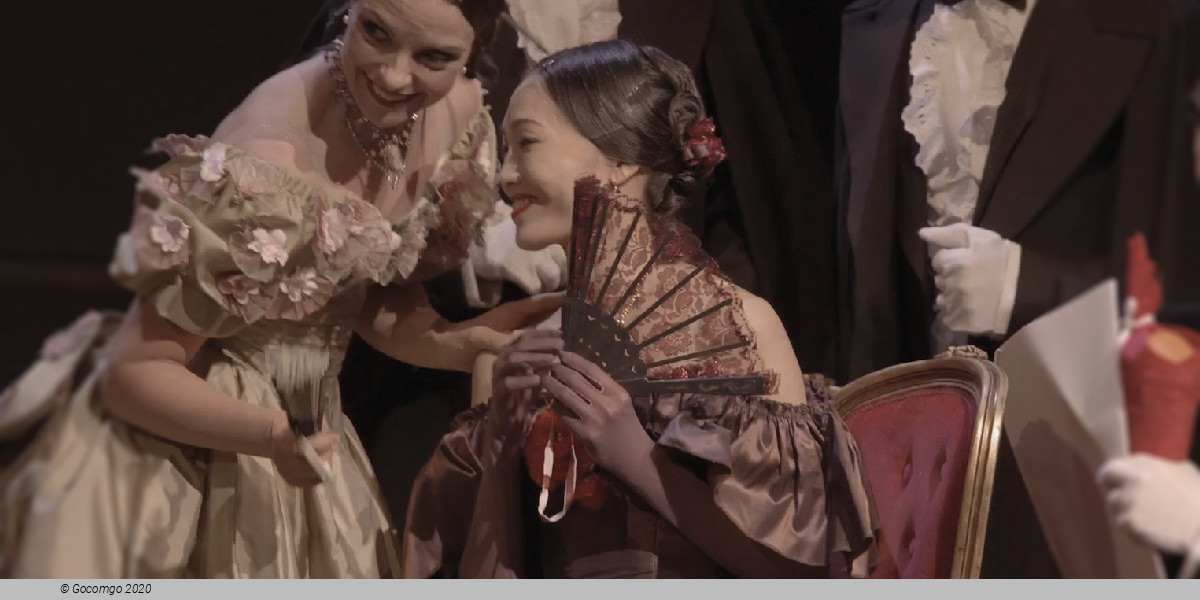
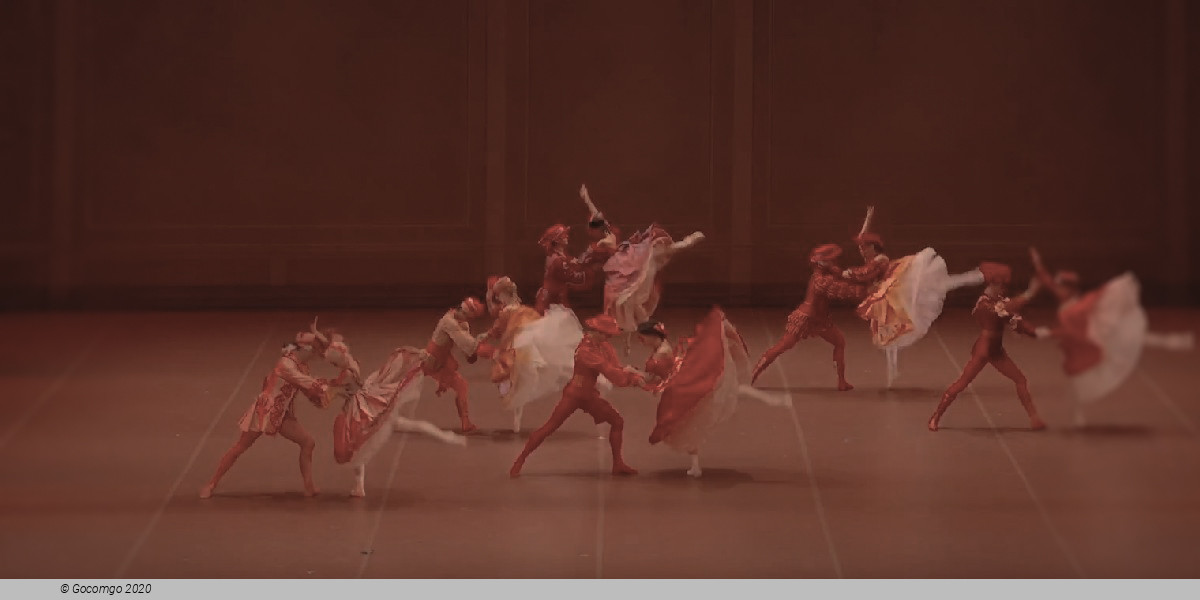
It begins in the Théâtre des Variétés, during a performance of the ballet Manon Lescaut, in which the famous rococo courtesan deceives Des Grieux with numerous admirers. In the audience, Marguerite Gautier is disgusted by Manon’s frivolous in fidelity. Armand Duval, who has long admired Marguerite, is introduced to her by Gaston Rieux. Marguerite makes fun of Armand’s awkward sincerity. As he follows the ballet, Armand fears that his own future may reflect Des Grieux’s sorrowful fate.

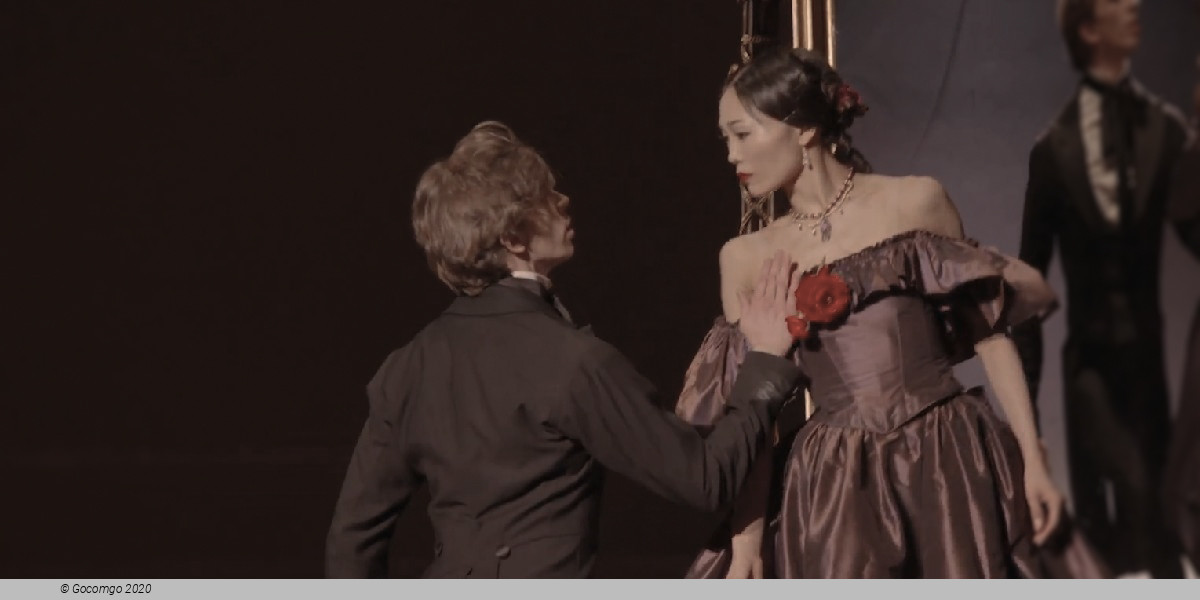
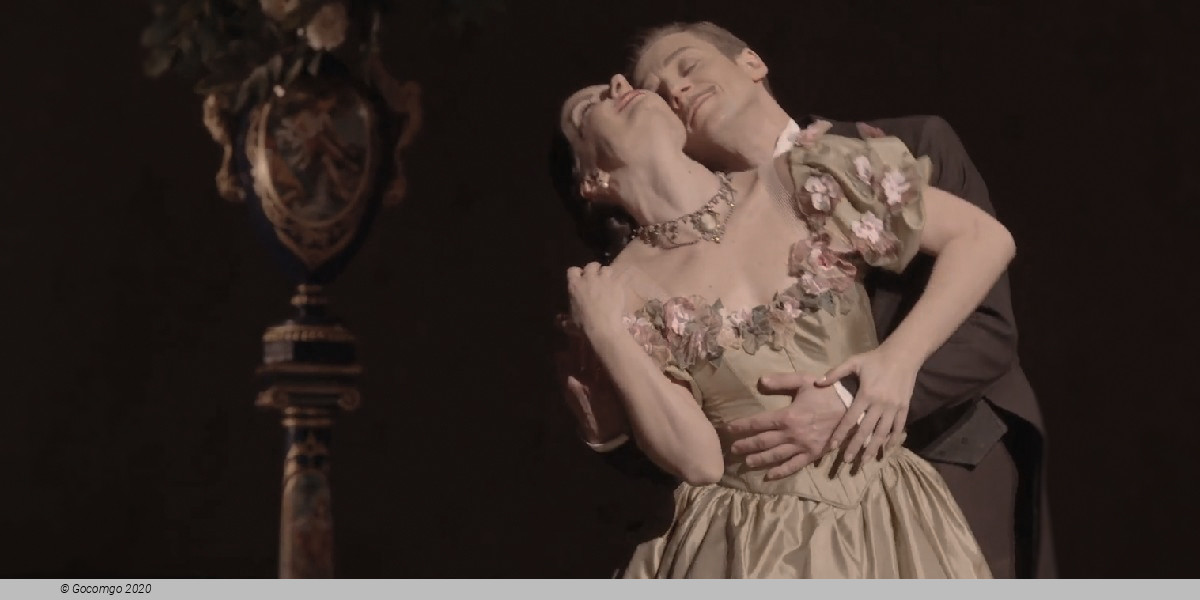
After the performance Marguerite invites Armand to her apartment along with his friend Gaston, the courtesan Prudence and her own escort, the wearisome young Count N. Annoyed by the jealous Count, Marguerite suffers a coughing attack. Armand follows her to her bedroom, offers his assistance, then confesses his love. Marguerite is moved by his sincere passion. However, aware of her fatal illness and needing the comfort of luxury, she insists that their affair must remain secret.

While Marguerite continues to lead her hectic life, hastening from one ball to another, from one admirer to the next, from an old Duke to the young Count, Armand is always there — waiting. When Marguerite departs for the idyllic country house the Duke had put at her disposal — he follows her.

ACT II

Marguerite’s summer straw hat prompts Armand to resume his story…

Surrounded by revealing friends and ardent admirers, Marguerite continues her turbulent life in the country.

With the inevitable confrontation between Armand and the Duke, Marguerite’s moment of decision arrives. She publicly acknowledges her love for Armand. Armand and Marguerite are alone at last.

Armand’s father recalls with regret his part in the story.

Ashamed that his son is living with a prostitute, Monsieur Duval visits Marguerite in the country. He insists that her relationship with his son will ruin Armand. Shocked, Marguerite protests, but the image of Manon and her admirers appear in memory, a mirror image of her own past, confirming the truth of Monsieur Duval’s accusations. He demands that she leave Armand. Out of deep and sincere love Marguerite complies.

Armand tells his father how he found the house deserted.

He waited in vain until Nanina brought him a letter saying that Marguerite had returned to her former life. Unbelieving, Armand runs to Paris, finding Marguerite in the arms of the Duke.

ACT III

Armand explains to his father how they met later on the Champs-Élysées.

Marguerite was accompanied by the beautiful young courtesan Olympia. To have his revenge on the woman who had so deeply wounded him, Armand flirts with and seduces Olympia.

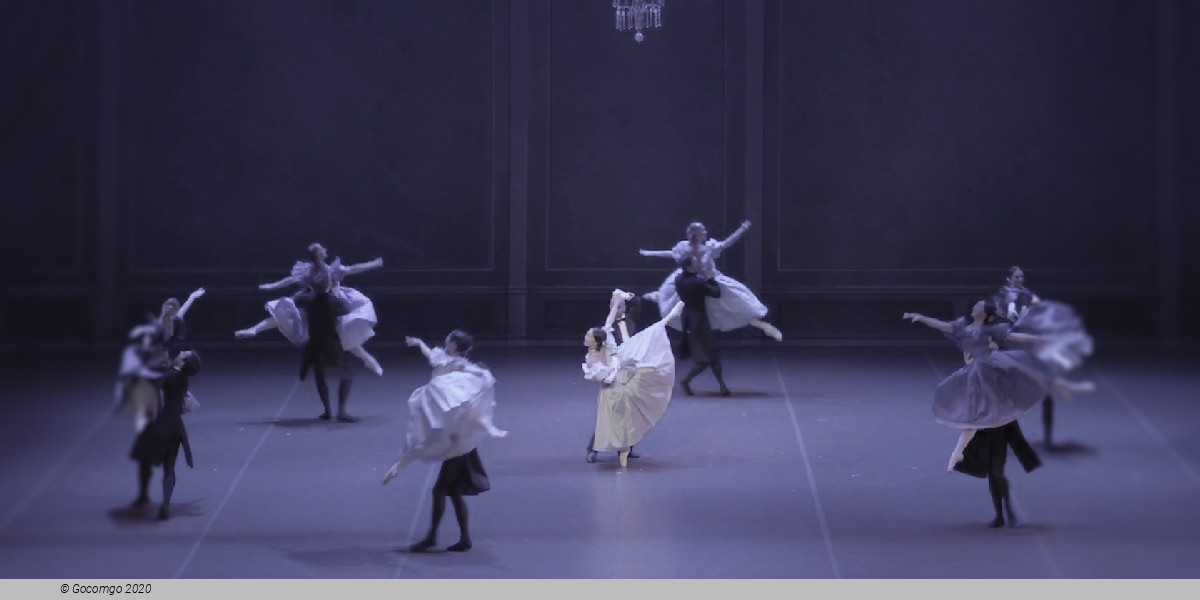
Deathly ill, Marguerite visits Armand, begging him not to hurt her by flaunting his affair with Olympia. Their passion ignites once more. Falling asleep, a vision of her alter ego Manon beckons Marguerite back to her former life. Waking, she remembers her promise to his father and silently leaves Armand for the second time At a grand ball, Armand publicly humiliates Marguerite by handing her money as payment for past services. Marguerite collapses.

Armand has reached the end of his story. He will never see Marguerite again. Deeply moved, his father leaves, as Nanina returns and gives Armand Marguerite’s diary.

Reading, Armand seems to accompany Marguerite on her last visit to the theatre. Again, she views a scene from the ballet Manon Lescaut. This time it is one in which Manon, impoverished like herself, dies in the arms of her faithful lover Des Grieux.

Ill and despairing, Marguerite leaves the theatre, but the characters from the ballet follow her into a feverish dream. As the phantom lovers blend with her own memories, her identification with Manon seems complete. Deserted and longing to see Armand again, Marguerite confides her last thoughts to the diary, which she gives to Nanina for Armand.

Marguerite dies alone.

Armand silently closes her diary.

Venue Info

Warsaw Grand Theatre - Polish National Opera (Teatr Wielki) - Warsaw
Location   plac Teatralny 1

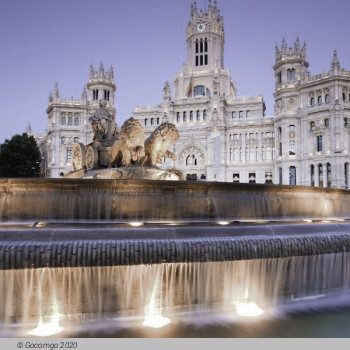
The Grand Theatre in Warsaw is a theatre and opera complex situated on the historic Theatre Square in central Warsaw. The Warsaw Grand Theatre is home to the Polish National Ballet and is one of the largest theatrical venues in the world.

The Theatre was built on Theatre Square between 1825 and 1833, replacing the former building of Marywil, from Polish classicist designs by the Italian architect Antonio Corazzi of Livorno, to provide a new performance venue for existing opera, ballet and drama companies active in Warsaw. The building was remodeled several times and, in the period of Poland's political eclipse from 1795 to 1918, it performed an important cultural and political role in producing many works by Polish composers and choreographers.

It was in the new theatre that Stanisław Moniuszko's two best-known operas received their premieres: the complete version of Halka (1858), and The Haunted Manor (1865). After Frédéric Chopin, Moniuszko was the greatest figure in 19th-century Polish music, for in addition to producing his own works, he was director of the Warsaw Opera from 1858 until his death in 1872.

While director of the Grand Theatre, Moniuszko composed The Countess, Verbum Nobile, The Haunted Manor and Paria, and many songs that make up 12 Polish Songbooks.

Also, under Moniuszko's direction, the wooden Summer Theatre was built close by in the Saxon Garden. Summer performances were given annually, from the repertories of the Grand and Variety (Rozmaitości) theatres. Józef Szczublewski writes that during this time, even though the country had been partitioned out of political existence by its neighbors, the theatre flourished: "the ballet roused the admiration of foreign visitors; there was no equal troupe of comedians to be found between Warsaw and Paris, and Modrzejewska was an inspiration to drama."

The theatre presented operas by Władysław Żeleński, Ignacy Jan Paderewski, Karol Szymanowski and other Polish composers, as well as ballet productions designed by such choreographers as Roman Turczynowicz, Piotr Zajlich and Feliks Parnell. At the same time, the repertoire included major world opera and ballet classics, performed by the most prominent Polish and foreign singers and dancers. It was also here that the Italian choreographer Virgilius Calori produced Pan Twardowski (1874), which (in the musical arrangement first of Adolf Sonnenfeld and then of Ludomir Różycki) has for years been part of the ballet company's repertoire.

During the 1939 battle of Warsaw, the Grand Theatre was bombed and almost completely destroyed, with only the classical façade surviving. During the Warsaw Uprising of 1944 the Germans shot civilians in the burnt-out ruins. The plaque to the right of the main entrance commemorates the suffering and heroism of the victims of fascism.

Important Info
Type: Ballet
City: Warsaw, Poland
Duration: 3h with 2 intervals
Acts: 3
Intervals: 2

E-tickets: Print at home or at the box office of the event if so specified. You will find more information in your booking confirmation email.

You can only select the category, and not the exact seats.
If you order 2 or 3 tickets: your seats will be next to each other.
If you order 4 or more tickets: your seats will be next to each other, or, if this is not possible, we will provide a combination of groups of seats (at least in pairs, for example 2+2 or 2+3).

Top of page