Place: Egypt
Time: 48–47 B.C.
As with most of his other operas, Handel made several revisions to the score of Giulio Cesare for revivals, adding new arias and cutting others. The listing of arias in this synopsis applies to the original 1724 version.
Abridged plot
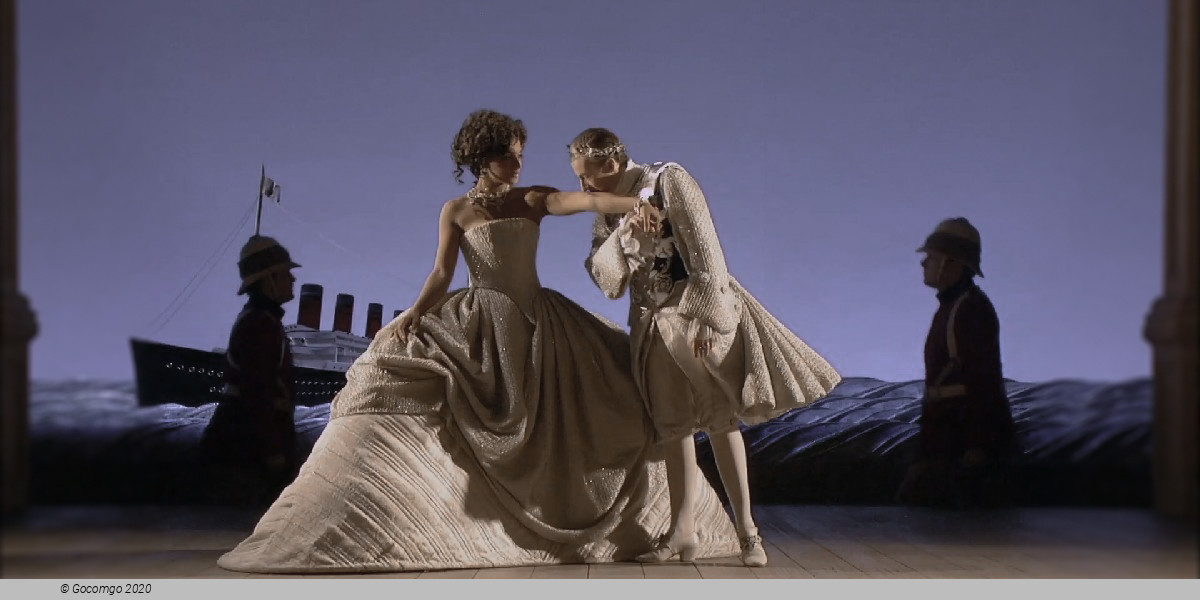
Cesare, in pursuit of his enemy Pompeo, has followed him to Egypt. Pompeo's wife Cornelia pleads with Cesare to spare her husband. He is about to grant her plea, when the Egyptians led by their boy king Tolomeo bring him the head of Pompeo. Cornelia and Pompeo's son Sesto vow to avenge his death. Tolomeo's sister Cleopatra desires to depose her brother in order to become the sole ruler of Egypt. She joins Cornelia and Sesto in their plans for vengeance and entreats Cesare to aid her. Following her overtures, Cesare falls in love with Cleopatra. Her brother attempts to assassinate Cesare, but he escapes. It is reported to Cleopatra that Cesare has drowned while in flight. She is taken captive by her brother. Cesare, who has escaped drowning, enters to free his beloved. Tolomeo is slain by Sesto, because he forced himself upon Cornelia against her will. Cesare makes Cleopatra Queen of Egypt and returns to Rome.
Act 1
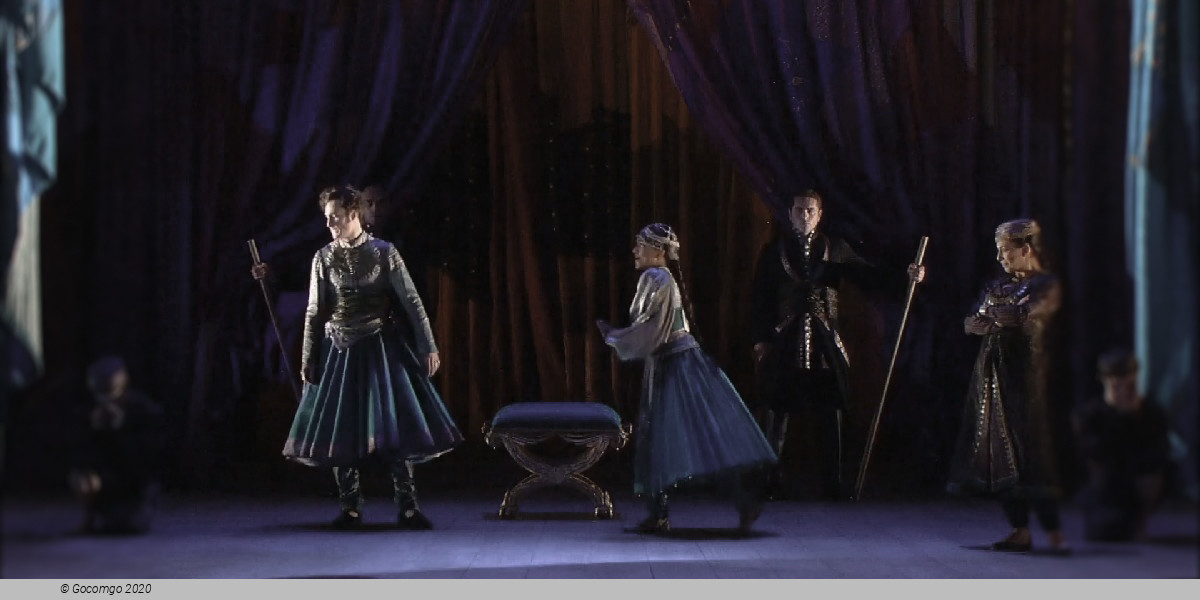
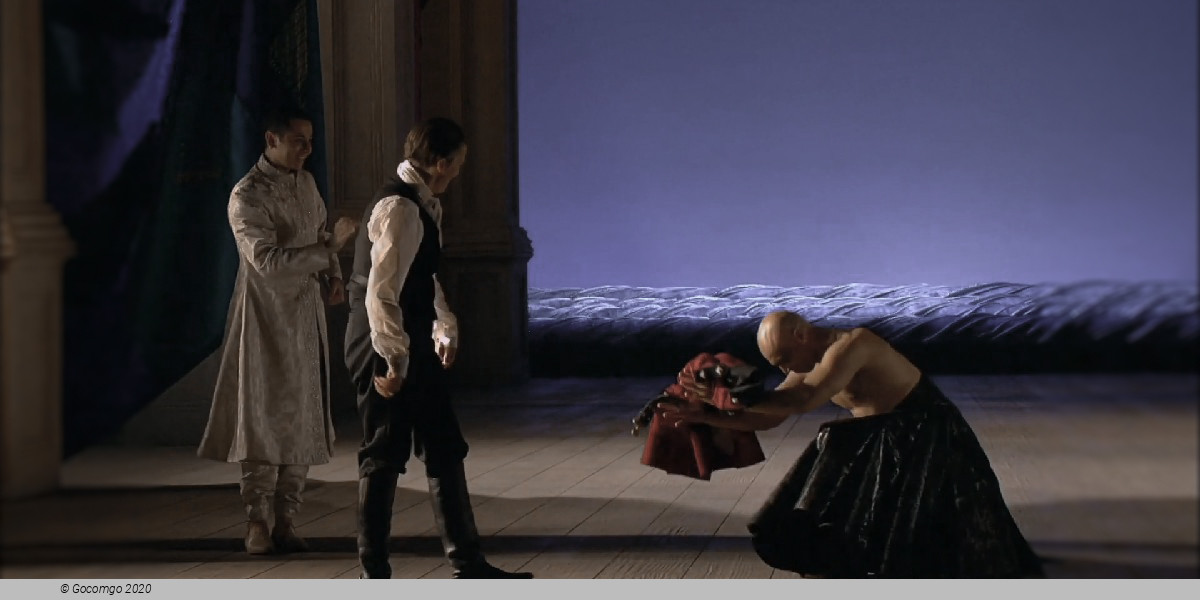
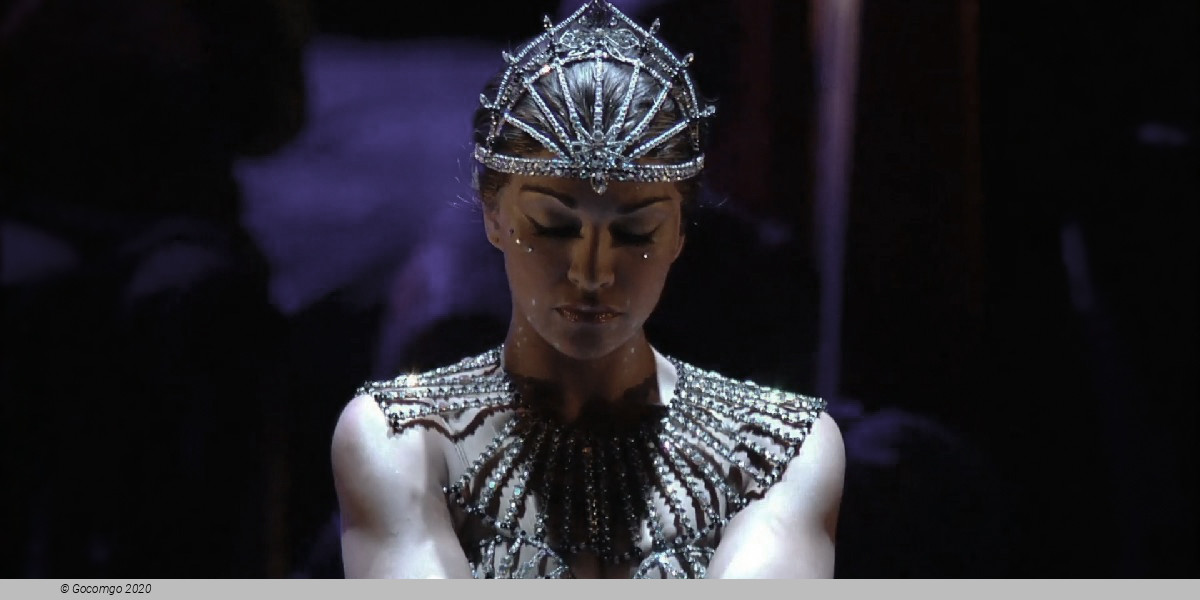
After the overture, the entire cast, except Giulio Cesare, gathers on stage for the opening chorus. (Chorus: Viva, viva il nostro Alcide). Giulio Cesare and his victorious troops arrive on the banks of the River Nile after defeating Pompeo's forces. (Aria: Presti omai l'Egizia terra). Pompeo's second wife, Cornelia, begs for mercy for her husband's life. Cesare agrees, but on the condition that Pompeo must see him in person. Achilla, the leader of the Egyptian army, presents Cesare with a casket containing Pompeo's head. It is a token of support from Tolomeo, the co-ruler of Egypt (together with Cleopatra, his sister). Cornelia faints, and Cesare is furious about Tolomeo's cruelty. (Aria: Empio, dirò, tu sei). Cesare's assistant, Curio, offers to avenge Cornelia, hoping that she will fall for him and marry him. Cornelia rejects the offer in grief, saying that another death would not relieve her pain. (Aria: Priva, son d'ogni conforto). Sesto, son of Cornelia and Pompeo, swears to take revenge for his father's death. (Aria: Svegliatevi nel core). Cleopatra decides to use her charm to seduce Cesare. (Aria: Non disperar, chi sà?) Achilla brings the news to Tolomeo that Cesare was furious over the murder of Pompeo. Tolomeo swears to kill Cesare to protect his rule of the kingdom. (Aria: L'empio, sleale, indegno). Cleopatra (in disguise) goes to meet Cesare in his camp hoping that he will support her as the queen of Egypt. Cesare is amazed by her beauty. (Aria: Non è si vago e bello). Nireno notes that the seduction was successful. (Aria: Tutto può donna vezzosa). Meanwhile, Cornelia continues to mourn the loss of her husband. (Arioso: Nel tuo seno, amico sasso). Cornelia prepares to kill Tolomeo to avenge Pompeo's death, but is stopped by Sesto, who promises to do it instead. Cesare, Cornelia and Sesto go to the Egyptian palace to meet Tolomeo. (Aria: Cara speme, questo core). Cleopatra now believes that as she has turned Cesare, Cornelia and Sesto against Tolomeo successfully, the scales are tipped in her favour. (Aria: Tu la mia stella sei). Cesare meets Tolomeo, who offers him a room in the royal apartments, though Cesare tells Curio that he expects Tolomeo to betray him. (Aria: Va tacito e nascosto). Tolomeo is fascinated by Cornelia's beauty but has promised Achilla that he could have her. (Aria: Tu sei il cor di questo core). Sesto attempts to challenge Tolomeo, but is unsuccessful. When Cornelia rejects Achilla, he orders the soldiers to arrest Sesto. (Duet: Son nata a lagrimar).
Act 2
In Cleopatra's palace, while in disguise as "Lidia", she uses her charms to seduce Cesare. (Aria: V'adoro, pupille). She sings praises of Cupid's darts and Cesare is delighted. Cesare is smitten with Cleopatra, and Nireno tells Cesare that "Lidia" is waiting for him. (Aria: Se in fiorito ameno prato). In Tolomeo's palace, Cornelia laments her fate. (Arioso: Deh piangete, oh mesti lumi). Achilla pleads with Cornelia to accept him, but she rejects him. (Aria: Se a me non sei crudele) When he leaves, Tolomeo also tries to win her, but is also rejected. (Aria: Sì spietata, il tuo rigore). Thinking that there is no hope, Cornelia tries to take her own life, but is stopped by Sesto, who is escorted by Nireno. Nireno reveals the bad news that Tolomeo has given orders for Cornelia to be sent to his harem. However, Nireno also comes up with a plan to sneak Sesto into the harem together with Cornelia, so Sesto can kill Tolomeo when he is alone and unarmed. (Aria: Cessa omai di sospirare). Sesto enters the garden of the palace, wishing to fight Tolomeo for killing his father. (Aria: L'angue offeso mai riposa). Meanwhile, Cleopatra waits for Cesare to arrive in her palace. (Aria: Venere bella). Still smitten with her, Cesare arrives in Cleopatra's palace. However, Curio suddenly bursts in and warns Cesare that he has been betrayed, and enemies are approaching Cesare's chambers and chanting "Death to Cesare". Cleopatra reveals her identity and after hearing the enemies heading for them, asks Cesare to flee, but he decides to fight. (Aria: Al lampo dell'armi). (Chorus: Morà, Cesare morà). Cleopatra, having fallen in love with Cesare, begs the gods to bless him. (Aria: Se pietà di me non senti). In Tolomeo's palace, Tolomeo prepares to enter his harem. (Arioso: Belle dee di questo core). As Tolomeo tries to seduce Cornelia, Sesto rushes in to kill Tolomeo, but is stopped by Achilla. Achilla announces that Cesare (in the attempt to run from soldiers) has jumped from the palace window and died. Achilla asks again for Cornelia's hand in marriage but is turned down by Tolomeo. Furious, Achilla leaves. Sesto feels devastated and attempts to kill himself but is prevented from doing so by his mother; he repeats his vow to kill Tolomeo. (Aria: L'aure che spira).
Act 3
Furious at Tolomeo for being ungrateful to him despite his loyalty, Achilla plans to defect to Cleopatra's side (Aria: Dal fulgor di questa spada), but Tolomeo stabs him before he does. As battle rings out between Tolomeo's and Cleopatra's armies, Tolomeo celebrates his apparent victory against Cleopatra (Aria: Domerò la tua fierezza). Cleopatra laments losing both the battle and Cesare (Aria: Piangerò la sorte mia). However, Cesare is not dead: he survived his leap and is roaming the desert in search of his troops (Aria: Aure, deh, per pietà). While looking for Tolomeo, Sesto finds the wounded, nearly dead Achilla, who hands Sesto a seal authorizing him to command his armies. Cesare appears and demands the seal, promising that he will either save both Cornelia and Cleopatra or die (Aria: Quel torrente, che cade dal monte). With Cesare alive and Achilla dead, Sesto's spirits lift, and he vows to fight on (Aria: La giustizia ha già sull'arco). Cesare continues on to Cleopatra's camp, where a lamenting Cleopatra is overjoyed to see him. (Aria: Da tempeste il legno infranto).
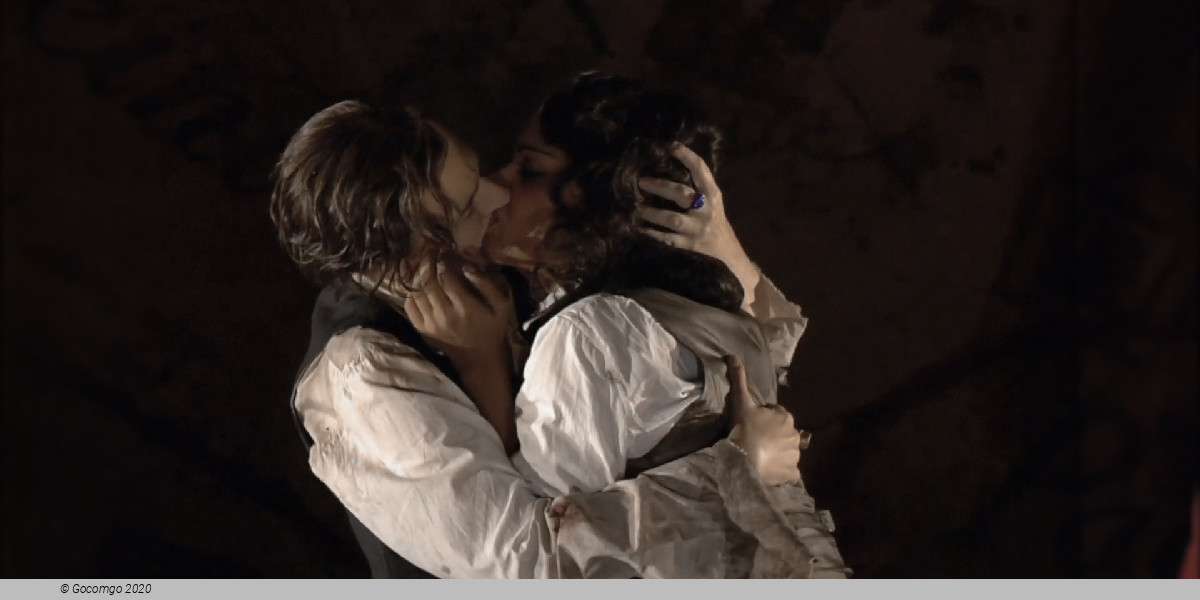
In the palace, Sesto finds Tolomeo trying to rape Cornelia and kills him. Having successfully avenged Pompeo, Cornelia and Sesto celebrate Tolomeo's death. (Aria: Non ha più che temere). The victorious Cesare and Cleopatra enter Alexandria, and Cesare proclaims Cleopatra to be queen of Egypt and promises his support to her and her country. They declare their love for each other (Duet: Caro! Bella! Più amabile beltà). Cesare then proclaims Egypt's liberation from tyranny, and wishes for the glory of Rome to spread far and wide. For the final chorus, the entire cast (including the dead Achilla and Tolomeo) gathers on stage to celebrate the power of love and the triumph of good over evil (Chorus: Ritorni omai nel nostro core).









 Amstel 3