
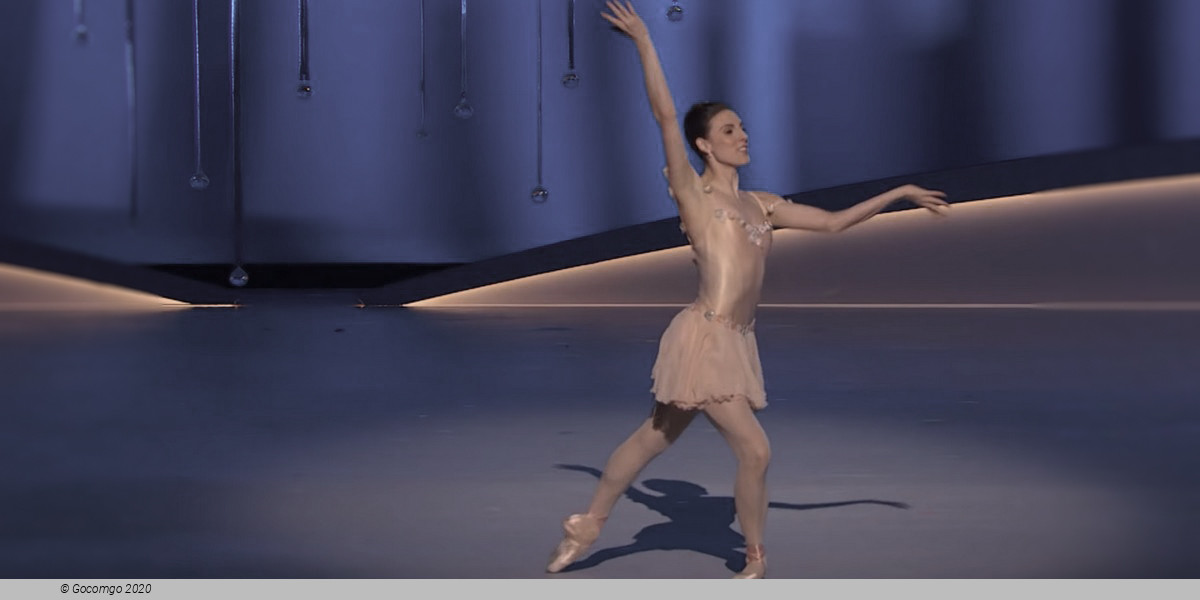
Dutch National Opera 7 November 2019 - Best of Balanchine III | GoComGo.com

Best of Balanchine III

Dutch National Opera, Amsterdam, Netherlands
All photos (11)
Select date and time
8 PM
Request for Tickets
Important Info
Type: Ballet
City: Amsterdam, Netherlands
Starts at: 20:00
Intervals: 2
Duration: 2h 25min

E-tickets: Print at home or at the box office of the event if so specified. You will find more information in your booking confirmation email.

You can only select the category, and not the exact seats.
If you order 2 or 3 tickets: your seats will be next to each other.
If you order 4 or more tickets: your seats will be next to each other, or, if this is not possible, we will provide a combination of groups of seats (at least in pairs, for example 2+2 or 2+3).

Overview

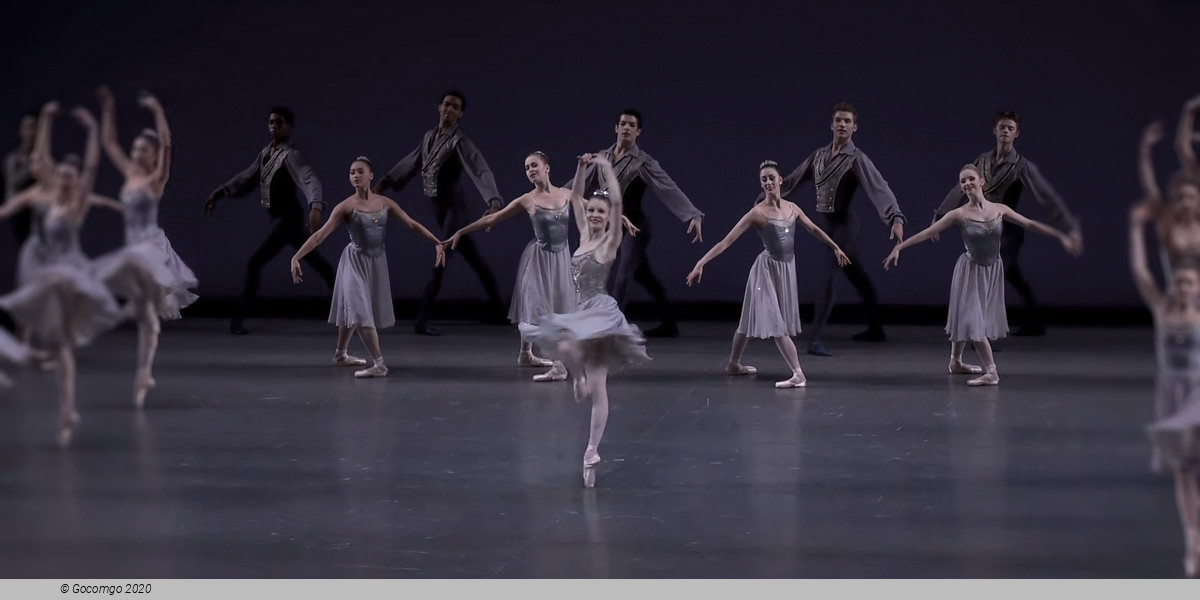
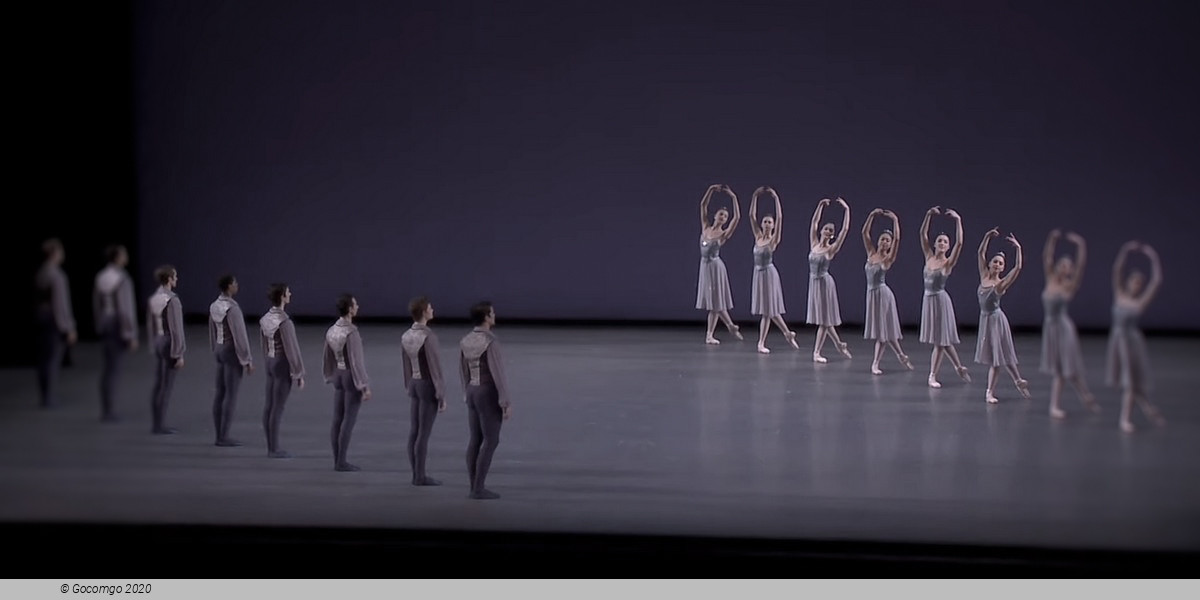
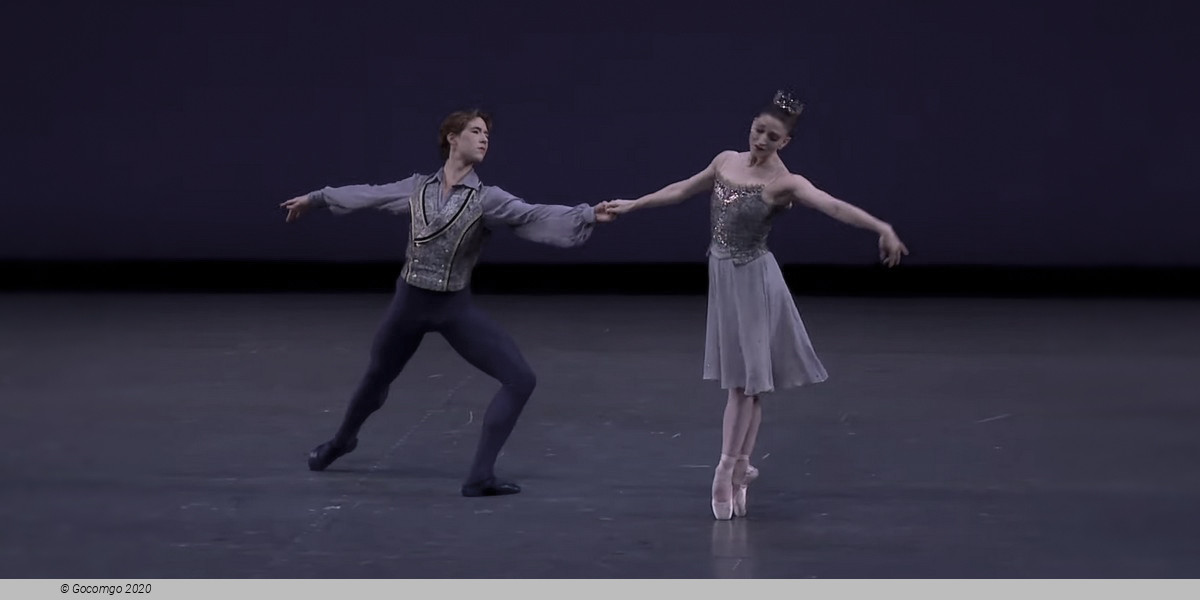
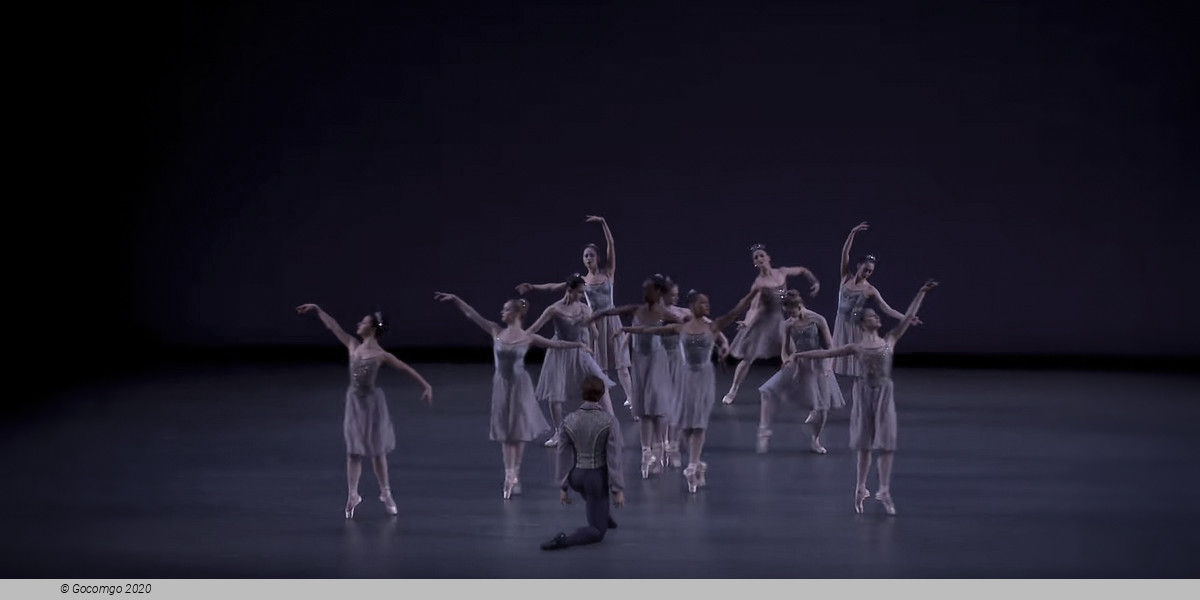
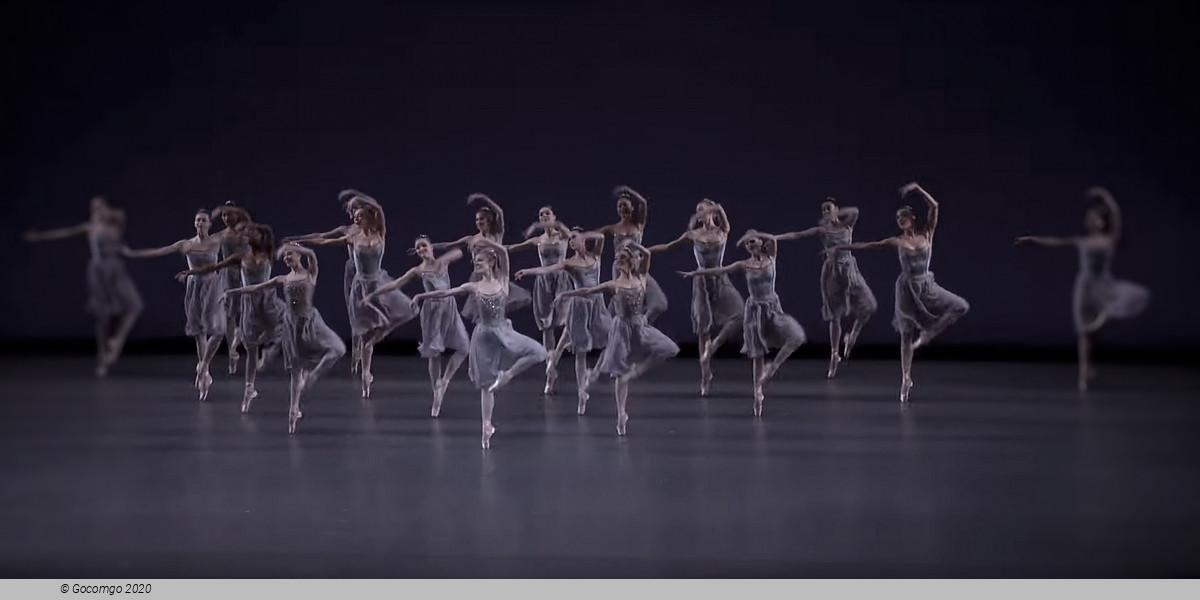
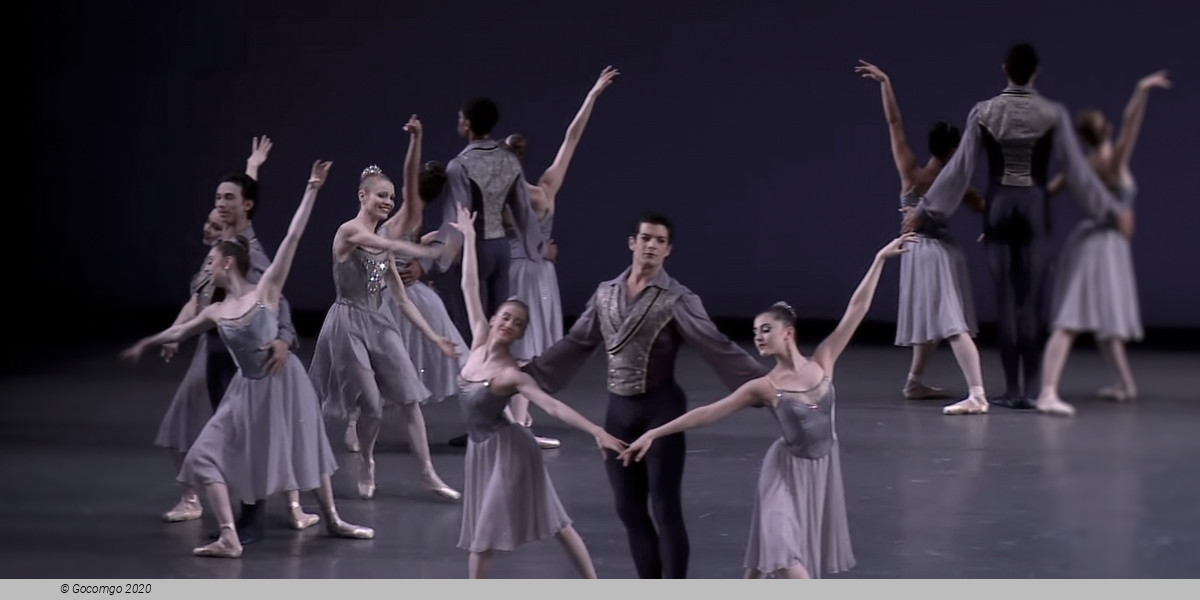
Pioneering, original and timeless, George Balanchine's (1904-1983) ballets are often compared to Picasso's paintings or Stravinsky's music. In Best of Balanchine, Dutch National Ballet honours the genius and astounding versatility of this master choreographer.


BALANCHINE

Balanchine's Russian background gave him a rich palette of nineteenth-century Russian ballet to draw on. But it wasn't until he moved to New York City in 1933 that the greatest dance pioneer of the twentieth century truly took flight, going on to create over 150 ballets and establishing the celebrated New York City Ballet. Though varied in style and technique, the Russian-American choreographer’s creations are always exceptionally musical and charged with expressive freedom.

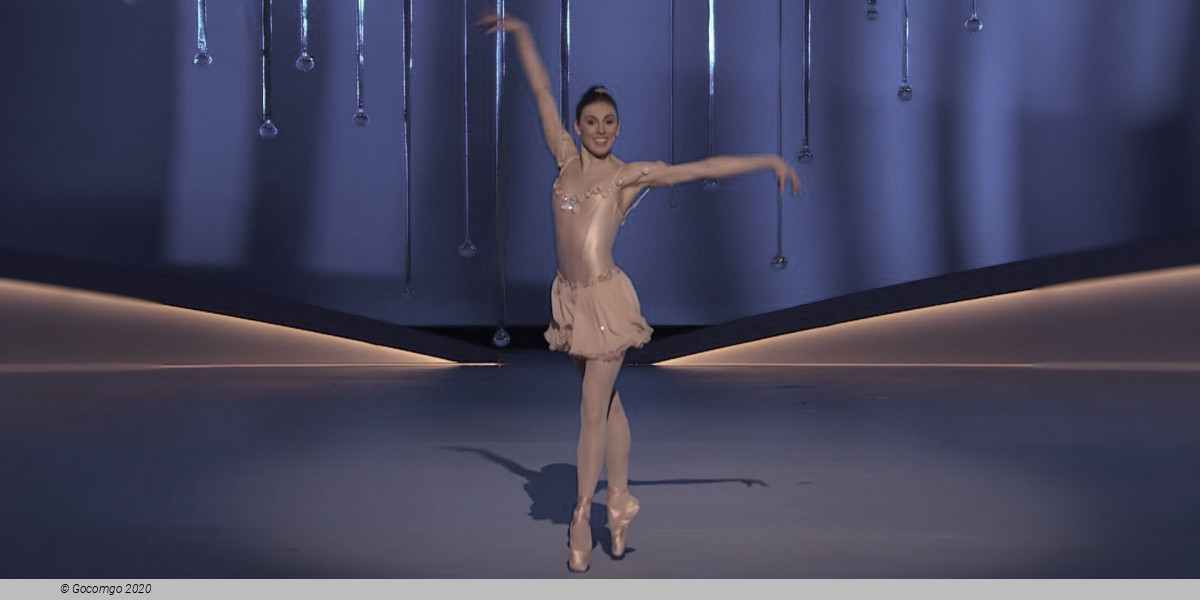
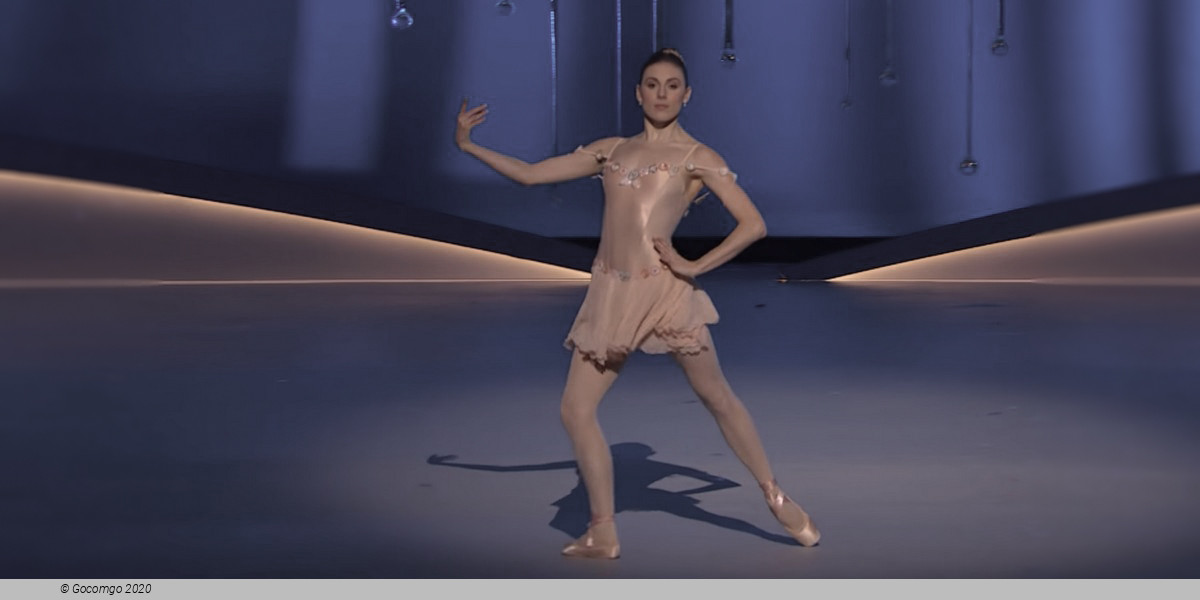
Ballet Imperial, set to Tchaikovsky Piano Concerto No. 2, has been described by Balanchine as ‘a modern-day tribute to Marius Petipa, the father of classical ballet’. Trained in St Petersburg, Balanchine's homage to the Imperial Russian Ballet's illustrious nineteenth-century choreographer, revives the majestic grandeur of bygone days in a luxuriant tutu ballet. With new costumes by François-Noël Cherpin.

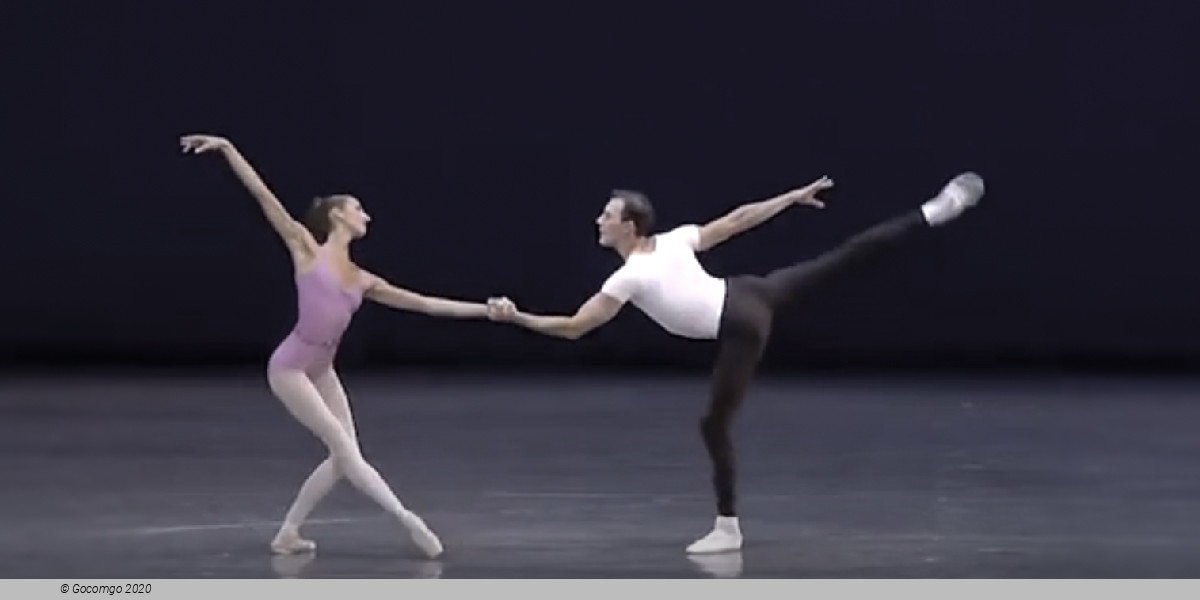
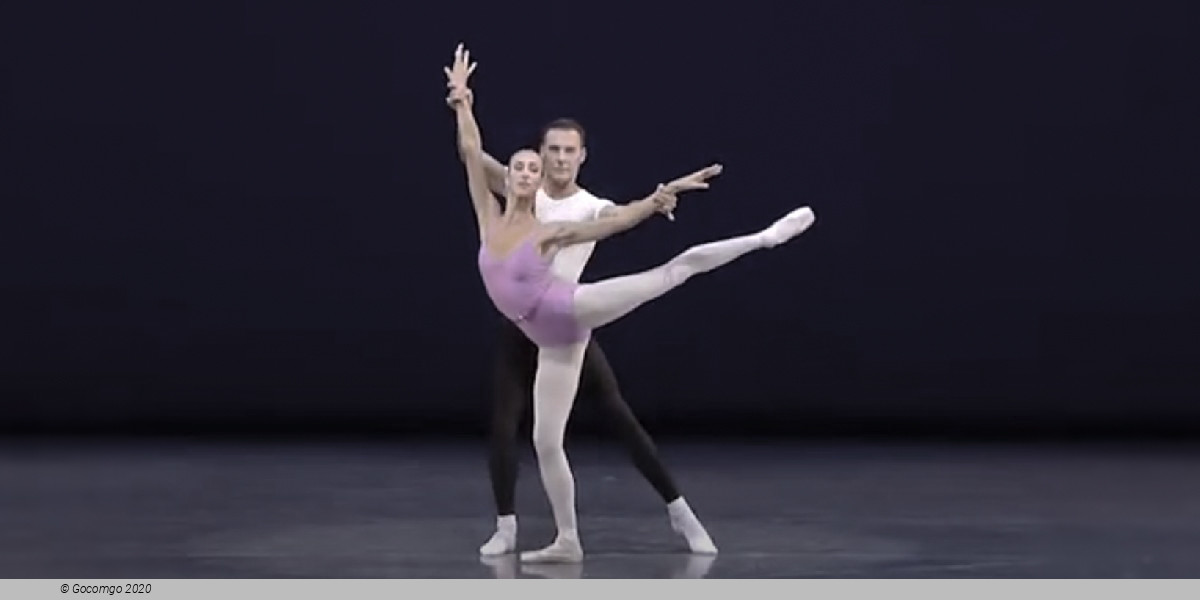
It was during his tenure at the legendary Ballets Russes, from 1924 until the death of Serge Diaghilev in 1929, that Balanchine met Igor Stravinsky, marking the start of a long-time artistic partnership between two kindred spirits. Balanchine's Symphony in Three Movements was created for the Stravinsky Festival in 1972. With sporty and athletic elements, this snappy, snazzy ballet is a testament to Balanchine’s pioneering spirit and exceptional musicality.

Balanchine also created quite a few choreographies for Broadway that left a clear stamp on his work for the New York City Ballet. In Who Cares?, set to 16 songs by George Gershwin, he evokes the chic glamour, light-hearted humour and effervescent joie de vivre of old Broadway.

Who Cares? is a ballet made by New York City Ballet's co-founder and founding choreographer George Balanchine to songs by George Gershwin in an orchestration by Hershy Kay. The premiere took place on Saturday, February 7, 1970, at the New York State Theater, Lincoln Center with costumes by Barbara Karinska and lighting by Ronald Bates; it was at first performed without décor but from November 1970 with scenery by Jo Mielziner.

The conductor was Robert Irving and the pianist on opening night Gordon Boelzner; the orchestration had only been completed for two songs, "Strike Up the Band" and "I Got Rhythm". "Clap Yo' Hands" was performed to a recording made by George Gershwin; this sequence was, however, eliminated by Balanchine in 1976; new costumes were commissioned from Ben Benson by Balanchine before his death and have been used since 1983.

Balanchine and Gershwin's plans to collaborate were frustrated by the composer's untimely death in 1937. Thirty-three years later, Balanchine chose seventeen of Gershwin's from Broadway musical songs for this ballet; Mayor John V. Lindsay presented Balanchine with the Handel Medallion, New York City's highest cultural award, on opening night.

History
Premiere of this production: 25 June 1941, Teatro Municipal, Rio de Janeiro

Tschaikovsky Piano Concerto No. 2, originally called Ballet Imperial, is a ballet in three movements made by New York City Ballet's co-founder and founding choreographer George Balanchine for his earlier company, American Ballet Caravan, to the version of Peter Ilyitch Tchaikovsky's Piano Concerto No. 2, originally composed in 1879–80, but later revised by Alexander Siloti. The ballet was given a preview performance on 29 May 1941 at the Little Theater of Hunter College in New York City. The premiere took place on 25 June 1941 at Teatro Municipal, Rio de Janeiro.

Premiere of this production: 18 June 1972, New York State Theater

Symphony in Three Movements is a neoclassical ballet choreographed by George Balanchine to the music of the same name by Stravinsky. The ballet was made for the New York City Ballet Stravinsky Festival in 1972, a tribute to the composer following his death. The ballet premiered on June 18, 1972, at the New York State Theater.

"Who Cares?" is a song composed by George Gershwin, with lyrics by Ira Gershwin, written for their 1931 musical Of Thee I Sing. It was introduced by William Gaxton and Lois Moran in the original Broadway production.

Venue Info

Dutch National Opera - Amsterdam
Location   Amstel 3

The Dutch National Opera is the largest theatre production house in the Netherlands. Situated in the heart of Amsterdam, the iconic theatre of Dutch National Opera & Ballet offers a magnificent view of the River Amstel and the famous Magere Brug (Skinny Bridge). The various spaces form an inspiring backdrop for a whole range of special events.

Dutch National Opera & Ballet is a young theatre with a long history. The plans for building a new theatre ran parallel to the plans for a new city hall. The first discussions held by the Amsterdam city council about building a new city hall and opera house go back to 1915. At that time, the plans were specifically for an opera house, since ballet was a relatively unknown art form back then.

Ideas for the site of the new city hall and opera house were continually changing, and the idea that both buildings could form a single complex only emerged much later. Sites considered for the new city hall were initially the Dam, followed by the Frederiksplein, and finally the Waterlooplein.

In 1955, the city council commissioned the firm of architects Berghoef and Vegter to draft a design for a city hall on the Waterlooplein. The draft was approved, but in 1964 the council ended the association with the architects, as the final design was nothing like the original plans they had been shown. In 1967, a competition was held for a new design, with the Viennese architect Wilhelm Holzbauer emerging as the winner. Amsterdam's financial problems, however, meant that the plans for the new city hall were put on hold for several years.

DNO has its own choir of sixty singers and technical staff of 260. DNO historically has not had its own resident orchestra, and so various orchestras of the Netherlands, including the Netherlands Philharmonic Orchestra (NPO), the Netherlands Chamber Orchestra (NKO), the Royal Concertgebouw Orchestra, the Rotterdam Philharmonic Orchestra, the Radio Filharmonisch Orkest and the Asko/Schönberg ensemble have provided the orchestral forces for DNO productions.

DNO produces on average eleven productions per year. While most performances are in the Dutch National Opera & Ballet building, the company has also performed in the Stadsschouwburg, at the Carré Theatre, and on the Westergasfabriek industrial site in Amsterdam. For many years, the June production has been organized as part of the Holland Festival and includes the participation of the Royal Concertgebouw Orchestra. DNO has lent its productions to foreign companies, such as the Metropolitan Opera, the Brooklyn Academy of Music, the Lincoln Center Festival in New York, as well as the Adelaide Festival in Australia.

Since 1988, the French-Lebanese theatre director Pierre Audi has been the artistic director of DNO. Audi is scheduled to conclude his DNO tenure in 2018. In April 2017, DNO announced the appointment of Sophie de Lint as the company's next artistic director, effective 1 September 2018.

Hartmut Haenchen was chief conductor from 1986 to 1999, in parallel with holding the title of chief conductor of the NPO. He subsequently held the title of principal guest conductor with DNO. Subsequent chief conductors have been Edo de Waart (1999-2004) and Ingo Metzmacher (2005-2008). In March 2009, DNO announced the appointment of Marc Albrecht as the orchestra's next chief conductor, with the 2011-2012 season, for an initial contract of four years. This return to a single chief conductor at both DNO and the NPO/NKO allows for the NPO to become the principal opera orchestra for DNO. Albrecht is scheduled to stand down as chief conductor of DNO at the end of the 2019-2020 season.

Important Info
Type: Ballet
City: Amsterdam, Netherlands
Starts at: 20:00
Intervals: 2
Duration: 2h 25min
Top of page