

New York City Ballet (David H. Koch Theater): La Source Tickets | Event Dates & Schedule | GoComGo.com

La Source Tickets

New York City Ballet (David H. Koch Theater), New York, USA
Important Info
Type: Ballet
City: New York, USA
Duration: 24min

E-tickets: Print at home or at the box office of the event if so specified. You will find more information in your booking confirmation email.

You can only select the category, and not the exact seats.
If you order 2 or 3 tickets: your seats will be next to each other.
If you order 4 or more tickets: your seats will be next to each other, or, if this is not possible, we will provide a combination of groups of seats (at least in pairs, for example 2+2 or 2+3).

Cast
Performers
Choose the date to see the peformers
Overview

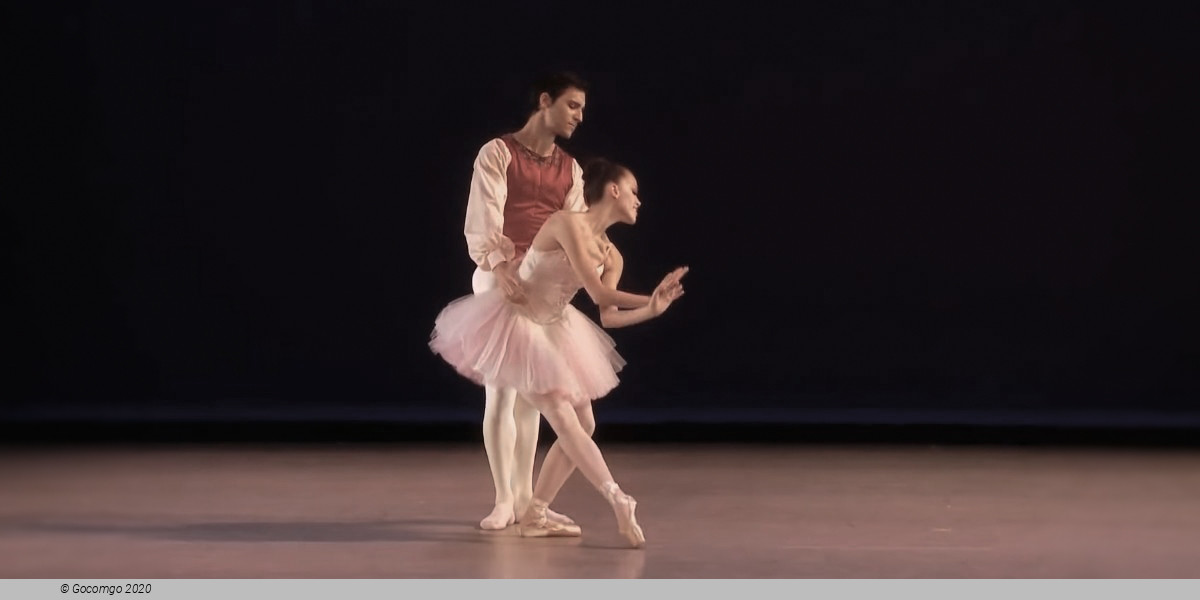
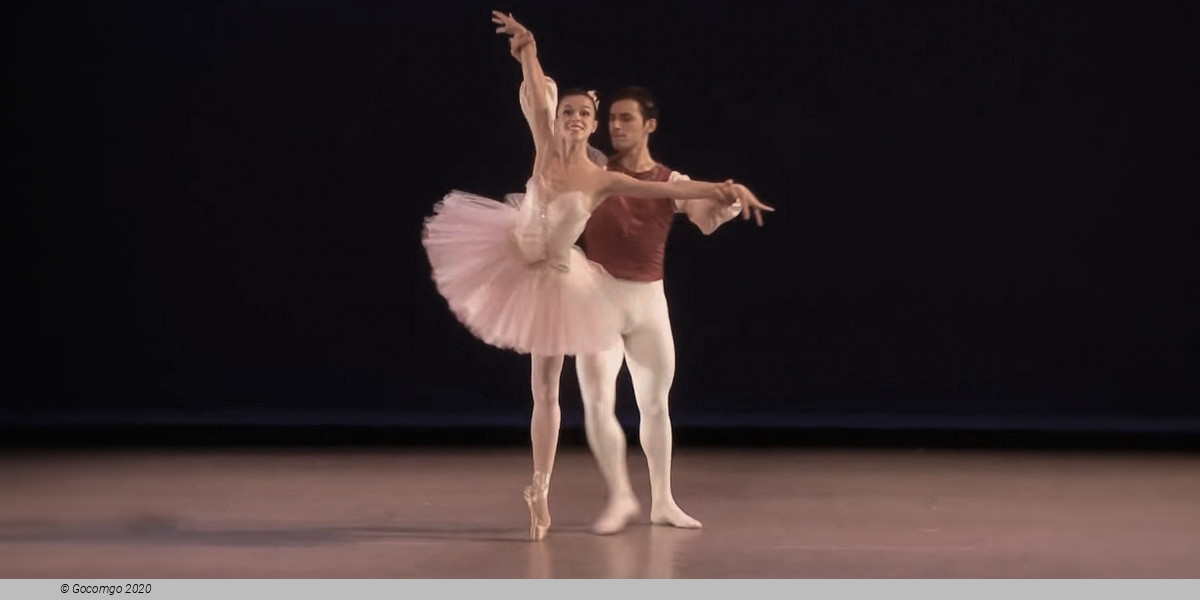
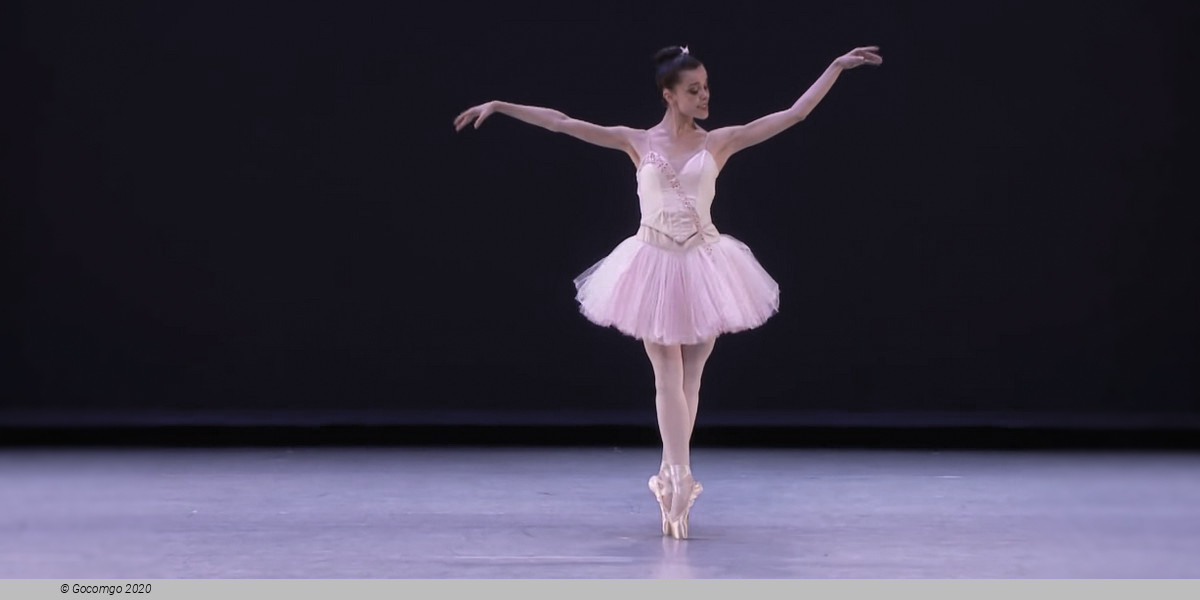
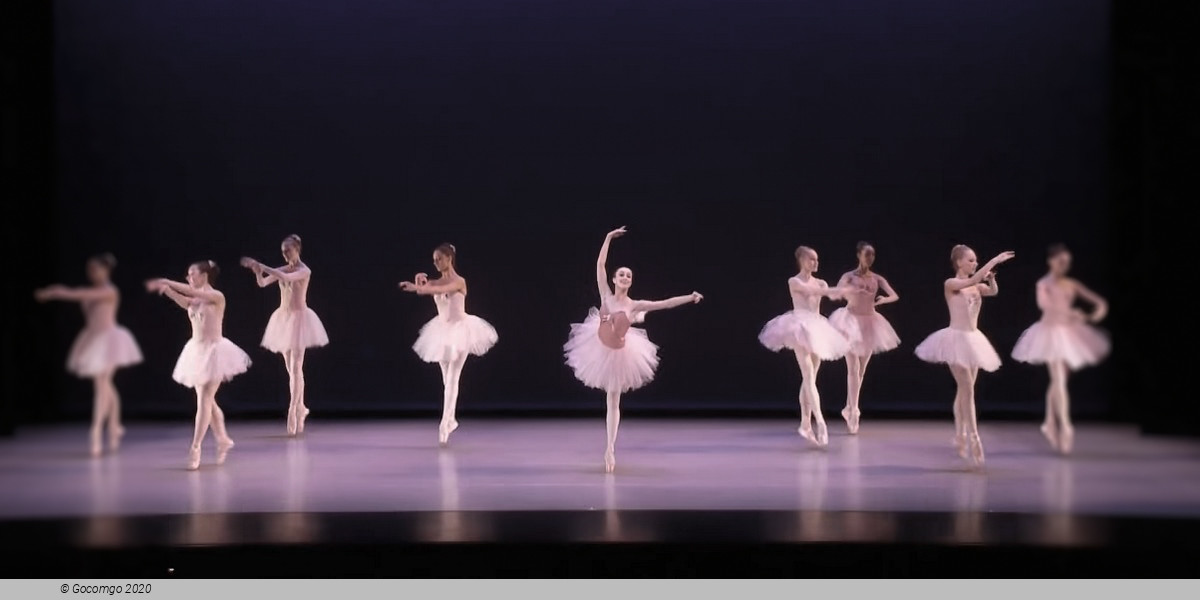
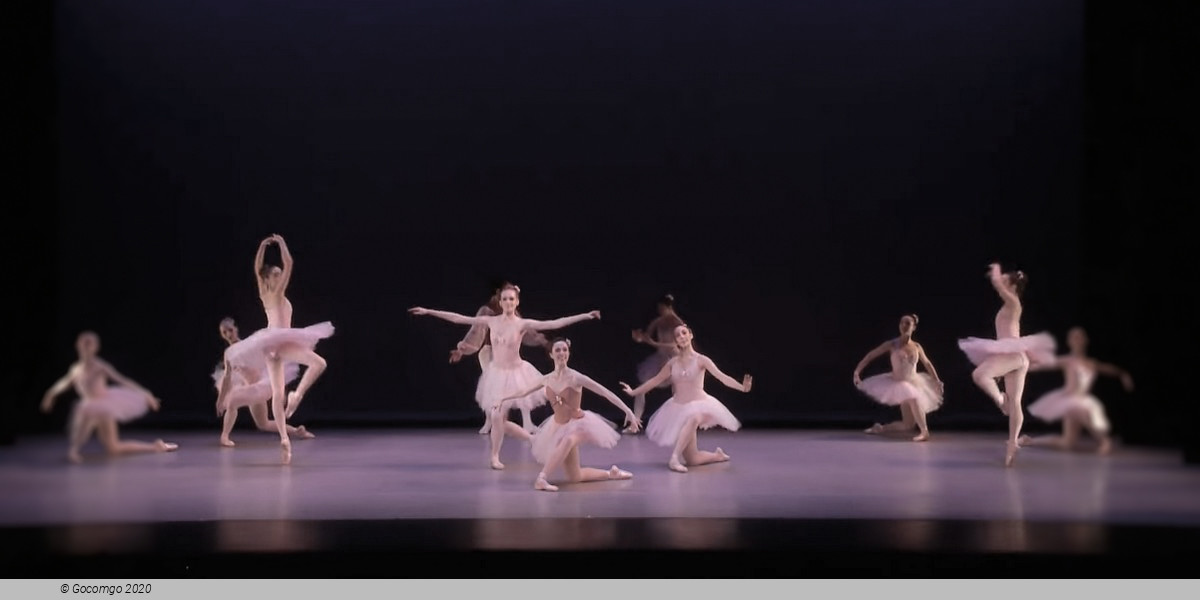
A frothy classical wonder, the French-themed La Source combines thrilling ensemble work with virtuoso pas de deux.

Balanchine’s high regard for Leo Delibes as a composer of music for ballet led him to choreograph a pas de deux from Delibes’ Sylvia in 1950, which Balanchine later expanded into a divertissement in 1965. Balanchine’s desire to use more of Delibes’ music prompted him to choreograph La Source incorporating music from two of Delibes’ ballets, Naila and Sylvia. The present La Source presents a showcase reminiscent of nineteenth century French ballet to 19th century French music.

History
Premiere of this production: 23 November 1968, New York State Theater, Lincoln Center, New York

La Source is a ballet made on New York City Ballet by its founding balletmaster (and co-founder) George Balanchine. The premiere took place on November 23, 1968, at the New York State Theater, Lincoln Center.

Balanchine's had previously made a pas de deux to music from Léo Delibes' Sylvia in 1950; he expanded this into a divertissement in 1965. The final version uses music from Delibes' ballets La source and Sylvia and choreography from the earlier pas de deux and divertissement.

Venue Info

New York City Ballet (David H. Koch Theater) - New York
Location   20 Lincoln Center Plaza

The David H. Koch Theater is the major theater for ballet, modern, and other forms of dance, part of the Lincoln Center, at the intersection of Columbus Avenue and 63rd Street in the Lincoln Square neighborhood of Manhattan in New York City. Originally named the New York State Theater, the venue has been home to the New York City Ballet since its opening in 1964, the secondary venue for the American Ballet Theatre in the fall, and served as home to the New York City Opera from 1964 to 2011.

The New York State Theater was built with funds from the State of New York as part of New York State's cultural participation in the 1964–1965 World's Fair. The theater was designed by architects Philip Johnson and John Burgee, and opened on April 23, 1964. After the Fair, the State transferred ownership of the theater to the City of New York.

Along with the opera and ballet companies, another early tenant of the theater was the now defunct Music Theater of Lincoln Center whose president was composer Richard Rodgers. In the mid-1960s, the company produced fully staged revivals of classic Broadway musicals. These included The King and I; Carousel (with original star, John Raitt); Annie Get Your Gun (revised in 1966 by Irving Berlin for its original star, Ethel Merman); Show Boat; and South Pacific.

The theater seats 2,586 and features broad seating on the orchestra level, four main “Rings” (balconies), and a small Fifth Ring, faced with jewel-like lights and a large spherical chandelier in the center of the gold latticed ceiling.

The lobby areas of the theater feature many works of modern art, including pieces by Jasper Johns, Lee Bontecou, and Reuben Nakian.

Important Info
Type: Ballet
City: New York, USA
Duration: 24min

E-tickets: Print at home or at the box office of the event if so specified. You will find more information in your booking confirmation email.

You can only select the category, and not the exact seats.
If you order 2 or 3 tickets: your seats will be next to each other.
If you order 4 or more tickets: your seats will be next to each other, or, if this is not possible, we will provide a combination of groups of seats (at least in pairs, for example 2+2 or 2+3).

Top of page