

Deutsche Oper Berlin 21 June 2020 - Jewels | GoComGo.com

Jewels

Deutsche Oper Berlin, Berlin, Germany
All photos (14)
Select date and time
7:30 PM
Request for Tickets
Important Info
Type: Ballet
City: Berlin, Germany
Starts at: 19:30
Acts: 3
Intervals: 2
Duration: 2h 20min

E-tickets: Print at home or at the box office of the event if so specified. You will find more information in your booking confirmation email.

You can only select the category, and not the exact seats.
If you order 2 or 3 tickets: your seats will be next to each other.
If you order 4 or more tickets: your seats will be next to each other, or, if this is not possible, we will provide a combination of groups of seats (at least in pairs, for example 2+2 or 2+3).

Overview

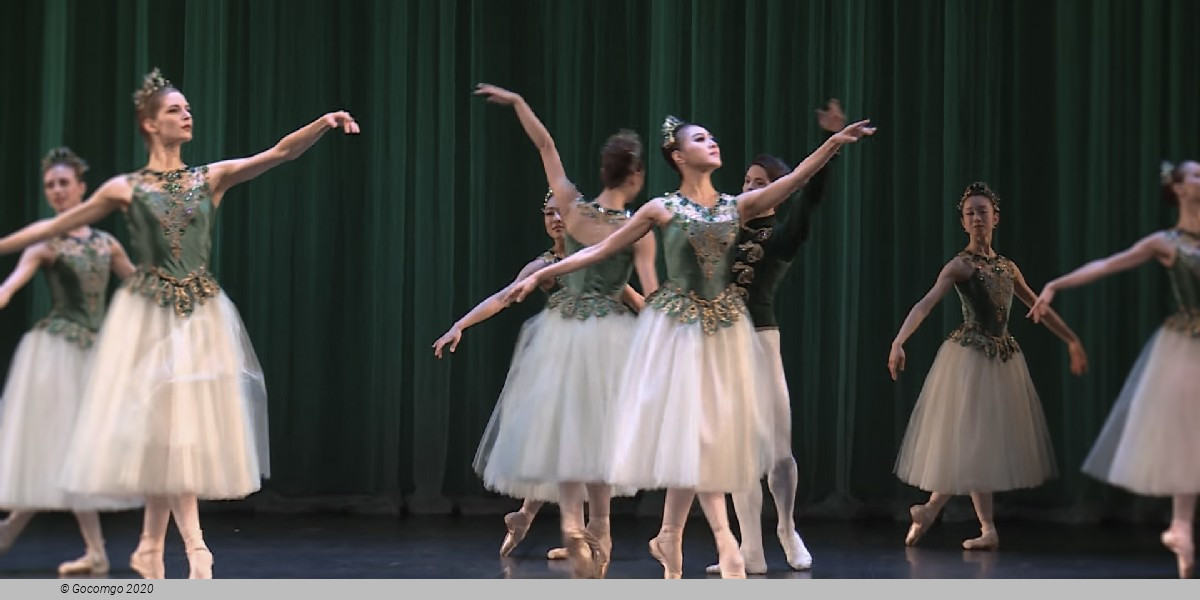
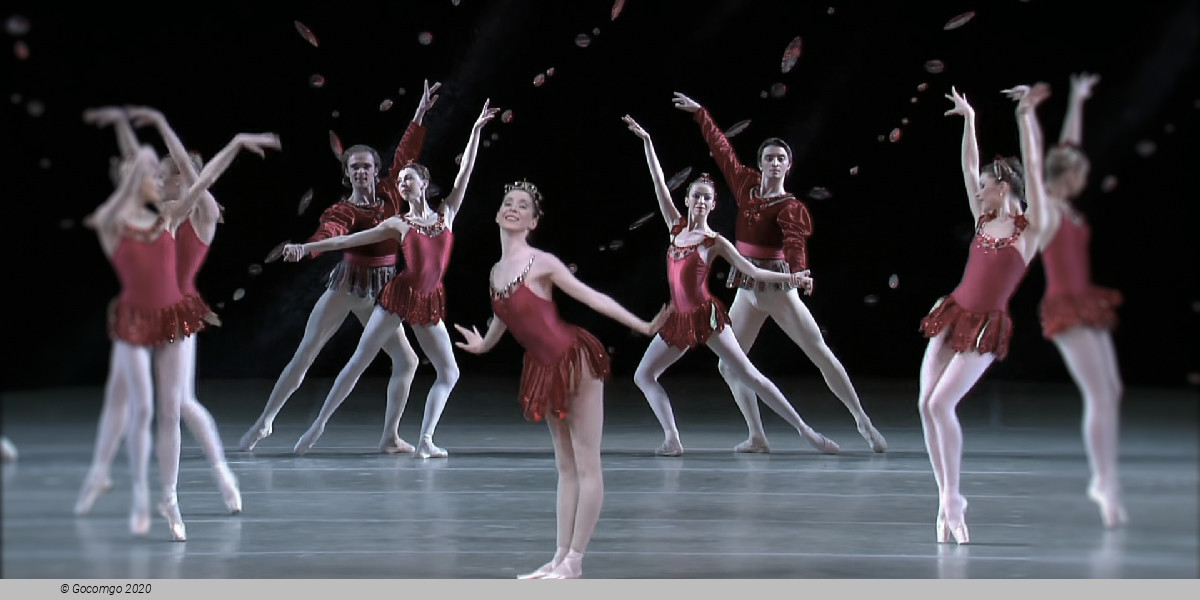
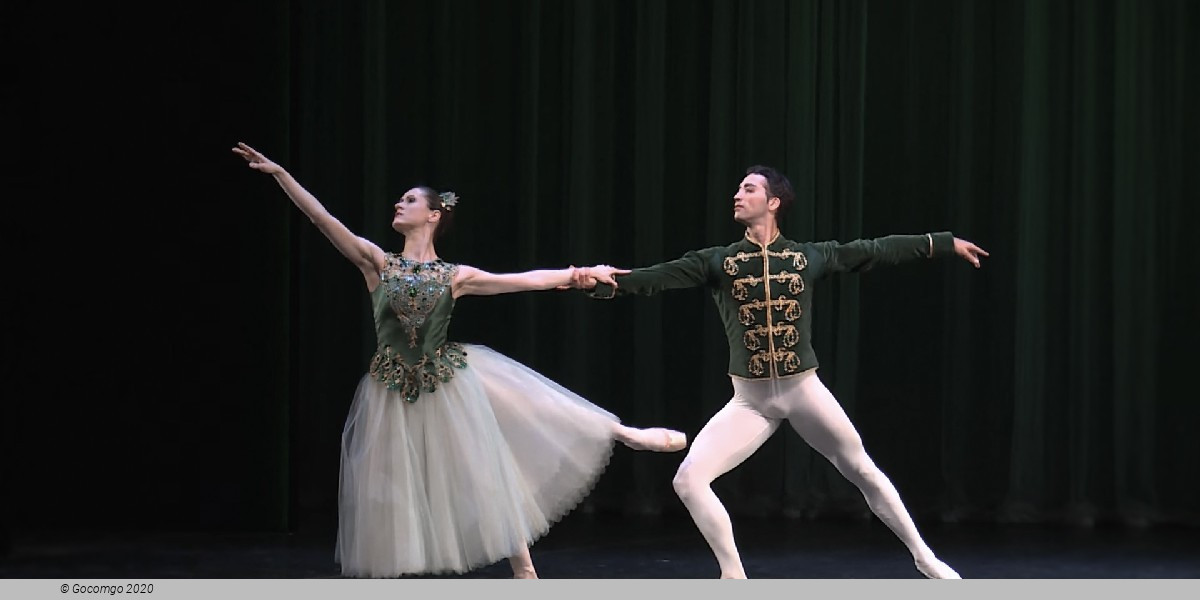
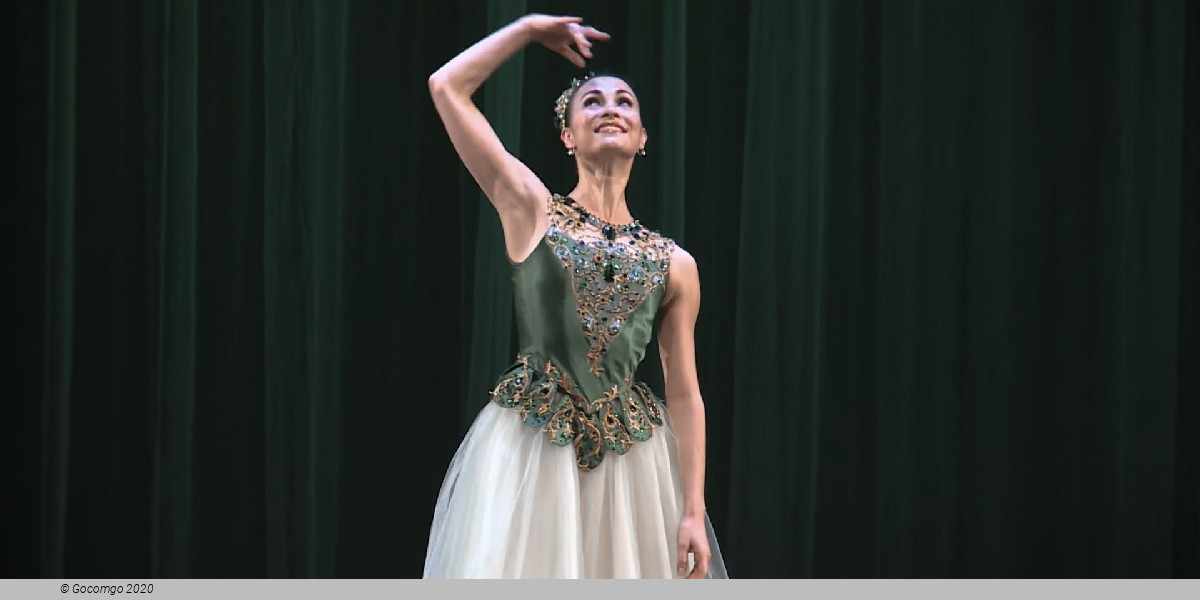
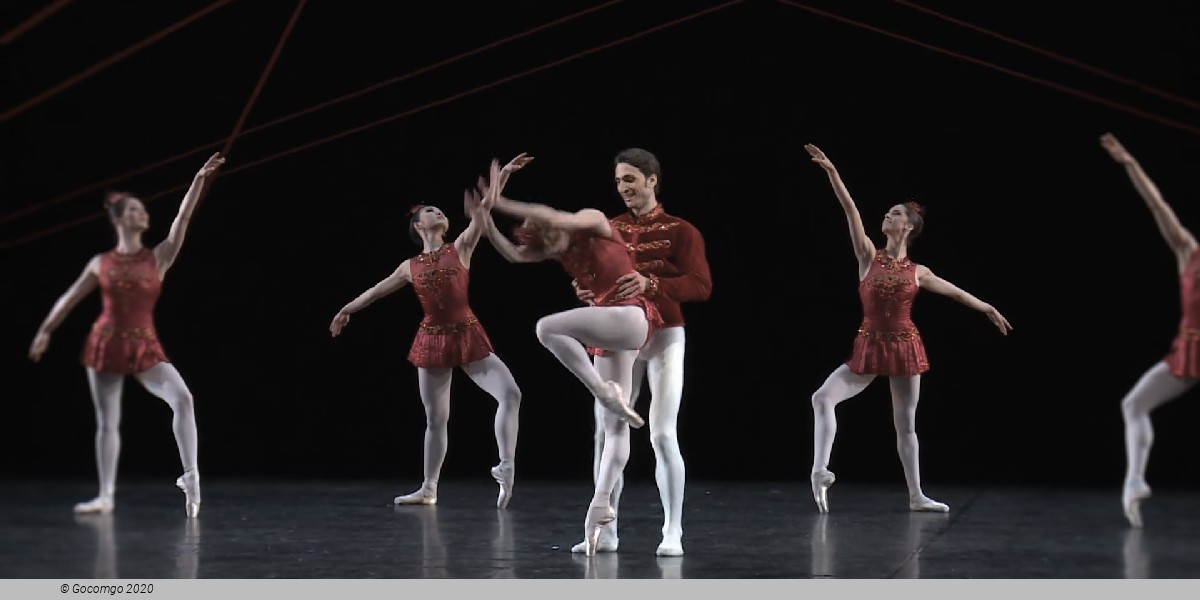
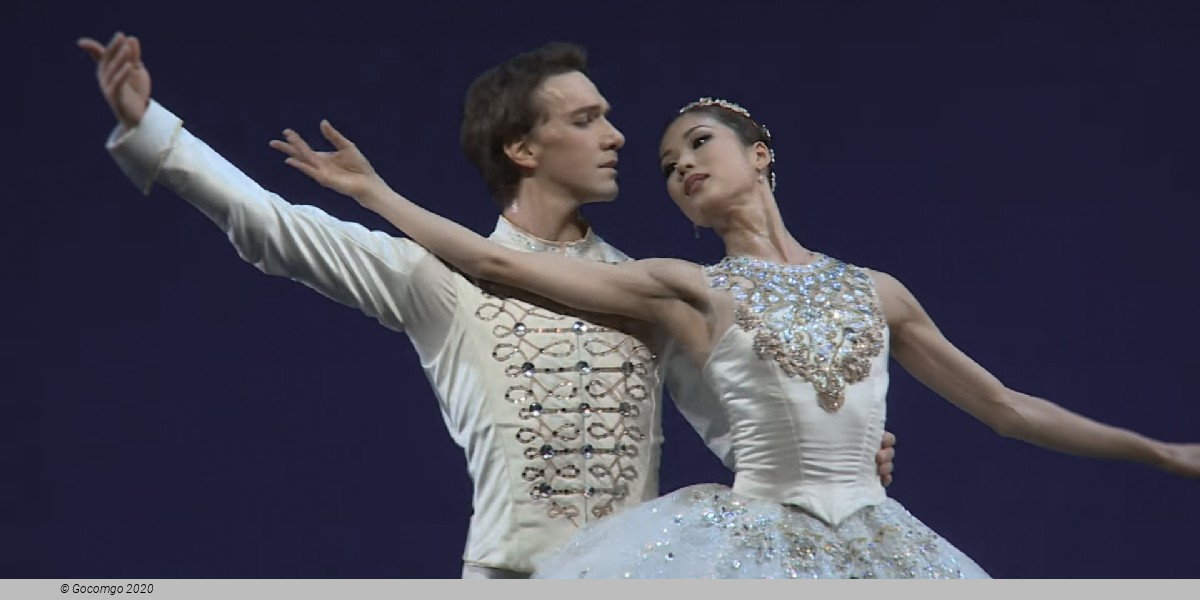
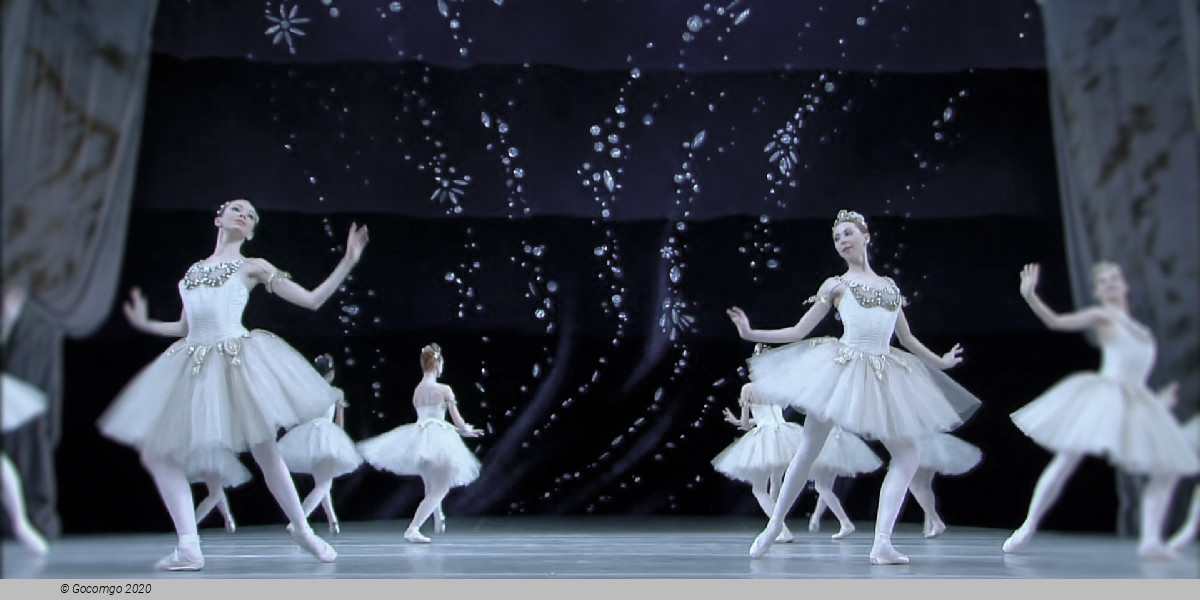
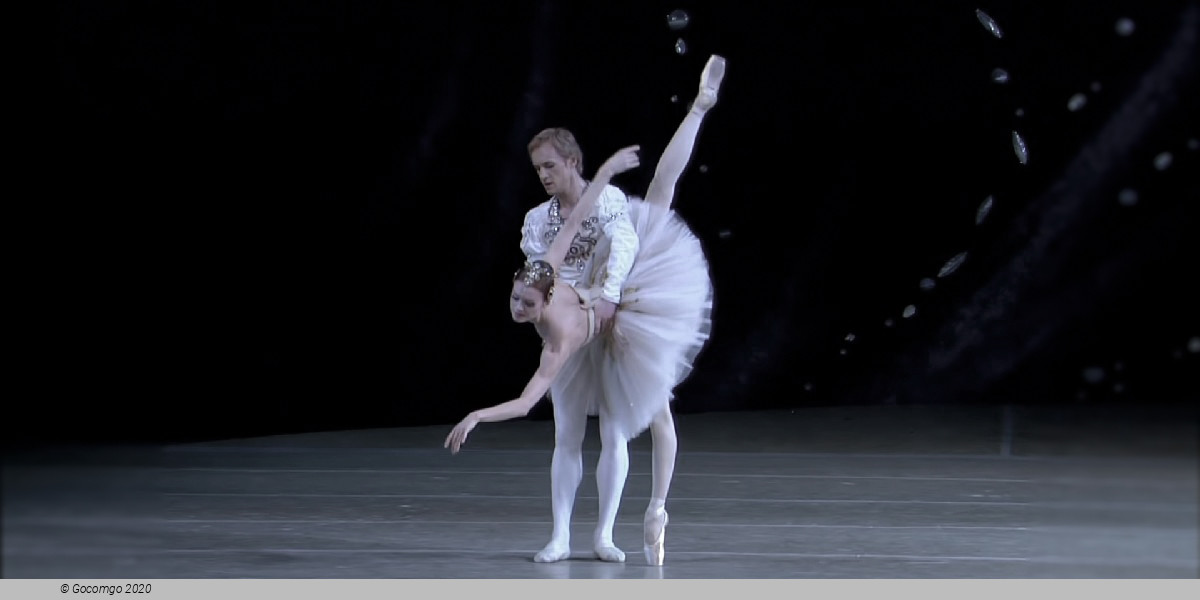
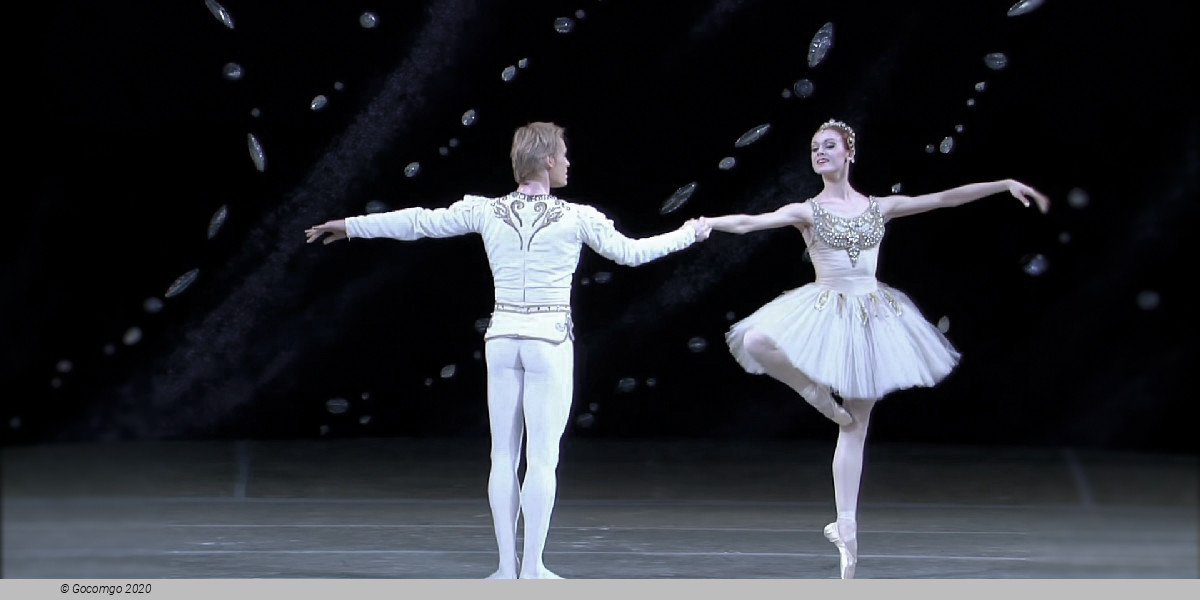
It was the window display of a legendary jeweler on New York's Fifth Avenue that inspired George Balanchine's 1967 ballet Jewels. The opulently decorated arrangements of the jewels – emeralds, rubies and diamonds – gave the three parts of his choreography their names: Emeralds, Rubies and Diamonds. Each of the three gems evoked associations, which Balanchine translated into a brilliant dance composition that has found its way into the repertoire worldwide.
 

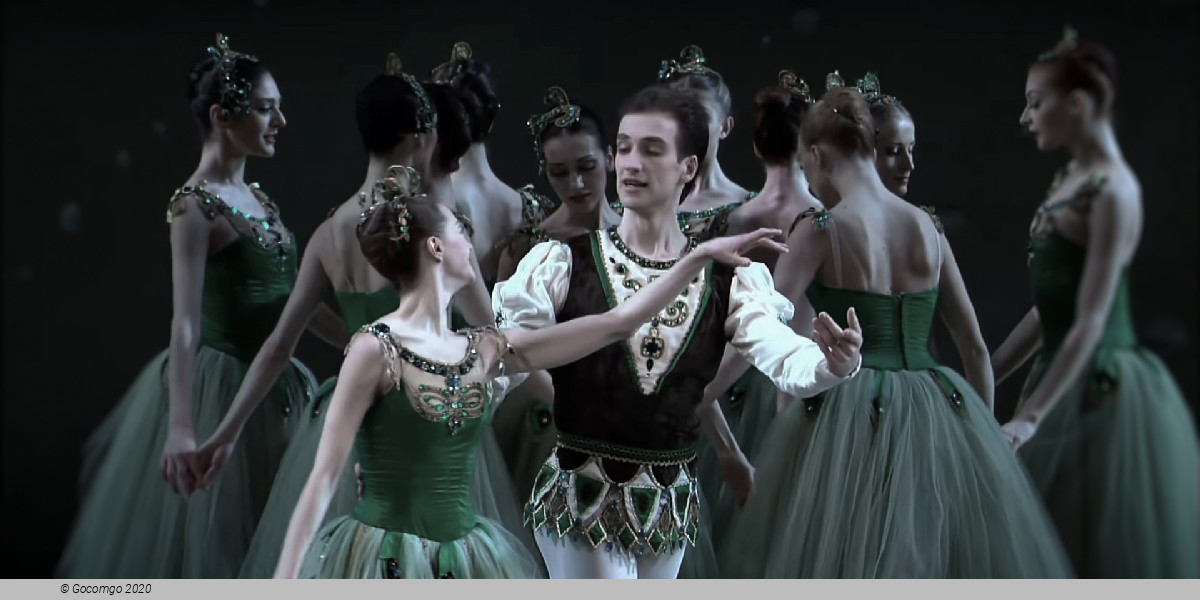
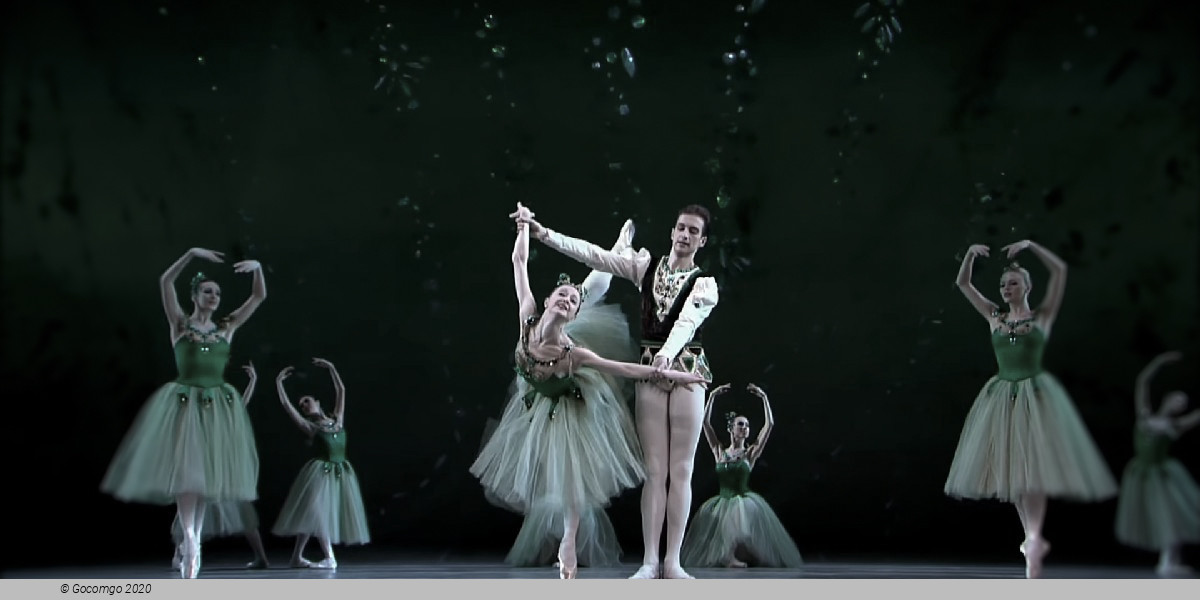
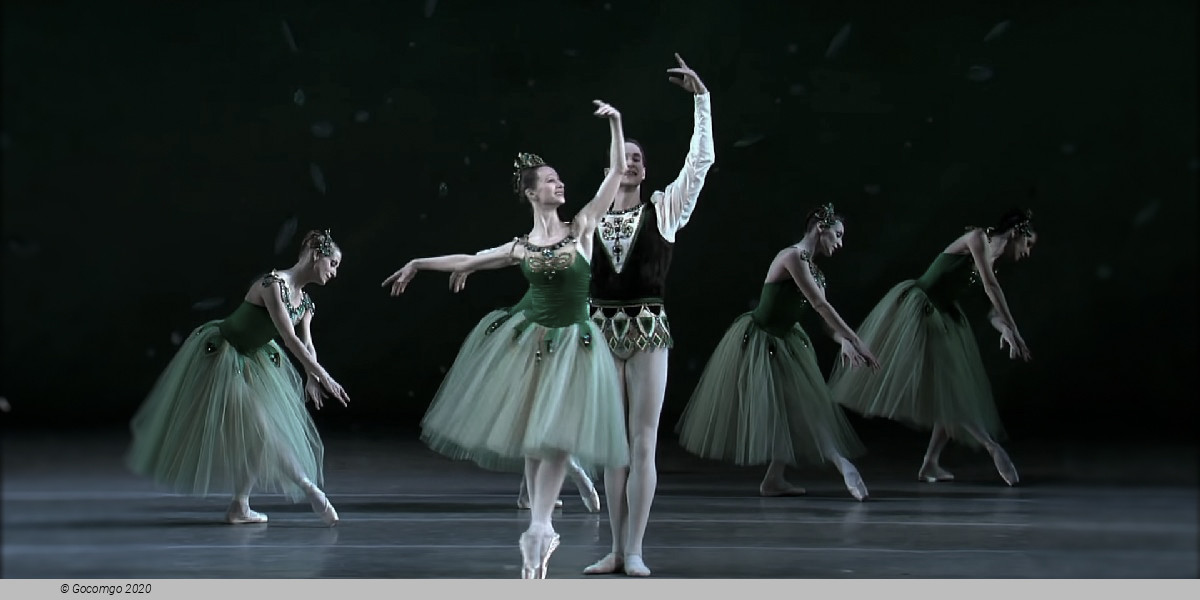
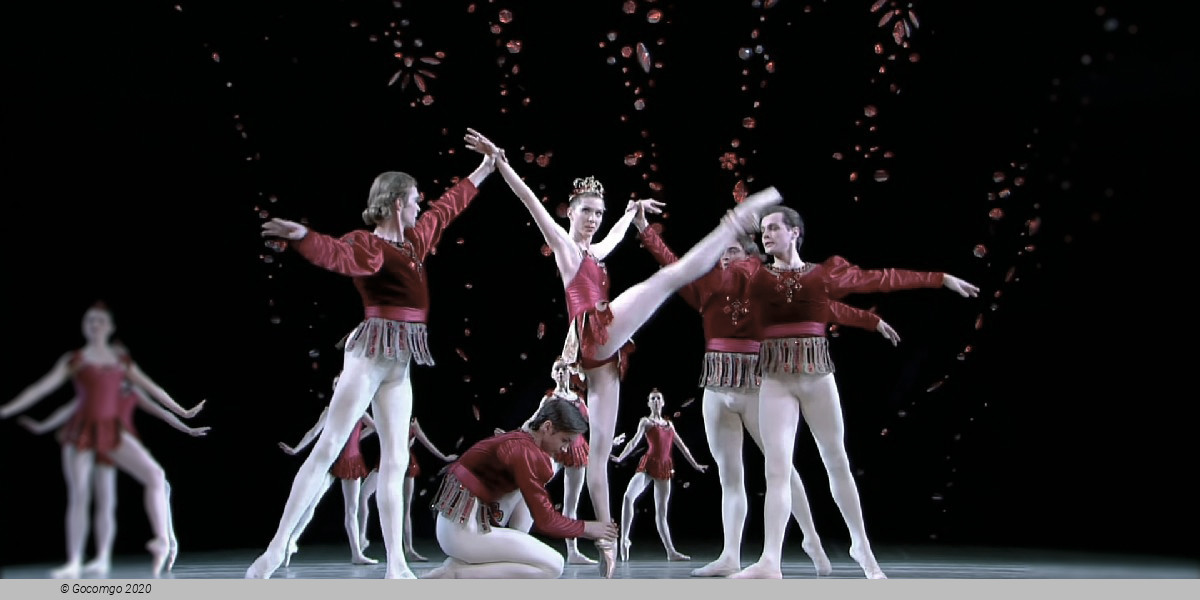
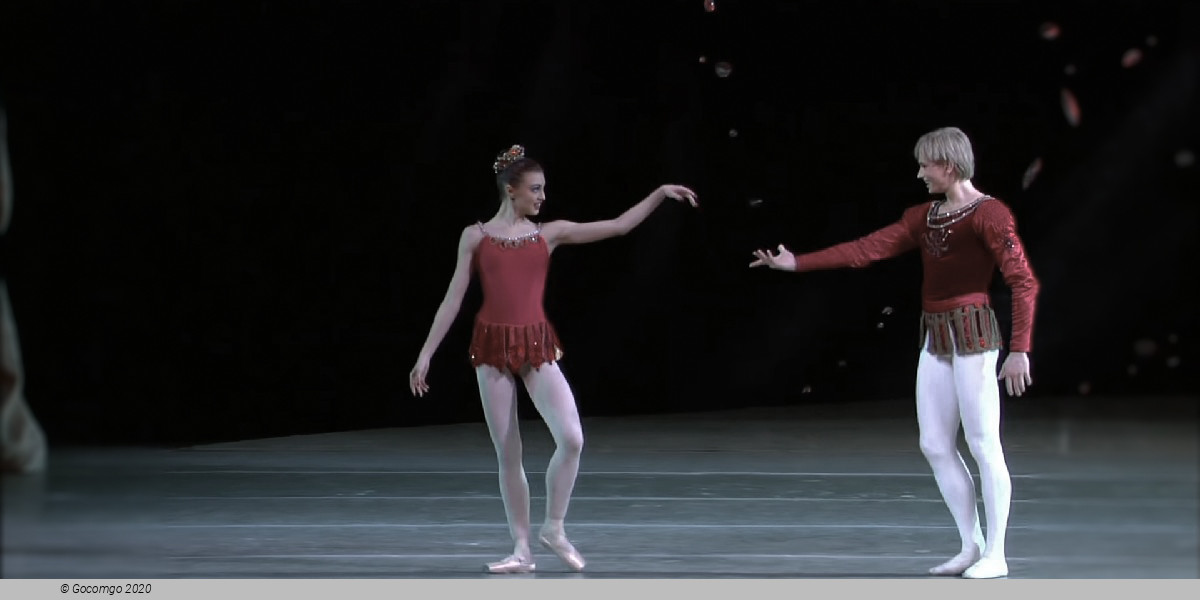
Emeralds is based on music by Gabriel Fauré, whose composition reminded Balanchine of an ethereal French dance style. Energetically, vital and athletically he interprets Rubies to a composition by Igor Stravinsky, while in Diamonds he unfolds the imperial brilliance of the Russian ballet tradition, from which he himself originated.
George Balanchine, with his purist dance style, has led ballet into the modern age and with his taste has become a style icon of neoclassical ballet. In his choreographies he plays with the virtuosity and skills of the dancers, the flair of the ballerina, the structure and mood of the music. Understatement and elegance are the trademarks of his choreographic handwriting.

First performed on 13 April 1967 in New York, Jewels represents the first full-length “abstract ballet” by George Balanchine. The three parts of the ballet, „Emeralds“ (to music by Gabriel Fauré), „Rubies“ (to music by Igor Stravinsky) and „Diamonds“ (to music by Peter Ilich Tchaikovsky) are loosely connected by the idea of gems or jewels; a meeting with the jeweller Claude Arpels was a significant stimulus to Balanchine to create the work. Through the choice of the different composers, the ballet also forms a kind of geographical retrospective of the life of George Balanchine, who spent periods of time in France, the United States and Russia. Manuel Legris’ time as director is also closely connected with the work: after „Rubies“ (2010/2011) and „Diamonds“ (Pas de deux, 2017/2018), the complete work now appears on the programme as his period of office in Vienna draws to a close.

Jewels is a three-act ballet created for the New York City Ballet by co-founder and founding choreographer George Balanchine. It premièred on Thursday, 13 April 1967 at the New York State Theater, with sets designed by Peter Harvey and lighting by Ronald Bates.

Jewels has been called the first full-length abstract ballet. It has three related movements: Emeralds, Rubies, and Diamonds (usually separated by intermissions). It can also be seen as three separate ballets, linked by their jewel-colored costumes. Balanchine commented: "The ballet had nothing to do with jewels. The dancers are just dressed like jewels." Each of the three acts features the music of a different composer: Emeralds is set to the music of Gabriel Fauré, Rubies to the music of Igor Stravinsky and Diamonds to music by Pyotr Ilyich Tchaikovsky.

Costumes

The costumes were created by Balanchine's long-time collaborator Barbara Karinska, who created a distinct look for each different act: romantic, calf-length tulle skirts for Emeralds, fabric that flared at the hips of both men and women in Rubies, and the flat, classical tutu of the Imperial Russian Ballet for Diamonds. The costumes were such finely crafted pieces of art in their own right that some of them have been exhibited in museums and in theatre lobbies. Even Claude Arpels of Van Cleef & Arpels, who suggested the idea of a ballet based on gems to the choreographer, was impressed with her attention to finding the finest trim that would accurately represent the true glitter of genuine gemstones. Additionally, Karinska's painstaking work is credited with making the costumes last despite the sweat and strain of dancing in them. Her designs, needlework and choice in fabrics made them both durable and danceable, illustrating that the bodies inside the costumes were deserving of her utmost respect. When questioned about her attention to her almost extravagant detail she replied, "I sew for girls and boys who make my costumes dance; their bodies deserve my clothes."

History
Premiere of this production: 13 April 1967, New York State Theater

Jewels is a three-act ballet created for the New York City Ballet by co-founder and founding choreographer George Balanchine. It premièred on Thursday, 13 April 1967 at the New York State Theater, with sets designed by Peter Harvey and lighting by Ronald Bates.

Venue Info

Deutsche Oper Berlin - Berlin
Location   Bismarckstraße 35

Venue's Capacity: 1698

The Deutsche Oper Berlin is an opera company located in the Charlottenburg district of Berlin, Germany. The resident building is the country's second-largest opera house and also home to the Berlin State Ballet. Since 2004 the Deutsche Oper Berlin, like the Staatsoper Unter den Linden (Berlin State Opera), the Komische Oper Berlin, the Berlin State Ballet, and the Bühnenservice Berlin (Stage and Costume Design), has been a member of the Berlin Opera Foundation.

The company's history goes back to the Deutsches Opernhaus built by the then independent city of Charlottenburg—the "richest town of Prussia"—according to plans designed by Heinrich Seeling from 1911. It opened on November 7, 1912 with a performance of Beethoven's Fidelio, conducted by Ignatz Waghalter. In 1925, after the incorporation of Charlottenburg by the 1920 Greater Berlin Act, the name of the resident building was changed to Städtische Oper (Municipal Opera).

With the Nazi seizure of power in 1933, the opera was under control of the Reich Ministry of Public Enlightenment and Propaganda. Minister Joseph Goebbels had the name changed back to Deutsches Opernhaus, competing with the Berlin State Opera in Mitte controlled by his rival, the Prussian minister-president Hermann Göring. In 1935, the building was remodeled by Paul Baumgarten and the seating reduced from 2300 to 2098. Carl Ebert, the pre-World War II general manager, chose to emigrate from Germany rather than endorse the Nazi view of music, and went on to co-found the Glyndebourne opera festival in England. He was replaced by Max von Schillings, who acceded to enact works of "unalloyed German character". Several artists, like the conductor Fritz Stiedry and the singer Alexander Kipnis, followed Ebert into emigration. The opera house was destroyed by a RAF air raid on 23 November 1943. Performances continued at the Admiralspalast in Mitte until 1945. Ebert returned as general manager after the war.

After the war, in what was now West Berlin, the company, again called Städtische Oper, used the nearby Theater des Westens; its opening production was Fidelio, on 4 September 1945. Its home was finally rebuilt in 1961 but to a much-changed, sober design by Fritz Bornemann. The opening production of the newly named Deutsche Oper, on 24 September, was Mozart's Don Giovanni.

Past Generalmusikdirektoren (GMD, general music directors) have included Bruno Walter, Kurt Adler, Ferenc Fricsay, Lorin Maazel, Gerd Albrecht, Jesús López-Cobos, and Christian Thielemann. In October 2005, the Italian conductor Renato Palumbo was appointed GMD as of the 2006/2007 season. In October 2007, the Deutsche Oper announced the appointment of Donald Runnicles as their next Generalmusikdirektor, effective August 2009, for an initial contract of five years. Simultaneously, Palumbo and the Deutsche Oper mutually agreed to terminate his contract, effective November 2007.

On the evening of 2 June 1967, Benno Ohnesorg, a student taking part in the German student movement, was shot in the streets around the opera house. He had been protesting against the visit to Germany by the Shah of Iran, who was attending a performance of Mozart's The Magic Flute.

In 1986 the American Berlin Opera Foundation was founded.

In April 2001, the Italian conductor Giuseppe Sinopoli died at the podium while conducting Verdi's Aida, at age 54.

In September 2006, the Deutsche Oper's Intendantin (general manager) Kirsten Harms drew criticism after she cancelled the production of Mozart's opera Idomeneo by Hans Neuenfels, because of fears that a scene in it featuring the severed heads of Jesus, Buddha and Muhammad would offend Muslims, and that the opera house's security might come under threat if violent protests took place. Critics of the decision include German Ministers and the German Chancellor Angela Merkel. The reaction from Muslims has been mixed — the leader of Germany's Islamic Council welcomed the decision, whilst a leader of Germany's Turkish community, criticising the decision, said:

This is about art, not about politics ... We should not make art dependent on religion — then we are back in the Middle Ages.

At the end of October 2006, the opera house announced that performances of Mozart's opera Idomeneo would then proceed. Kirsten Harms, after announcing in 2009 that she would not renew her contract beyond 2011, was bid farewell in July of that year.

Important Info
Type: Ballet
City: Berlin, Germany
Starts at: 19:30
Acts: 3
Intervals: 2
Duration: 2h 20min
Top of page