Classical, contemporary, and comedic converge in works from NYCB’s founding choreographers.
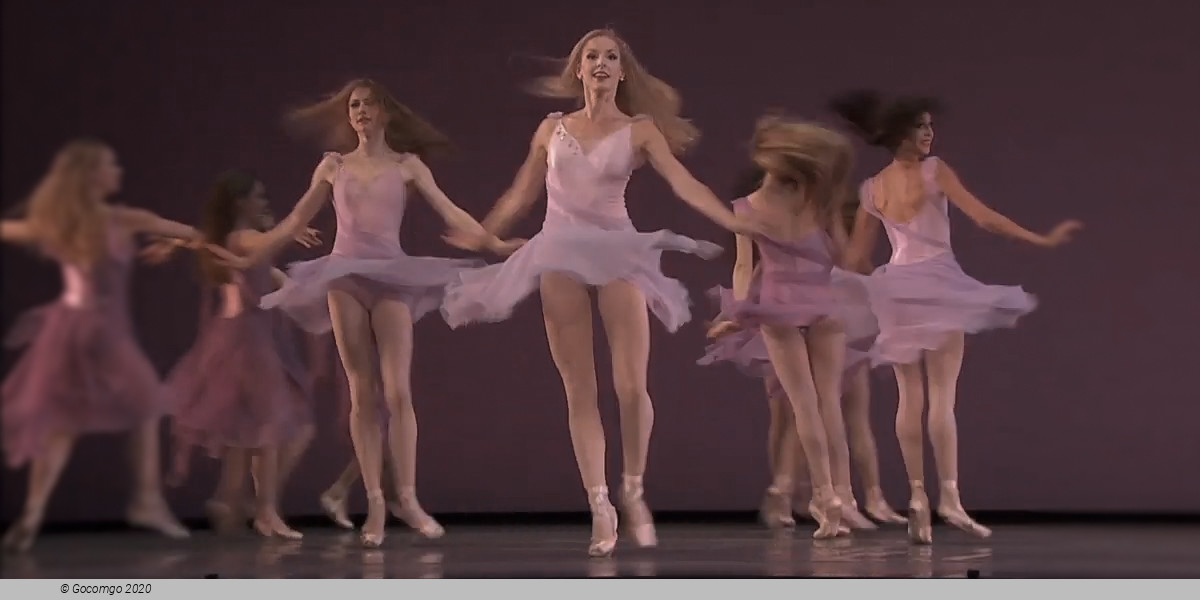
The ballets gathered here typify a rich variety of styles and tones from the Company’s founding choreographers. Balanchine is represented by the lushly romantic Walpurgisnacht Ballet, with its explosive sense of unfettered emotion expressed through classical steps; The Unanswered Question, an evocative and distinctive dance set to music from the American modernist Charles Ives, in which the lone ballerina is held aloft throughout the ballet; and Slaughter on Tenth Avenue, originally created for the Rodgers & Hart musical comedy On Your Toes. Jerome Robbins’ minimalist Moves is a still-radical dance performed without musical accompaniment.
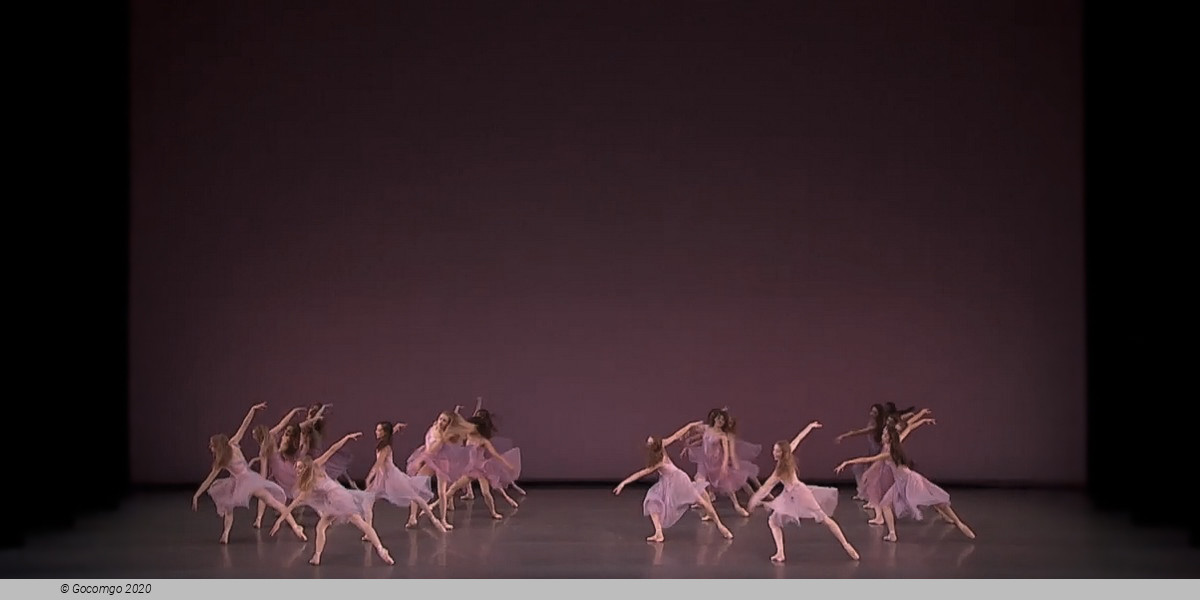
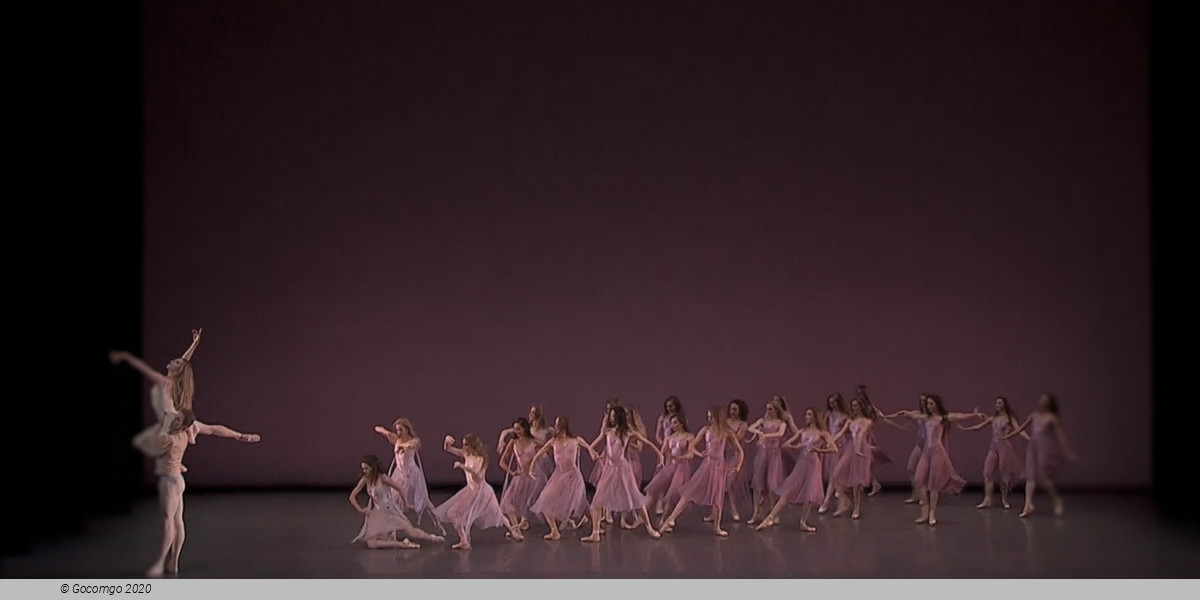
Balanchine once famously said "ballet is woman," and in Walpurgisnacht Ballet he sends 24 women soaring across the stage with wild abandon.
In 1925, Balanchine choreographed dances for a production of Gounod’s Faust given by the Opéra de Monte-Carlo; they were danced by Diaghilev’s Ballets Russes. He made dances for other productions of the opera in 1935, when he was ballet master for the Metropolitan Opera, and in 1945 for the Opera Nacional, Mexico City. Walpurgisnacht Ballet was choreographed for a 1975 production of Faust by the Théâtre National de l’Opéra, danced by the Paris Opéra Ballet. The New York City Ballet premiere was the first presentation of the choreography as an independent work.
The Walpurgisnacht scene occurs at the beginning of the opera’s last act, when Mephistopheles brings Faust to watch the traditional celebration on the eve of May Day when the souls of the dead are released to wander at will. Although the ballet does not depict Walpurgisnacht per se, it does build on a sense of joyful revelry.
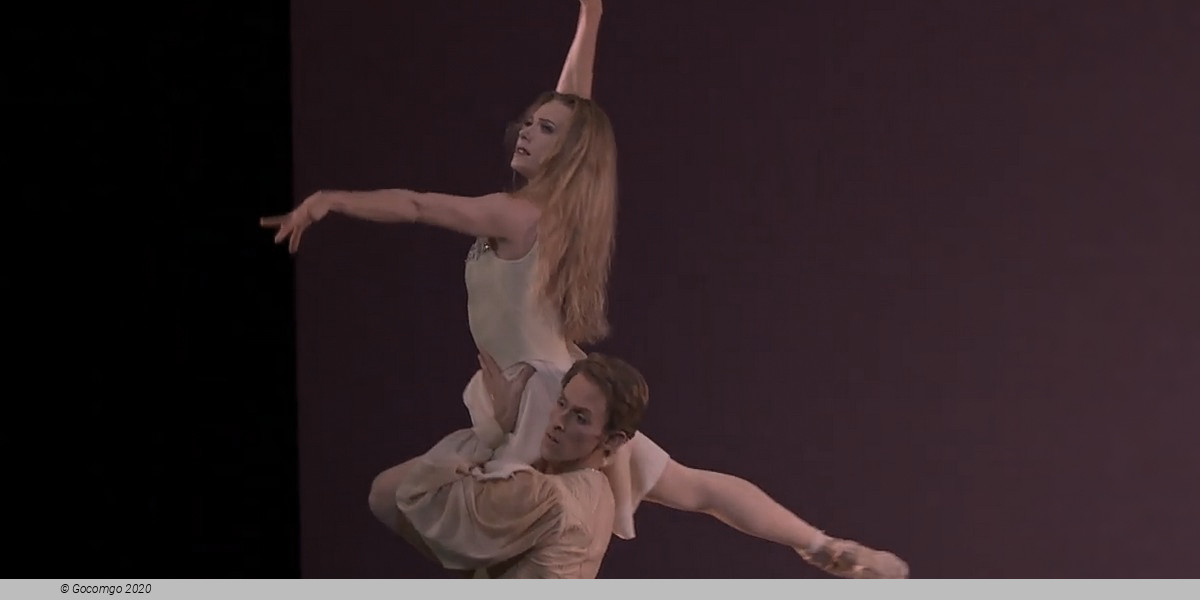
A hypnotically alluring piece that captures the haunting, otherworldly music of Charles Ives, The Unanswered Question features a lone ballerina who is held aloft throughout the distinctive dance of subtle mystery.
“The Unanswered Question” is the second section of Balanchine’s Ivesiana, which he choreographed to a series of unrelated Charles Ives orchestral pieces shortly after the composer’s death in 1954. The complex music of this Connecticut-born artist, incorporating extensive use of atonality, clashing meters and quarter-tones, had rarely been performed prior to its use in Ivesiana.
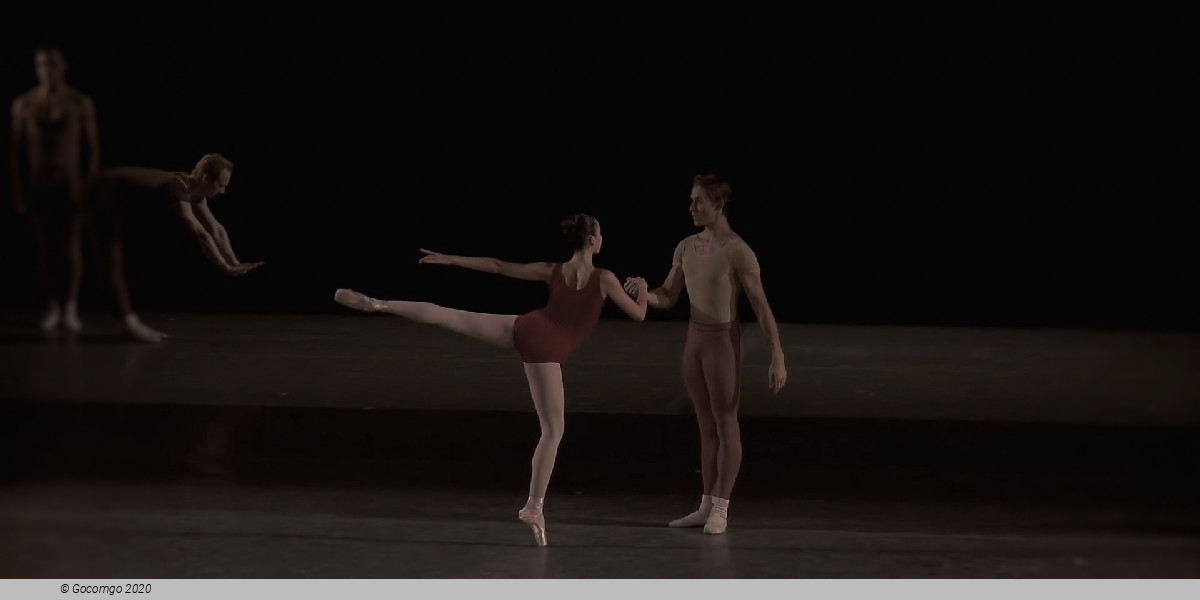
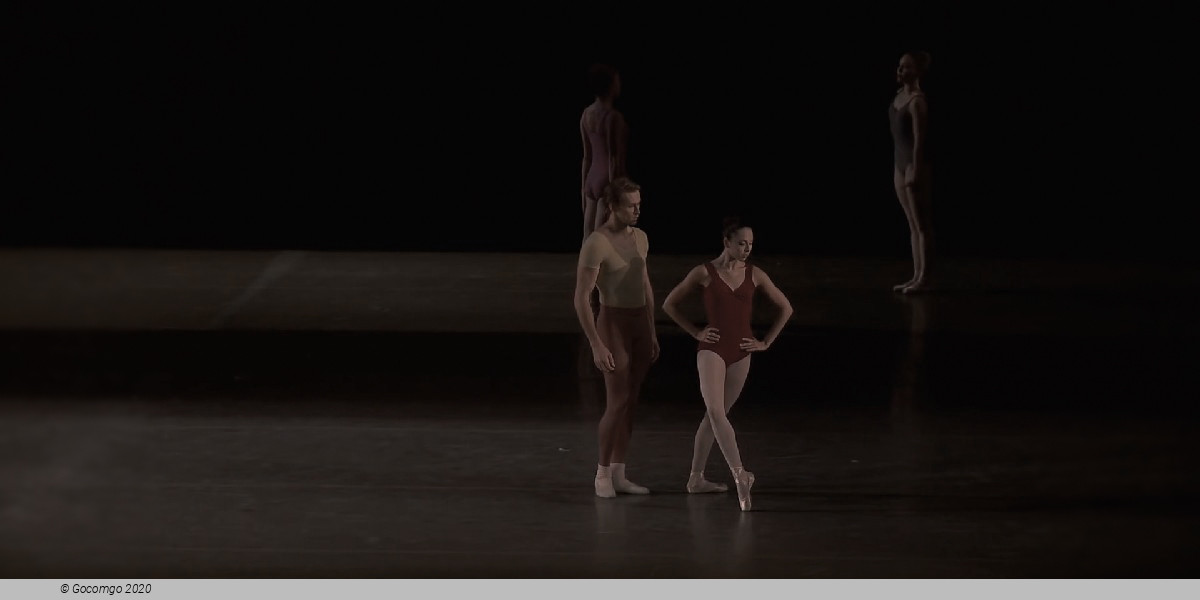
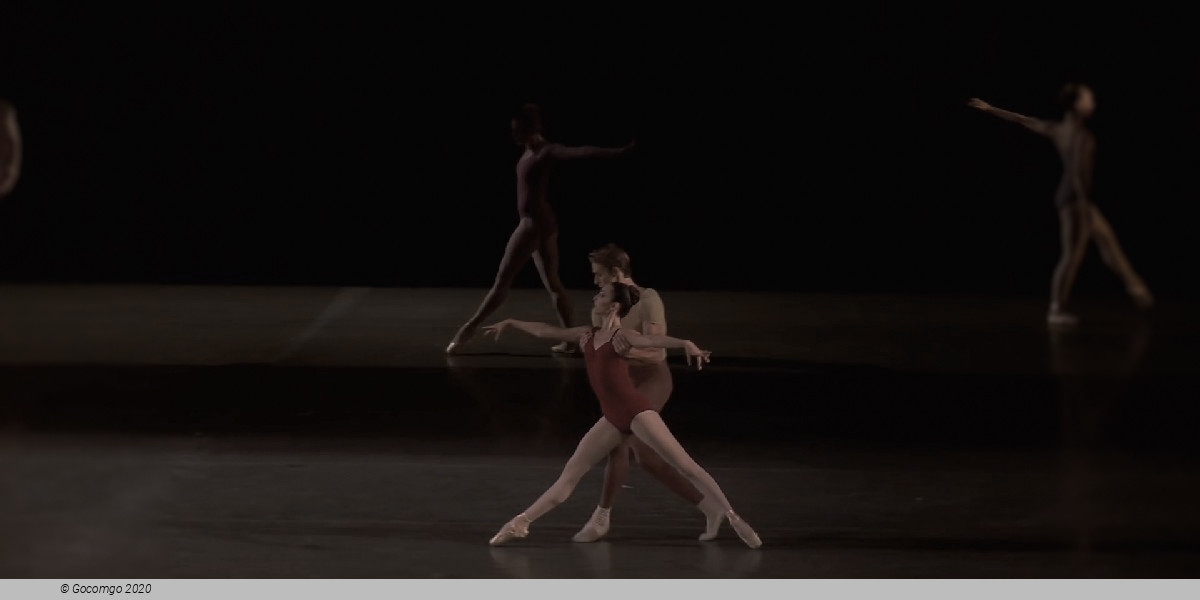
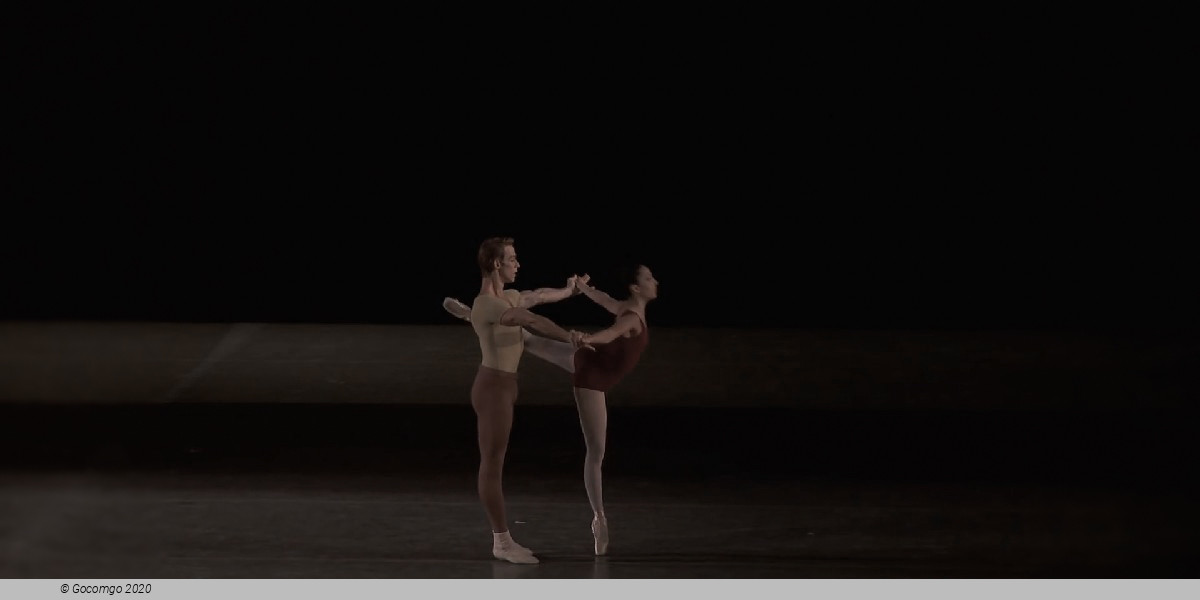
Forgoing elaborate costumes, set design, and even musical accompaniment, Moves enthralls with the unexpected intensity derived from sounds produced by the dancers themselves.
Whether a ballet tells a story or concerns itself with pure dance, its form is determined by the web of music on which it is composed according to the interpretations of the choreographer. The score conditions, supports, predicts, and establishes the dynamics, tempos, and mood, not only for the dancers, but also for the audience. The music acts as a base for the spectators’ responses to the happenings on stage and creates a pervasive atmosphere for reaction. Moves severs that guidance and permits the audience to respond solely to the action of the dance, to become aware of the potential to gesture, to respond directly to the curiosity of movement, and to be released from the associations evoked by scenery, costumes, and music.
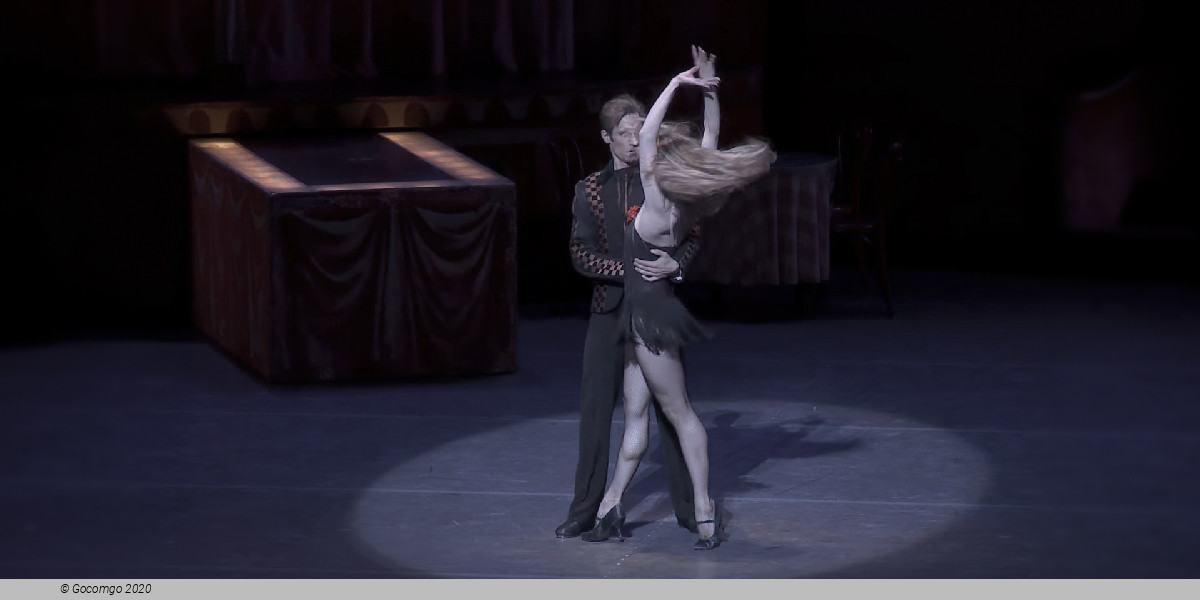
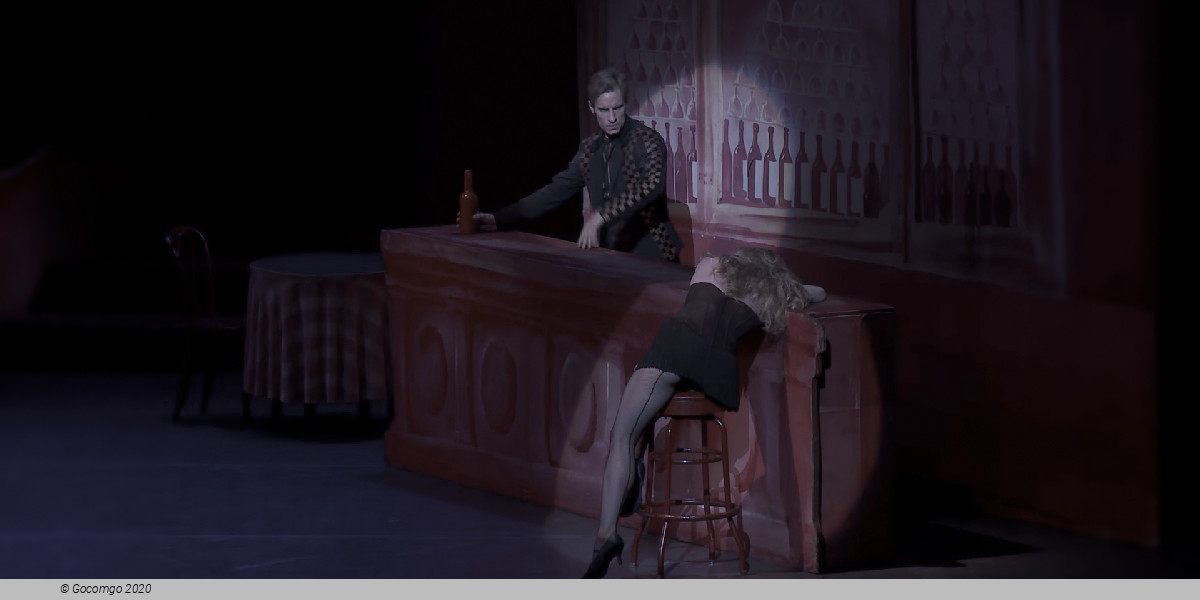
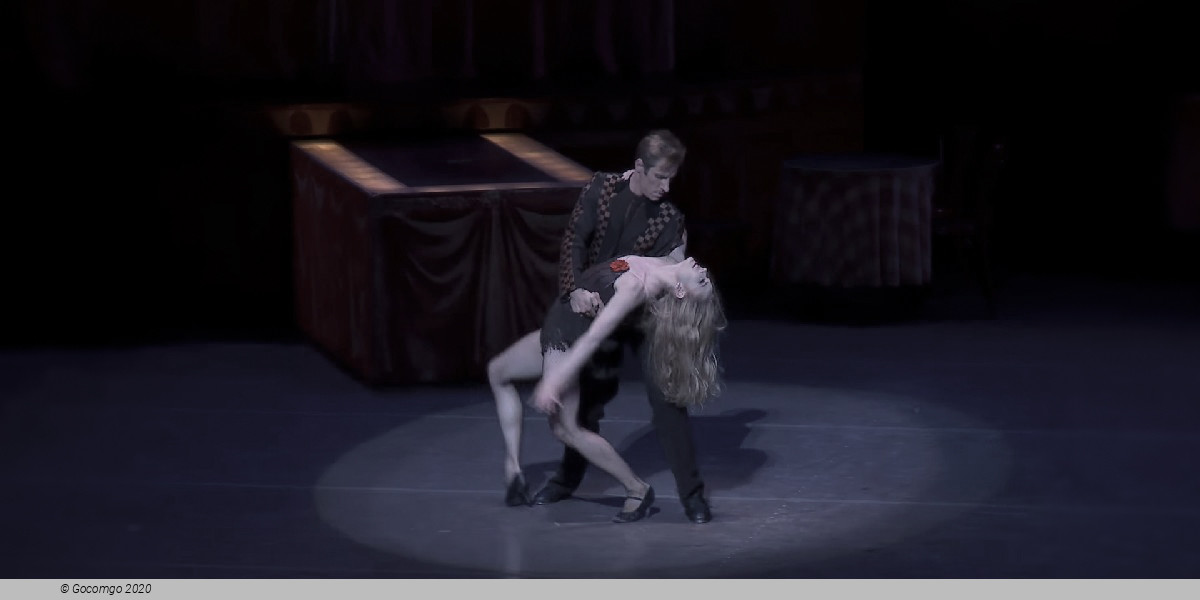
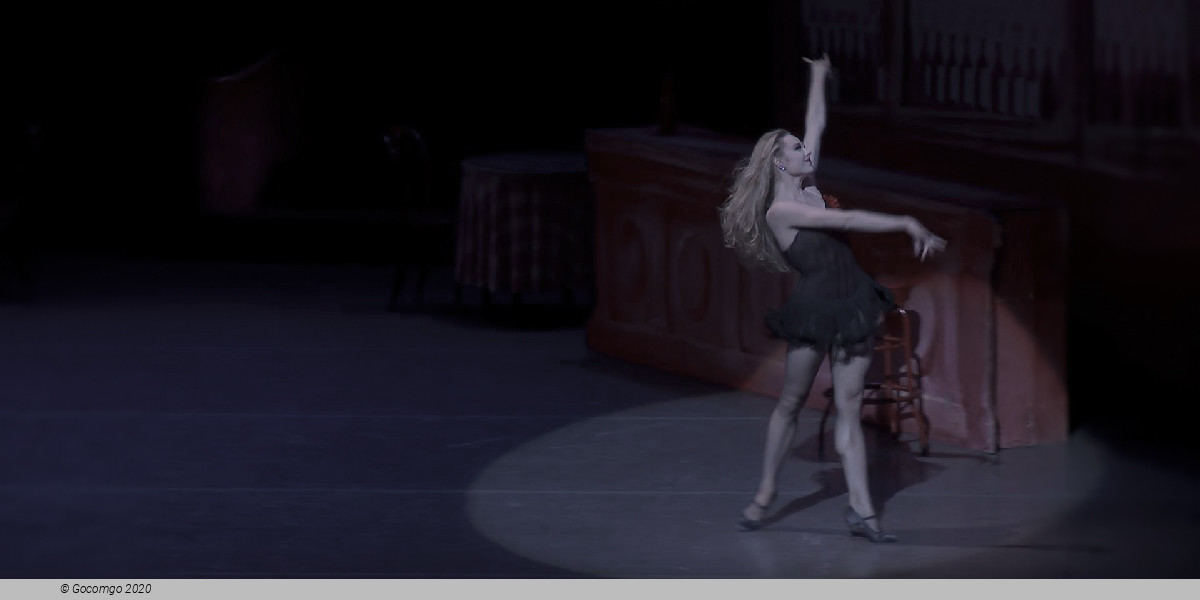
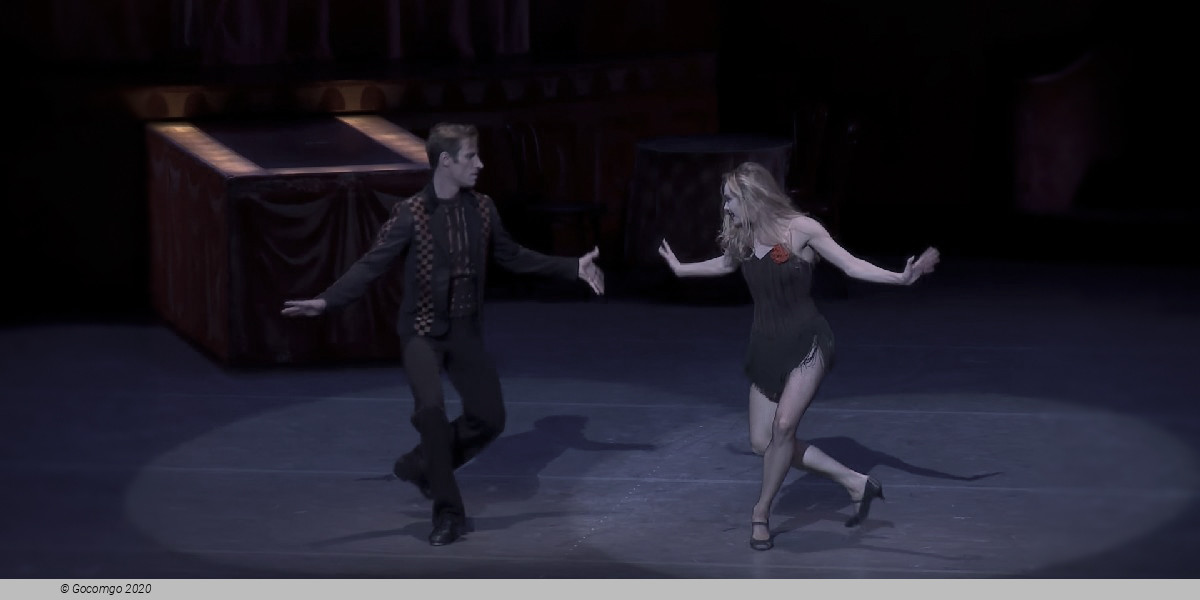
An audience favorite with showbiz glam, Slaughter on Tenth Avenue is a vampy ballet about a jealous Russian premier danseur and his hoofing American rival.
The original Slaughter on Tenth Avenue was created for the 1936 Rodgers and Hart musical On Your Toes, and featured Ray Bolger as "The Hoofer" and Tamara Geva as "The Stripper." The first full-scale ballet within a musical, and the first to advance the action of the show, it also introduced the word "choreography" to Broadway, at Balanchine's request. On Your Toes was also the first of four Rodgers and Hart musicals choreographed by Balanchine during the 1930s, the others being Babes in Arms, I Married an Angel, and The Boys from Syracuse.
A story-within-a-story, it tells the tale of a jealous premier danseur, who hires a thug to kill a rival during the premiere of a new ballet. The ballet — Slaughter on Tenth Avenue — concerns the seedy denizens who patronize a strip joint near the New York waterfront where brawls frequently occur. Within the context of this shabby setting, a Hoofer falls in love with a Stripper and is discovered with her after closing time by the club's owner, the Big Boss, who accidentally shoots her. The "corpse" of the Stripper manages to pass a note to the Hoofer warning him of the real murder plot, and once aware that the thug, who is sitting in one of the theater's boxes, is planning to shoot him when he stops dancing, the Hoofer keeps repeating his closing phrase until the police arrive.





 20 Lincoln Center Plaza