Four unique, enchanting tales told in dance
Narrative dances are the focus of this program, which features three works from Balanchine: the early Prodigal Son, based on the Biblical tale of forgiveness and redemption; the whimsical storybook pas de deux The Steadfast Tin Soldier; and the solo Pavane, imbued with a subtle sense of loss. Returning to the repertory is Christopher Wheeldon’s joyful 2003 ballet Carnival of the Animals, a family-friendly dance featuring fanciful costumes and settings by Jon Morrell, inspired by the tale of a boy whose imagination turns all his companions into animals, with a text written by the actor John Lithgow.
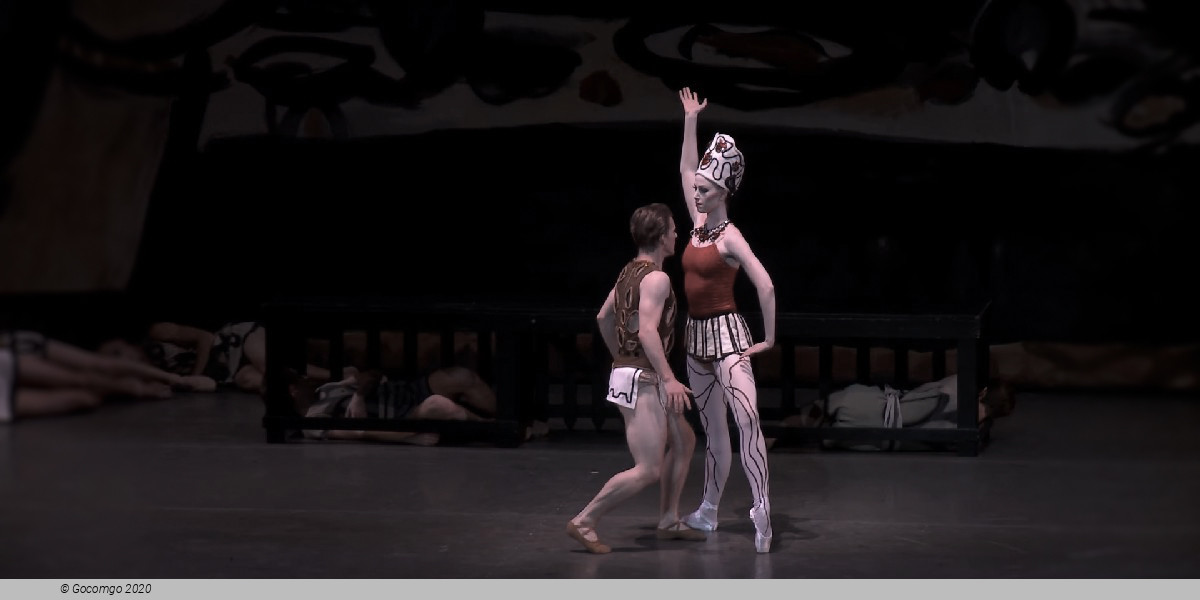
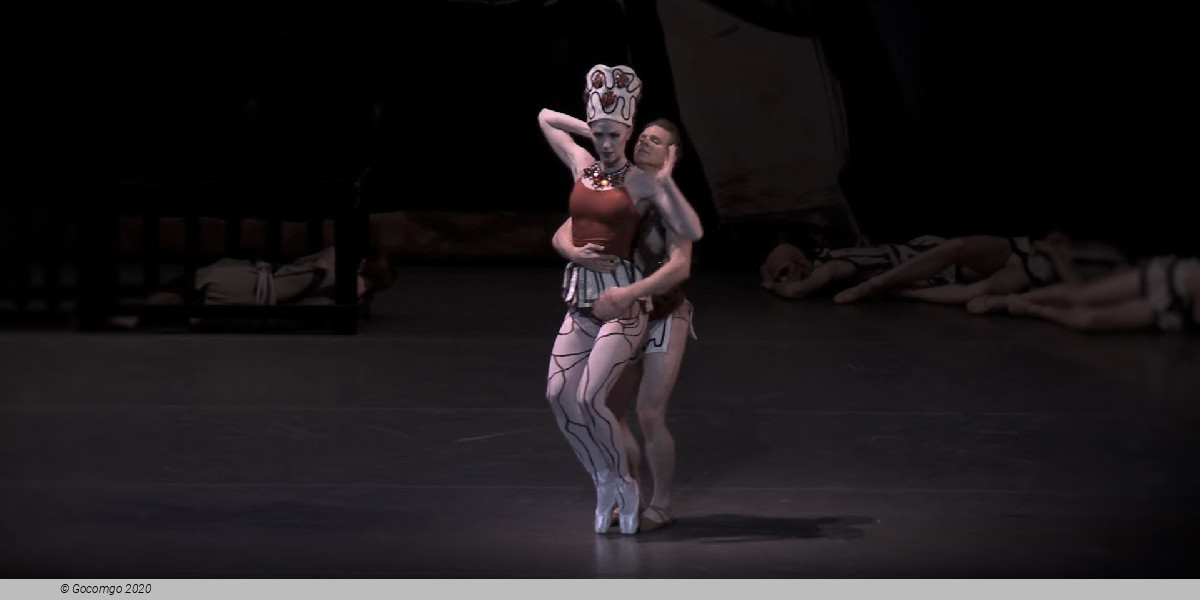
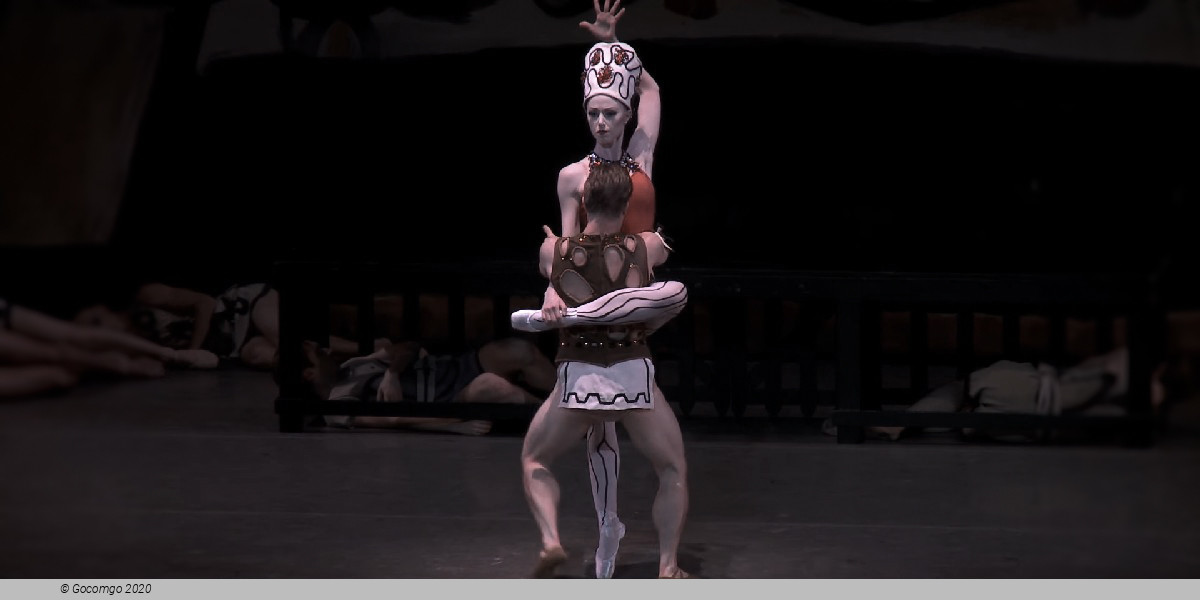
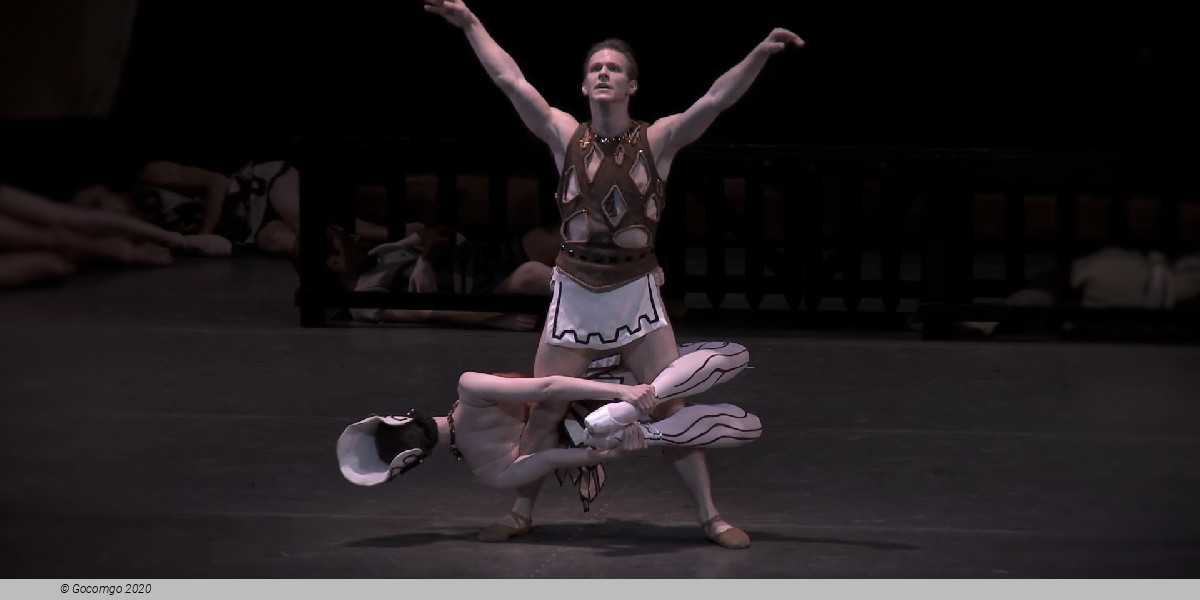
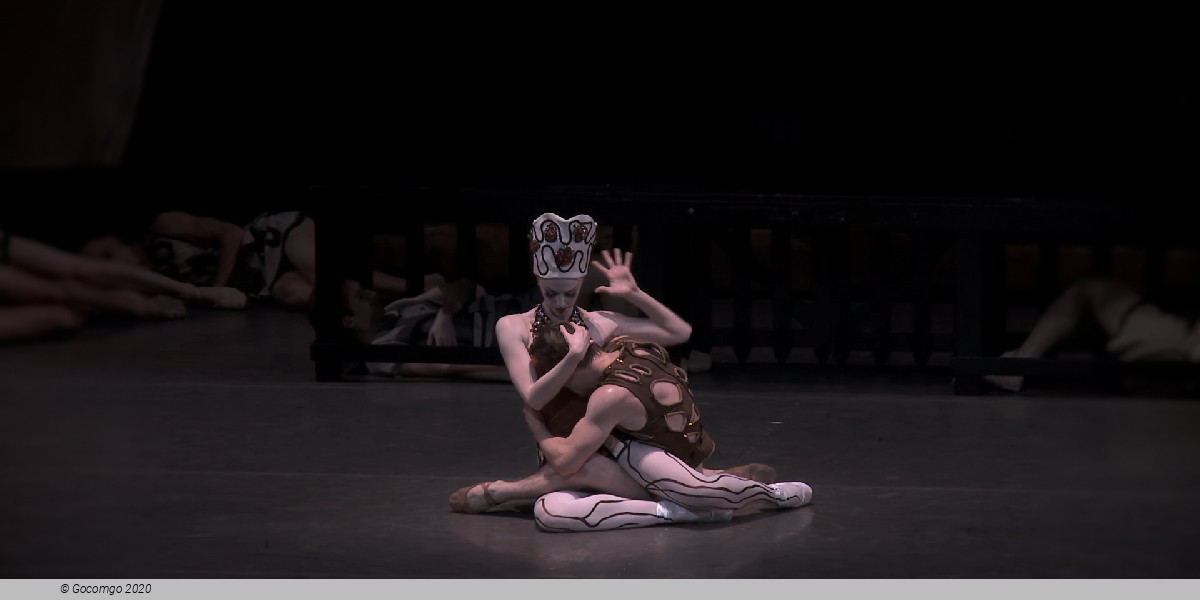
The ultimate story of sin and redemption, Prodigal Son's powerful message, expressive score, and dramatic movement make it eternally impactful.
Serge Diaghilev, who founded Ballets Russes in 1911, was a ballet and opera impresario who brought together the best of new music, dance, and visual art in his productions. George Balanchine was hired by Diaghilev in 1924 and created several ballets before the company disbanded in 1929, after Diaghilev's sudden death.
Prodigal Son was the last of Balanchine's works for Ballets Russes; it premiered in 1929, opening what was to be the company's final Paris season. Diaghilev commissioned Sergei Prokofiev to write the score and Georges Rouault to design the Fauvist sets and costumes. The ballet's story comes from the biblical parable, but Boris Kochno added much dramatic material and, to emphasize the themes of sin and redemption, ended the story with the Prodigal's return home.
Prodigal Son was enthusiastically received by both audience and critics and was one of Balanchine's first ballets to achieve an international reputation. Its eternal themes, expressive score, and abstract but thoroughly dramatic movement make it as modern, exciting, and powerful today as it was in 1929.
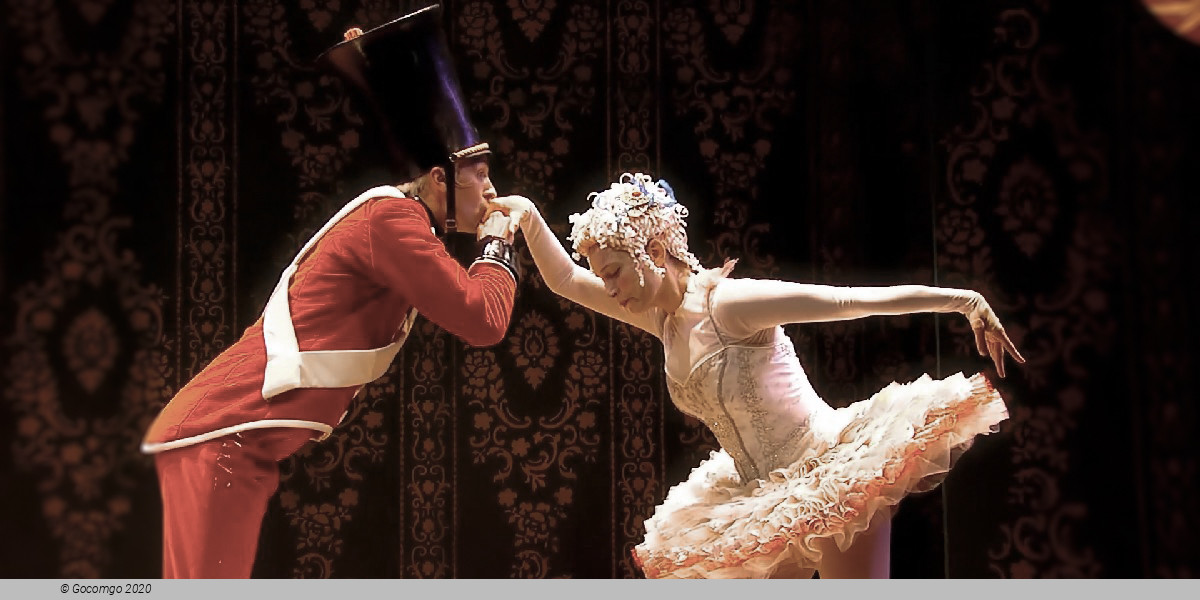
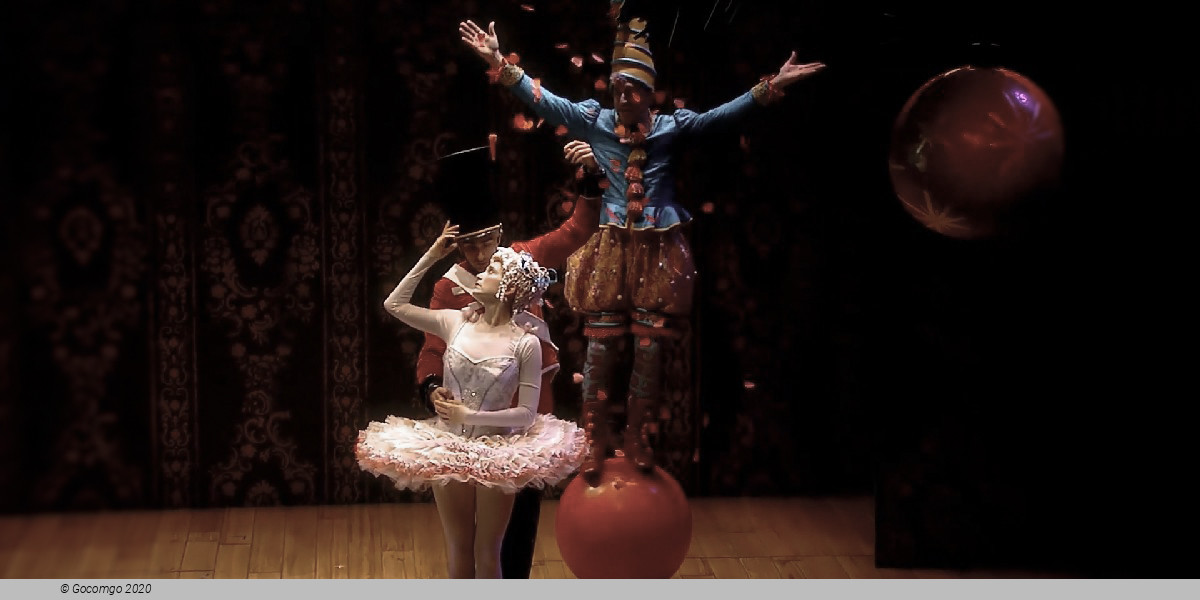
Based on Hans Christian Andersen's charming fairytale, The Steadfast Tin Soldier finds bittersweet romance between a paper doll ballerina and a smitten toy soldier.
The Steadfast Tin Soldier, based loosely on a Hans Christian Andersen fairy tale, focuses on the wistful courtship and love between a tin soldier and a paper-doll ballerina. The work was commissioned by the Saratoga Performing Arts Center.
The present pas de deux stems from a 1955 collaboration in which Balanchine, Francisco Moncion, and Barbara Milberg choreographed all of Bizet's Jeux d'Enfants. Both the context and the woman's variation of The Steadfast Tin Soldier were derived from this earlier work. The soldier's variation was restaged for the new pas de deux.
Pavane
Echoing its music, this ballet is a lament choreographed for a solo female dancer who carries with her a length of chiffon throughout the performance.
With delightful narration written by John Lithgow, Carnival of the Animals imagines a schoolboy’s night in the Museum of Natural History and the outlandish museum residents who come to life as versions of his teachers, classmates, and family members.
Created for New York City Ballet in 2003, Christopher Wheeldon’s Carnival of the Animals is set to Camille Saint-Saëns' humorous musical suite of 14 movements that the composer created for a private performance in 1886. Wheeldon’s ballet features a cast of nearly 50 dancers and tells the story of a young boy, Oliver Pendleton Percy the Third, who falls asleep in New York’s American Museum of Natural History, and dreams that the people in his life — family members, teachers, classmates — have all been transformed into animals. The production features a text written by the award-winning actor John Lithgow, who performed the narration in the original NYCB production. For the 2013 revival of Carnival of the Animals, the narration was performed by the stage and screen actor Jack Noseworthy.









 20 Lincoln Center Plaza