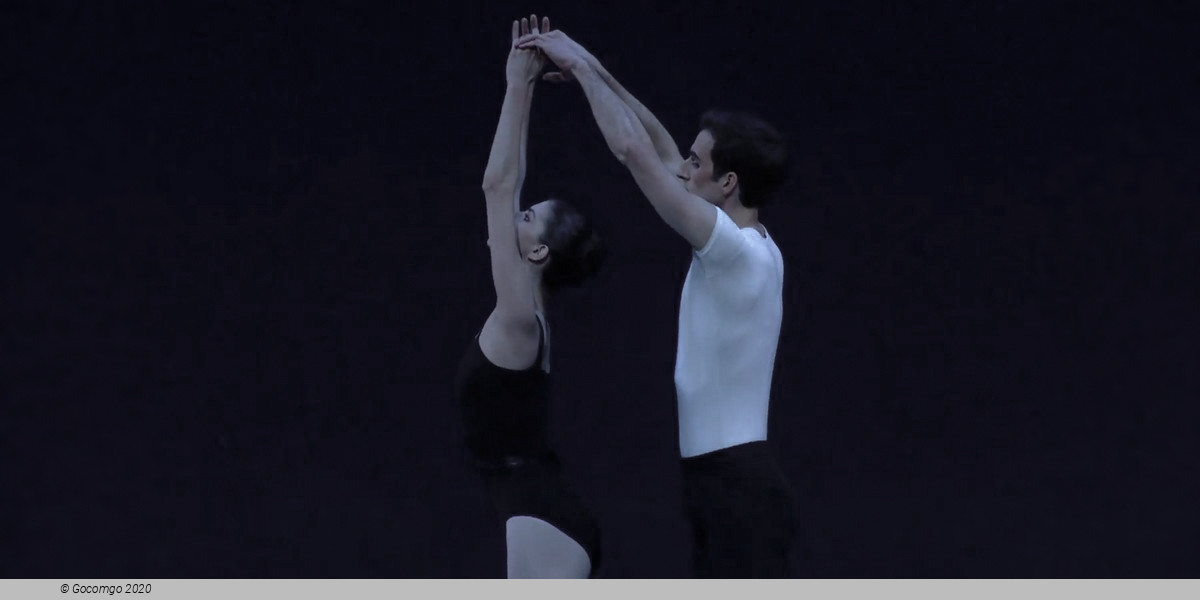
New York City Ballet (David H. Koch Theater) 9 May 2020 - Masters at work: Balanchine & Robbins | GoComGo.com

Masters at work: Balanchine & Robbins

New York City Ballet (David H. Koch Theater), New York, USA
All photos (11)
Select date and time
8 PM
Request for Tickets
Important Info
Type: Ballet
City: New York, USA
Starts at: 20:00
Duration: 12min

E-tickets: Print at home or at the box office of the event if so specified. You will find more information in your booking confirmation email.

You can only select the category, and not the exact seats.
If you order 2 or 3 tickets: your seats will be next to each other.
If you order 4 or more tickets: your seats will be next to each other, or, if this is not possible, we will provide a combination of groups of seats (at least in pairs, for example 2+2 or 2+3).

Overview

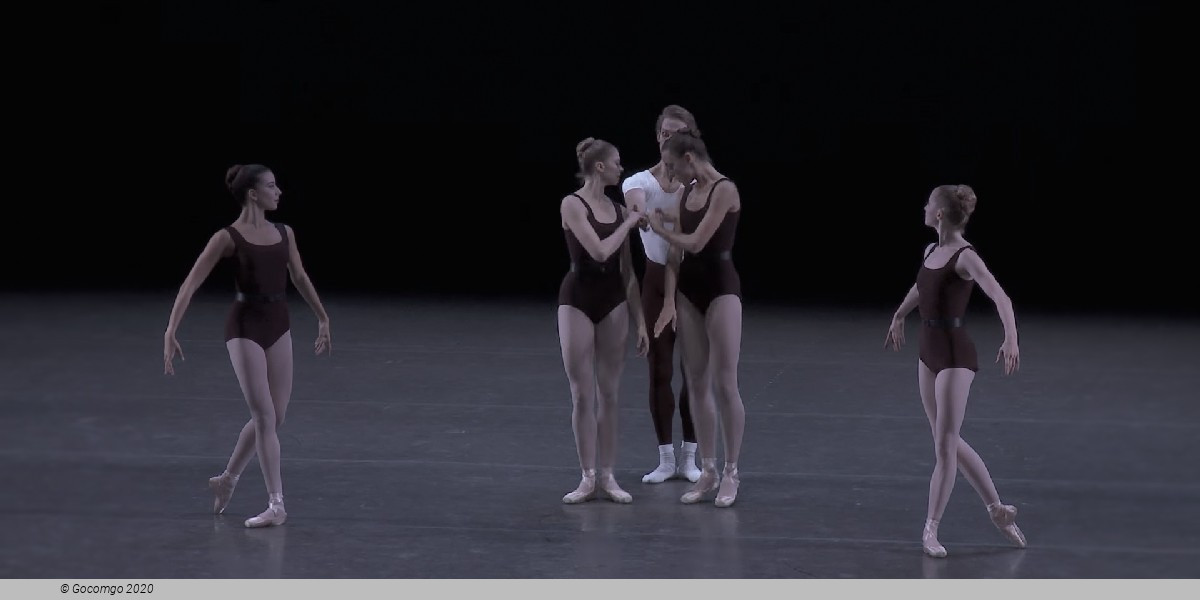
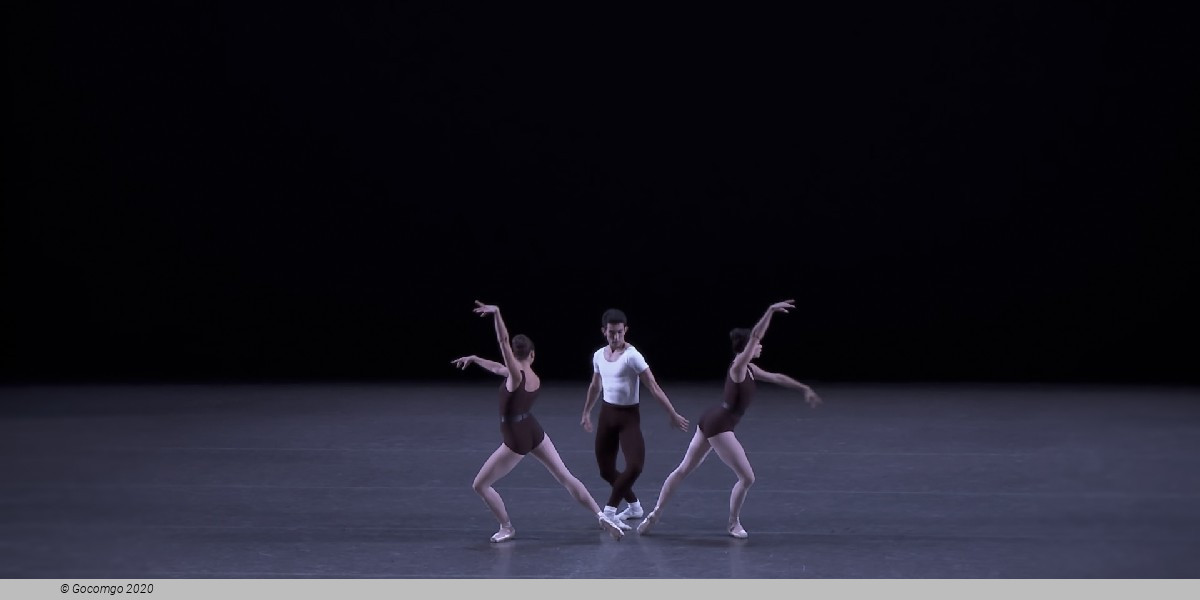
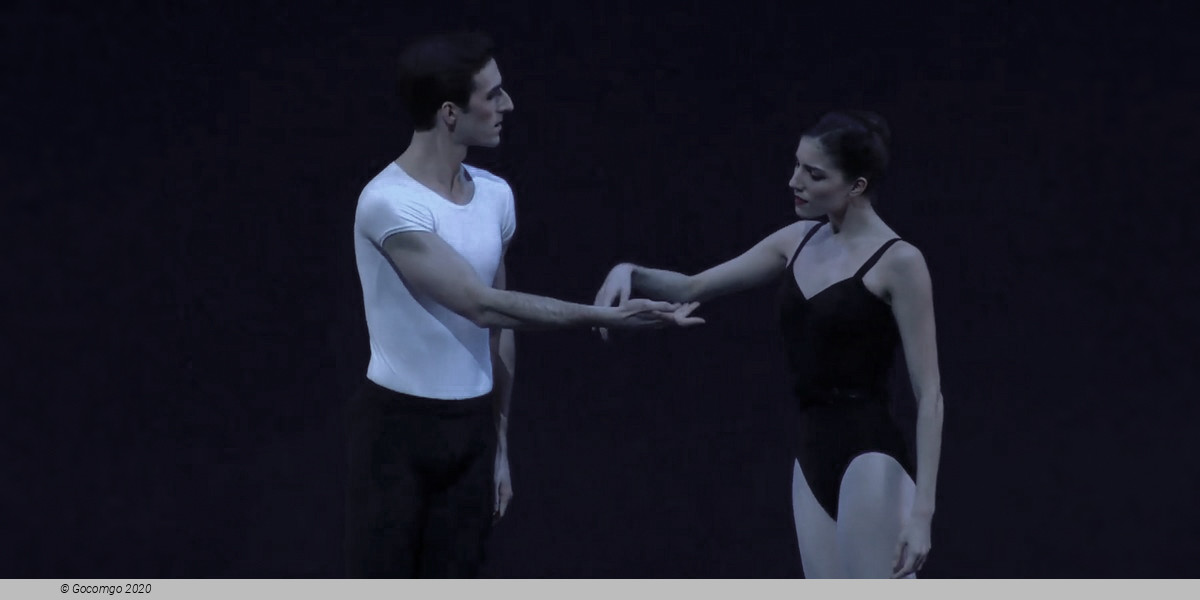
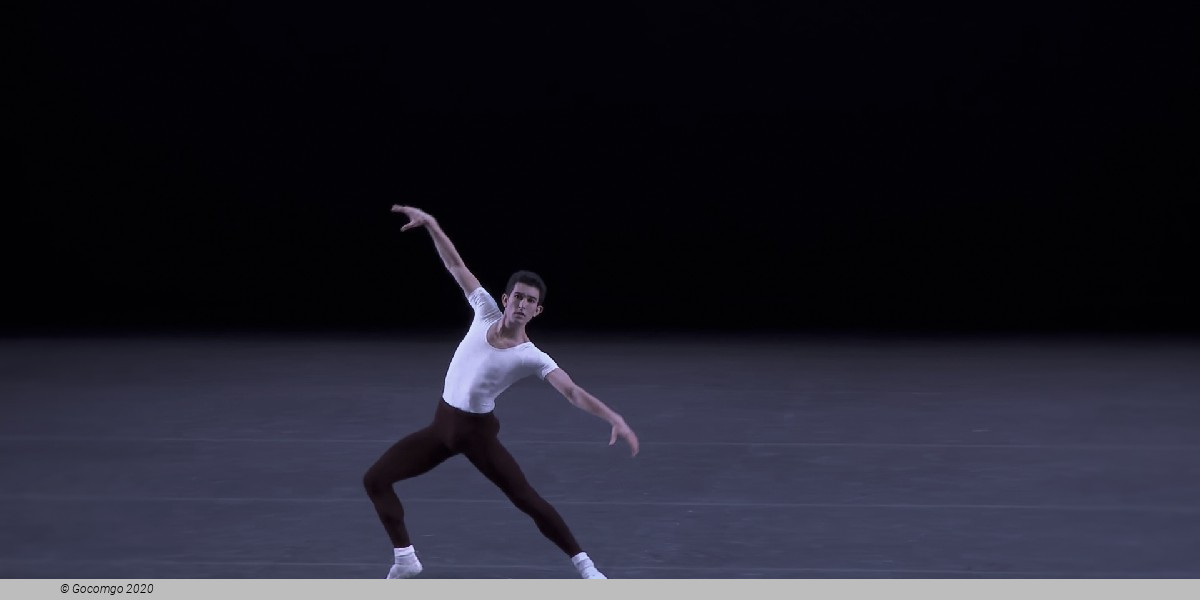
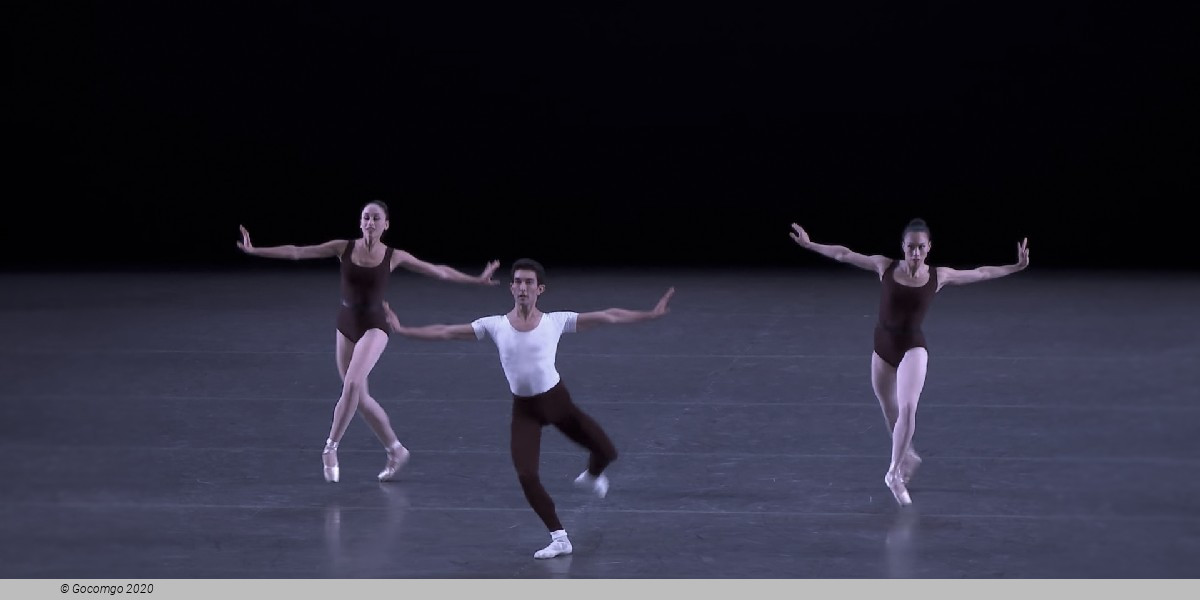
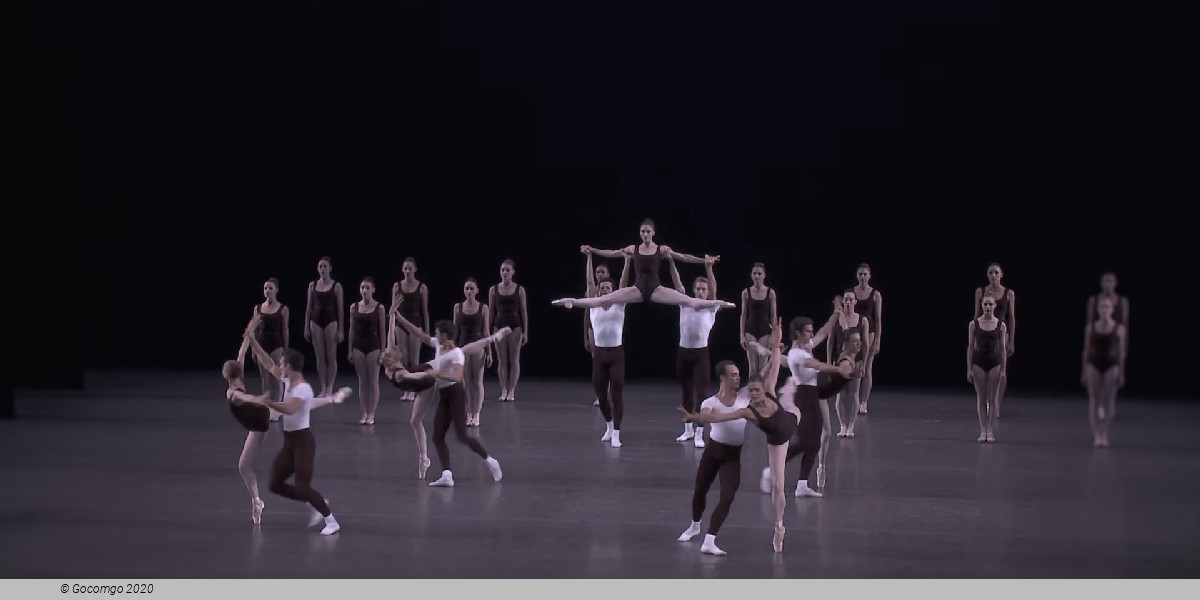
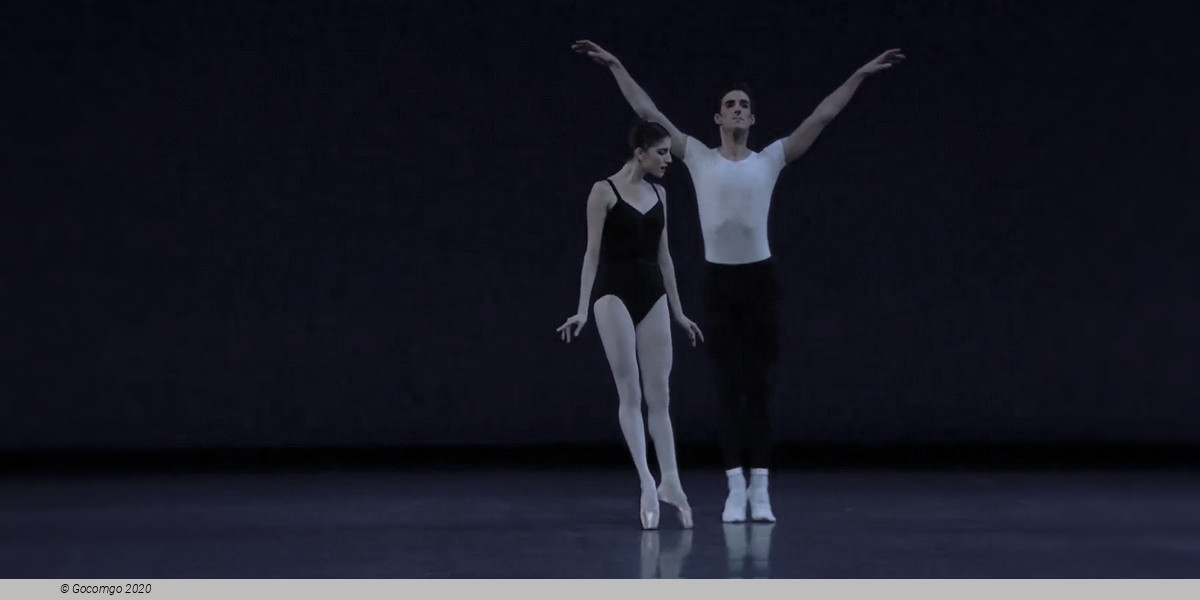
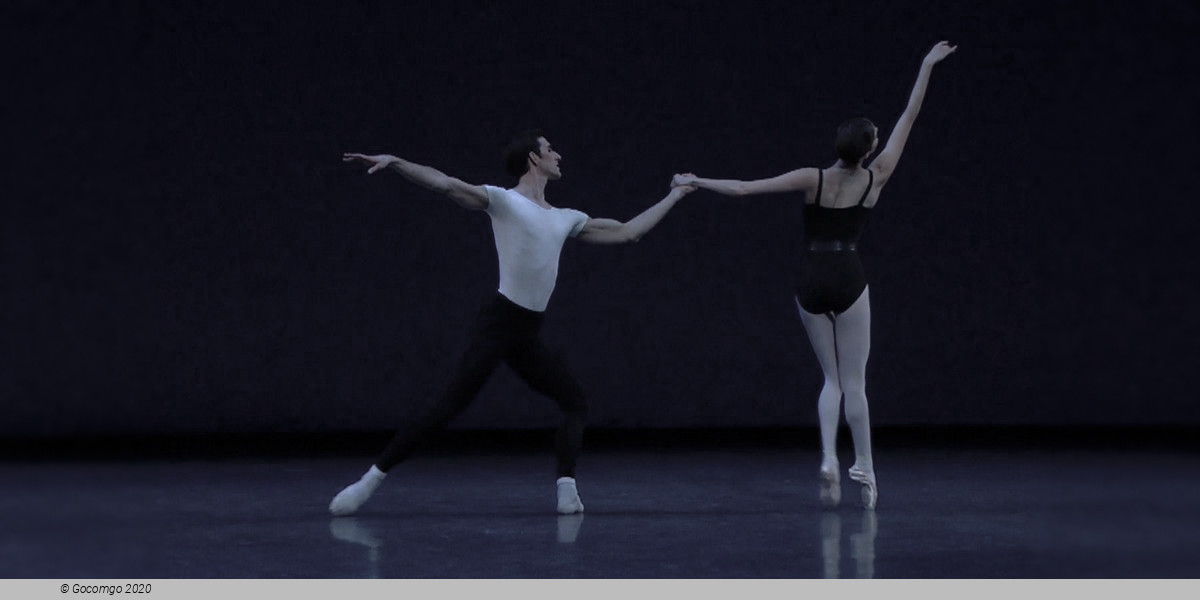
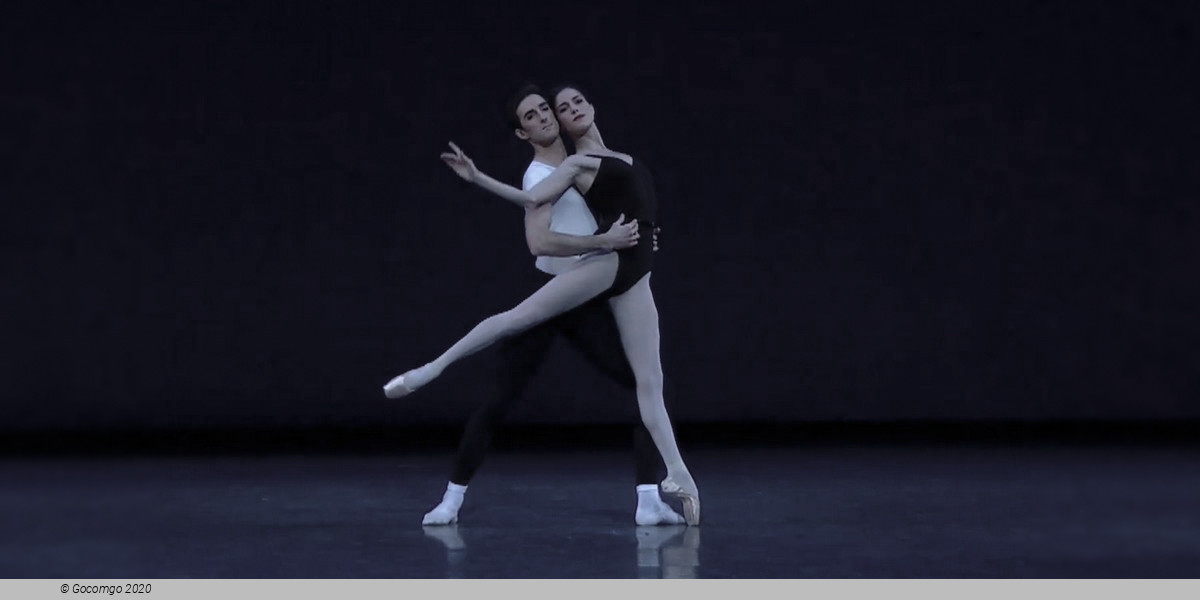
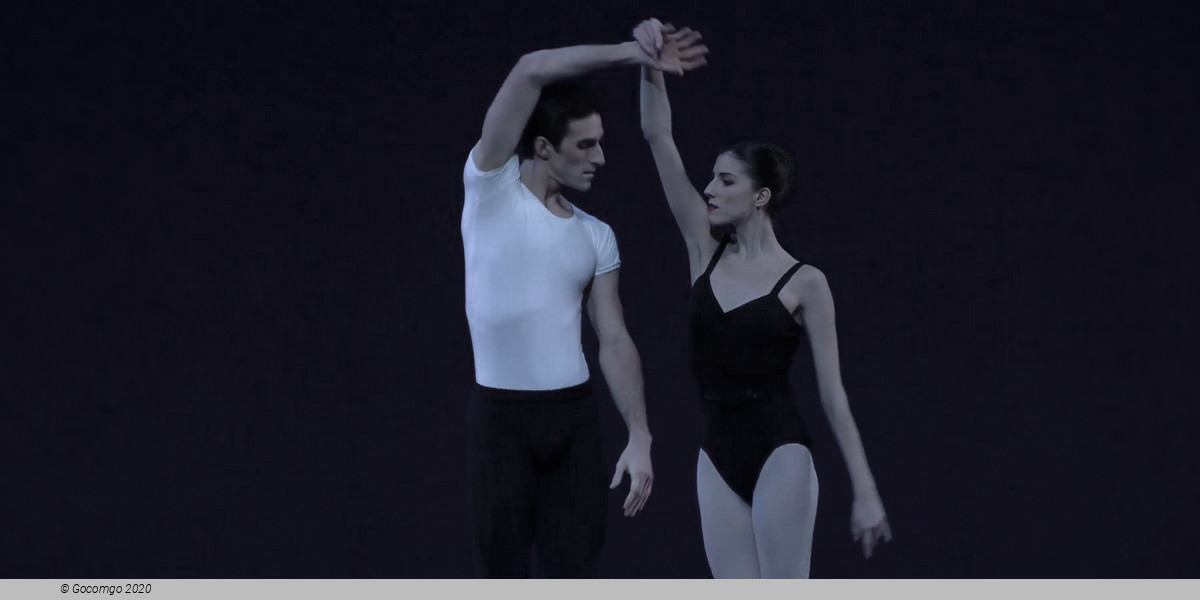
Comparative rarities from the Company’s founding choreographers lead off a program of vividly diverse ballets. Piano Pieces finds Jerome Robbins turning to a favorite Balanchine composer, Tschaikovsky, for one of the dance-maker’s last ballets. Balanchine’s Sylvia: Pas de Deux, returning to the repertory after a quarter century, features bravura steps originally created for great American ballerina Maria Tallchief, set to an excerpt from the titular Delibes ballet. Completing the program is The Four Temperaments, Balanchine’s astringently compelling exploration of complex human emotion.

This delightfully romantic pas de deux is made all the more charming by fairy tale costumes and Léo Delibes’ soothing strings.

Sylvia: Pas de Deux is in the tradition of a grand pas de deux, with entrée, adagio, two solos, and a coda.

This ballet is in the tradition of a grand pas de deux, with “Entree,” “Adagio,” two solos, and a “Coda.”

A ballet with unceasing appeal, The Four Temperaments references the medieval concept of psychological humors through its classically grounded but definitively modern movement.

The score for this ballet was commissioned by George Balanchine from Paul Hindemith in 1940. The ballet, together with Ravel’s opera L’Enfant et les Sortilèges, constituted the opening program of Ballet Society (the direct predecessor of the New York City Ballet) on November 20, 1946. In Complete Stories of the Great Ballets, Balanchine wrote of the ballet that it “is an expression in dance and music of the ancient notion that the human organism is made up of four different humors, or temperaments. Each one of us possesses these four humors, but in different degrees, and it is from the dominance of one of them that the four physical and psychological types — melancholic, sanguinic, phlegmatic, and choleric — were derived …. Although the score is based on this idea of the four temperaments, neither the music nor the ballet itself makes specific or literal interpretation of the idea. An understanding of the Greek and medieval notion of the temperaments was merely the point of departure for both composer and choreographer.”

An accomplished pianist, Balanchine commissioned the score because he wanted a short work he could play at home with friends during his evening musicales. It was completed in 1940 and had its first public performance at a 1944 concert with Lukas Foss as the pianist.

Displaying Robbins’ penchant for crafting diverse emotional atmospheres to solo piano pieces, this folk-tinged ballet for three couples, a male soloist, and a corps de ballet contrasts delicate solemnness with congenial amusement.

For the 1981 Tschaikovsky Festival, Jerome Robbins chose 15 of the composer's piano pieces to weave into a ballet with a Russian peasant flavor. Tschaikovsky wrote such pieces because they were easily marketable to amateur musicians. Although he enjoyed composing to order, he once remarked, "I continue to bake musical pancakes. Today the tenth has been tossed." To compose these miniature musical vignettes with a great deal of character, Tschaikovsky said, "One needs a definite plot or text, a time limit, and a promise of several hundred ruble notes." The Seasons, one of the series of pieces used in the ballet, demonstrates the simplicity of form that allowed Tschaikovsky to feature his inspired talent for melodies.  The ballet, a collection of group works, solos, and pas de deux, demonstrates Robbins' love for folk dances, ensemble interaction, and musical phrasing.


History
Premiere of this production: 14 June 1876, Palais Garnier

Sylvia, originally Sylvia, ou La nymphe de Diane, is a full-length ballet in two or three acts, first choreographed by Louis Mérante to music by Léo Delibes in 1876. Sylvia is a typical classical ballet in many respects, yet it has many interesting features that make it unique. Sylvia is notable for its mythological Arcadian setting, creative choreographies, expansive sets and, above all, its remarkable score.

Premiere of this production: 20 November 1946, Central High School of Needle Trades, New York

The Four Temperaments is a ballet made by New York City Ballet co-founder and ballet master George Balanchine to music he commissioned from Paul Hindemith (the latter's eponymous 1940 music for string orchestra and piano) for the opening program of Ballet Society, immediate forerunner of City Ballet.

Premiere of this production: 11 June 1981, New York State Theater, Lincoln Center, New York

Piano Pieces is a ballet made for New York City Ballet's Tschaikovsky Festival by ballet master Jerome Robbins to Tchaikovsky's music. The premiere took place on 11 June 1981 at the New York State Theater, Lincoln Center, with costumes by Ben Benson and lighting by Ronald Bates.

Venue Info

New York City Ballet (David H. Koch Theater) - New York
Location   20 Lincoln Center Plaza

The David H. Koch Theater is the major theater for ballet, modern, and other forms of dance, part of the Lincoln Center, at the intersection of Columbus Avenue and 63rd Street in the Lincoln Square neighborhood of Manhattan in New York City. Originally named the New York State Theater, the venue has been home to the New York City Ballet since its opening in 1964, the secondary venue for the American Ballet Theatre in the fall, and served as home to the New York City Opera from 1964 to 2011.

The New York State Theater was built with funds from the State of New York as part of New York State's cultural participation in the 1964–1965 World's Fair. The theater was designed by architects Philip Johnson and John Burgee, and opened on April 23, 1964. After the Fair, the State transferred ownership of the theater to the City of New York.

Along with the opera and ballet companies, another early tenant of the theater was the now defunct Music Theater of Lincoln Center whose president was composer Richard Rodgers. In the mid-1960s, the company produced fully staged revivals of classic Broadway musicals. These included The King and I; Carousel (with original star, John Raitt); Annie Get Your Gun (revised in 1966 by Irving Berlin for its original star, Ethel Merman); Show Boat; and South Pacific.

The theater seats 2,586 and features broad seating on the orchestra level, four main “Rings” (balconies), and a small Fifth Ring, faced with jewel-like lights and a large spherical chandelier in the center of the gold latticed ceiling.

The lobby areas of the theater feature many works of modern art, including pieces by Jasper Johns, Lee Bontecou, and Reuben Nakian.

Important Info
Type: Ballet
City: New York, USA
Starts at: 20:00
Duration: 12min
Top of page