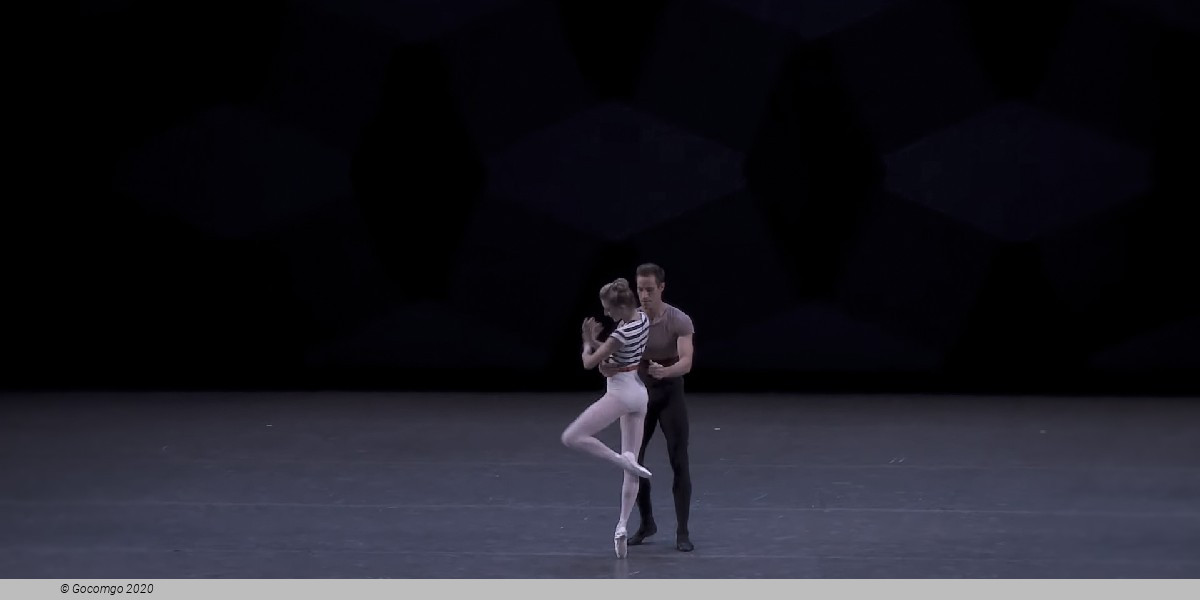
New York City Ballet (David H. Koch Theater) 2 October 2022 - Classic NYCB I | GoComGo.com

Classic NYCB I

New York City Ballet (David H. Koch Theater), Main Stage, New York, USA
All photos (17)
Select date and time
3 PM

E-tickets: Print at home or at the box office of the event if so specified. You will find more information in your booking confirmation email.

You can only select the category, and not the exact seats.
If you order 2 or 3 tickets: your seats will be next to each other.
If you order 4 or more tickets: your seats will be next to each other, or, if this is not possible, we will provide a combination of groups of seats (at least in pairs, for example 2+2 or 2+3).

Important Info
Type: Ballet
City: New York, USA
Starts at: 15:00
Duration: 23min

E-tickets: Print at home or at the box office of the event if so specified. You will find more information in your booking confirmation email.

You can only select the category, and not the exact seats.
If you order 2 or 3 tickets: your seats will be next to each other.
If you order 4 or more tickets: your seats will be next to each other, or, if this is not possible, we will provide a combination of groups of seats (at least in pairs, for example 2+2 or 2+3).

Overview

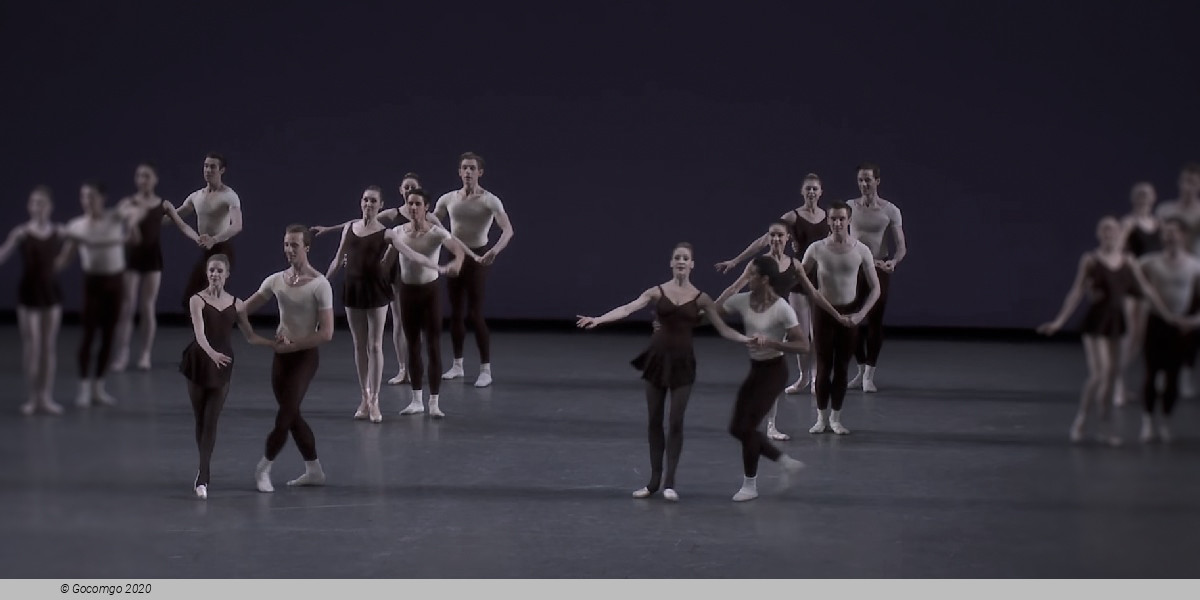
A streamlined Balanchine masterpiece unites with innovative offerings from contemporary choreographers Ratmansky and Peck for a collection of varied stylings.

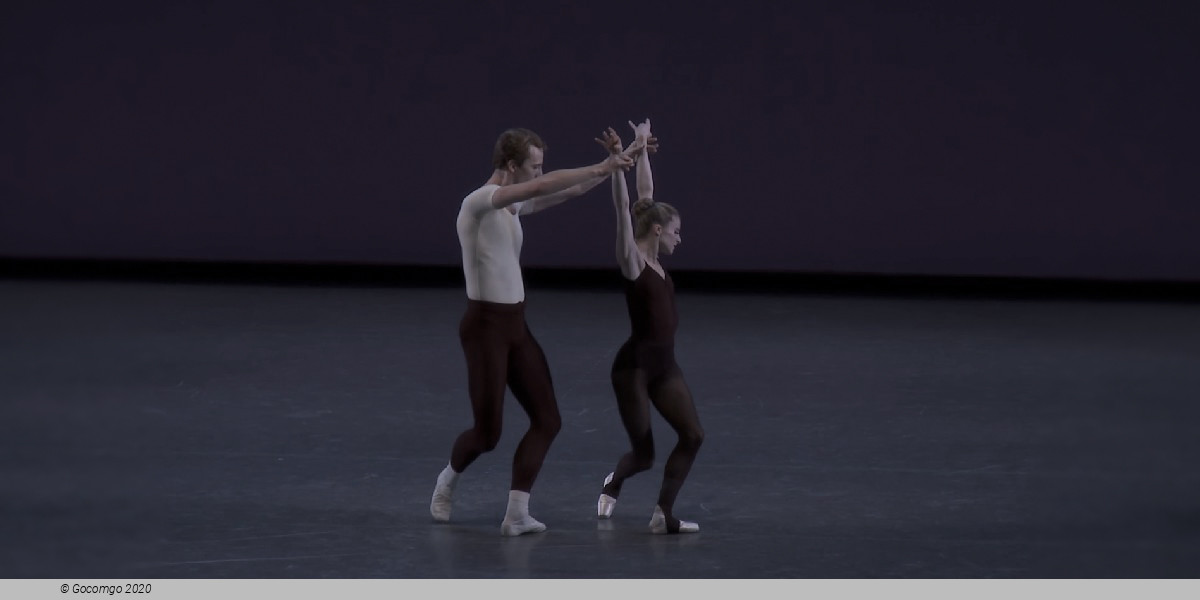
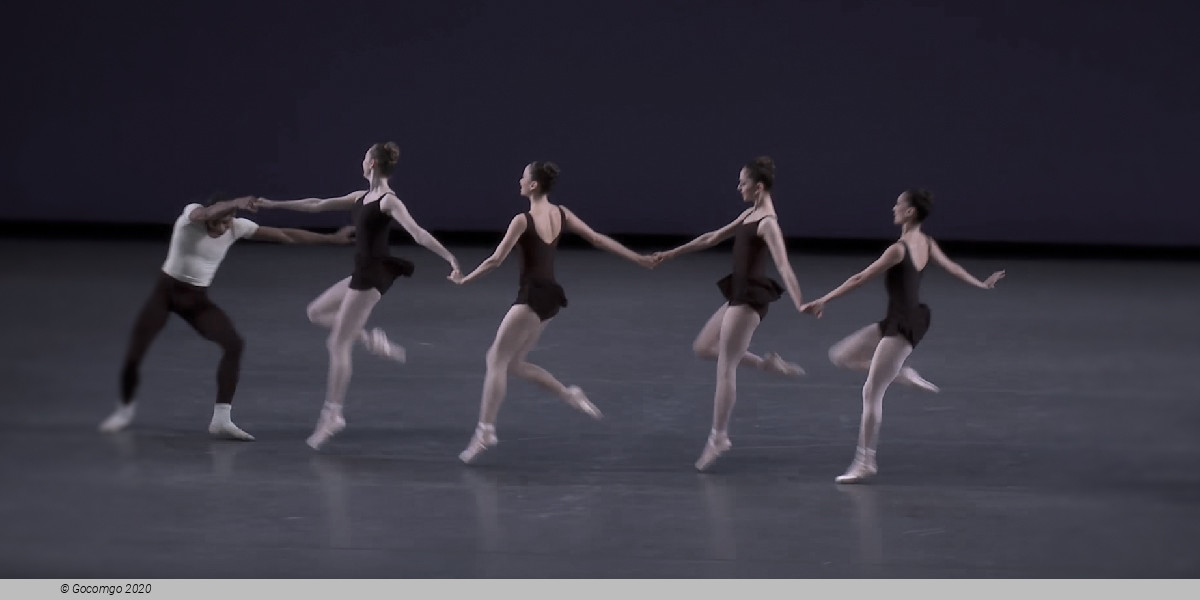
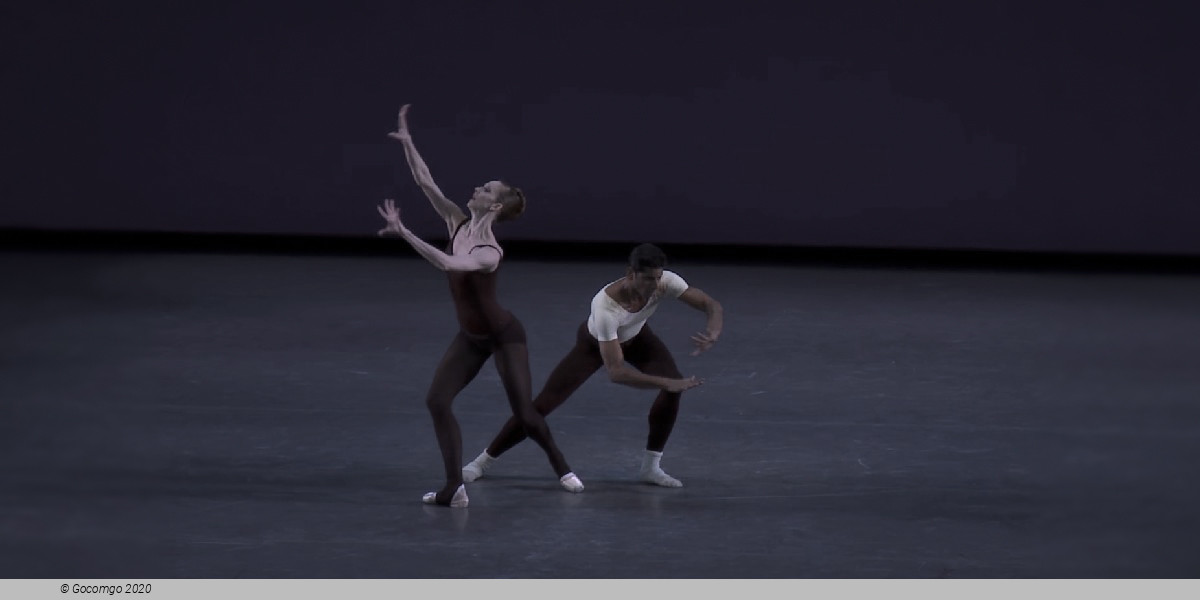
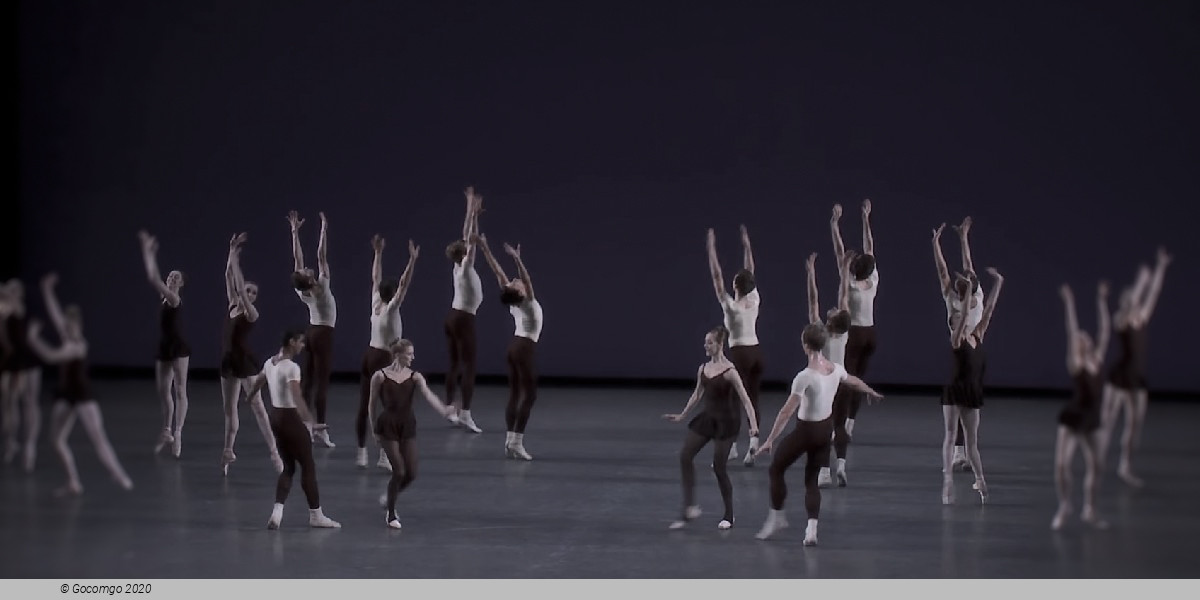
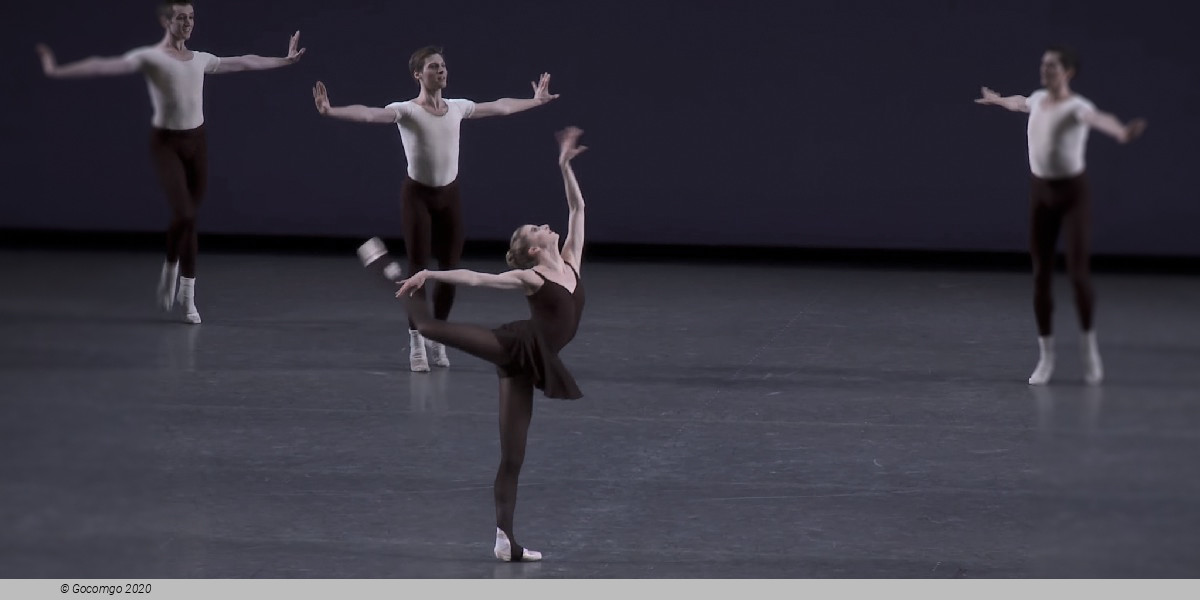
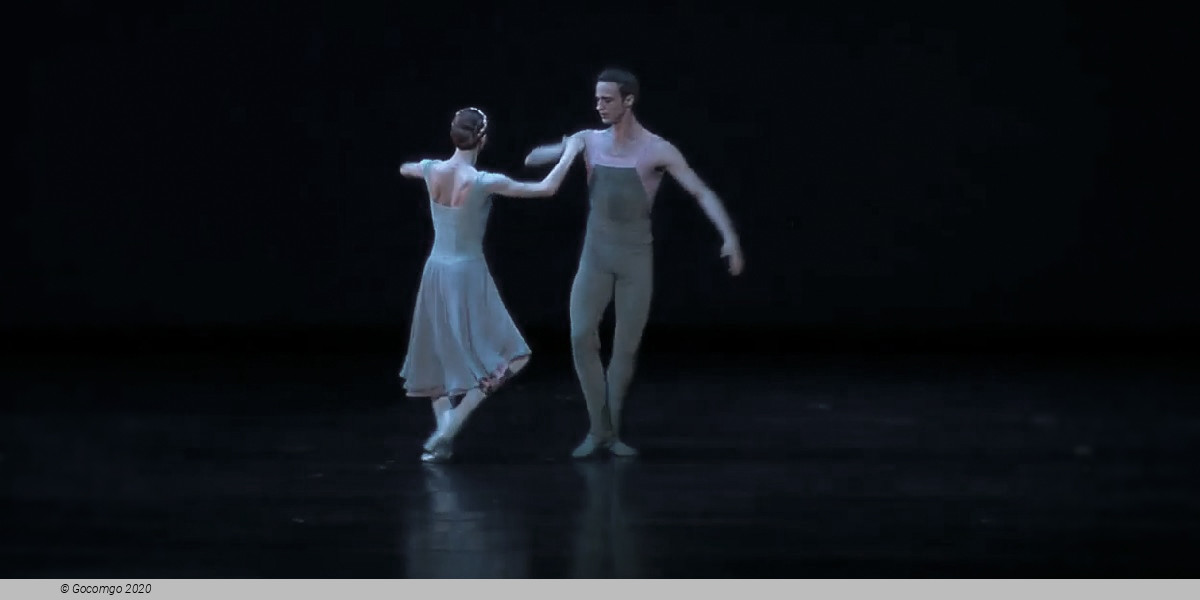
Created for the Company’s landmark 1972 Stravinsky Festival, Balanchine’s Stravinsky Violin Concerto quickly established itself as a repertory favorite, a celebrated leotard ballet both elegant and at times frolicsome, featuring a pair of bravura pas de deux for two principal couples. Alexei Ratmansky turned to a fellow Russian, Dmitri Shostakovich, for his second ballet for the Company, Concerto DSCH, a high-energy classical ballet that has returned regularly since its premiere in 2008. Also an instant hit with audiences, Resident Choreographer Justin Peck’s Everywhere We Go, among his largest ballets, featuring 25 dancers, was Peck’s second collaboration with the eclectic contemporary composer Sufjan Stevens.

The outer sections of Stravinsky Violin Concerto are carefully woven masterpieces of symmetry that peel away to reveal two of Balanchine’s most ingenious and unique pas de deux.

Stravinsky Violin Concerto was composed in 1931 and at its premiere, conducted by Igor Stravinsky with Samuel Dushkin as the violin soloist. It was first used by Balanchine for Balustrade with the Original Ballet Russe in 1941. When Balanchine returned to this score three decades later, he could no longer remember his original choreography. “What I did then was for then,” he said, “and I wanted to do this music for our Stravinsky Festival.” Stravinsky Violin Concerto premiered on the opening night of the 1972 Stravinsky Festival, which also included the premiere of Balanchine’s Symphony in Three Movements.

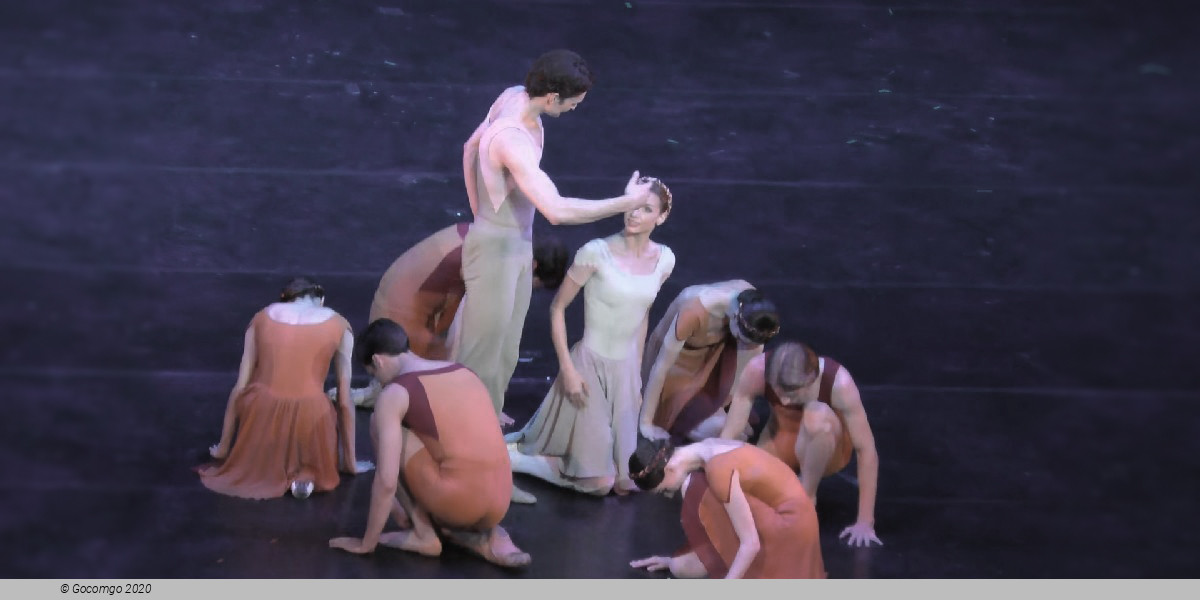
With its thrilling Shostakovich score and dramatic texture, Ratmansky’s acclaimed 2008 creation excels with classical ingenuity and contemporary stylishness.

Dmitri Shostakovich wrote his Piano Concerto No. 2, the score of Alexei Ratmansky’s Concerto DSCH, in 1957 as a birthday gift for his 19-year-old son Maxim. The concerto displays the composer's optimistic energy after the repressions of the Stalinist era. The opening allegro evokes a brisk military march with the piano referencing the British melody "Drunken Sailor," contrasting with the soulful nature of the andante movement for the strings, piano, and solo horn. The brief, invigorating allegro finale takes on a 7/8 meter as the entire orchestra sprints to the finish. The ballet's title refers to a musical motif used by Shostakovich to represent himself, with four notes that, when written in German notation, stand in for his initials in the German spelling (D. Sch.). Concerto DSCH, which premiered in 2008, was Ratmansky’s second ballet created for the Company.

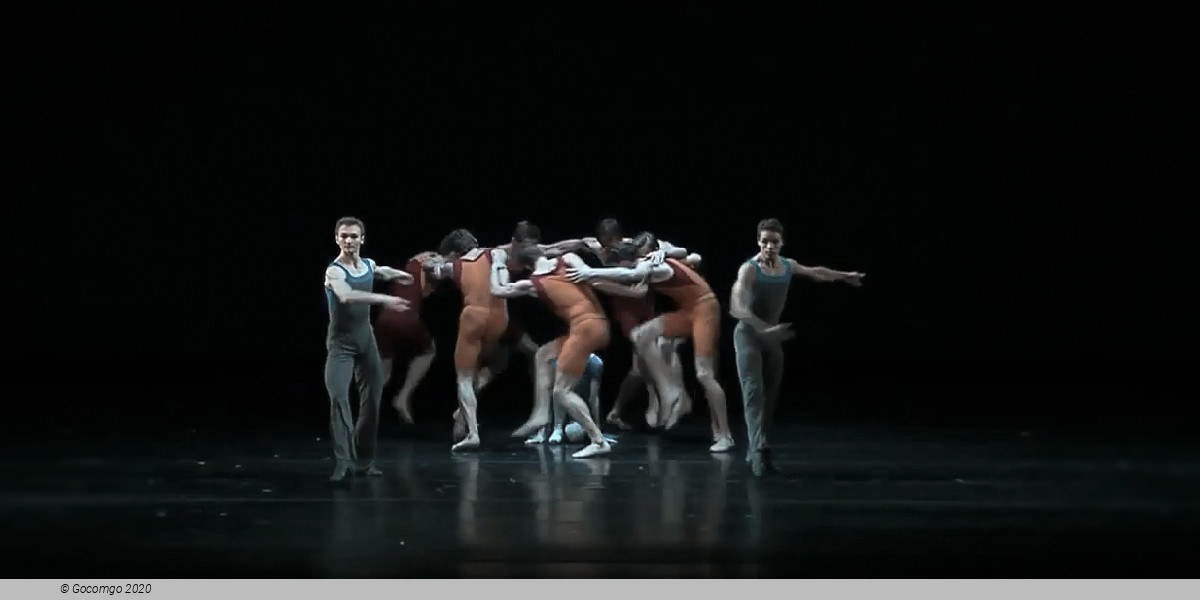
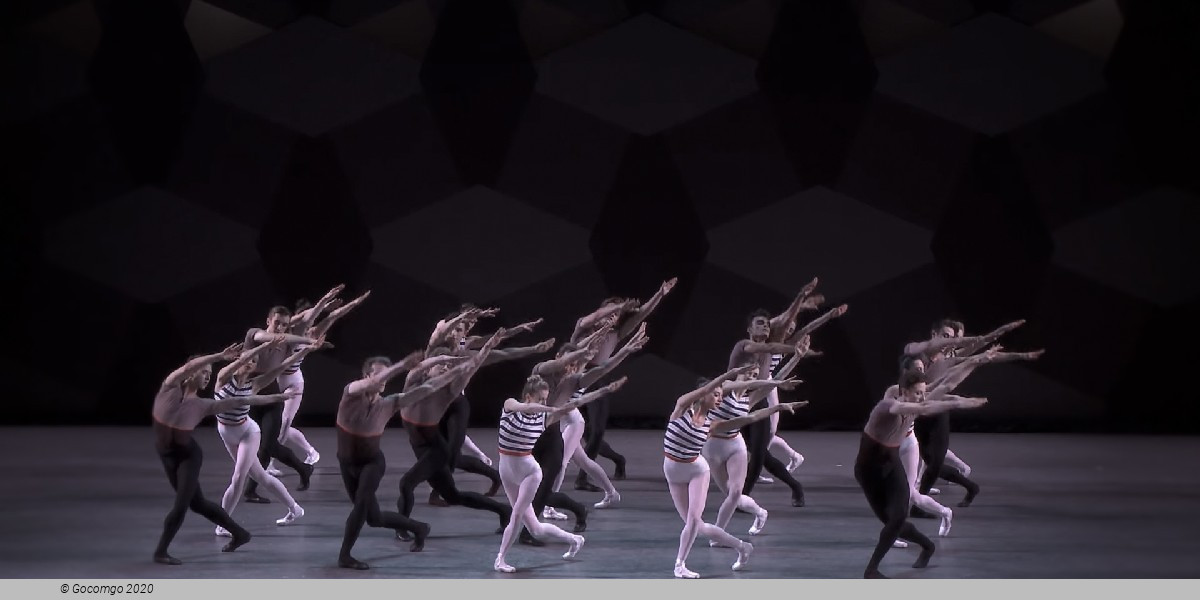
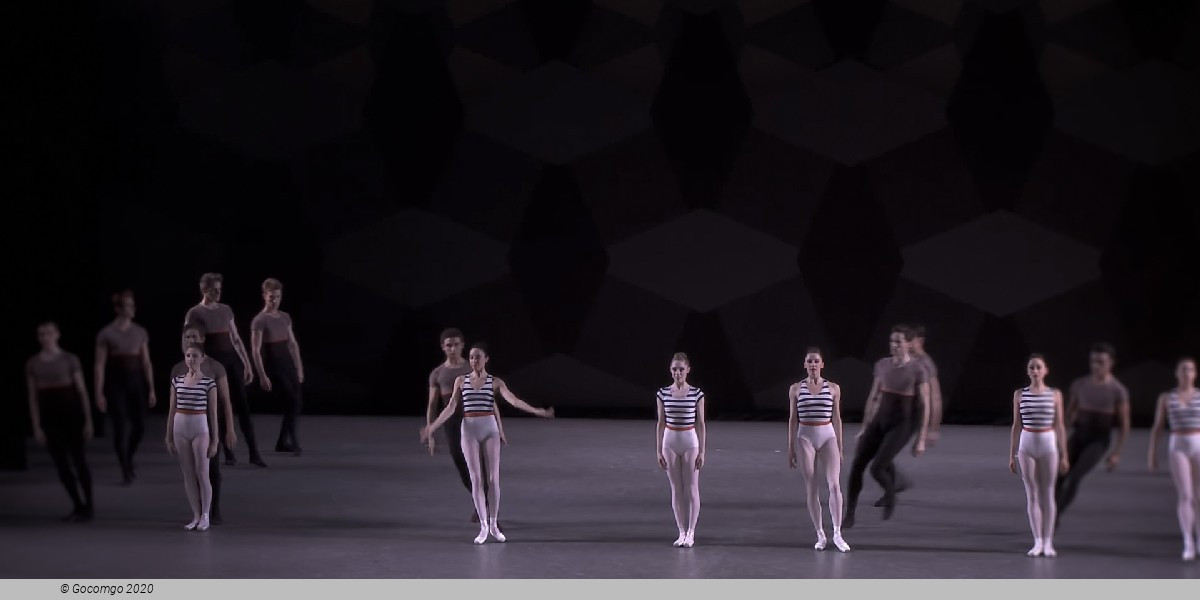
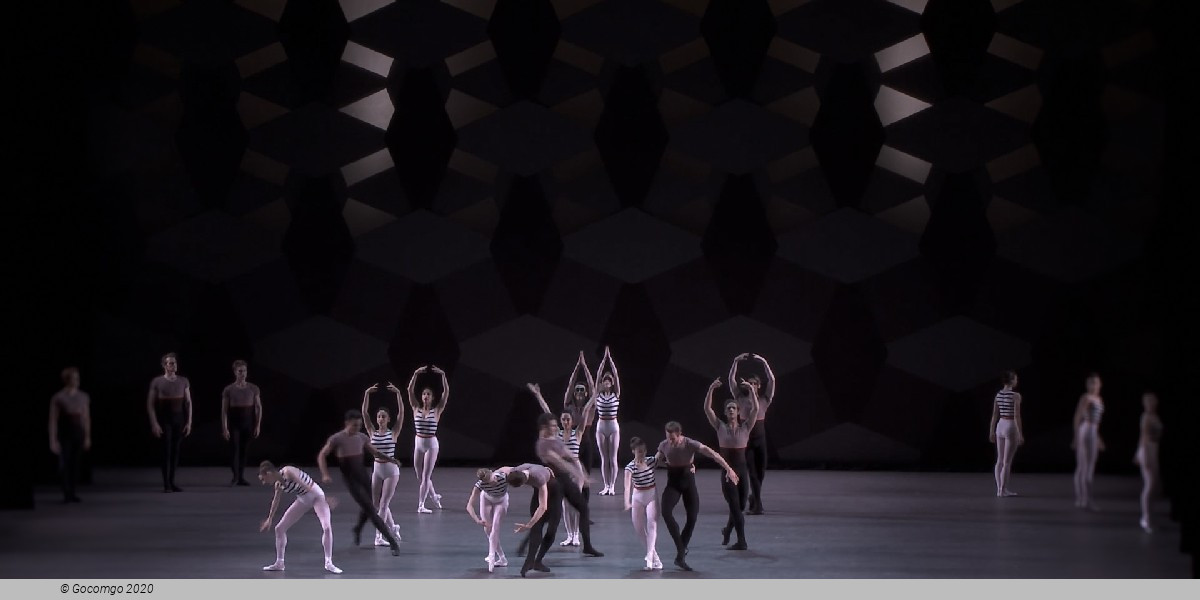
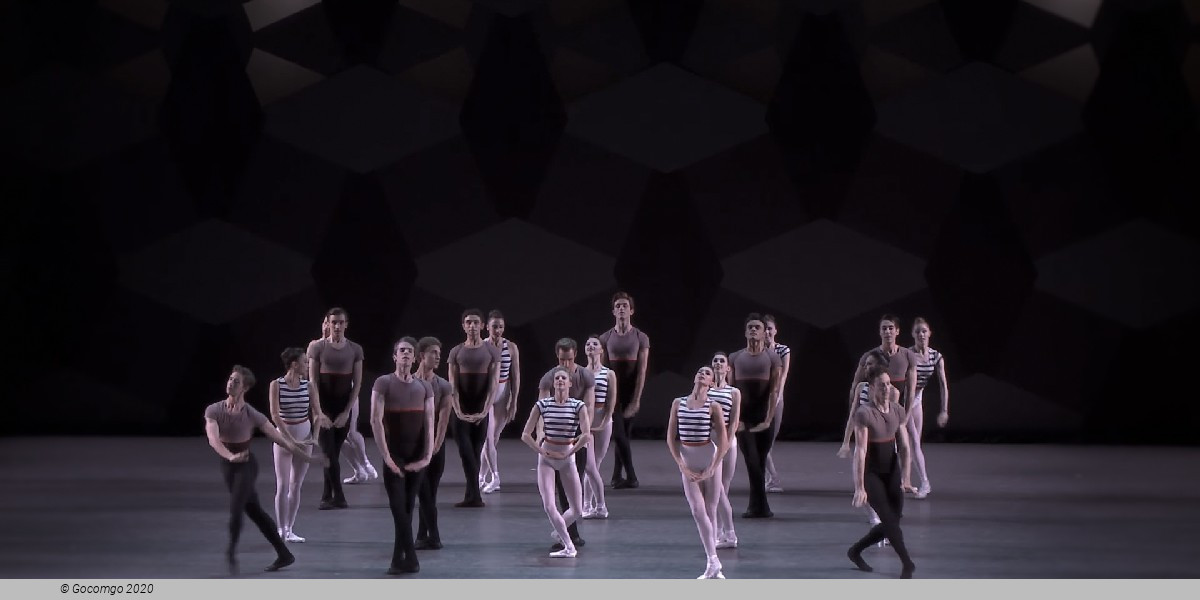
The epic Everywhere We Go features 25 dancers in a nine-part exploration of Sufjan Stevens' cinematic score, the indie-pop icon's first NYCB commission, with each section accented by a multi-layered and shifting geometric backdrop.

Featuring a commissioned score by American singer-songwriter Sufjan Stevens and a cast of 25 dancers, Everywhere We Go was NYCB Resident Choreographer and Artistic Advisor Justin Peck’s sixth ballet for the Company. It was also Peck’s second collaboration with Stevens, following 2012’s Year of the Rabbit; the nine-movement score was Stevens’ first commission from the Company. With costumes by former NYCB Principal Dancer Janie Taylor, sets by Brooklyn-based artist and architect Karl Jensen, and lighting by Peck’s frequent collaborator Brandon Stirling Baker, Everywhere We Go premiered at NYCB’s 2014 Spring Gala.

History
Premiere of this production: 18 June 1972, Stravinsky Festival, New York State Theater, New York

Igor Stravinsky's Violin Concerto in D is a neoclassical violin concerto in four movements, composed in the summer of 1931 and premiered on October 23, 1931. It lasts approximately twenty minutes. It was used by George Balanchine as music for two ballets.

Premiere of this production: 29 May 2008, New York State Theater, Lincoln Center
Venue Info

New York City Ballet (David H. Koch Theater) - New York
Location   20 Lincoln Center Plaza

The David H. Koch Theater is the major theater for ballet, modern, and other forms of dance, part of the Lincoln Center, at the intersection of Columbus Avenue and 63rd Street in the Lincoln Square neighborhood of Manhattan in New York City. Originally named the New York State Theater, the venue has been home to the New York City Ballet since its opening in 1964, the secondary venue for the American Ballet Theatre in the fall, and served as home to the New York City Opera from 1964 to 2011.

The New York State Theater was built with funds from the State of New York as part of New York State's cultural participation in the 1964–1965 World's Fair. The theater was designed by architects Philip Johnson and John Burgee, and opened on April 23, 1964. After the Fair, the State transferred ownership of the theater to the City of New York.

Along with the opera and ballet companies, another early tenant of the theater was the now defunct Music Theater of Lincoln Center whose president was composer Richard Rodgers. In the mid-1960s, the company produced fully staged revivals of classic Broadway musicals. These included The King and I; Carousel (with original star, John Raitt); Annie Get Your Gun (revised in 1966 by Irving Berlin for its original star, Ethel Merman); Show Boat; and South Pacific.

The theater seats 2,586 and features broad seating on the orchestra level, four main “Rings” (balconies), and a small Fifth Ring, faced with jewel-like lights and a large spherical chandelier in the center of the gold latticed ceiling.

The lobby areas of the theater feature many works of modern art, including pieces by Jasper Johns, Lee Bontecou, and Reuben Nakian.

Important Info
Type: Ballet
City: New York, USA
Starts at: 15:00
Duration: 23min
Top of page