

New York City Ballet (David H. Koch Theater) 20 April 2022 - Masters at work: Balanchine & Robbins I | GoComGo.com

Masters at work: Balanchine & Robbins I

New York City Ballet (David H. Koch Theater), Main Stage, New York, USA
All photos (8)
Select date and time
7:30 PM

E-tickets: Print at home or at the box office of the event if so specified. You will find more information in your booking confirmation email.

You can only select the category, and not the exact seats.
If you order 2 or 3 tickets: your seats will be next to each other.
If you order 4 or more tickets: your seats will be next to each other, or, if this is not possible, we will provide a combination of groups of seats (at least in pairs, for example 2+2 or 2+3).

Important Info
Type: Ballet
City: New York, USA
Starts at: 19:30

E-tickets: Print at home or at the box office of the event if so specified. You will find more information in your booking confirmation email.

You can only select the category, and not the exact seats.
If you order 2 or 3 tickets: your seats will be next to each other.
If you order 4 or more tickets: your seats will be next to each other, or, if this is not possible, we will provide a combination of groups of seats (at least in pairs, for example 2+2 or 2+3).

Overview

Steeped in tradition, rich with invention: two masterpieces by NYCB’s originating choreographers

Ballets from the Company’s founding choreographers make for a unique pairing. Balanchine’s enchanting Serenade, famously the first ballet he created in America, danced to an all-strings composition from Tschaikovsky, has long been a staple of the international repertory. The Goldberg Variations, created by Robbins in 1971, uses the full Bach piano score of the title to illustrate the potentially infinite variety of classical choreography, in a two-part ballet that bridges the baroque and the contemporary, the high-spirited and the formal, the romantic and the mysterious.

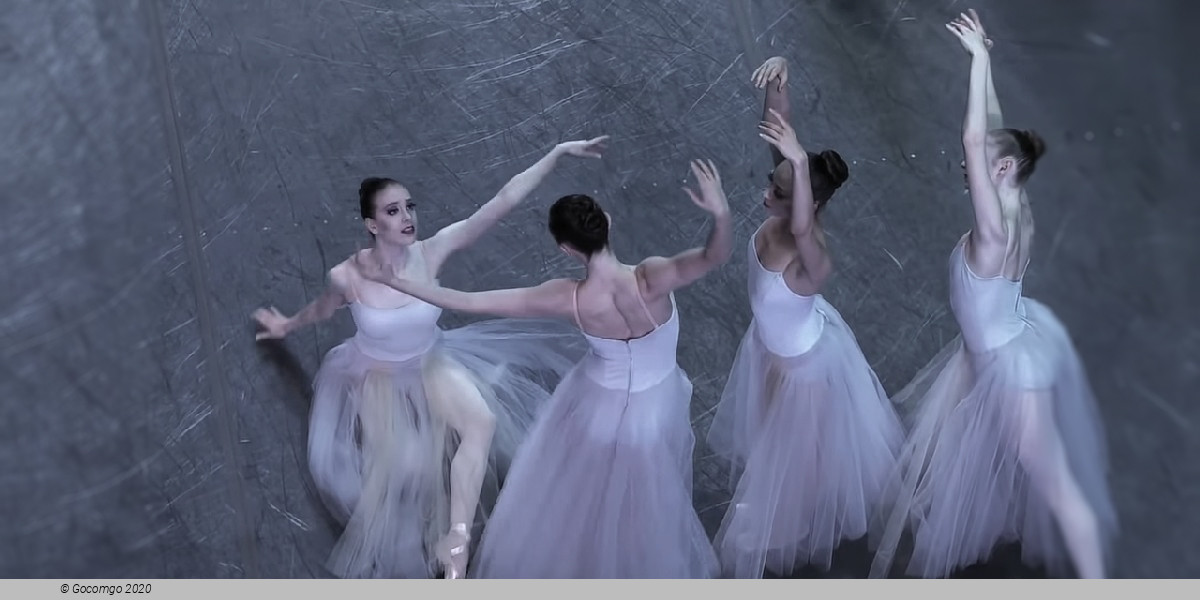
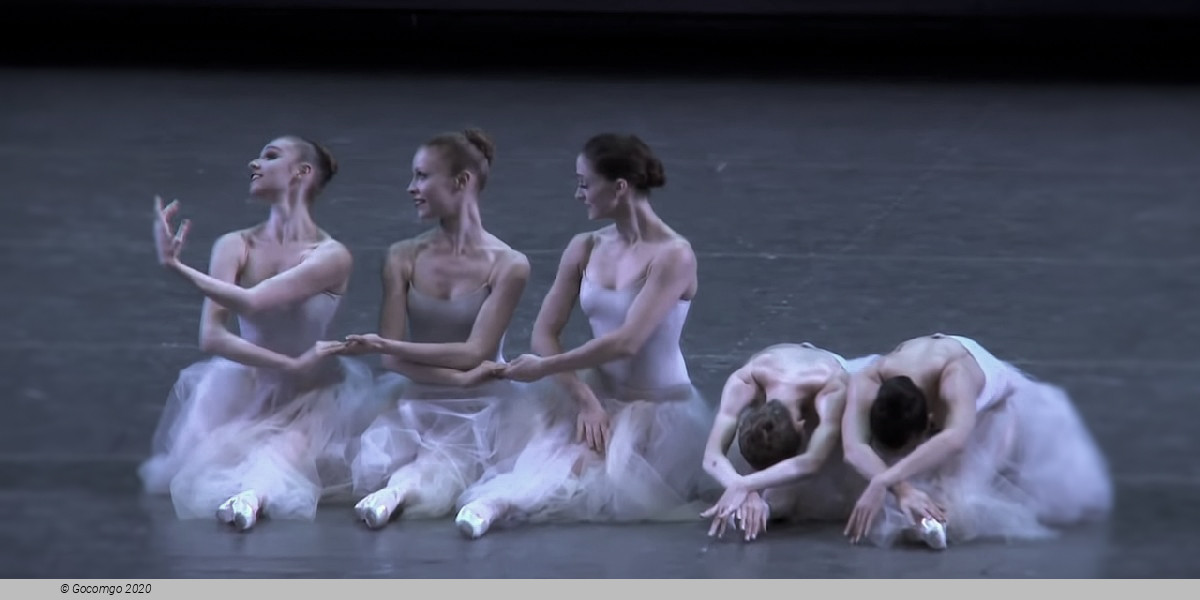
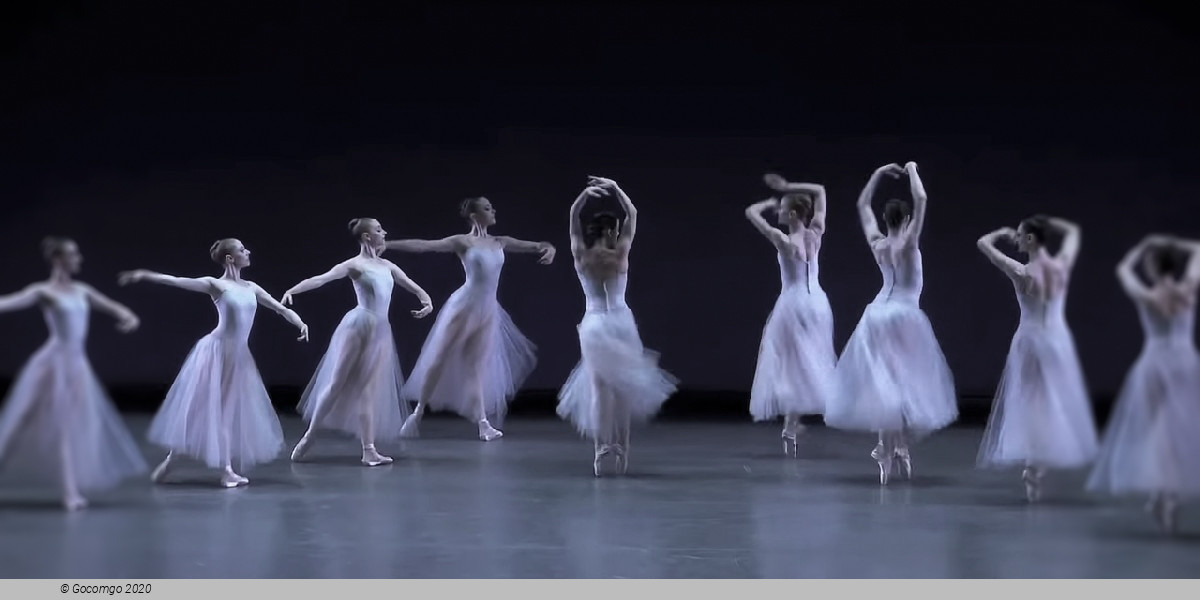
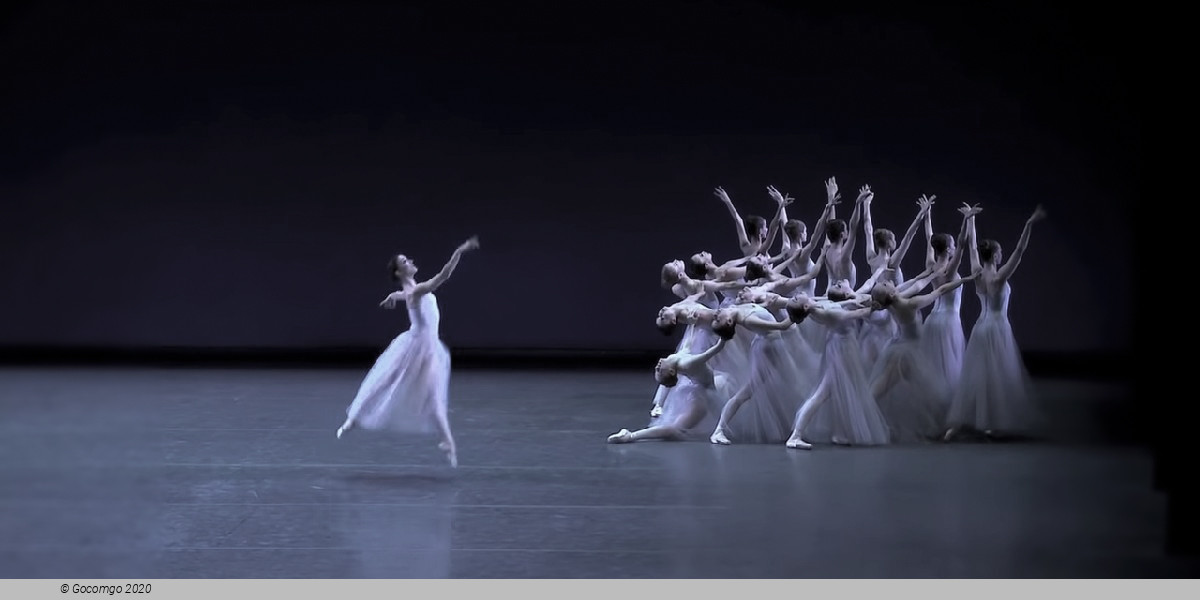
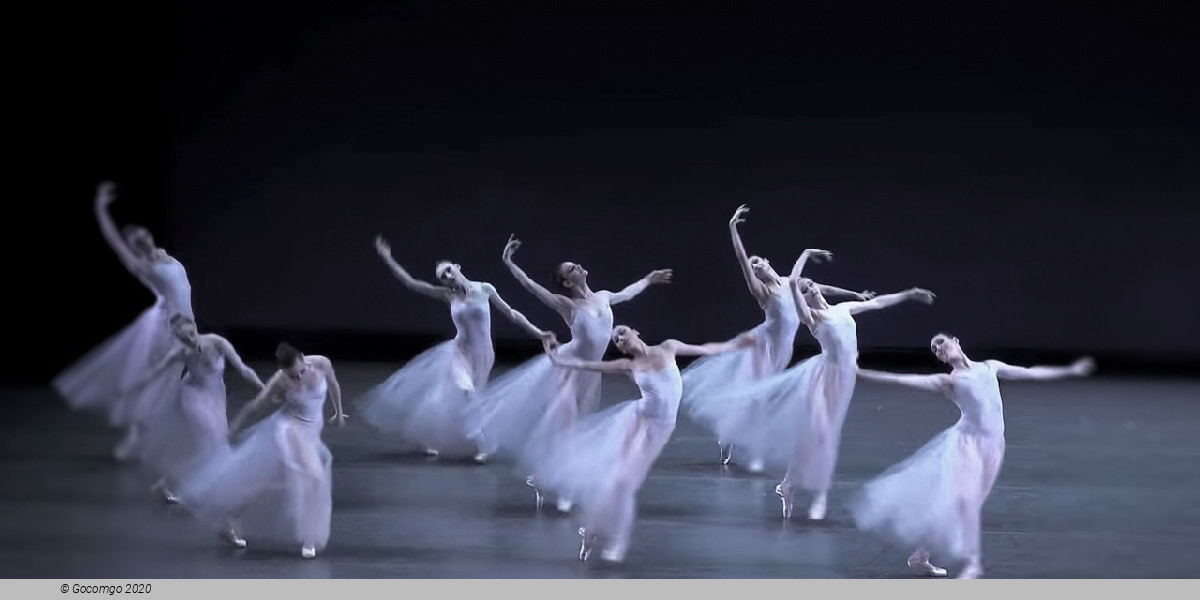
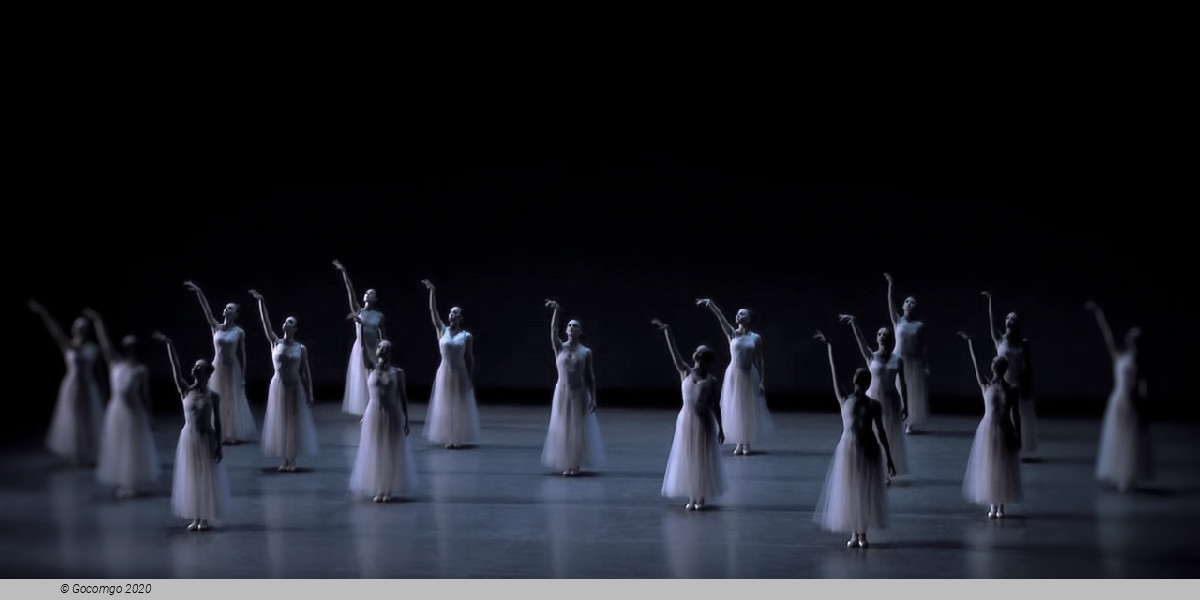
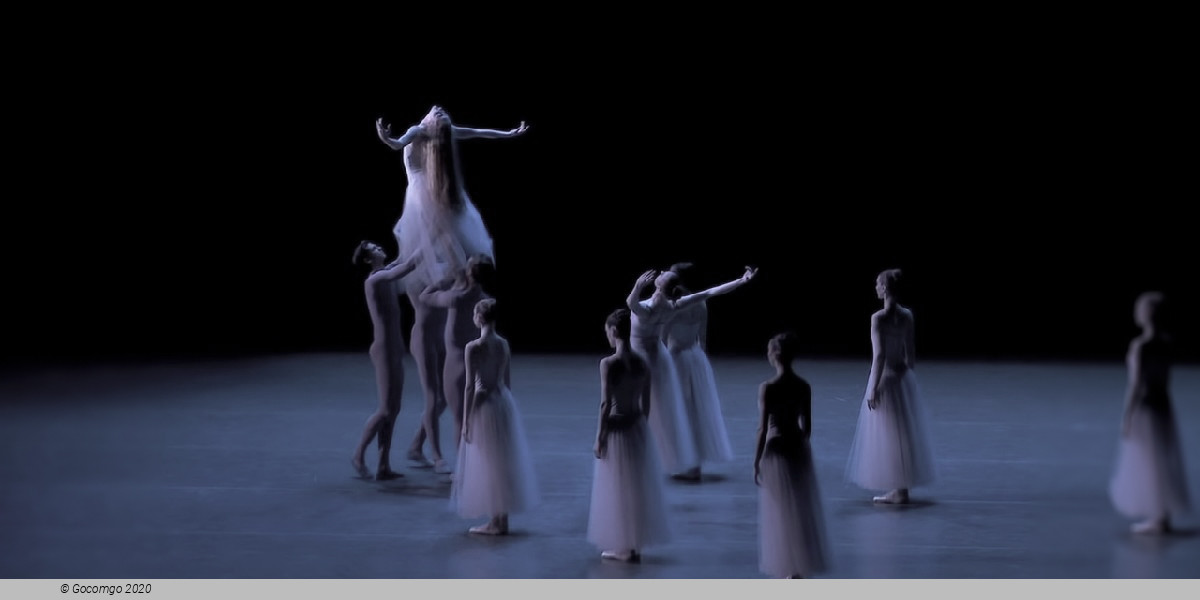
Serenade is a romantic work of immense sweep, set to a transcendent Tschaikovsky score.

Serenade is a milestone in the history of dance. It is the first original ballet George Balanchine created in America and is one of the signature works of New York City Ballet’s repertory. Balanchine began the ballet as a lesson in stage technique and worked unexpected rehearsal events into the choreography. A student’s fall or late arrival to rehearsal became part of the ballet.

After its initial presentation, Serenade was reworked several times. In its present form there are four movements: “Sonatina”, “Waltz”, “Russian Dance”, and “Elegy.” The last two movements reverse the order of Tschaikovsky’s score, ending the ballet on a note of sadness.

“In everything that I did to Tschaikovsky’s music, I sensed his help. It wasn’t real conversation. But when I was working and saw that something was coming of it, I felt that it was Tschaikovsky who had helped me.”

George Balanchine

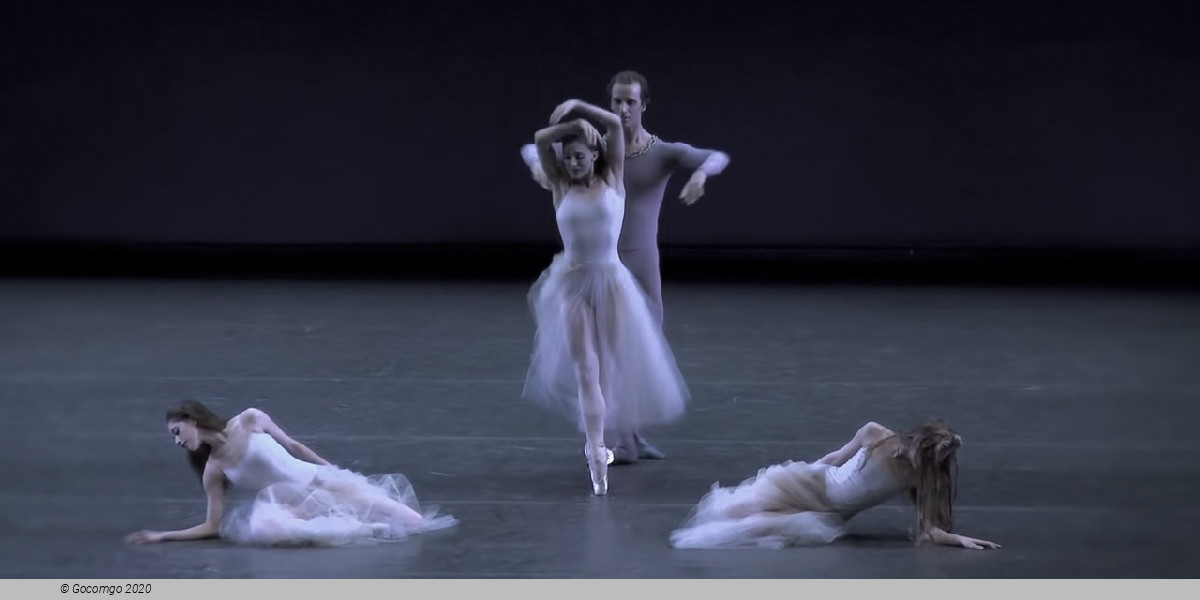
A testament to Robbins’ unceasing invention, The Goldberg Variations is a choreographic tour de force that pays homage to Bach’s epic score by unifying the traditions of classical and modern movements in one monumental ballet.

Bach’s so-called “Goldberg" variations was published in 1742 under the title Aria mit verschieden Veraenderungen. Veraenderungen is usually translated as “variations,” but it also means "alterations" or "mutations".

This is the only work of Bach’s in the structure of a theme and variations. However, it differs from most compositions of this nature in that the variations are not based on the melody, but on the harmonic implications of the accompaniment of the theme, a sarabande that Bach wrote for his second wife.

Charles Rosen writes, "It is the most open and public of Bach’s keyboard works, the one that most absorbs and transforms the popular styles of his time. The ‘Goldberg’ variations are, in fact, an encyclopedia: a survey of the world of secular music. There are canons, a fugue, a French overture, a siciliana, a quodlibet, accompanied solos, and a series of inventions and dance-like movements. The ‘Goldberg’ variations is a social work; it was meant principally to delight, and it instructs only as it charms."*

Johann Gottlieb Goldberg’s name became attached to the work only because he happened to be the private harpsichordist to Count Keyserling, who commissioned the music. The Count, who was troubled with insomnia, asked Bach to write music he could listen to during his sleepless nights, and it was Goldberg, a pupil of Bach’s, who played the variations for him.

— Jerome Robbins, 1971

History
Premiere of this production: 01 March 1935, Adelphi Theatre New York City, United States

Serenade is a ballet by George Balanchine to Tschaikovsky's 1880 Serenade for Strings in C, Op. 48. Balanchine presented the ballet as his response to the generous sponsorships he received during his immigration to America. The official premiere took place on 1 March 1935 with the American Ballet at the Adelphi Theatre, New York, conducted by Sandor Harmati.


Premiere of this production: 27 May 1971, New York State Theater

The Goldberg Variations is a ballet made by New York City Ballet's ballet master Jerome Robbins to Johann Sebastian Bach's Goldberg Variations, BWV 988. The premiere took place on May 27, 1971 at the New York State Theater, Lincoln Center, with costumes by Joe Eula and lighting by Thomas Skelton.

Venue Info

New York City Ballet (David H. Koch Theater) - New York
Location   20 Lincoln Center Plaza

The David H. Koch Theater is the major theater for ballet, modern, and other forms of dance, part of the Lincoln Center, at the intersection of Columbus Avenue and 63rd Street in the Lincoln Square neighborhood of Manhattan in New York City. Originally named the New York State Theater, the venue has been home to the New York City Ballet since its opening in 1964, the secondary venue for the American Ballet Theatre in the fall, and served as home to the New York City Opera from 1964 to 2011.

The New York State Theater was built with funds from the State of New York as part of New York State's cultural participation in the 1964–1965 World's Fair. The theater was designed by architects Philip Johnson and John Burgee, and opened on April 23, 1964. After the Fair, the State transferred ownership of the theater to the City of New York.

Along with the opera and ballet companies, another early tenant of the theater was the now defunct Music Theater of Lincoln Center whose president was composer Richard Rodgers. In the mid-1960s, the company produced fully staged revivals of classic Broadway musicals. These included The King and I; Carousel (with original star, John Raitt); Annie Get Your Gun (revised in 1966 by Irving Berlin for its original star, Ethel Merman); Show Boat; and South Pacific.

The theater seats 2,586 and features broad seating on the orchestra level, four main “Rings” (balconies), and a small Fifth Ring, faced with jewel-like lights and a large spherical chandelier in the center of the gold latticed ceiling.

The lobby areas of the theater feature many works of modern art, including pieces by Jasper Johns, Lee Bontecou, and Reuben Nakian.

Important Info
Type: Ballet
City: New York, USA
Starts at: 19:30
Top of page