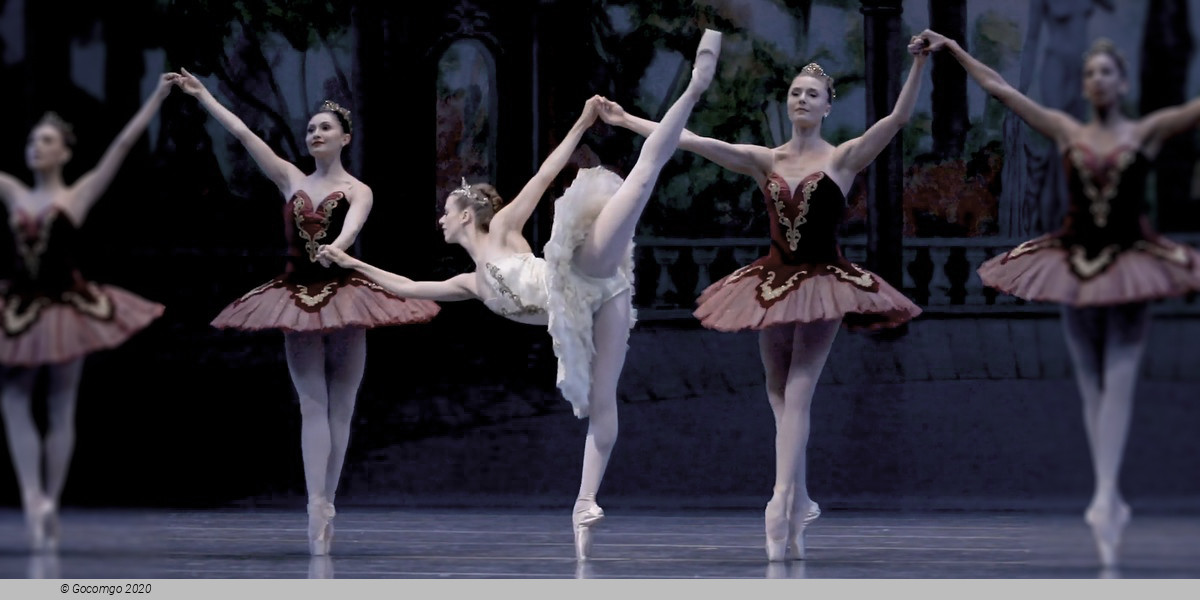
New York City Ballet (David H. Koch Theater) 14 October 2023 - All Balanchine V | GoComGo.com

All Balanchine V

New York City Ballet (David H. Koch Theater), Main Stage, New York, USA
All photos (15)
Select date and time
2 PM 8 PM

E-tickets: Print at home or at the box office of the event if so specified. You will find more information in your booking confirmation email.

You can only select the category, and not the exact seats.
If you order 2 or 3 tickets: your seats will be next to each other.
If you order 4 or more tickets: your seats will be next to each other, or, if this is not possible, we will provide a combination of groups of seats (at least in pairs, for example 2+2 or 2+3).

Important Info
Type: Ballet
City: New York, USA
Starts at: 14:00

E-tickets: Print at home or at the box office of the event if so specified. You will find more information in your booking confirmation email.

You can only select the category, and not the exact seats.
If you order 2 or 3 tickets: your seats will be next to each other.
If you order 4 or more tickets: your seats will be next to each other, or, if this is not possible, we will provide a combination of groups of seats (at least in pairs, for example 2+2 or 2+3).

Overview

Three Balanchine sensations converge for one dynamic program.

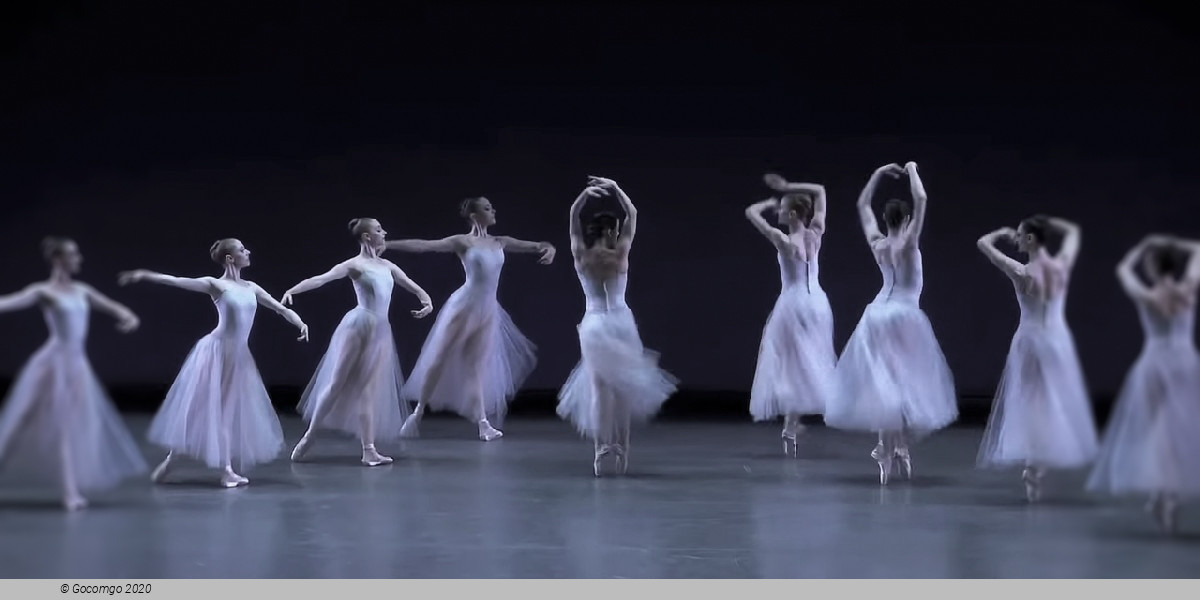
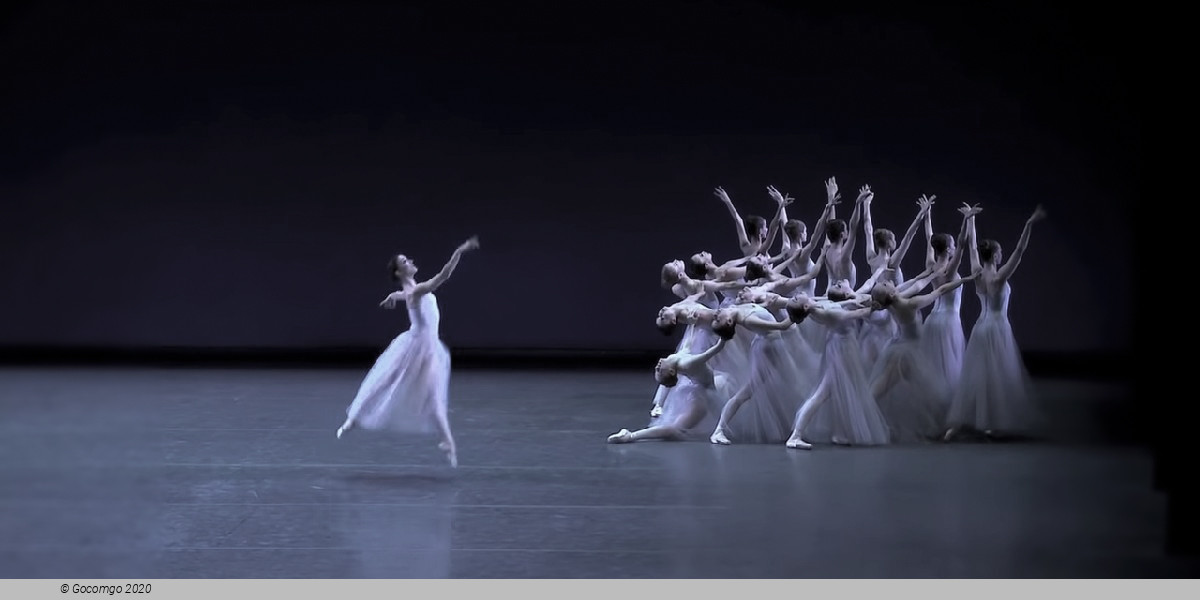
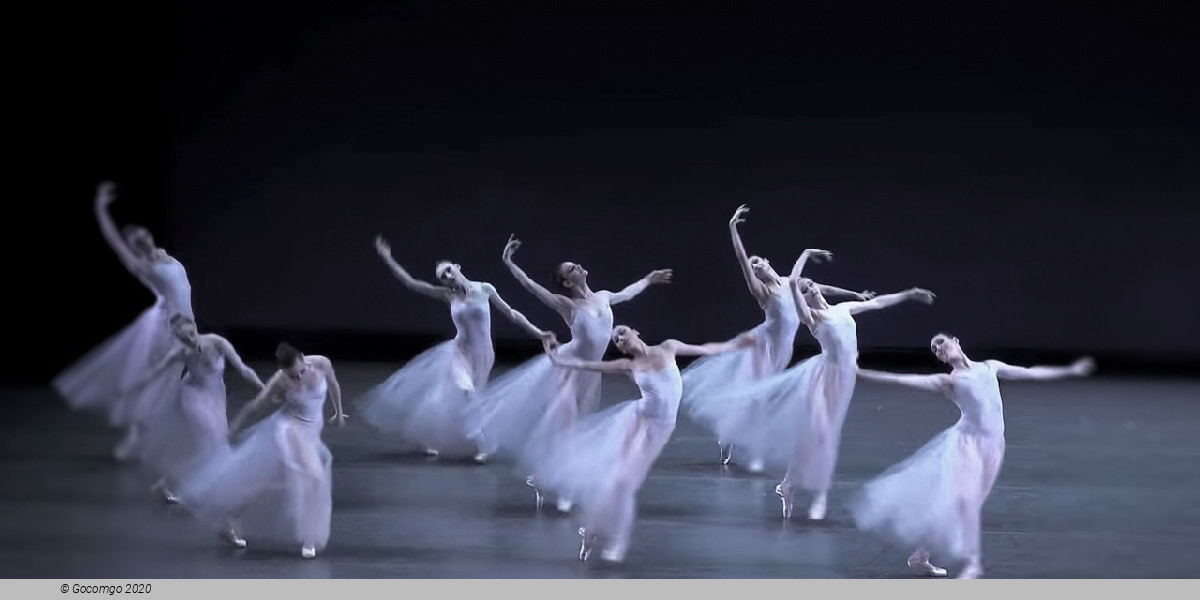
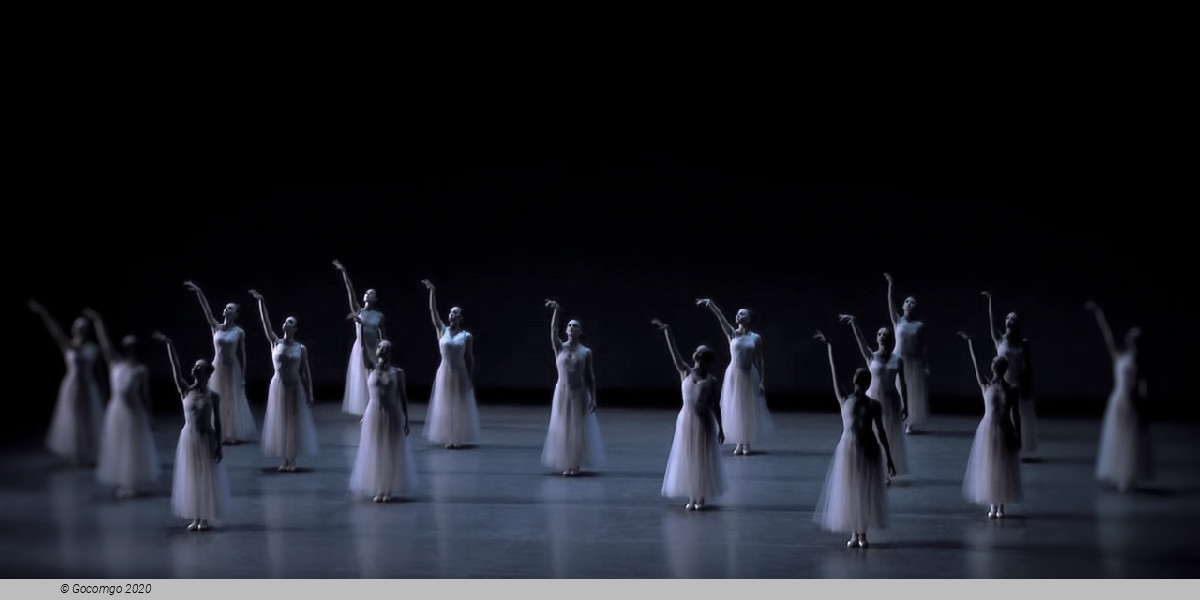
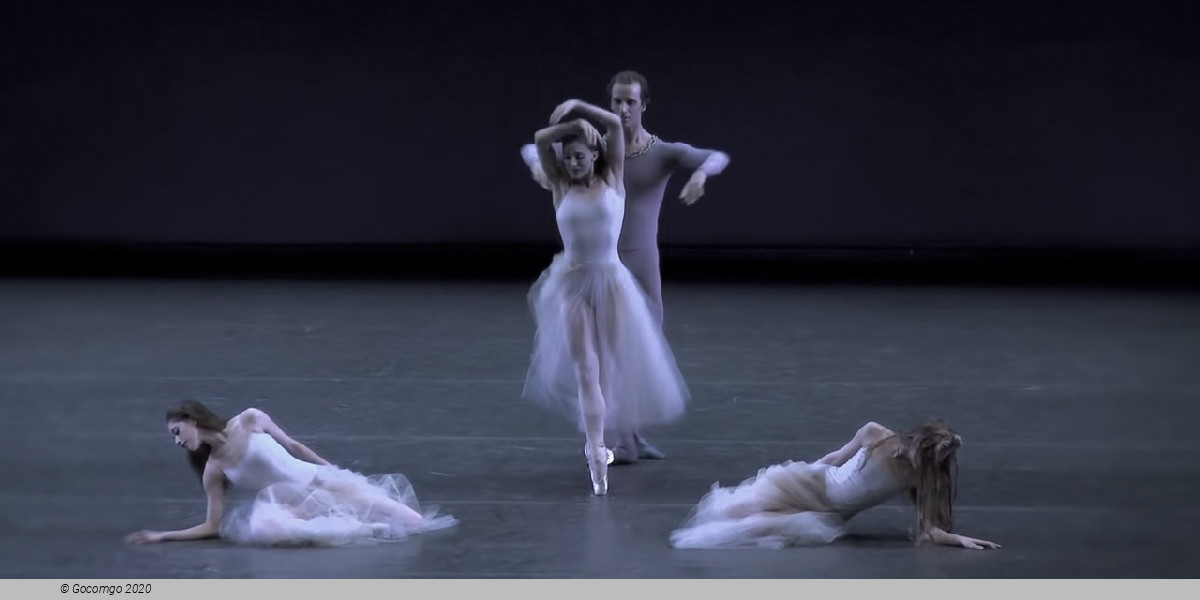
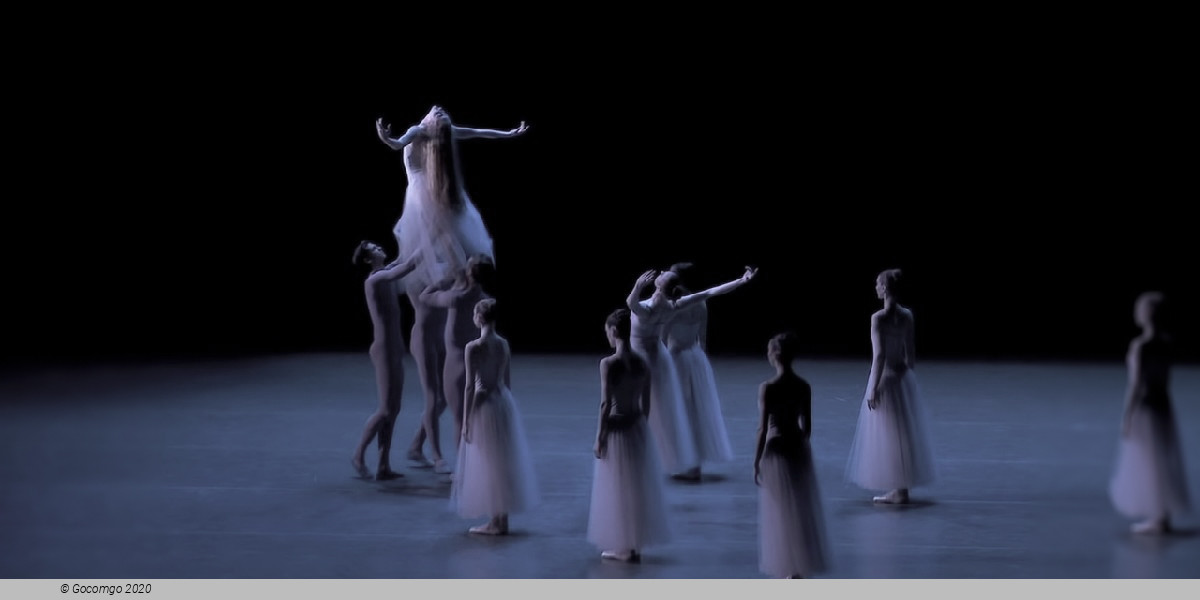
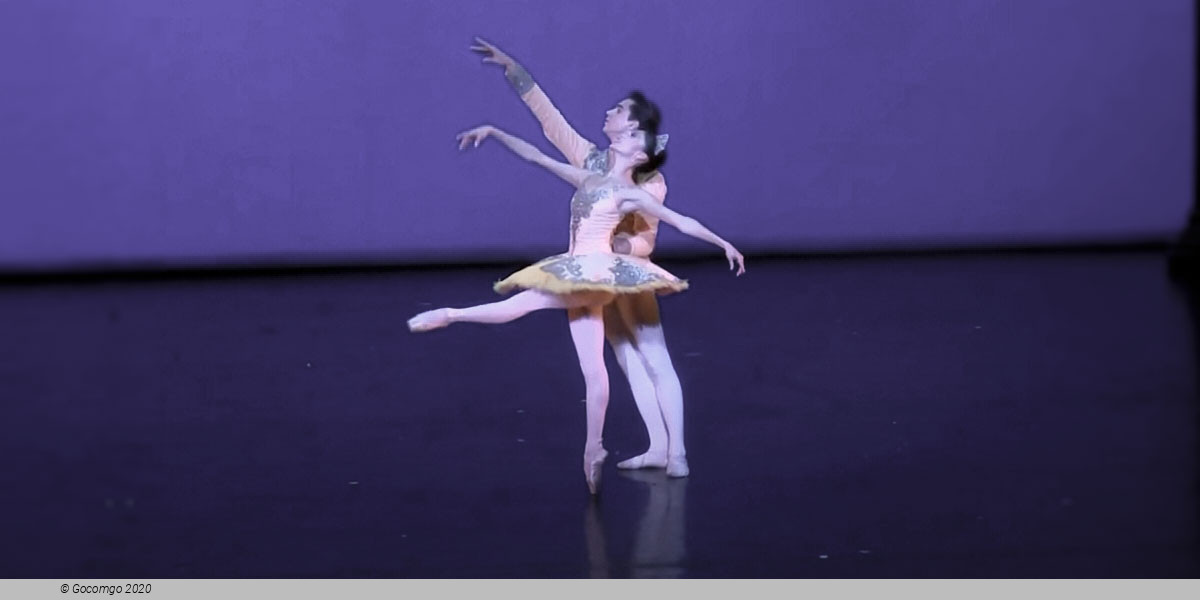
Serenade marked a turning point for Balanchine. The first ballet he made in America, created on students from the just-aborning School of American Ballet, it has remained a beloved highlight of the repertory ever since, with its haunting imagery and entrancing embrace of the shimmering Tschaikovsky score for strings. Exploring again the dance potential of Greek myth after 1928’s Apollo, Balanchine’s celebrated, intimate collaboration with Stravinsky subsequently brought forth Orpheus. And Balanchine returned to his cherished Tschaikovsky for Theme and Variations, a dazzling display of classical ballet culminating in an elegant polonaise.

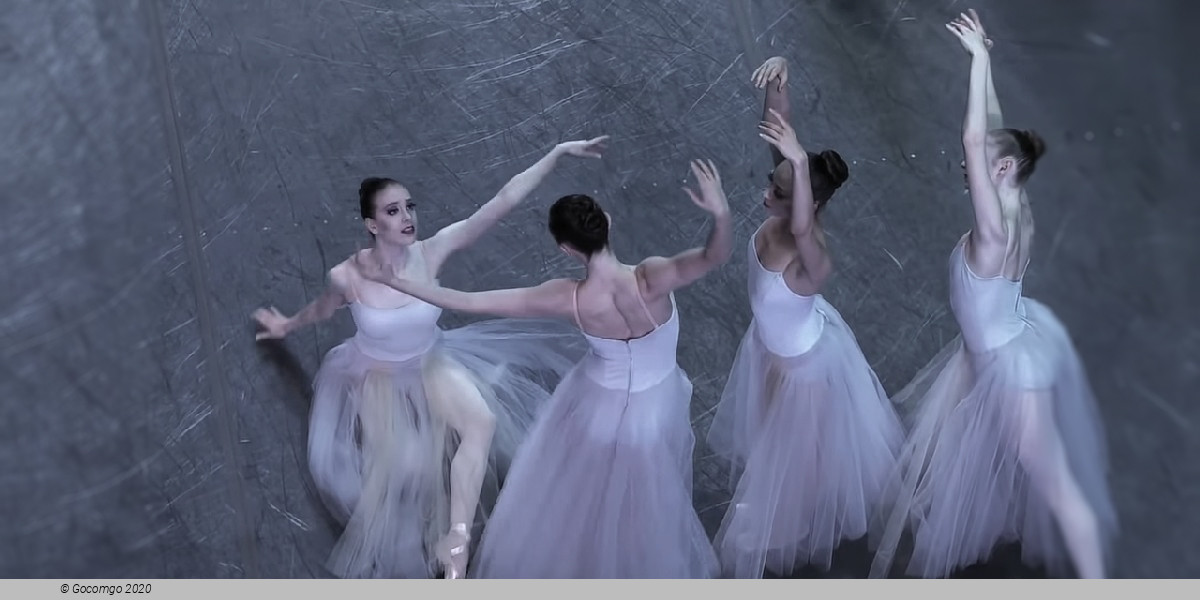
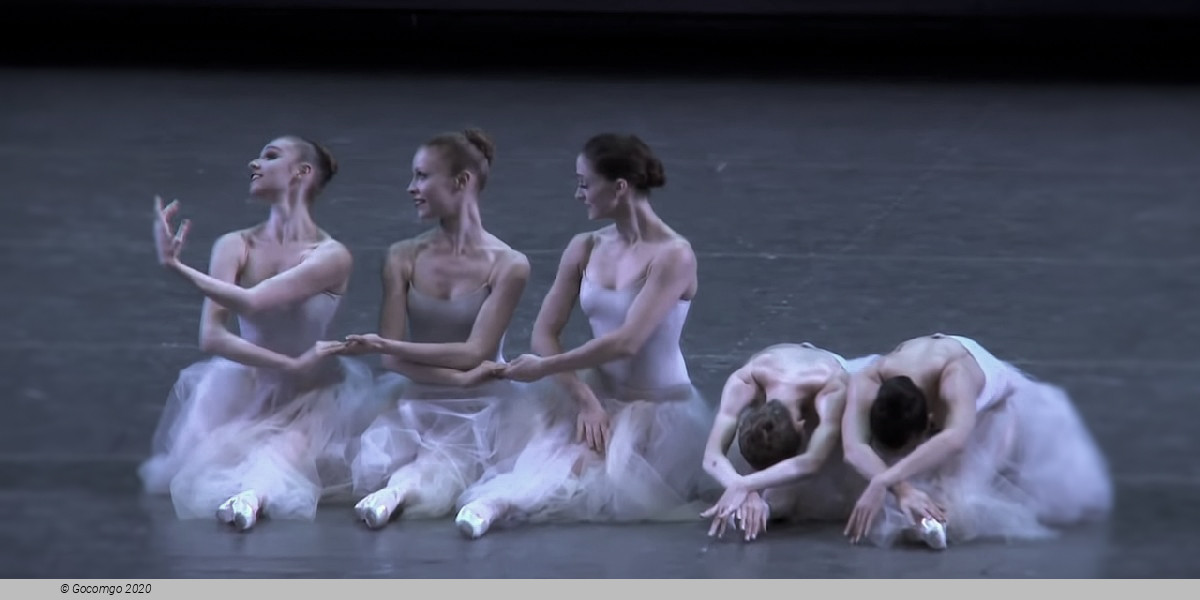
Serenade is a romantic work of immense sweep, set to a transcendent Tschaikovsky score.

Serenade is a milestone in the history of dance. It is the first original ballet George Balanchine created in America and is one of the signature works of New York City Ballet’s repertory. Balanchine began the ballet as a lesson in stage technique and worked unexpected rehearsal events into the choreography. A student’s fall or late arrival to rehearsal became part of the ballet.

After its initial presentation, Serenade was reworked several times. In its present form there are four movements: “Sonatina”, “Waltz”, “Russian Dance”, and “Elegy.” The last two movements reverse the order of Tschaikovsky’s score, ending the ballet on a note of sadness.

“In everything that I did to Tschaikovsky’s music, I sensed his help. It wasn’t real conversation. But when I was working and saw that something was coming of it, I felt that it was Tschaikovsky who had helped me.”

George Balanchine

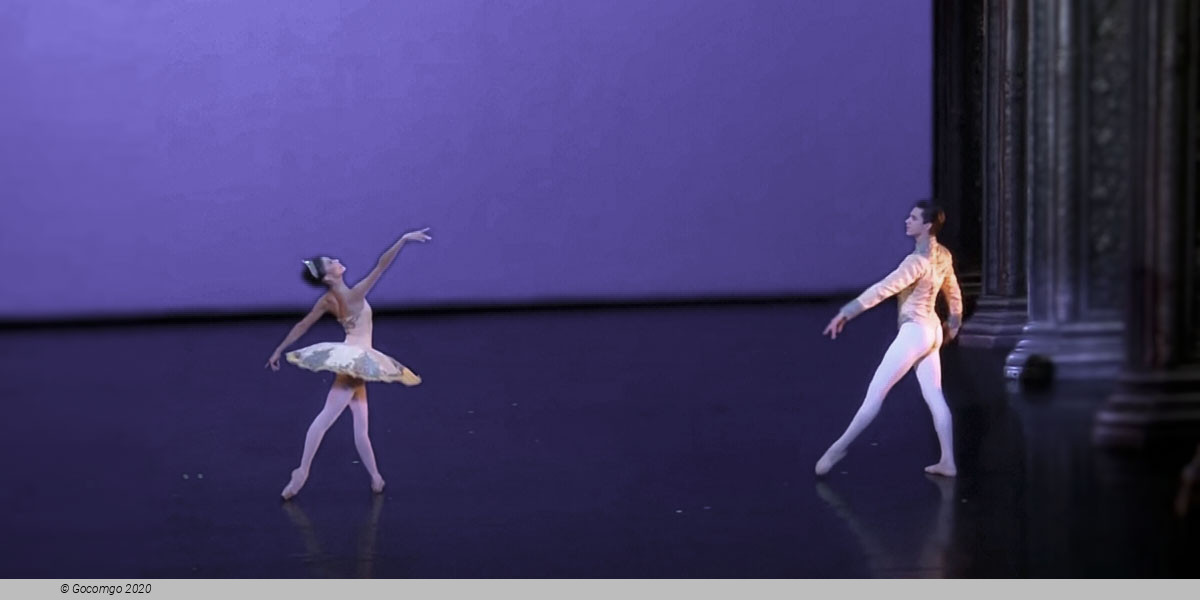
An iconic Balanchine work that was part of NYCB’s inaugural performance in 1948, this highly-stylized, narrative ballet depicts Orpheus’ journey to rescue his beloved Eurydice from the underworld.

Orpheus occupies a singular place in the history of New York City Ballet.  The score was commissioned from Stravinsky by Ballet Society and the composer worked in close collaboration with Balanchine on the ballet – a contemporary treatment of the story of Orpheus, the musician-poet of Greek myth, and his struggle to rescue his wife Eurydice from Hades.  It was a performance of this work that led Morton Baum, chairman of the executive committee of the City Center of Music and Drama, to invite Ballet Society to become its permanent ballet company, under the new name, New York City Ballet.  Orpheus was presented with Concerto Barocco and Symphony in C at the New York City Ballet’s first performance on October 11, 1948.

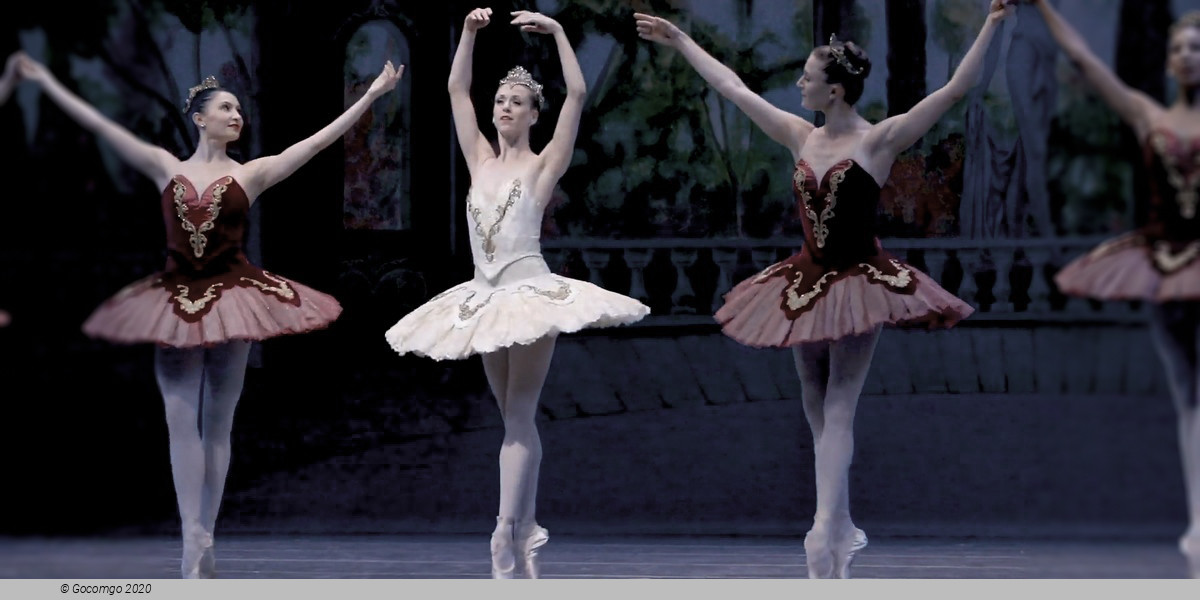
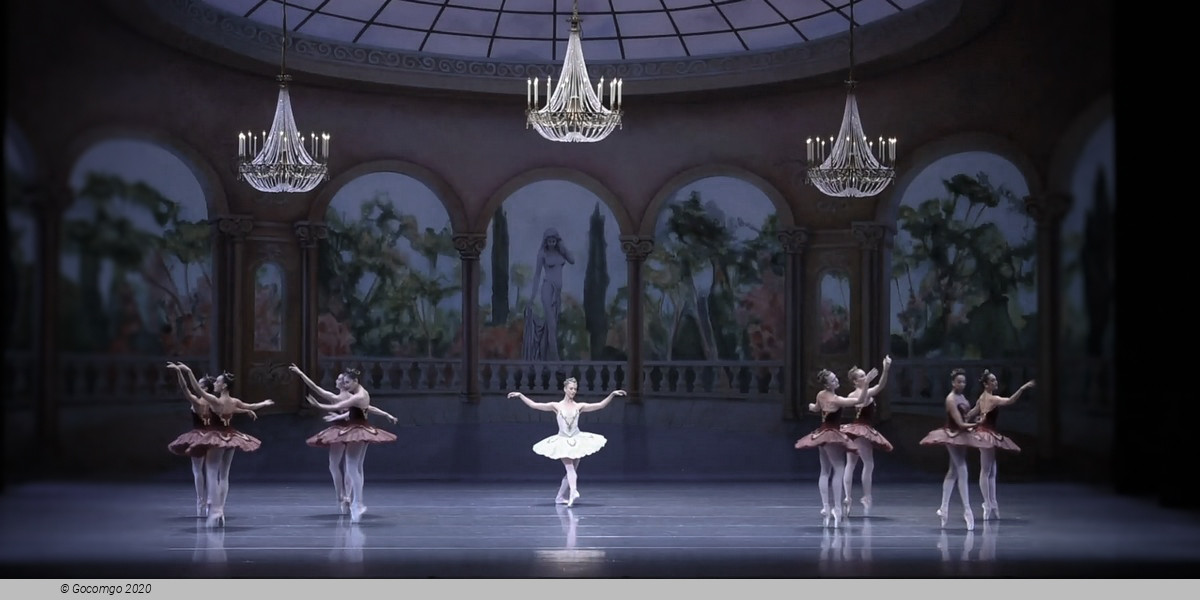
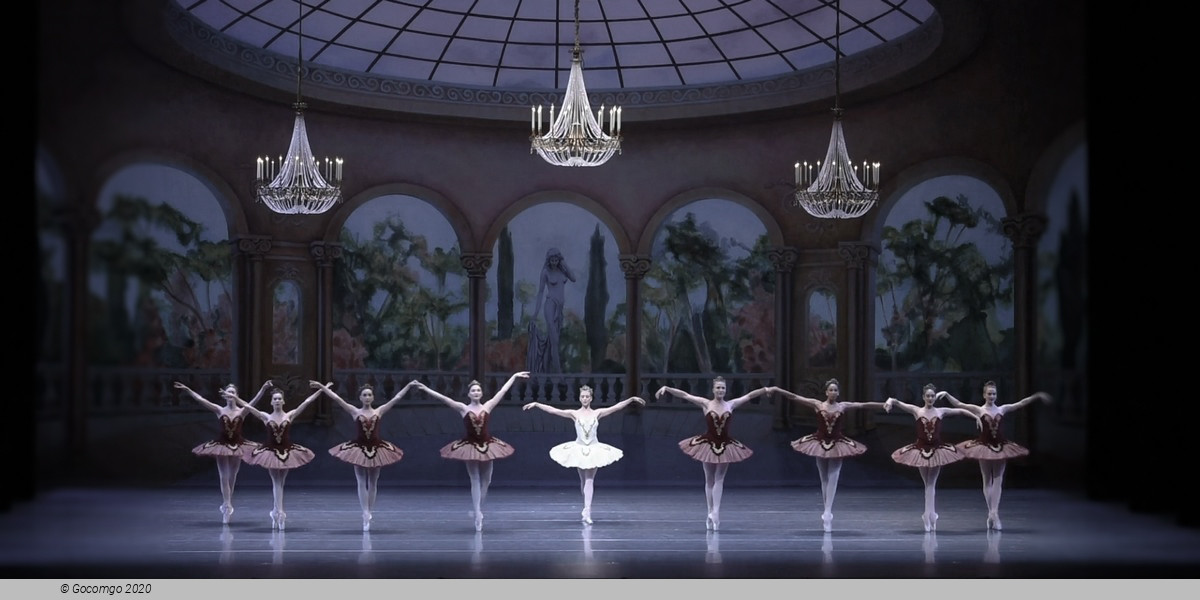
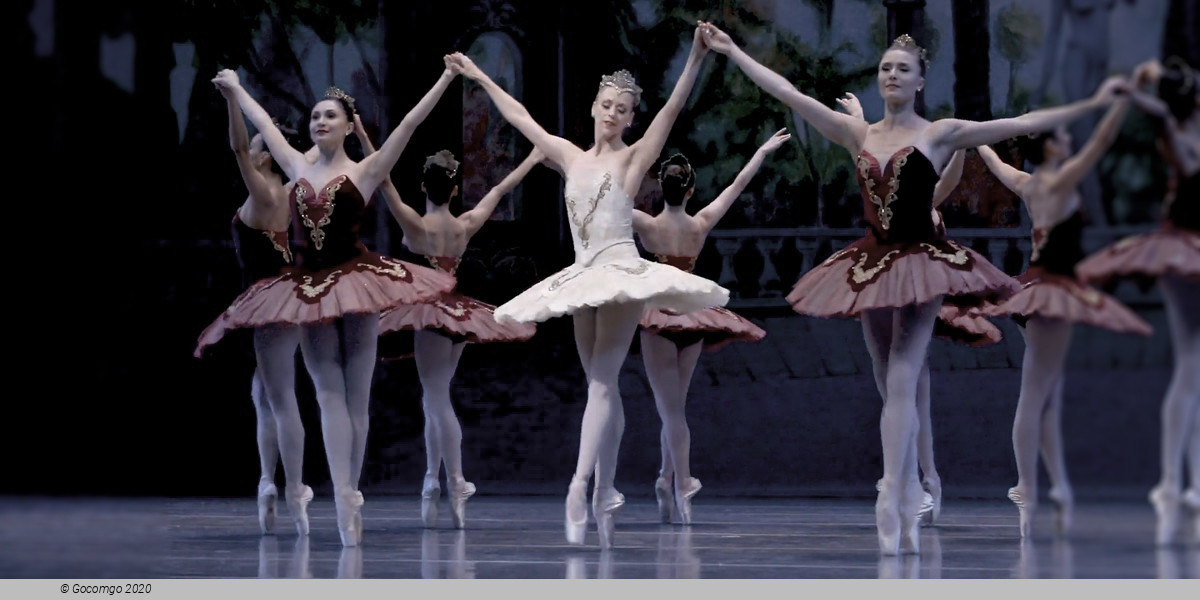
A work that drips with gilded grandeur, Theme and Variations pays tribute to Balanchine’s imperial Russia with its regal structure and sumptuous Tschaikovsky score.

An intensive display of the classical ballet lexicon, Theme and Variations was intended, as Balanchine wrote, “to evoke that great period in classical dancing when Russian ballet flourished with the aid of Tschaikovsky’s music.” Set to the final movement of Tschaikovsky’s third orchestral suite, the score consists of a theme and 12 variations, culminating in a polonaise in the Imperial style. Arguably the most substantial part of the suite, Tschaikovsky himself began the concert tradition of playing this final movement as a separate piece. Balanchine created Theme and Variations in 1947 for Ballet Theatre (now American Ballet Theatre), and it briefly entered the NYCB repertory in 1960. In 1970 Balanchine used the complete orchestral suite to create Tschaikovsky Suite No. 3, and Theme and Variations, with a few minor revisions, returned to the repertory as the fourth and final movement of the ballet.


History
Premiere of this production: 01 March 1935, Adelphi Theatre New York City, United States

Serenade is a ballet by George Balanchine to Tschaikovsky's 1880 Serenade for Strings in C, Op. 48. Balanchine presented the ballet as his response to the generous sponsorships he received during his immigration to America. The official premiere took place on 1 March 1935 with the American Ballet at the Adelphi Theatre, New York, conducted by Sandor Harmati.


Premiere of this production: 28 April 1948, City Center of Music and Drama, New York

Orpheus is a thirty-minute neoclassical ballet in three tableaux composed by Igor Stravinsky in collaboration with choreographer George Balanchine in Hollywood, California in 1947. The work was commissioned by the Ballet Society, which Balanchine founded together with Lincoln Kirstein and of which he was Artistic Director. Sets and costumes were created by Isamu Noguchi.

Premiere of this production: 26 November 1947, City Center 55 Street Theater

Theme and Variations is a ballet choreographed by George Balanchine to the final movement of Tchaikovsky's Orchestral Suite No. 3. The ballet was made for Ballet Theatre (now American Ballet Theatre), and premiered on November 26, 1947, at the City Center 55 Street Theater, with the two leads danced by Alicia Alonso and Igor Youskevitch.

Venue Info

New York City Ballet (David H. Koch Theater) - New York
Location   20 Lincoln Center Plaza

The David H. Koch Theater is the major theater for ballet, modern, and other forms of dance, part of the Lincoln Center, at the intersection of Columbus Avenue and 63rd Street in the Lincoln Square neighborhood of Manhattan in New York City. Originally named the New York State Theater, the venue has been home to the New York City Ballet since its opening in 1964, the secondary venue for the American Ballet Theatre in the fall, and served as home to the New York City Opera from 1964 to 2011.

The New York State Theater was built with funds from the State of New York as part of New York State's cultural participation in the 1964–1965 World's Fair. The theater was designed by architects Philip Johnson and John Burgee, and opened on April 23, 1964. After the Fair, the State transferred ownership of the theater to the City of New York.

Along with the opera and ballet companies, another early tenant of the theater was the now defunct Music Theater of Lincoln Center whose president was composer Richard Rodgers. In the mid-1960s, the company produced fully staged revivals of classic Broadway musicals. These included The King and I; Carousel (with original star, John Raitt); Annie Get Your Gun (revised in 1966 by Irving Berlin for its original star, Ethel Merman); Show Boat; and South Pacific.

The theater seats 2,586 and features broad seating on the orchestra level, four main “Rings” (balconies), and a small Fifth Ring, faced with jewel-like lights and a large spherical chandelier in the center of the gold latticed ceiling.

The lobby areas of the theater feature many works of modern art, including pieces by Jasper Johns, Lee Bontecou, and Reuben Nakian.

Important Info
Type: Ballet
City: New York, USA
Starts at: 14:00
Top of page