
New York City Ballet (David H. Koch Theater) 9 February 2025 - Innovators and Icons | GoComGo.com

Innovators and Icons

New York City Ballet (David H. Koch Theater), Main Stage, New York, USA
All photos (6)
Select date and time
3 PM

E-tickets: Print at home or at the box office of the event if so specified. You will find more information in your booking confirmation email.

You can only select the category, and not the exact seats.
If you order 2 or 3 tickets: your seats will be next to each other.
If you order 4 or more tickets: your seats will be next to each other, or, if this is not possible, we will provide a combination of groups of seats (at least in pairs, for example 2+2 or 2+3).

Important Info
Type: Ballet
City: New York, USA
Starts at: 15:00

E-tickets: Print at home or at the box office of the event if so specified. You will find more information in your booking confirmation email.

You can only select the category, and not the exact seats.
If you order 2 or 3 tickets: your seats will be next to each other.
If you order 4 or more tickets: your seats will be next to each other, or, if this is not possible, we will provide a combination of groups of seats (at least in pairs, for example 2+2 or 2+3).

Overview

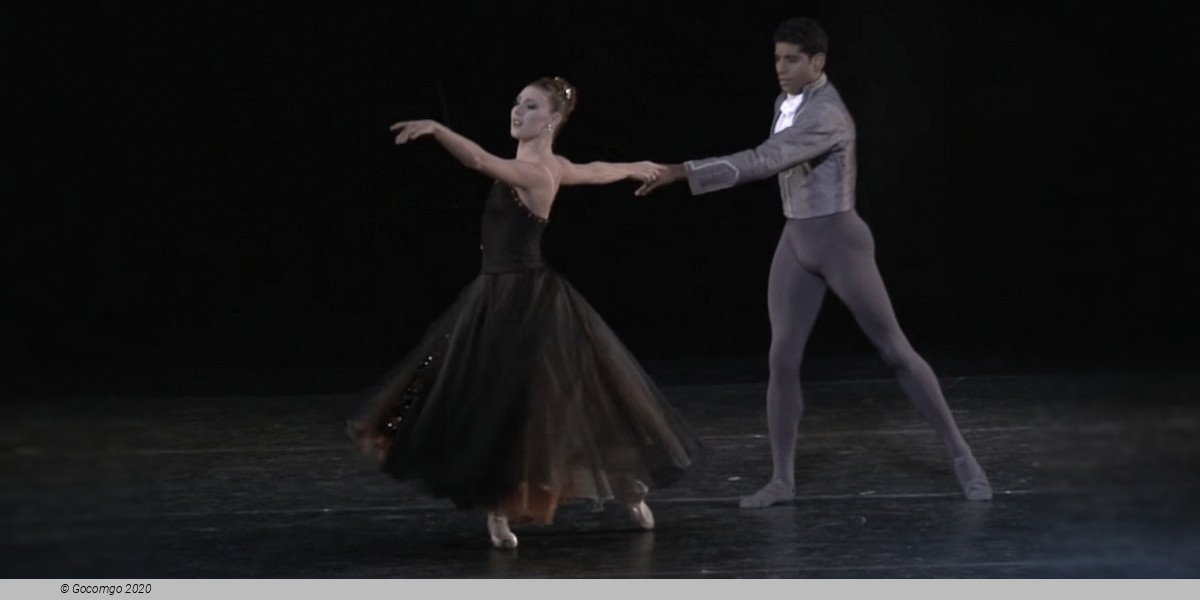
Following his acclaimed Winter 2024 ballet Solitude, NYCB Artist in Residence Alexei Ratmansky choreographs his eighth ballet for the Company, set to music by Léon Minkus.

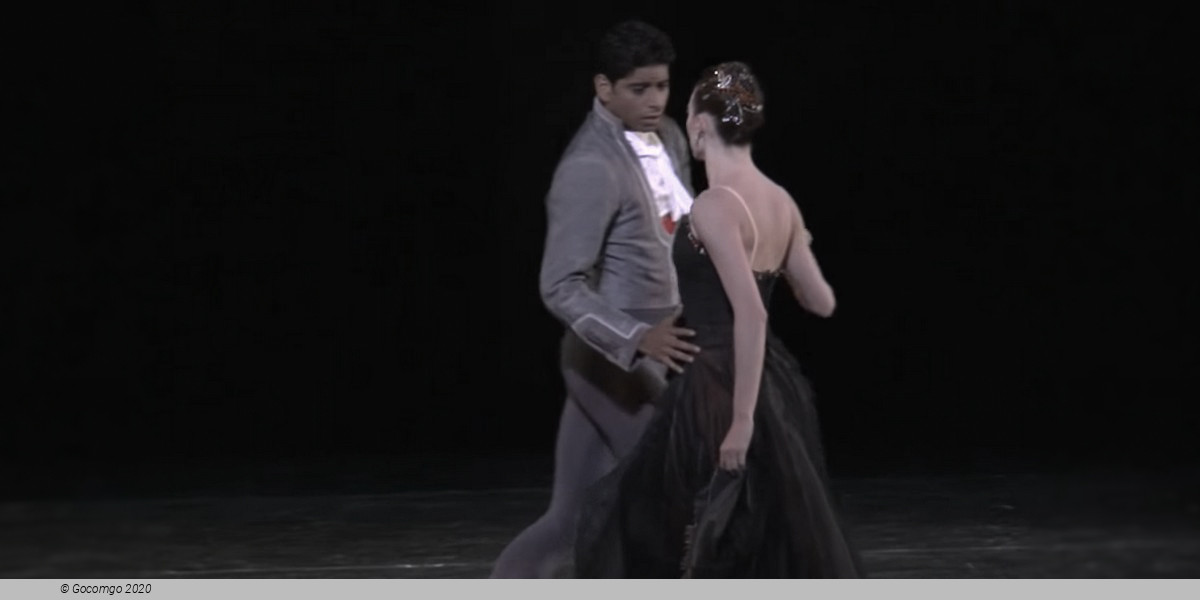
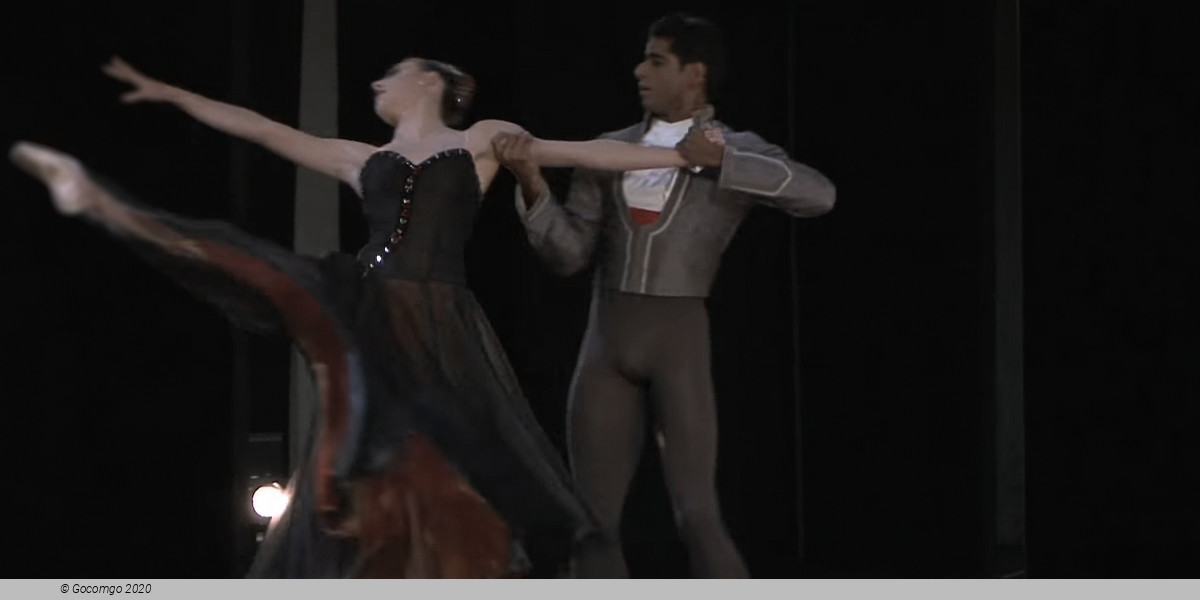
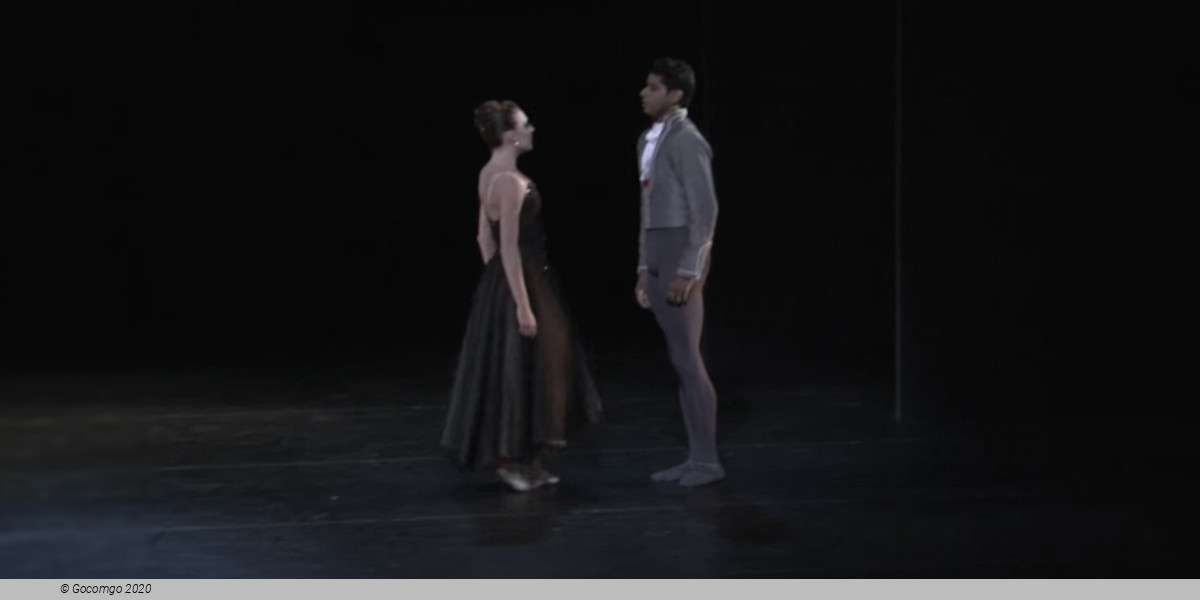
Exploring his fascination with the music of Chopin, Robbins created three vastly contrasting sets of lovers, from innocent to impetuous, who meet beneath a midnight sky.

After the enormous popularity of Dances at a Gathering in 1969, Jerome Robbins built on his love affair with Chopin’s piano works with In the Night.  While the earlier ballet primarily uses mazurkas, waltzes, and études, In the Night, which premiered in 1970, conjures up a post-dusk scenario to four of the composer’s nocturnes. Choreographed for three couples of distinct personality, the ballet uses the music as a jumping-off point to explore subtle dance dramas. The Nocturne Op. 27, No. 1 takes on a stately quality before melting into lyricism. Nocturnes Op. 55, No. 1 and No. 2 are, respectively, bittersweet, and tempestuous in their melodies. The final piece, Nocturne Op. 9, No. 2 uses the rondo form, but in a tender, almost ethereal andante.

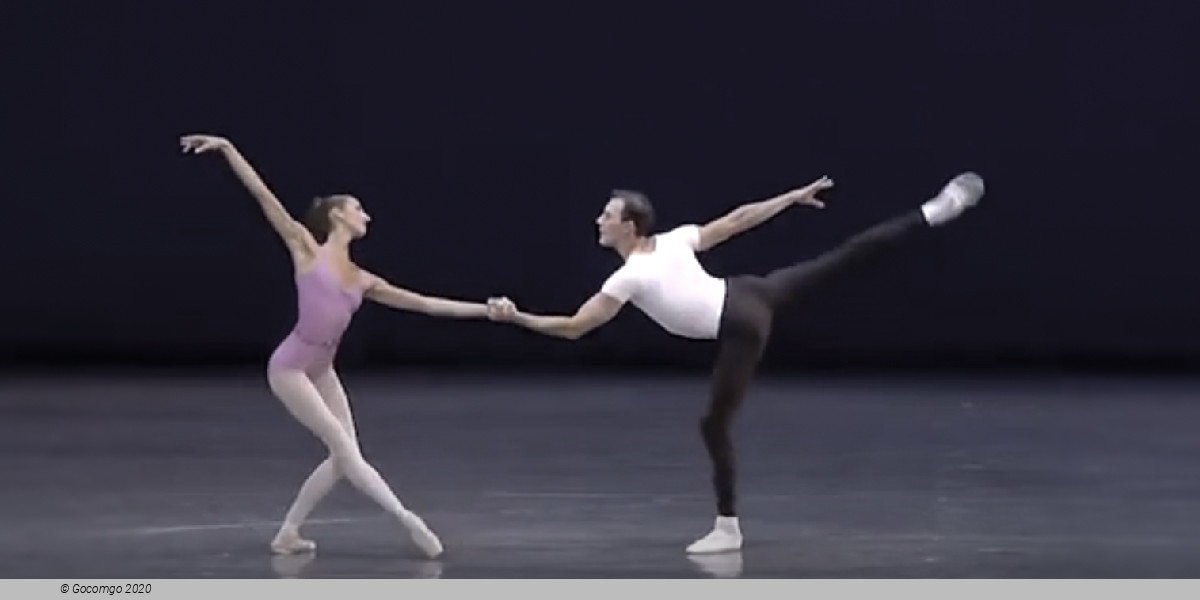
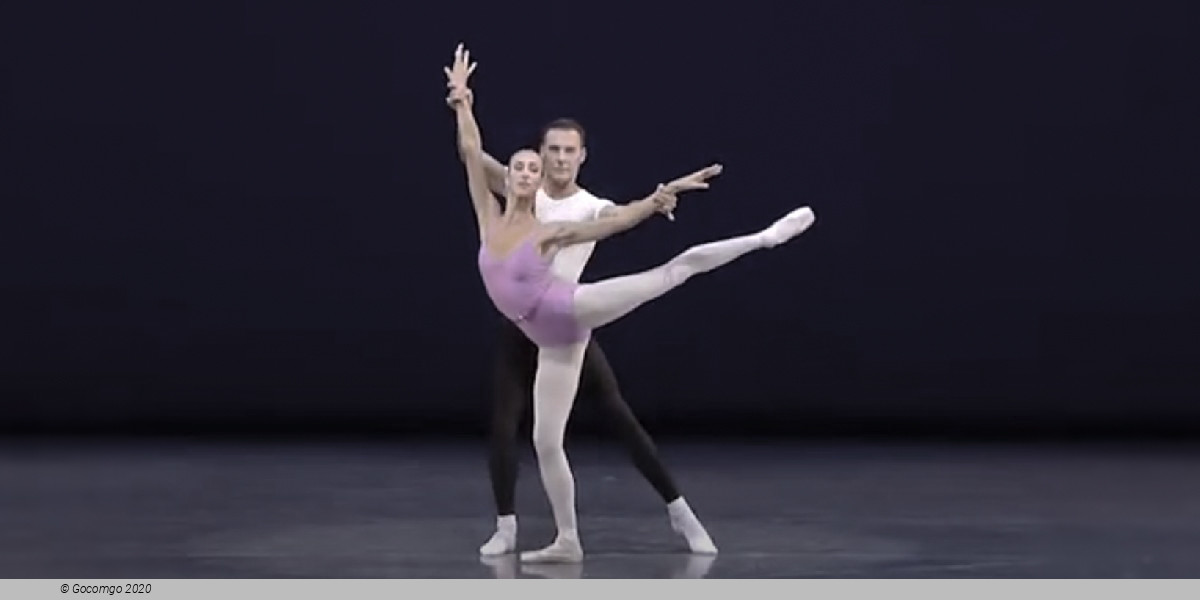
One of Balanchine’s most celebrated leotard ballets, Symphony in Three Movements is bold and breathtakingly jet-propelled, a kinetic achievement, striking for its confidence and power.

For New York City Ballet’s 1972 Stravinsky Festival, Balanchine choreographed several notable masterpieces, including the majestic Symphony in Three Movements.  Stravinsky had suggested the music as a ballet when the choreographer visited the composer in Hollywood during World War II. Despite its 21 minute length, the piece evokes a fuller symphonic breadth with two instruments, the harp and piano, providing the dominant contrasts. “Each instrument has a large obbligato role in a movement to itself, and only at the turning- point fugue…do the two play together and unaccompanied,” said Stravinsky. The signature Stravinsky propulsive rhythm is mirrored by the angular, athletic choreography for soloists and a large ensemble, although the second andante movement, originally composed for an apparition scene in the movie Song of Bernadette, is reserved for a meditative pas de deux. One of Balanchine’s “leotard” ballets, the work requires no scenic or narrative distractions from the complexity of the choreography.

It was during his tenure at the legendary Ballets Russes, from 1924 until the death of Serge Diaghilev in 1929, that Balanchine met Igor Stravinsky, marking the start of a long-time artistic partnership between two kindred spirits. Balanchine's Symphony in Three Movements was created for the Stravinsky Festival in 1972. With sporty and athletic elements, this snappy, snazzy ballet is a testament to Balanchine’s pioneering spirit and exceptional musicality.

History
Premiere of this production: 29 January 1970, New York State Theater, New York

In the Night is a ballet in one act made by New York City Ballet ballet master Jerome Robbins to nocturnes of Frédéric Chopin. The premiere took place on Thursday, January 29, 1970 at the New York State Theater, Lincoln Center, with costumes by Anthony Dowell and lighting by Jennifer Tipton. Robbins created three other ballets to Chopin's music: The Concert (1956), Dances at a Gathering (1969), and Other Dances (1976), made on Mikhail Baryshnikov and Natalia Makarova.

Premiere of this production: 18 June 1972, New York State Theater

Symphony in Three Movements is a neoclassical ballet choreographed by George Balanchine to the music of the same name by Stravinsky. The ballet was made for the New York City Ballet Stravinsky Festival in 1972, a tribute to the composer following his death. The ballet premiered on June 18, 1972, at the New York State Theater.

Venue Info

New York City Ballet (David H. Koch Theater) - New York
Location   20 Lincoln Center Plaza

The David H. Koch Theater is the major theater for ballet, modern, and other forms of dance, part of the Lincoln Center, at the intersection of Columbus Avenue and 63rd Street in the Lincoln Square neighborhood of Manhattan in New York City. Originally named the New York State Theater, the venue has been home to the New York City Ballet since its opening in 1964, the secondary venue for the American Ballet Theatre in the fall, and served as home to the New York City Opera from 1964 to 2011.

The New York State Theater was built with funds from the State of New York as part of New York State's cultural participation in the 1964–1965 World's Fair. The theater was designed by architects Philip Johnson and John Burgee, and opened on April 23, 1964. After the Fair, the State transferred ownership of the theater to the City of New York.

Along with the opera and ballet companies, another early tenant of the theater was the now defunct Music Theater of Lincoln Center whose president was composer Richard Rodgers. In the mid-1960s, the company produced fully staged revivals of classic Broadway musicals. These included The King and I; Carousel (with original star, John Raitt); Annie Get Your Gun (revised in 1966 by Irving Berlin for its original star, Ethel Merman); Show Boat; and South Pacific.

The theater seats 2,586 and features broad seating on the orchestra level, four main “Rings” (balconies), and a small Fifth Ring, faced with jewel-like lights and a large spherical chandelier in the center of the gold latticed ceiling.

The lobby areas of the theater feature many works of modern art, including pieces by Jasper Johns, Lee Bontecou, and Reuben Nakian.

Important Info
Type: Ballet
City: New York, USA
Starts at: 15:00
Top of page