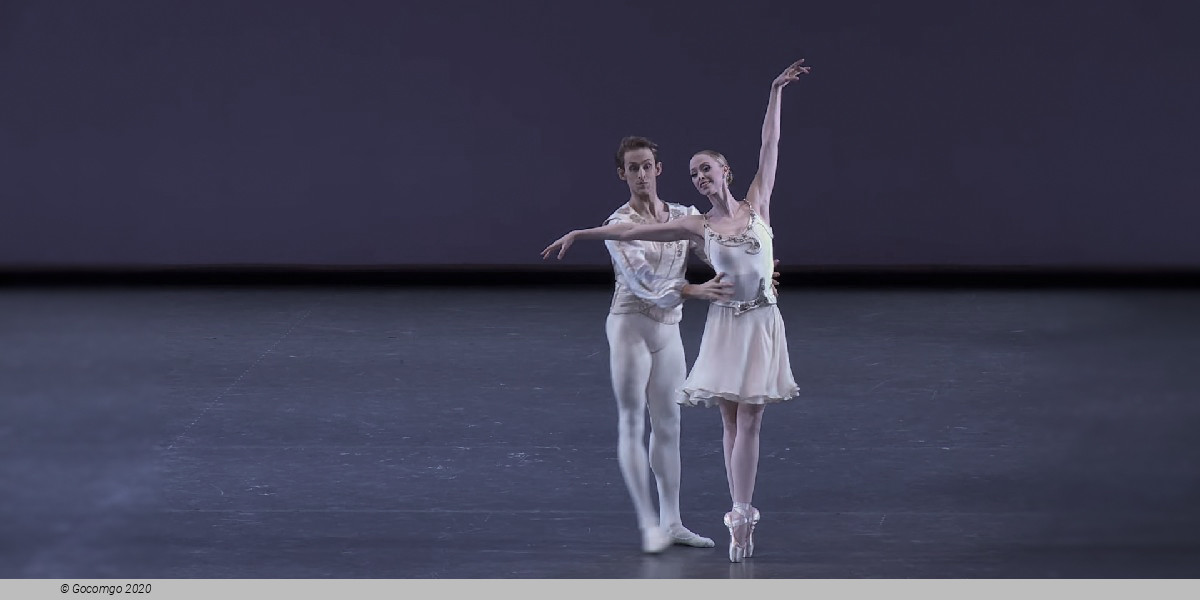
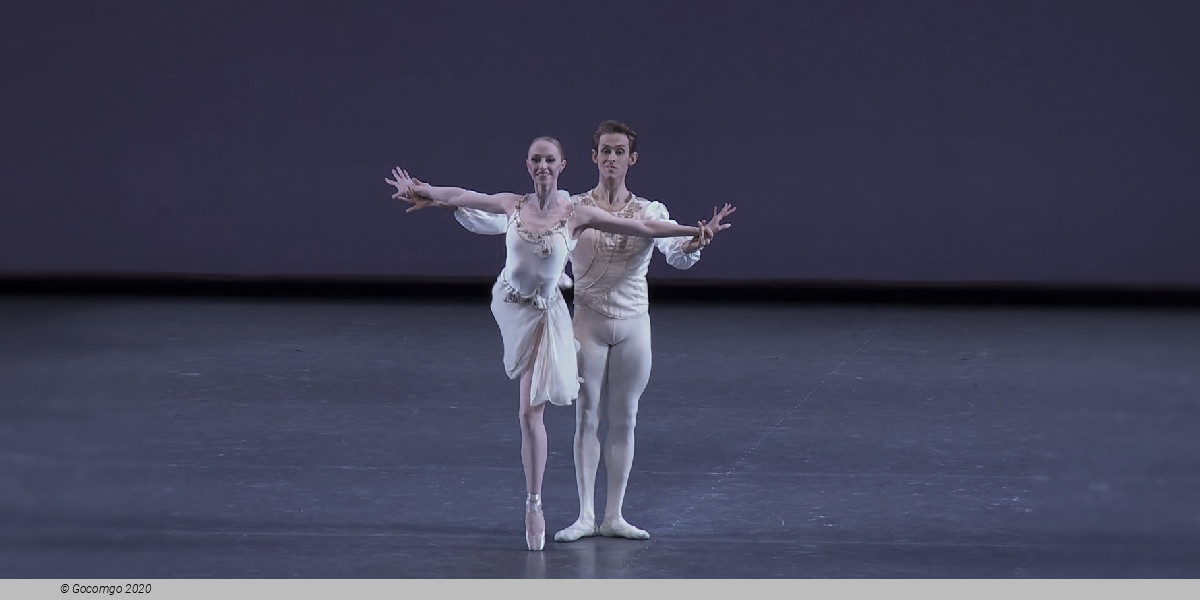
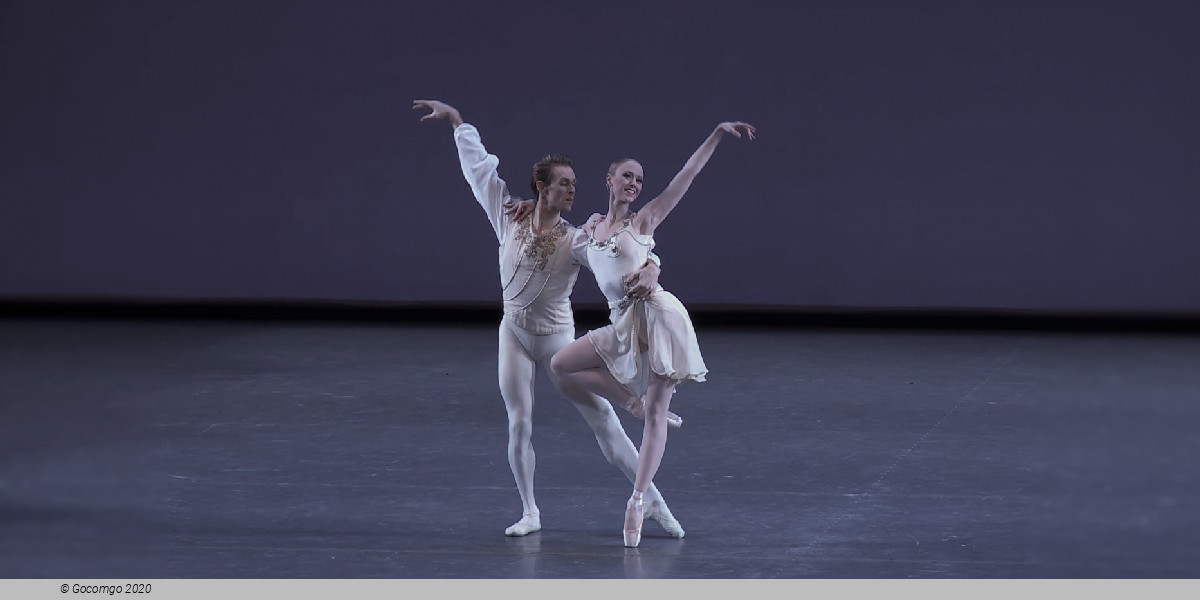
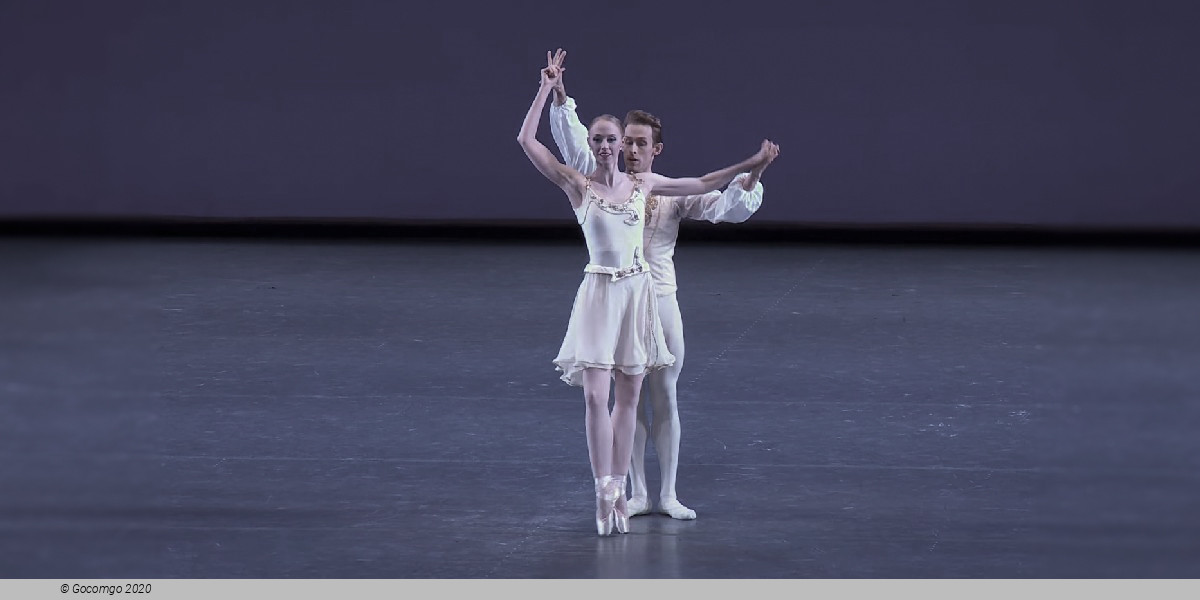
Since making the leap from Denmark into the ranks of NYCB in 2002, Principal Dancer Ask la Cour has spent almost two decades impressing audiences with his heartfelt drama and unassuming presence, ever a generous partner to his ballerinas. Join us in applauding Ask as he takes his final bow with New York City Ballet.
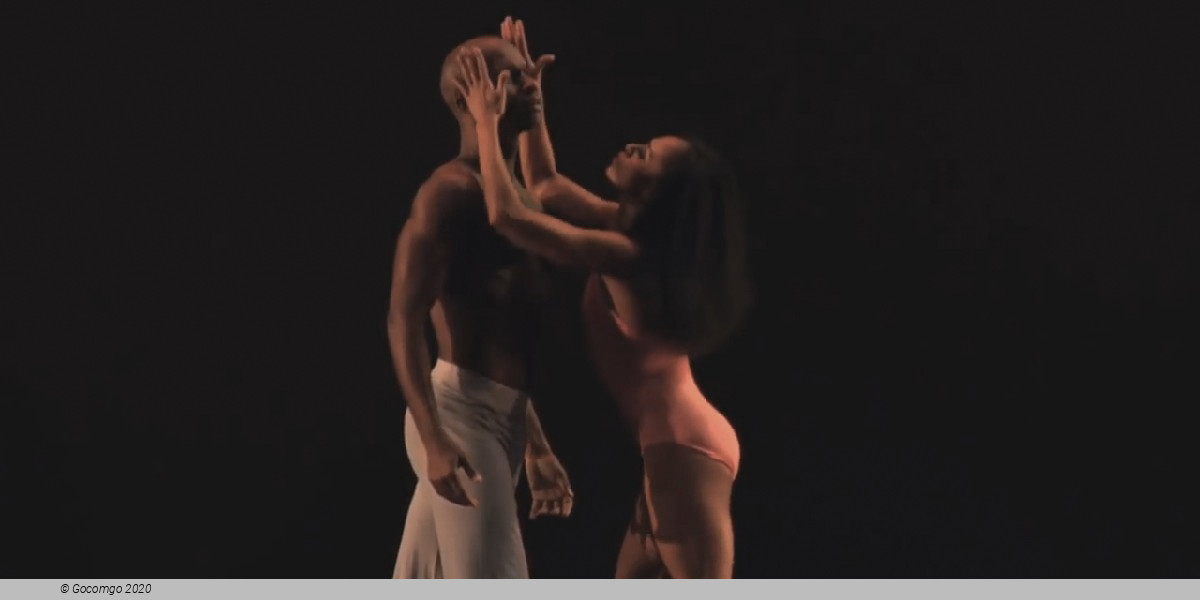
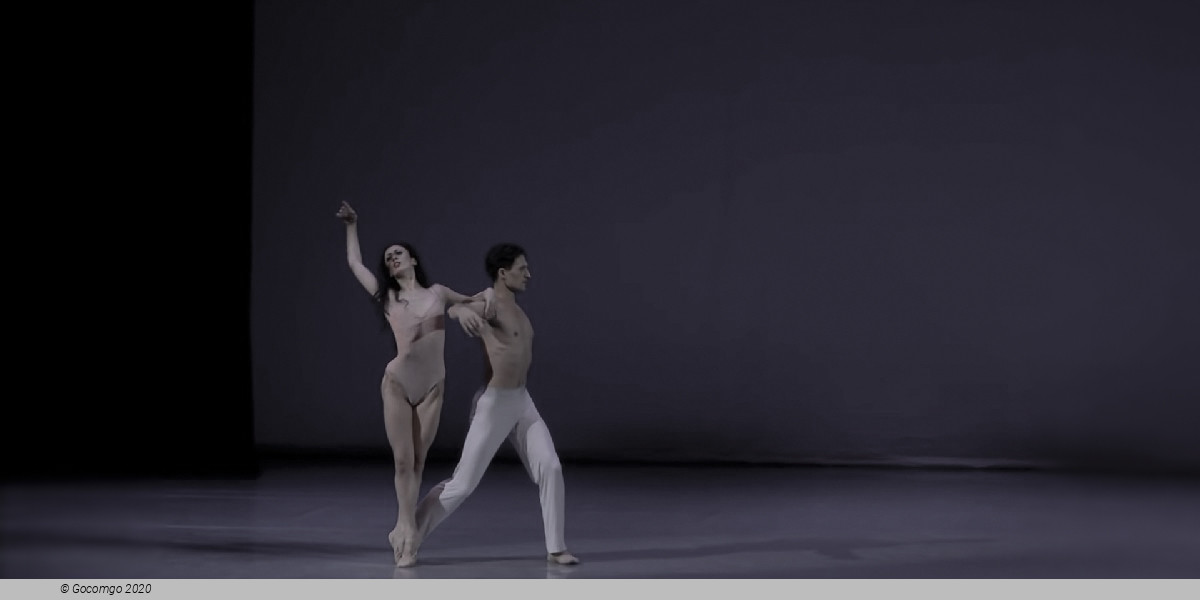
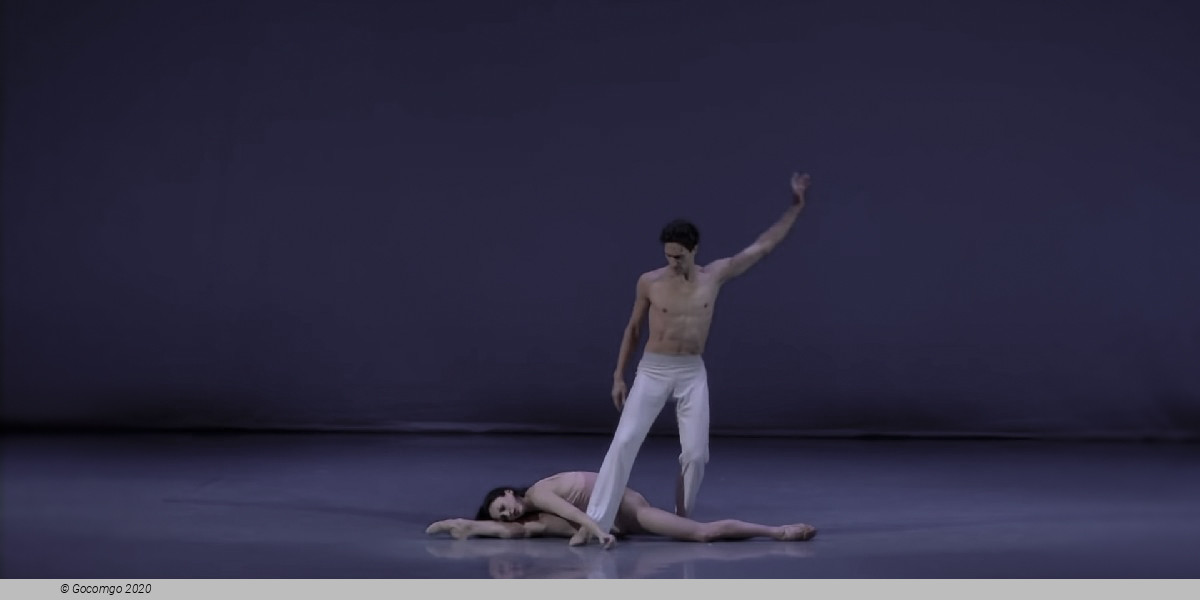
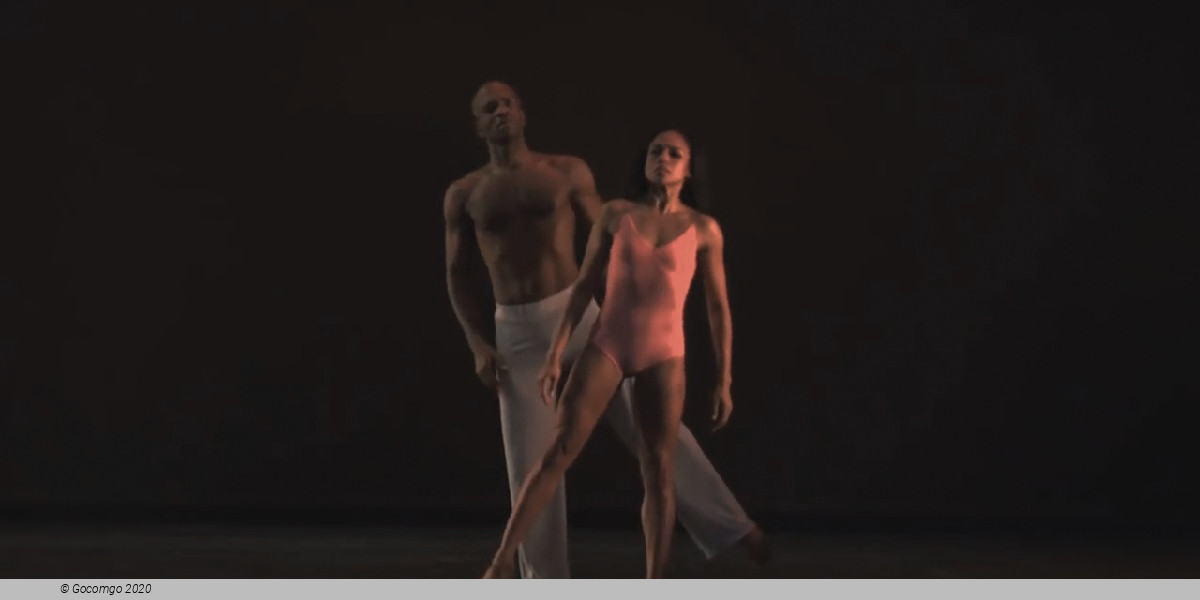
Ask is scheduled to appear in Monumentum pro Gesualdo, Movements for Piano and Orchestra, and After the Rain Pas de Deux.
Known for its plush refinement, this streamlined leotard ballet arrests viewers with its formal beauty and simplicity.
The music for Monumentum pro Gesualdo was composed to honor the 400th birthday of Don Carlo Gesualdo, Prince of Venosa, (1560-1613), the 16th century’s most chromatic—and having been suspected of murder, most scandalous—composer. The score was first performed on September 27, 1960, at the 23rd Venice Music Festival at La Fenice, with Stravinsky conducting. Of the score, Stravinsky said, “My Monumentum was intended to commemorate the 400th anniversary of one of the most personal and original musicians ever born to my art.” Balanchine created this ballet in November 1960, less than two months after the score premiered.
A signature leotard ballet, Movements for Piano and Orchestra's dissonance and electric currents sweep on a wave of exacting precision.
The score for this ballet, composed during 1958-59, uses the serial technique and is divided into five sections. As the title indicates it is for solo piano and orchestra, and Stravinsky told Balanchine that Movements for Piano and Orchestra might just as well have been called “Electric Currents.” Balanchine said of this intricate piece: “Nothing gave me greater pleasure afterwards than Stravinsky’s saying the performance ‘was like a tour of a building for which I had drawn the plans but never explored the result.” Although Monumentum Pro Gesualdo and Movements for Piano and Orchestra were choreographed separately, Balanchine eventually paired them for performance, an arrangement that has been retained since 1966.
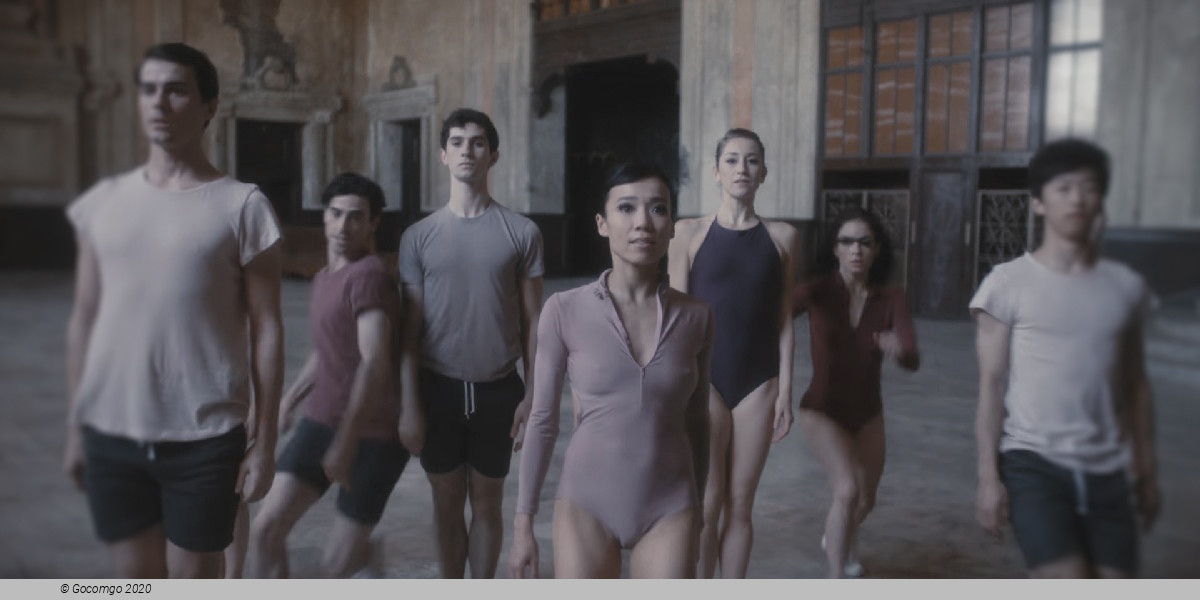
Justin Peck’s Rotunda, featuring a commissioned score from acclaimed American composer Nico Muhly, creates an overarching sense of community through punctuated mirroring and ensemble groupings, inspiring reflection, delight, and intrigue.
By turns elegiac and courtly, Chaconne begins with a dreamlike prologue and concludes with a grand series of classical dances.
A chaconne is a dance, built on a short phrase in the bass, that was often used by composers of the 17th and 18th centuries to end an opera in a festive mood. This choreography, first performed in the 1963 Hamburg State Opera production of Orfeo ed Euridice, was somewhat altered for presentation as the ballet Chaconne particularly in the sections for the principal dancers.
Balanchine's first Orfeo was made for the Metropolitan Opera in 1936. His novel approach — the singers remained in the pit while the action was danced on stage — was not well received, and the production had only two performances. In addition to the Hamburg production, he choreographed other versions of the opera for the Théâtre National de l'Opéra, Paris in 1973 and the Chicago Lyric Opera in 1975.
While having roots in earlier opera productions, Chaconne is pure dance. The opening pas de deux and following ensemble are lyrical and flowing. The second part has the spirit of a court entertainment, with formal divertissements, bravura roles for the principal dancers, and, of course, a concluding chaconne.
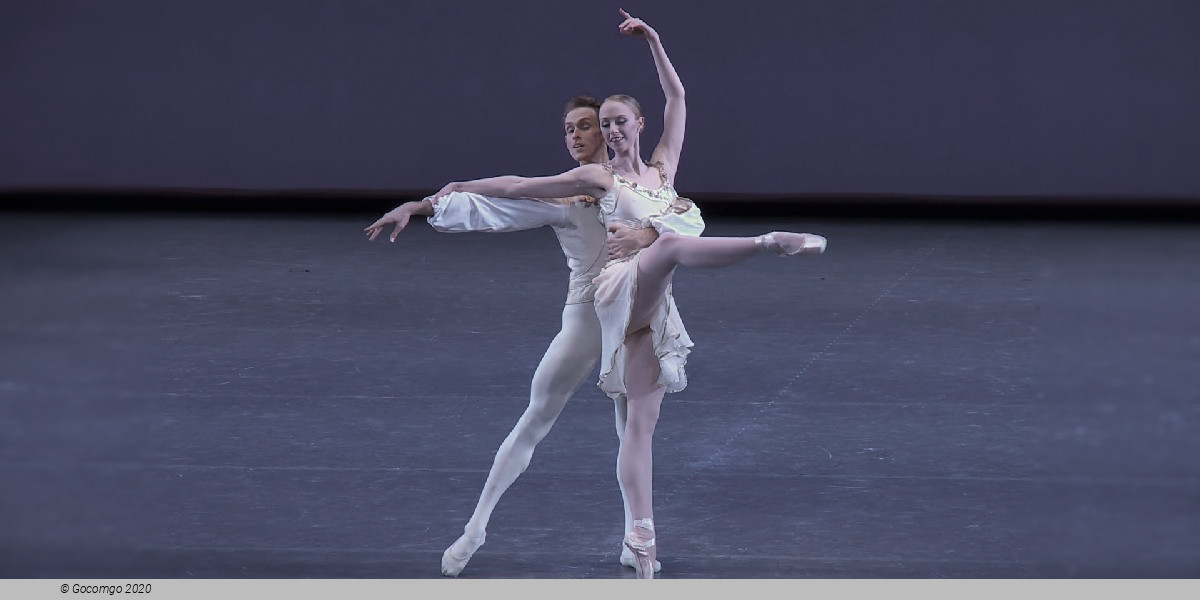
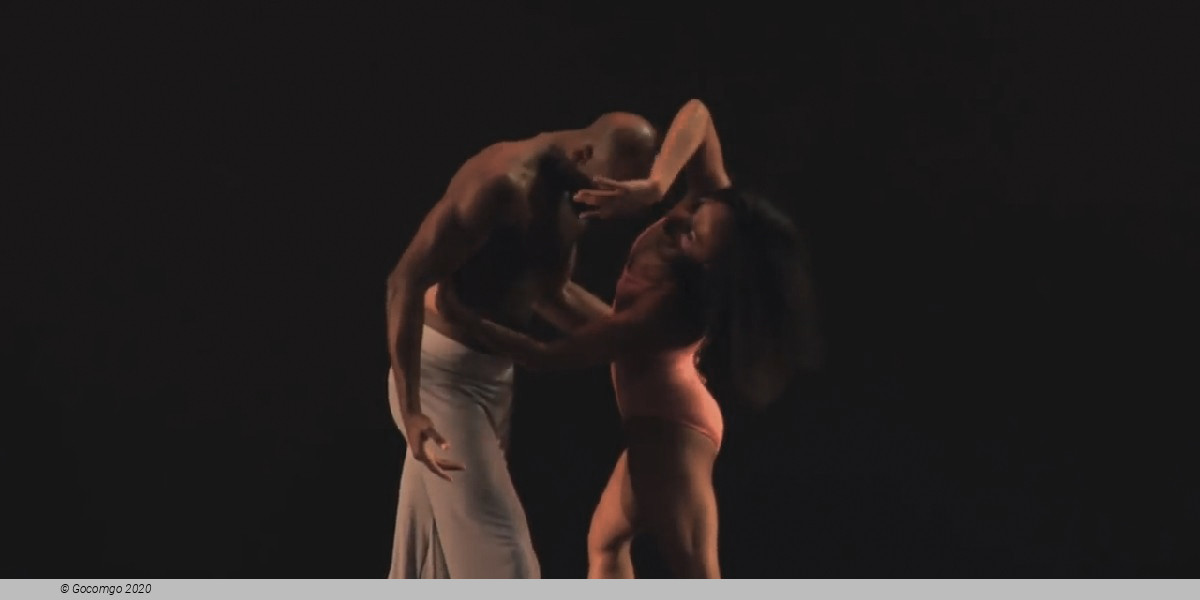
Full of heartfelt emotion, this simple yet stirring pas de deux leaves audiences in silent awe.
Christopher Wheeldon’s After the Rain premiered in 2005 at NYCB’s annual New Combinations Evening, which honors the anniversary of George Balanchine’s birth with world premiere ballets. A ballet in two parts, the first section is set to Arvo Pärt’s Tabula Rasa, and features three couples. For the second section, only one couple returns, and performs a haunting pas de deux set to Pärt’s Spiegel im Spiegel. Originally performed by Wendy Whelan and Jock Soto, this was the last ballet Wheeldon created for Soto, before Soto retired from dancing in June of 2005.


 20 Lincoln Center Plaza