New York City Ballet (David H. Koch Theater) 16 October 2021 - Classic NYCB II | GoComGo.com

Classic NYCB II

New York City Ballet (David H. Koch Theater), Main Stage, New York, USA
All photos (24)
Select date and time
2 PM

E-tickets: Print at home or at the box office of the event if so specified. You will find more information in your booking confirmation email.

You can only select the category, and not the exact seats.
If you order 2 or 3 tickets: your seats will be next to each other.
If you order 4 or more tickets: your seats will be next to each other, or, if this is not possible, we will provide a combination of groups of seats (at least in pairs, for example 2+2 or 2+3).

Important Info
Type: Ballet
City: New York, USA
Starts at: 14:00
Duration: 29min

E-tickets: Print at home or at the box office of the event if so specified. You will find more information in your booking confirmation email.

You can only select the category, and not the exact seats.
If you order 2 or 3 tickets: your seats will be next to each other.
If you order 4 or more tickets: your seats will be next to each other, or, if this is not possible, we will provide a combination of groups of seats (at least in pairs, for example 2+2 or 2+3).

Overview

Divergent styles meet in a program replete with passion, daring, and drama

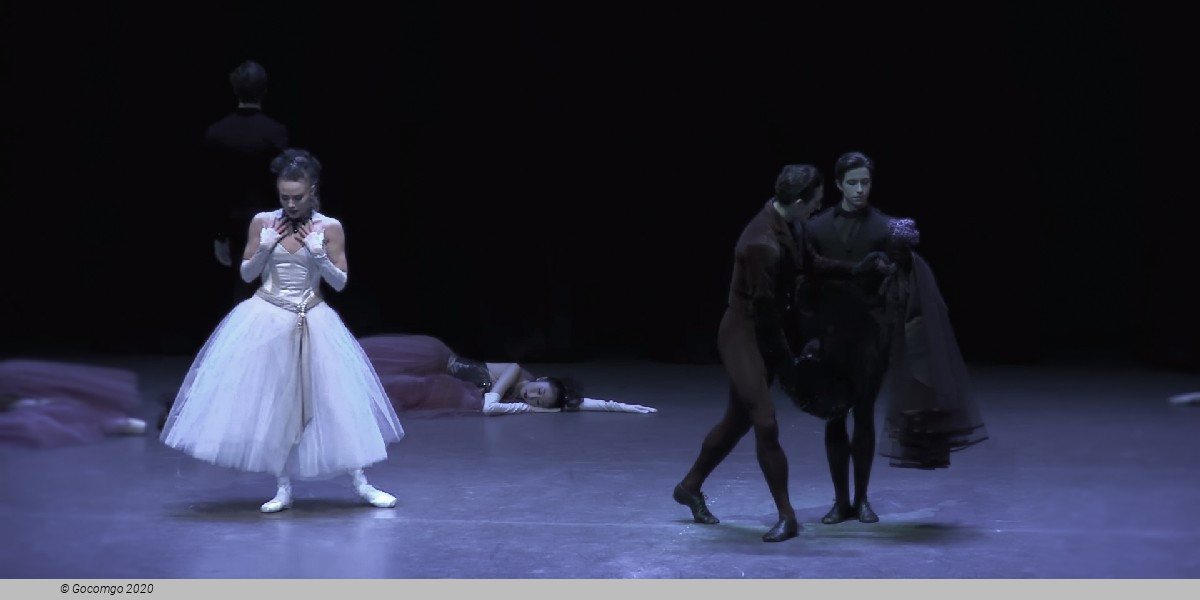
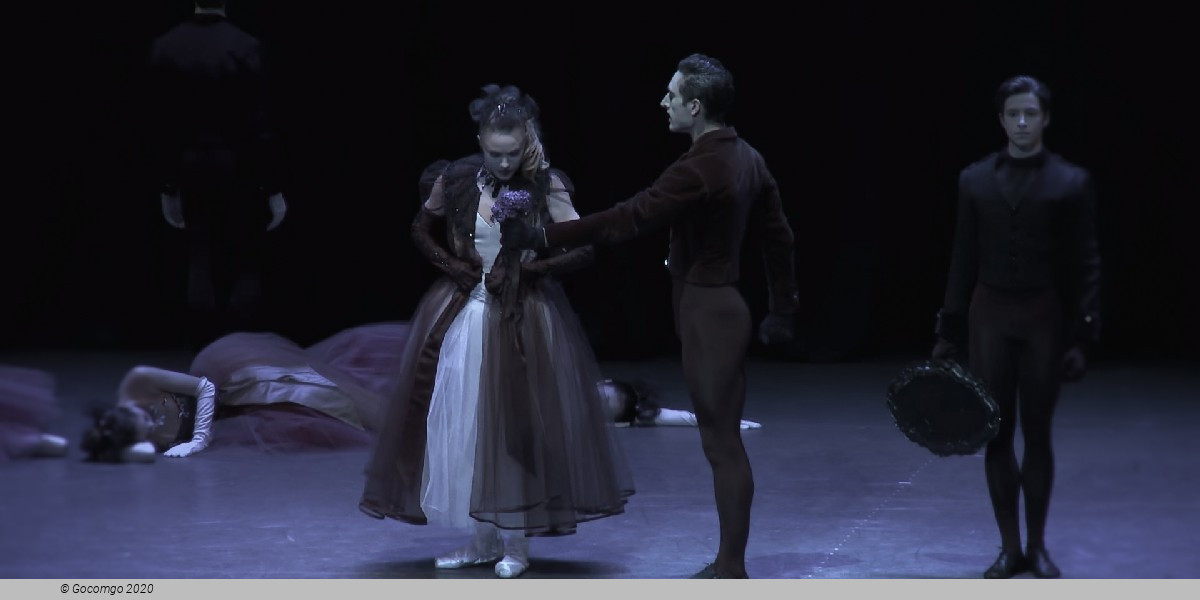
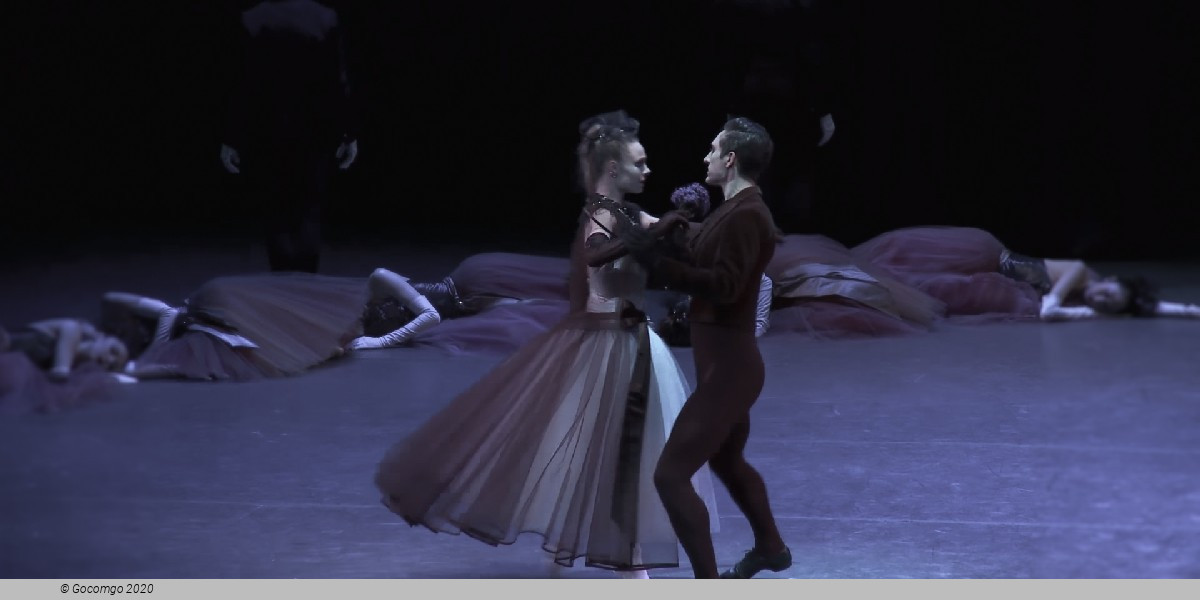
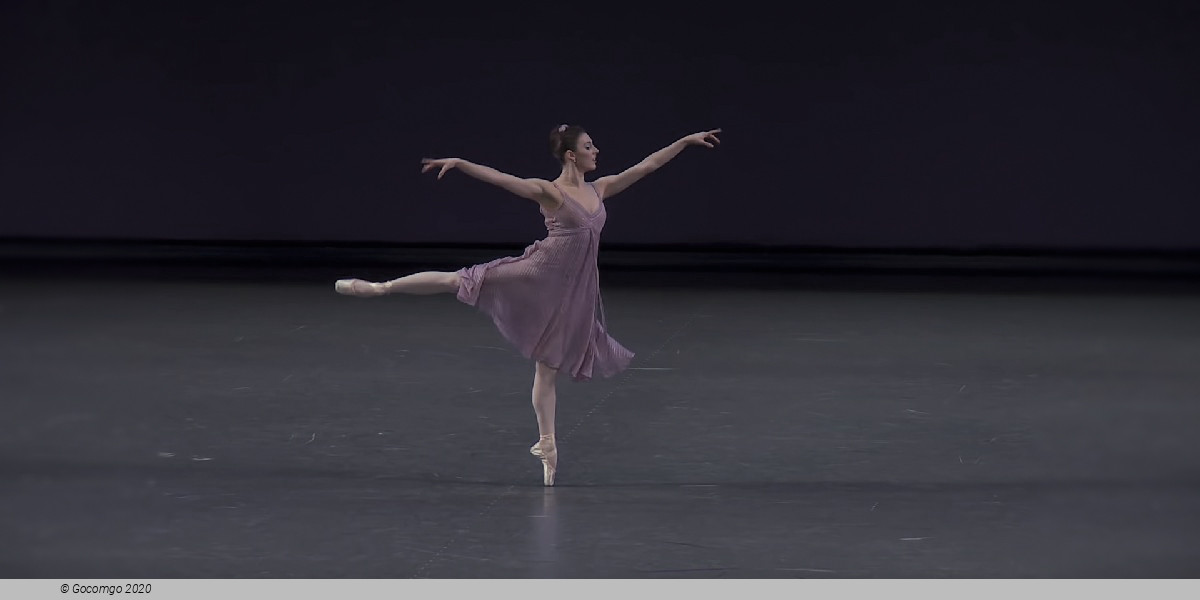
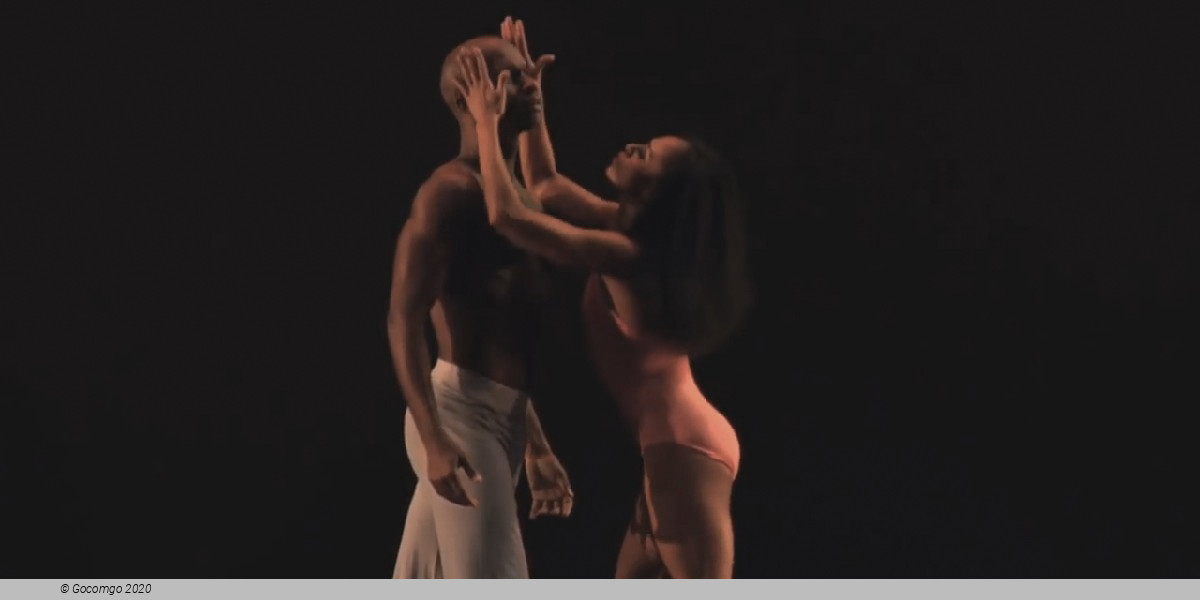
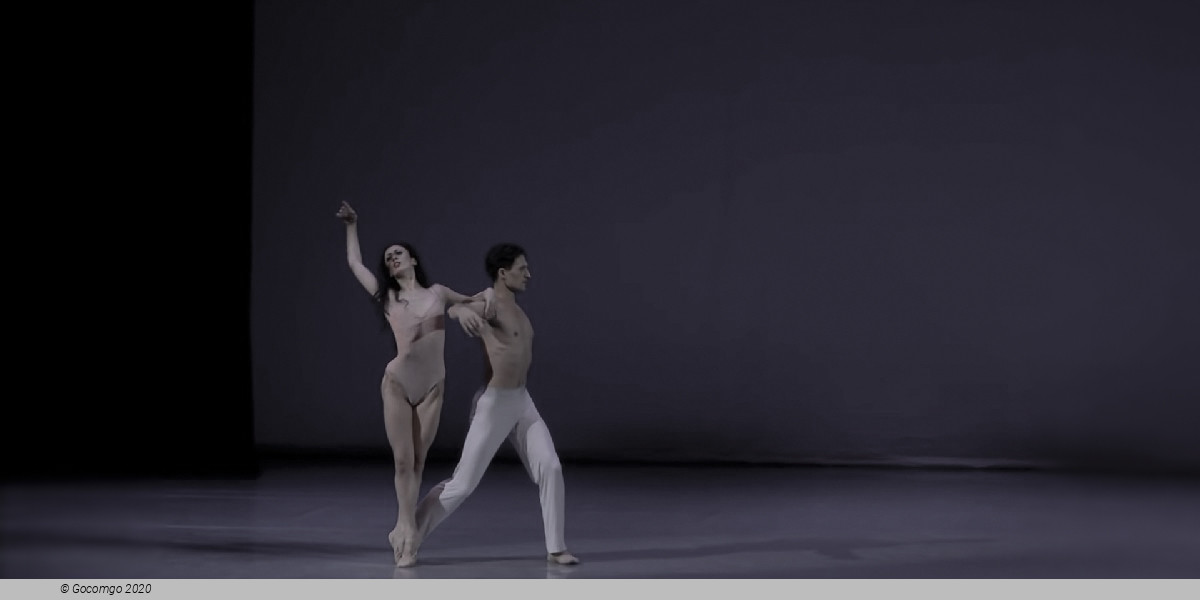
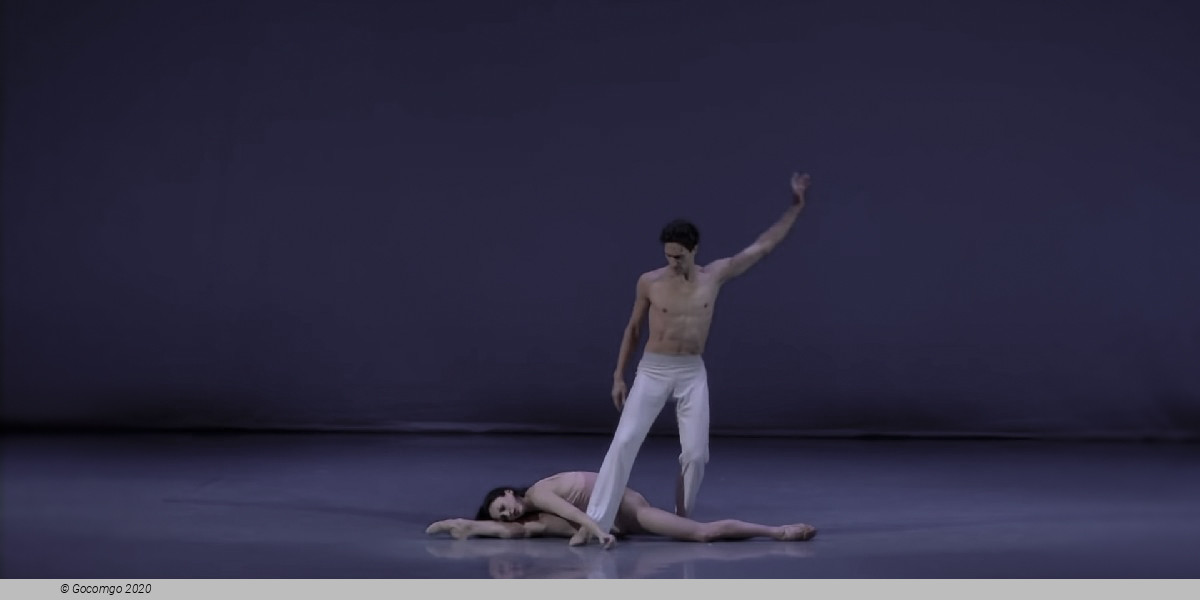
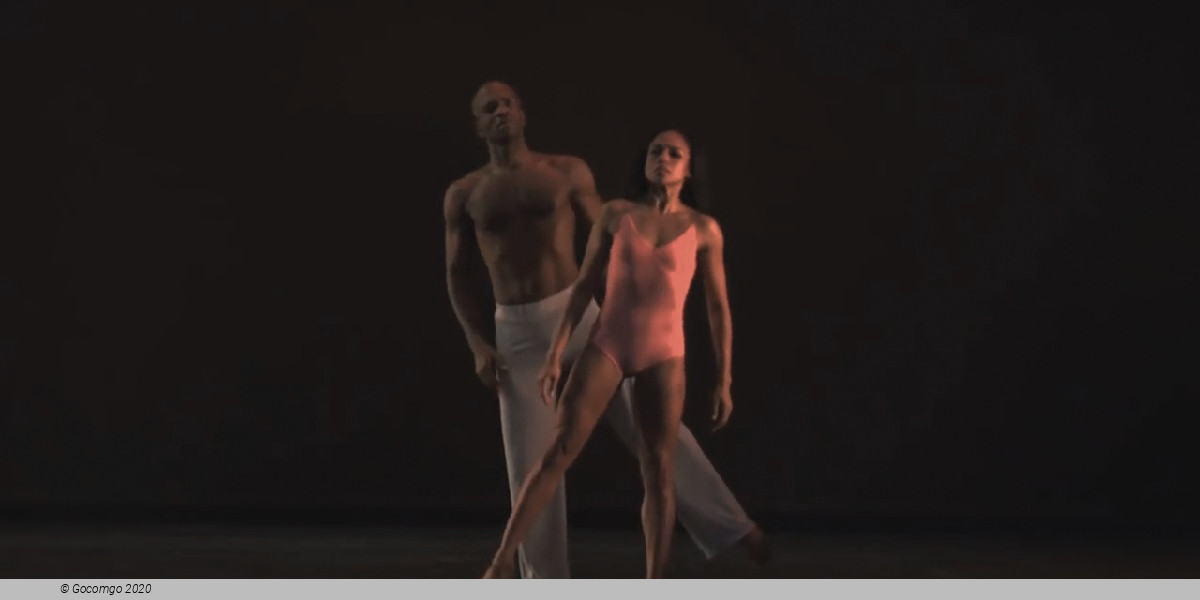
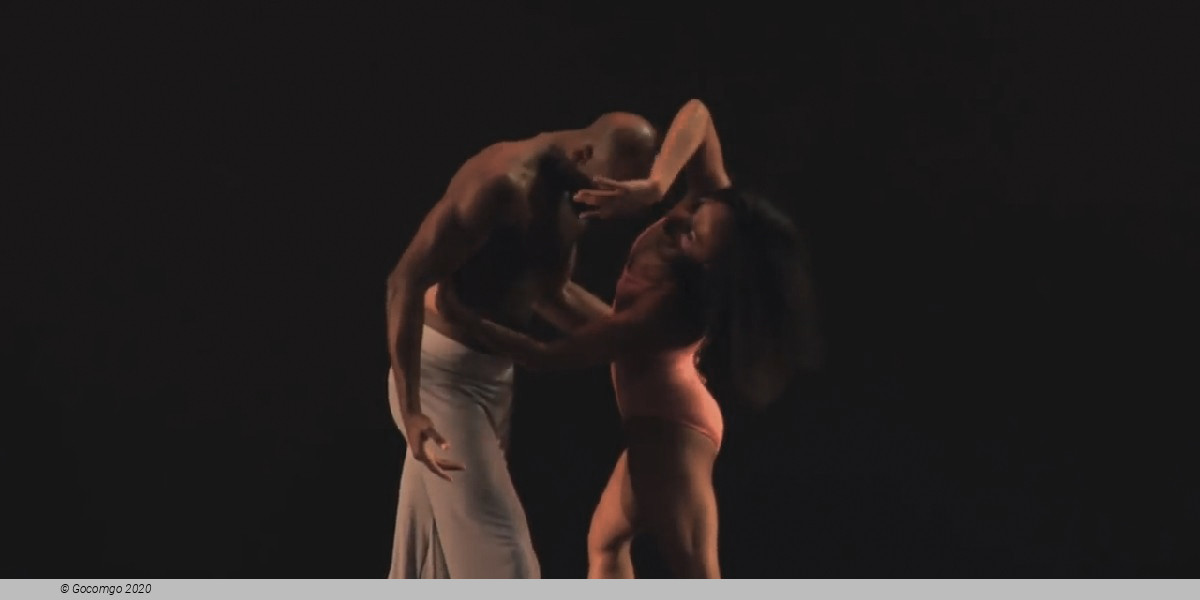
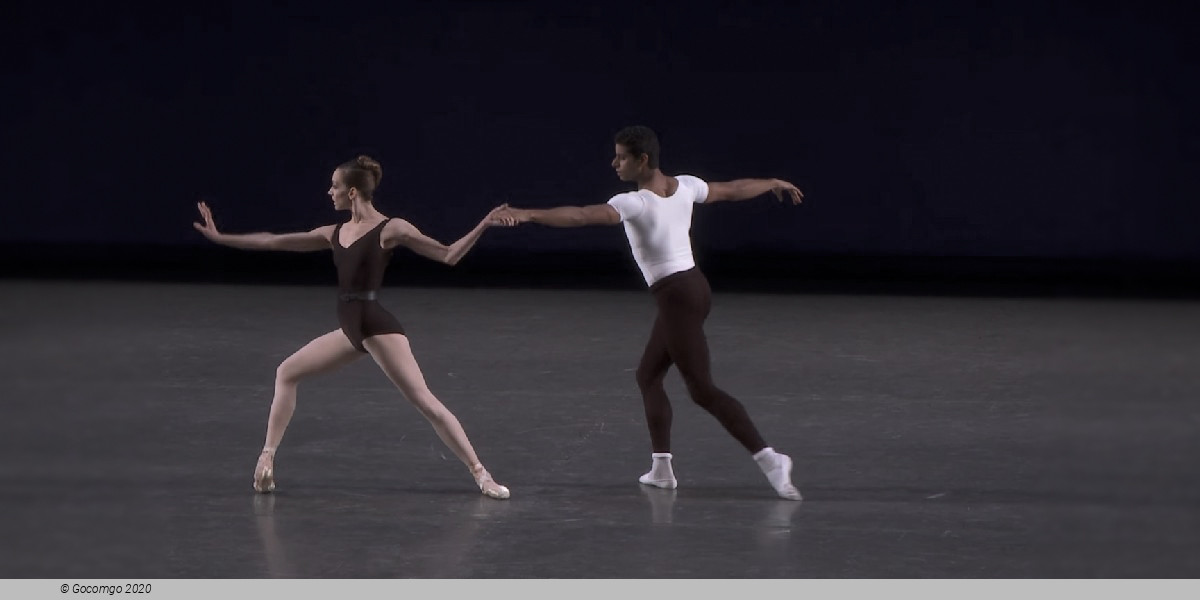
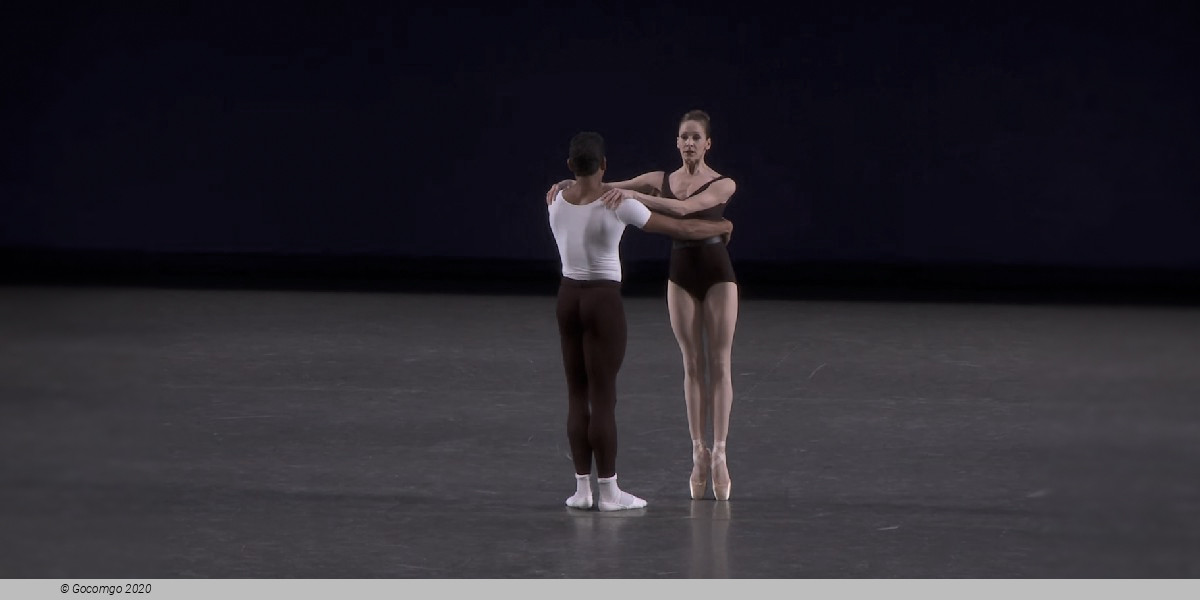
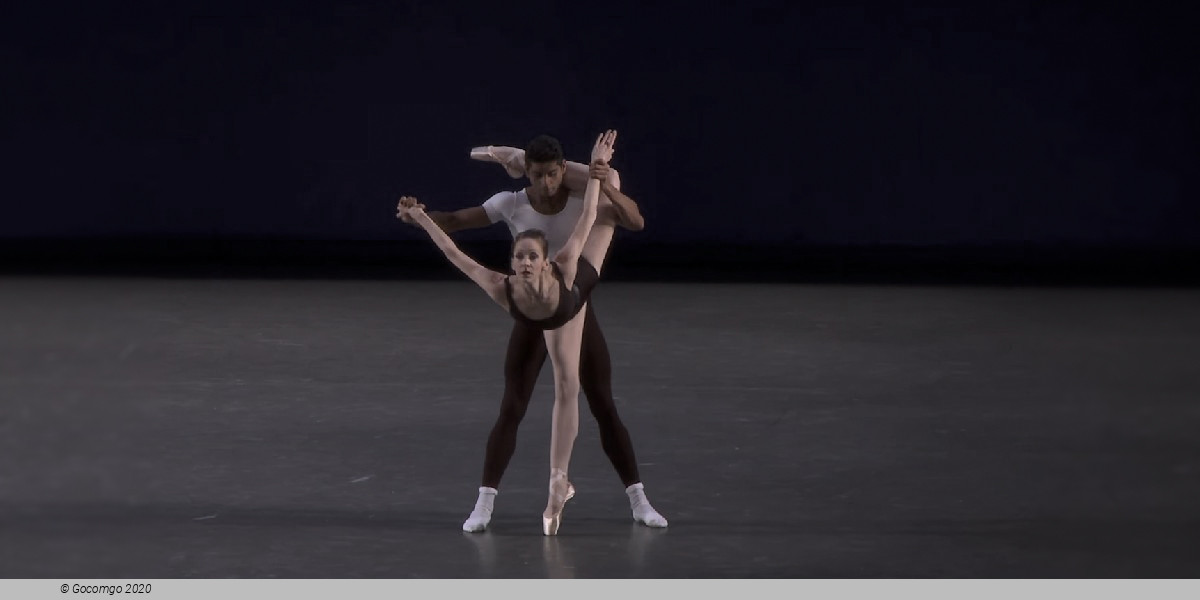
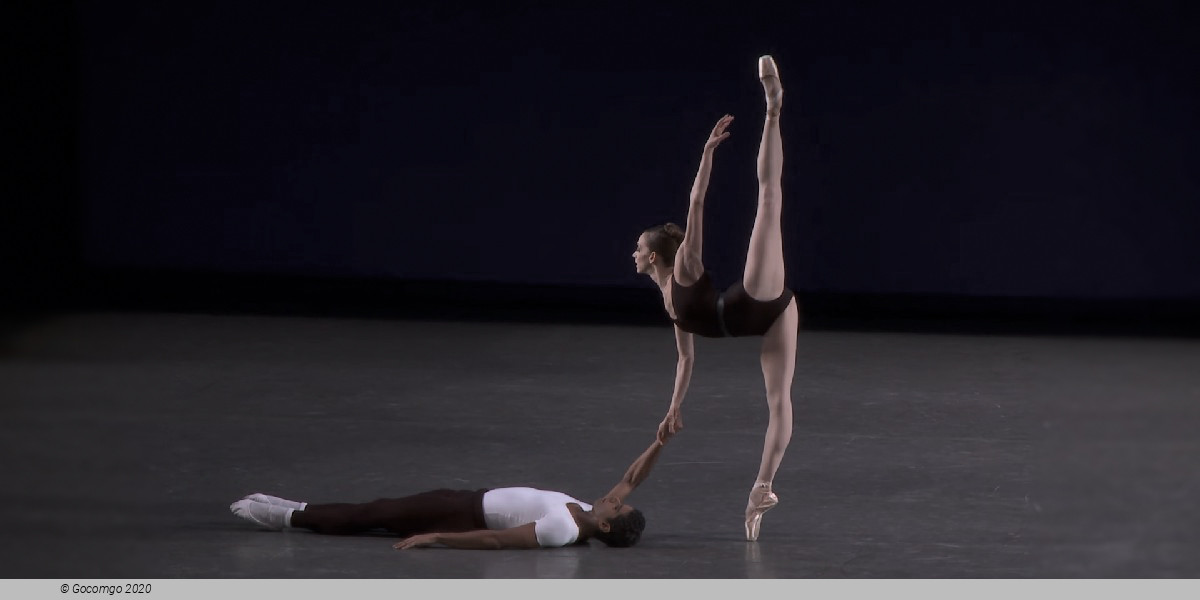
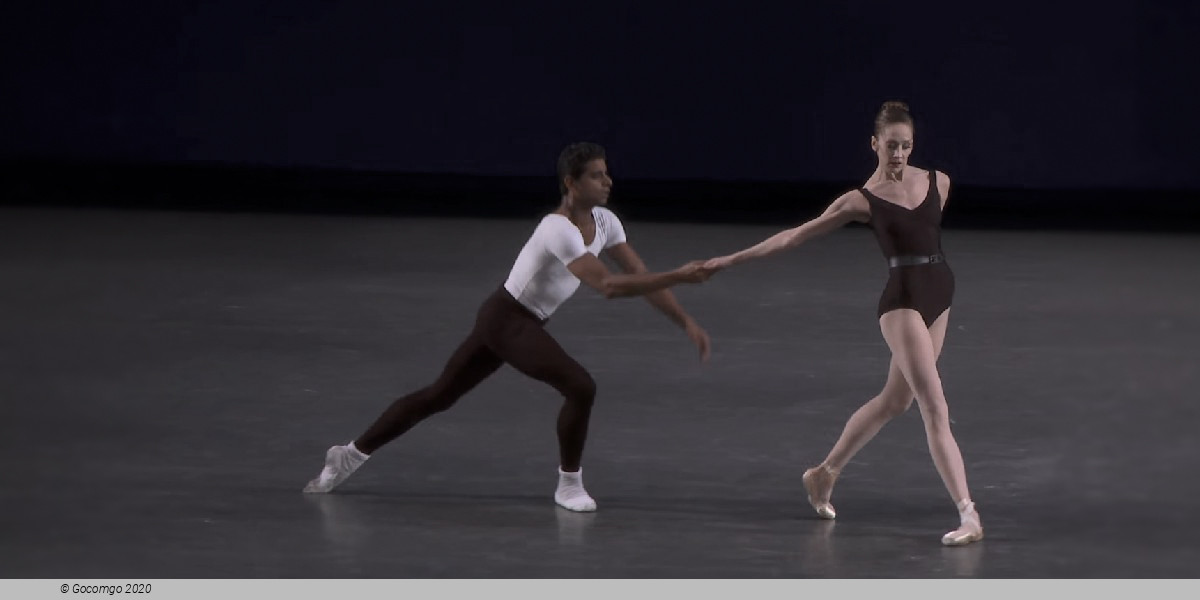
Two strikingly contrasted Balanchine dances bookend equally unique pas de deux. Captivated by the moody and mysterious world of Ravel’s La Valse, a young woman waltzes through Balanchine’s surging choreography with tragic results. Robbins’ Other Dances combines the purity of classical technique with the peerless romanticism of Chopin’s mazurkas for a virtuosic display for two, while Wheeldon’s moving After the Rain Pas de Deux, among the choreographer’s most acclaimed dances, holds its performers in poignant suspense in time with Pärt’s Spiegel im SpiegelAgon, one of Balanchine’s most revered Black & White ballets, represents the apex of his creative collaboration with Stravinsky.

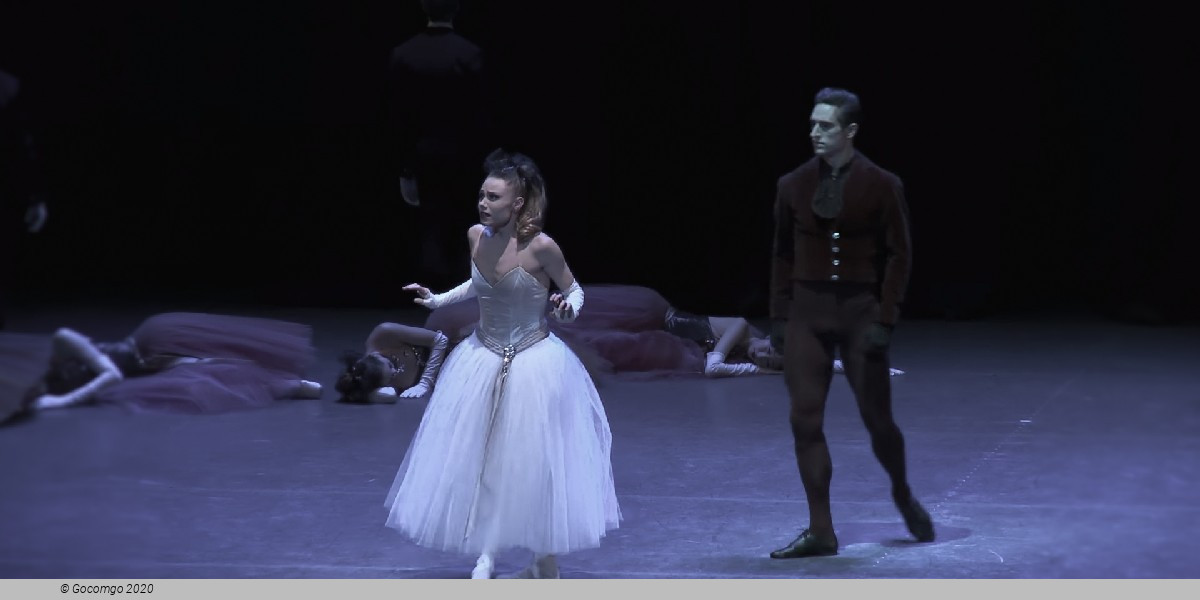
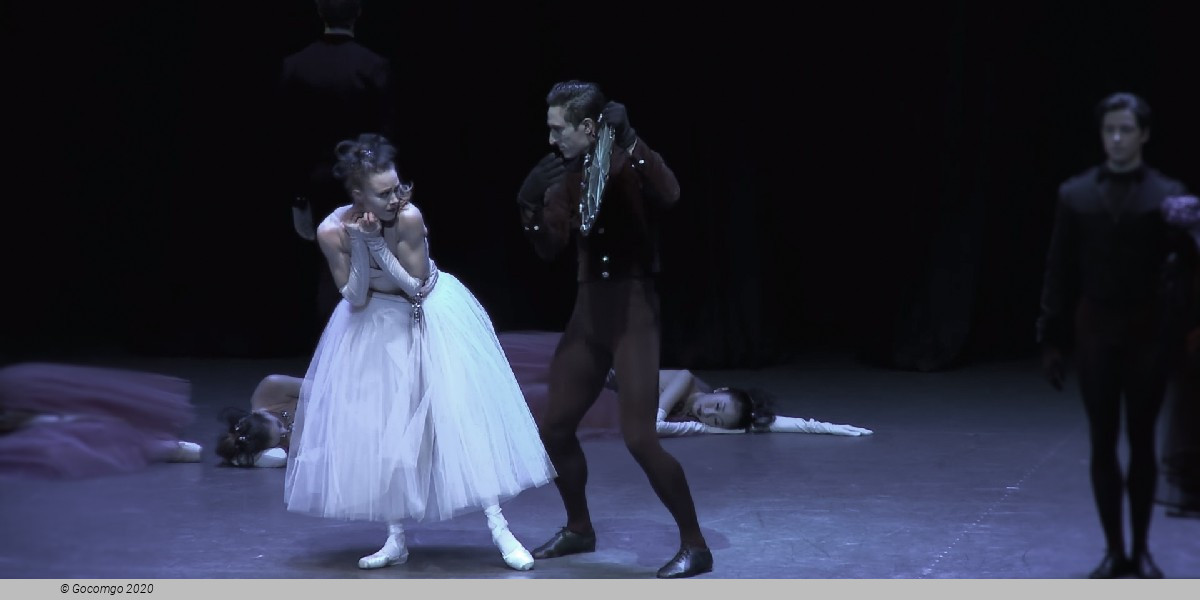
Captivated by the moody and mysterious world of Ravel’s La Valse, a young woman waltzes through Balanchine’s surging choreography with tragic results.

"We are dancing on the edge of a volcano," Maurice Ravel wrote in his notes to La Valse. His words are an apt description of both the music and Balanchine's neo-romantic choreography: couples waltzing in a cavernous ballroom where a woman in white is at once horrified and fascinated by the uninvited figure of death.

Intrigued by the disintegration of the waltz form, Ravel envisioned La Valse set in the Imperial Court of Vienna in 1855, and called the score "a choreographic poem … a sort of apotheosis of the Viennese waltz … the mad whirl of some fantastic and fateful carousel."

Serge Diaghilev commissioned the score for his Ballets Russes, but rejected it for being "untheatrical." When Balanchine created La Valse in 1951, he found the score to be too short and preceded it with Ravel's Valse Nobles et Sentimentales, eight short waltzes, which establish the mood of the ballet — a mood of superficial gaiety mixed with an uncertain feeling of impending catastrophe.

Other Dances pays homage to Chopin’s romanticism and the purity of classical ballet technique, featuring two dramatic dancers in a series of short, folk-infused dances.

Jerome Robbins was a great admirer of the Russian stars Natalia Makarova and Mikhail Baryshnikov, who each famously defected and made new careers in America. Other Dances, a pas de deux created in 1976 for a New York Public Library for the Performing Arts benefit, was specifically crafted to display their legendary technique and artistry.

Robbins chose four mazurkas and one waltz by Chopin, the composer whose piano music had inspired him for Dances at a Gathering. Although Chopin did not invent the mazurka, a stylized Polish dance in triple meter, his compositions brought them to the public attention and raised them to a new level of sophistication. Other Dances, through its simplicity and virtuosity, pays homage to both Chopin’s Romanticism and the fluidity of classical ballet technique.

Full of heartfelt emotion, this simple yet stirring pas de deux leaves audiences in silent awe.

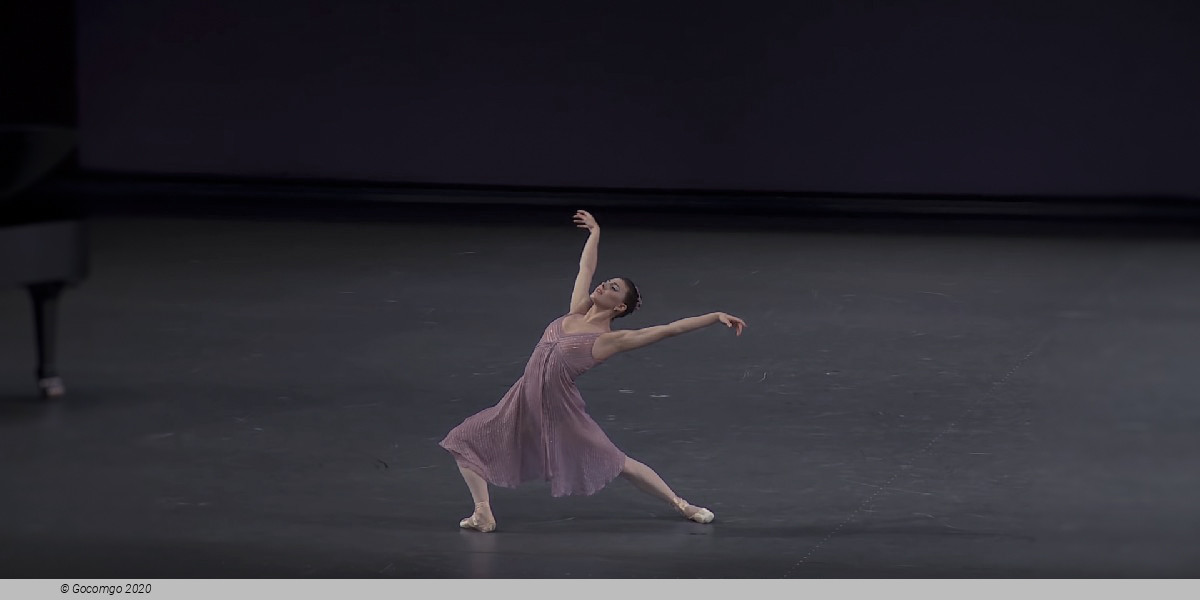
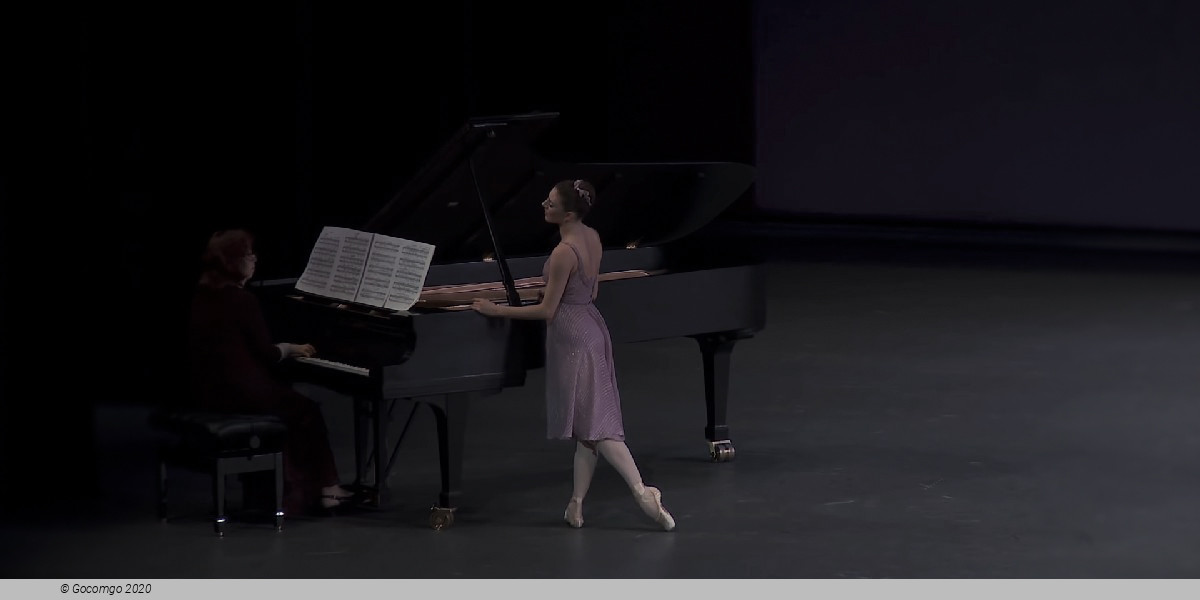
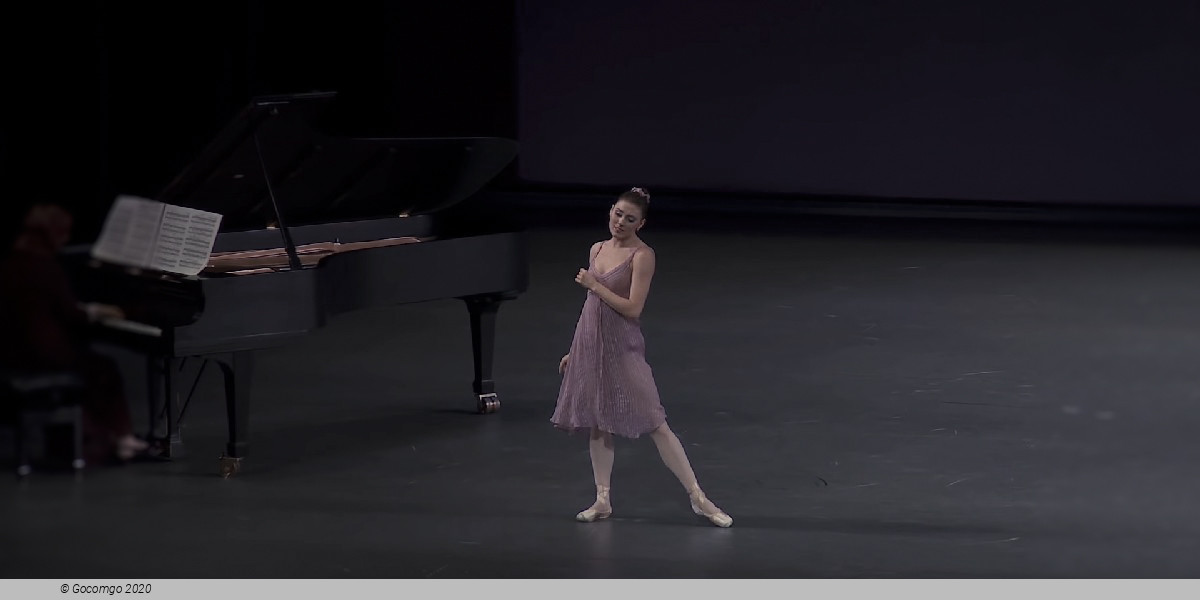
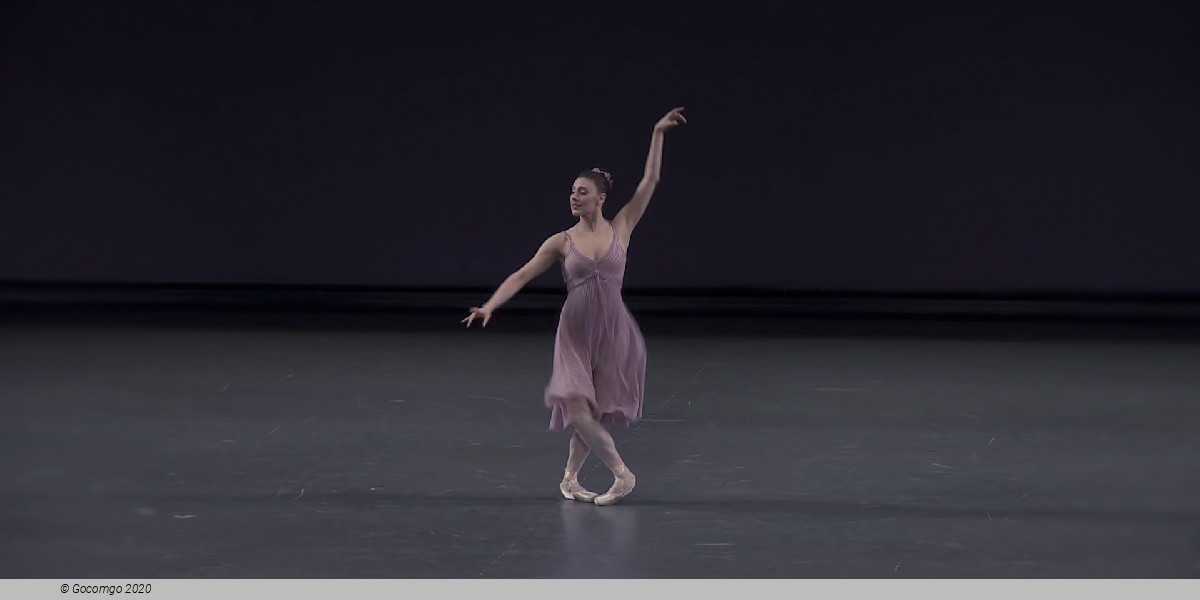
Christopher Wheeldon’s After the Rain premiered in 2005 at NYCB’s annual New Combinations Evening, which honors the anniversary of George Balanchine’s birth with world premiere ballets. A ballet in two parts, the first section is set to Arvo Pärt’s Tabula Rasa, and features three couples. For the second section, only one couple returns, and performs a haunting pas de deux set to Pärt’s Spiegel im Spiegel. Originally performed by Wendy Whelan and Jock Soto, this was the last ballet Wheeldon created for Soto, before Soto retired from dancing in June of 2005.

The apex of Balanchine’s collaborations with Igor Stravinsky, Agon is an intense masterpiece and signature NYCB work, ever contemporary in its athletic competitiveness.

The Agon pieces were all modeled after examples in a French dance manual of the mid-17th Century. Agon ("The Contest") is not a mythical subject piece to complete a trilogy with Apollo and Orpheus. In fact, it has no musical or choreographic subject beyond the new interpretation of the venerable dances that are its pretext. It was even conceived without provision for scenery and was independent, at least in Stravinsky’s mind, of décor, period, and style.


History

La valse, poème chorégraphique pour orchestre (a choreographic poem for orchestra), is a work written by Maurice Ravel between February 1919 and 1920; it was first performed on 12 December 1920 in Paris. It was conceived as a ballet but is now more often heard as a concert work. 

Premiere of this production: 09 May 1976, Metropolitan Opera House

Other Dances is a ballet choreographed by Jerome Robbins to music by Frédéric Chopin. It was created on Natalia Makarova and Mikhail Baryshnikov, and premiered on May 9, 1976, at a gala benefitting the New York Public Library for the Performing Arts, held at Metropolitan Opera House. It was originally made as a pièce d'occasion, but after receiving critical acclaim, it was soon added to American Ballet Theatre and New York City Ballet's repertories.

Premiere of this production: 01 December 1957, City Center of Music and Drama, New York

Agon (1957) is a neoclassical ballet for twelve dancers, with music by Igor Stravinsky and choreography by George Balanchine. The ballet has no story, but consists of a series of dance movements in which various groups of dancers interact in pairs, trios, quartets, etc. A number of the movements are based on 17th-century French court dances – saraband, galliard and bransle.

Venue Info

New York City Ballet (David H. Koch Theater) - New York
Location   20 Lincoln Center Plaza

The David H. Koch Theater is the major theater for ballet, modern, and other forms of dance, part of the Lincoln Center, at the intersection of Columbus Avenue and 63rd Street in the Lincoln Square neighborhood of Manhattan in New York City. Originally named the New York State Theater, the venue has been home to the New York City Ballet since its opening in 1964, the secondary venue for the American Ballet Theatre in the fall, and served as home to the New York City Opera from 1964 to 2011.

The New York State Theater was built with funds from the State of New York as part of New York State's cultural participation in the 1964–1965 World's Fair. The theater was designed by architects Philip Johnson and John Burgee, and opened on April 23, 1964. After the Fair, the State transferred ownership of the theater to the City of New York.

Along with the opera and ballet companies, another early tenant of the theater was the now defunct Music Theater of Lincoln Center whose president was composer Richard Rodgers. In the mid-1960s, the company produced fully staged revivals of classic Broadway musicals. These included The King and I; Carousel (with original star, John Raitt); Annie Get Your Gun (revised in 1966 by Irving Berlin for its original star, Ethel Merman); Show Boat; and South Pacific.

The theater seats 2,586 and features broad seating on the orchestra level, four main “Rings” (balconies), and a small Fifth Ring, faced with jewel-like lights and a large spherical chandelier in the center of the gold latticed ceiling.

The lobby areas of the theater feature many works of modern art, including pieces by Jasper Johns, Lee Bontecou, and Reuben Nakian.

Important Info
Type: Ballet
City: New York, USA
Starts at: 14:00
Duration: 29min
Top of page