hree ballets, inspired by three unique compositions: Bach’s virtuosic double violin concerto, Hindemith’s intricate modernist score, and selections from the ever-popular Brandenburg Concertos.
Two major ballets performed to music by Bach bookend this program, along with a spiky Balanchine dance set to a work by the 20th-century composer Hindemith. Concerto Barocco, first presented in 1941, was among the three works danced at the first performance ever given by the newly established New York City Ballet in 1948. Its formal beauty and responsiveness to the score has made it an undisputed classic of the international repertory. Robbins dedicated three of his last four ballets to the music of Bach. His very last, Brandenburg, from 1997, is a series of delicate yet complex pas de deux set to four of the famous concertos of the title. Kammermusik No. 2 finds Balanchine meeting the challenges of the Hindemith score with lively choreography for two principal couples and, unusually, an all-male corps de ballet.
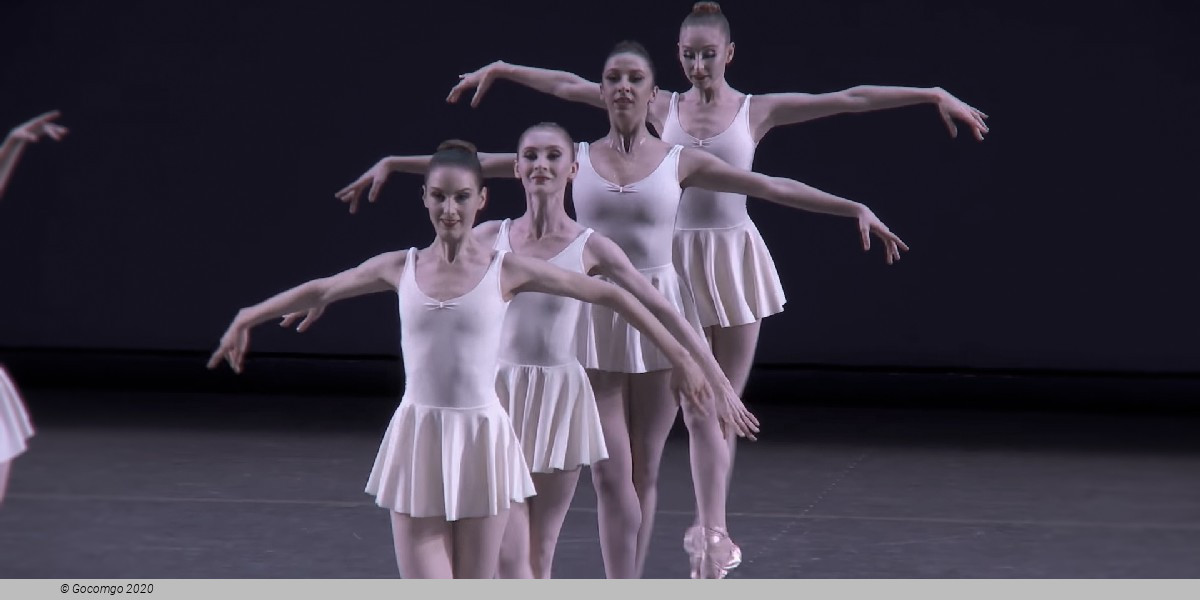
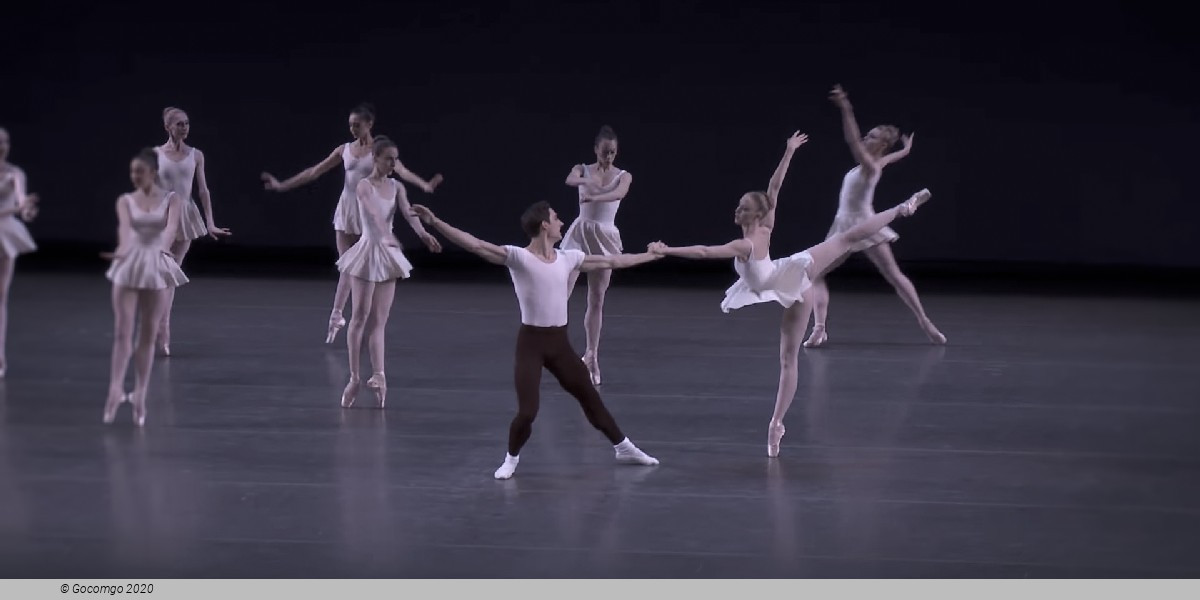
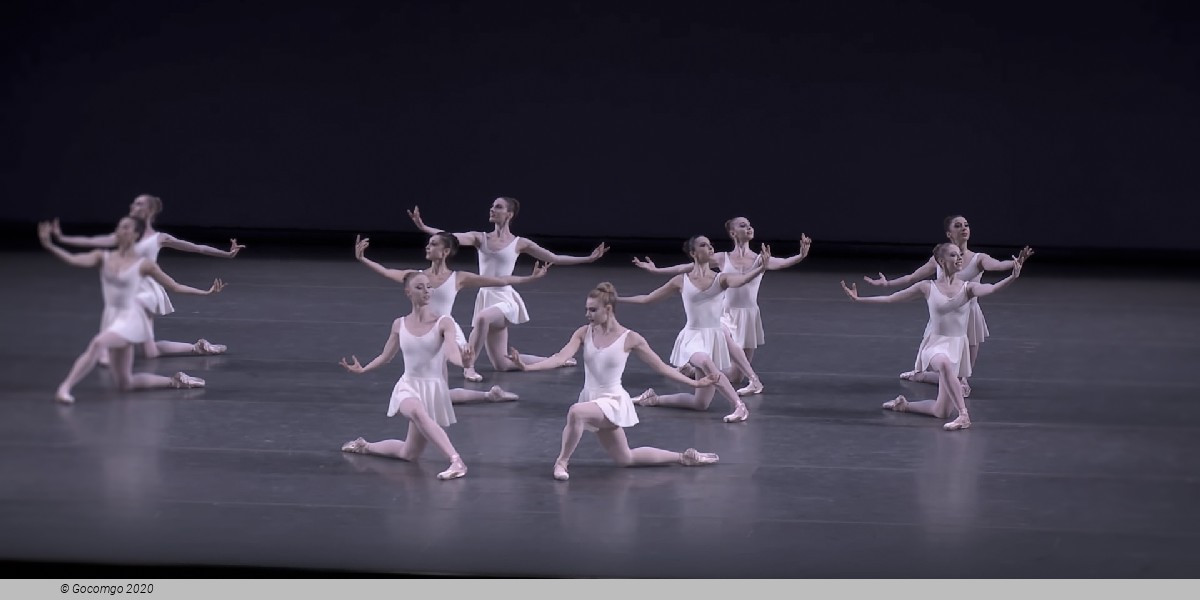
One of Balanchine’s greatest masterpieces, Concerto Barocco is music made visible as two elegant yet dynamic lead ballerinas each depict one of the instrumental soloists in a virtuosic double violin concerto.
Concerto Barocco had its beginnings as a School of American Ballet exercise and was first performed for the Latin American tour of the American Ballet Caravan in 1941. When it entered the repertory of the Ballet Russe de Monte Carlo in 1945, the dancers were dressed in practice clothes, probably the first appearance of what has come to be regarded as the modern ballet costume pioneered by Balanchine.
Concerto Barocco was presented on the first performance of New York City Ballet in 1948, along with Balanchine's Orpheus and Symphony in C. It is considered the quintessential Balanchine ballet of its period, its manner entirely pure, its choreography no more, and no less, than an ideal response to its score, Bach's Double Violin Concerto in D Minor. About the ballet, the critic Clive Barnes wrote, "The three hallmarks of the American classic style are poetry, athleticism, and musicality, and these three graces are exquisitely exploited by Concerto Barocco."
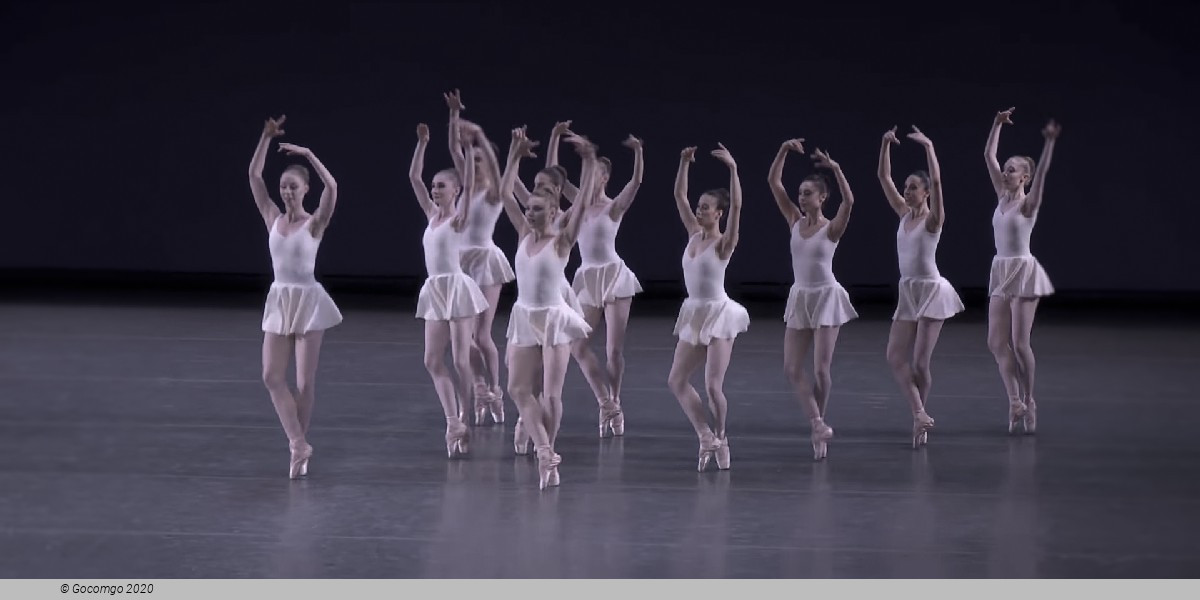
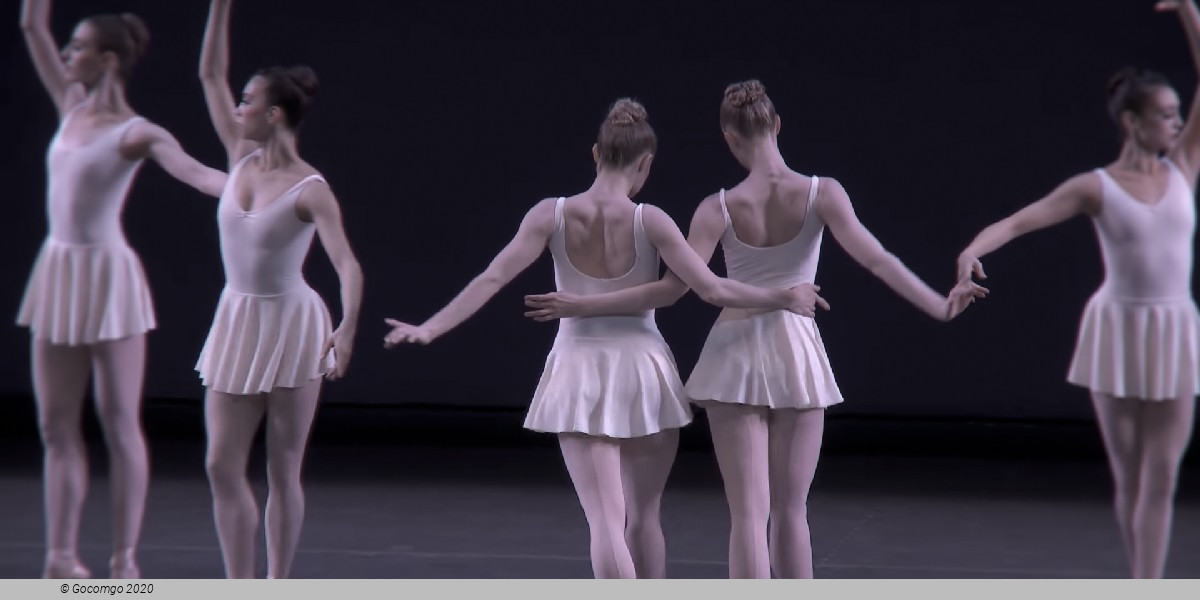
Balanchine said of this work: “If the dance designer sees in the development of classical dancing a counterpart in the development of music and has studied them both, he will derive continual inspiration from great scores.” In the first movement of the concerto, the two ballerinas personify the violins, while a corps of eight women accompany them.
In the second movement, a largo, the male dancer joins the leading woman in a pas de deux. In the concluding allegro section, the entire ensemble expresses the syncopation and rhythmic vitality of Bach’s music.
Requiring great energy, speed, and precision, the striking choreography in Kammermusik No. 2 echoes the intricacies of its modernist score with jagged lines and stylized gestures.
A ballet requiring great energy, speed, and precision, Kammermusik No. 2 has a complex structure that echoes the music; one of the dancers in the original cast likened it to a computer. The ballet is performed by two couples and an eight-man ensemble. The men, with their jagged lines and stylized gestures, dance to the music of the orchestra. The soloists, dancing to the complex passages for piano, are in counterpoint to the ensemble. The score is one of seven kammermusik pieces — the word “kammermusik” is German for “chamber music” — written by Hindemith between 1923 and 1933, when the composer turned to a neoclassical style evoking the Baroque.
Inspired by Bach's ever-popular Brandenburg Concertos, Robbins’ last ballet for NYCB presents a spectrum of atmospheres, from sheer ebullience to quiet mystery.
In 1971, Jerome Robbins choreographed one of his masterpieces, The Goldberg Variations, to Bach’s celebrated piano pieces. He did not return to Bach until the end of his career, over 20 years later, but when he did, he was clearly entranced by the clarity, rigor, and formal beauty found in the composer’s work: three of his last four ballets are set to Bach.
Robbins’ final work, Brandenburg (1997), is set to selections from four of the Brandenburg Concertos, intricate and nuanced works that inspired Robbins to create this lovely suite of dances. The ballet features a series of pas de deux that differ in their tone and mood, including a mysterious andante duet for a couple who seem to orbit each other, drawing close but never touching.


 20 Lincoln Center Plaza