New York City Ballet gave its first performance at City Center on October 11, 1948. This year, on the same date, the Company will offer audiences a chance to step back in time to this momentous occasion in the history of ballet. The program—which will only be performed once—replicates that seminal evening by presenting the same program audiences saw then, comprised of three works that have become (or indeed were already) classics of the Balanchine repertory: Concerto Barocco, first created in 1941 for a precursor company to New York City Ballet; Symphony in C, a feast of classical steps featuring more than 50 dancers; and Orpheus, which had made its debut just months earlier when the Company was called Ballet Society.
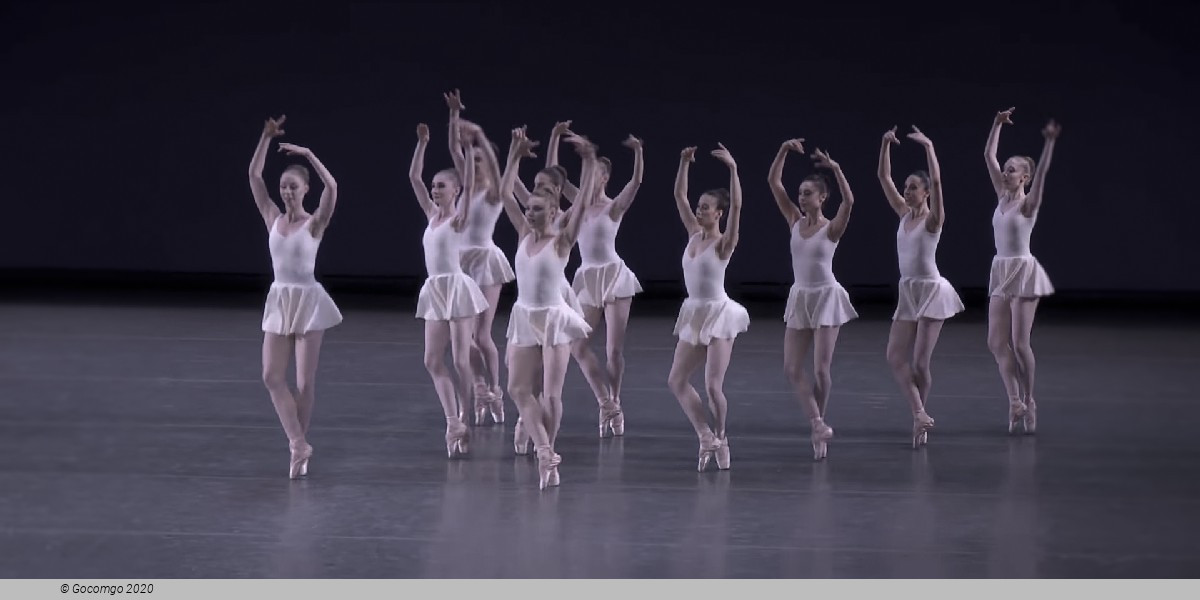
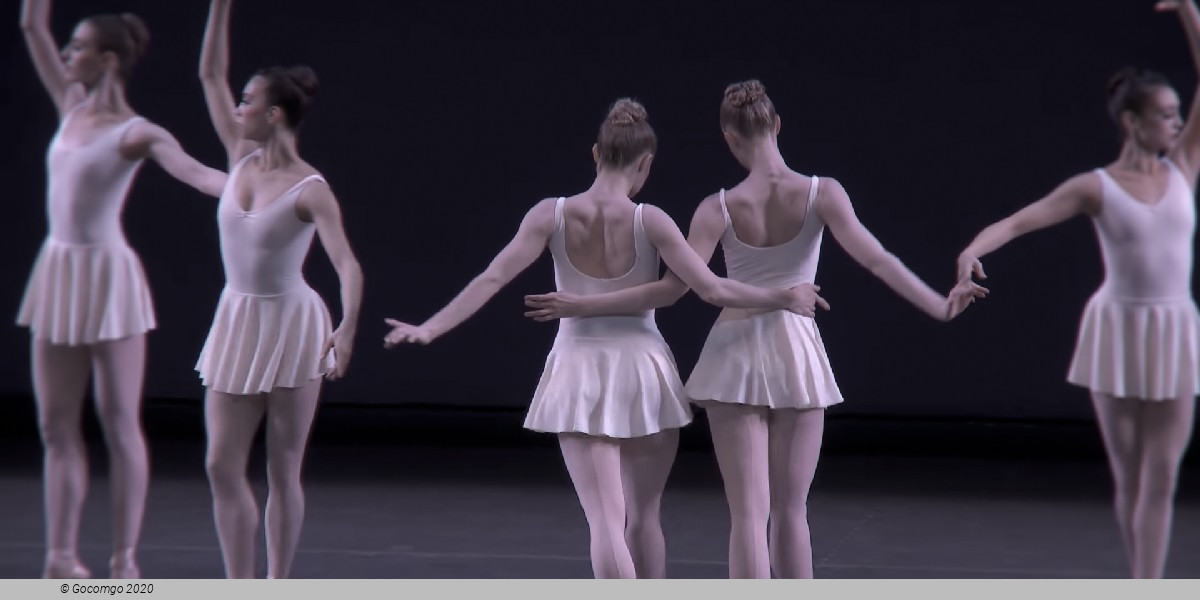
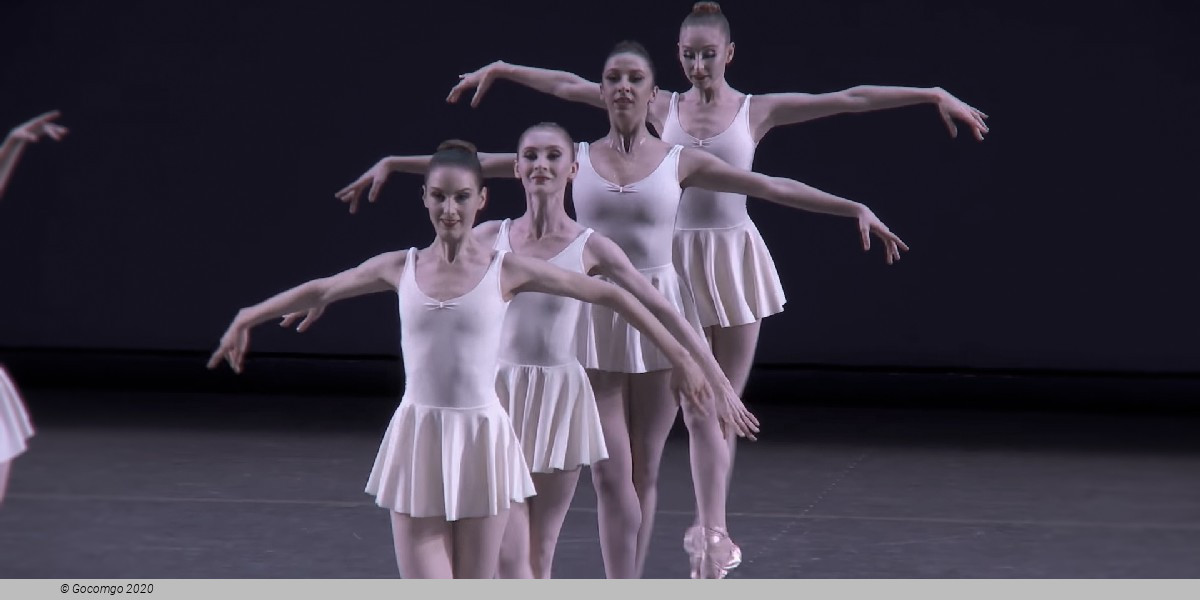
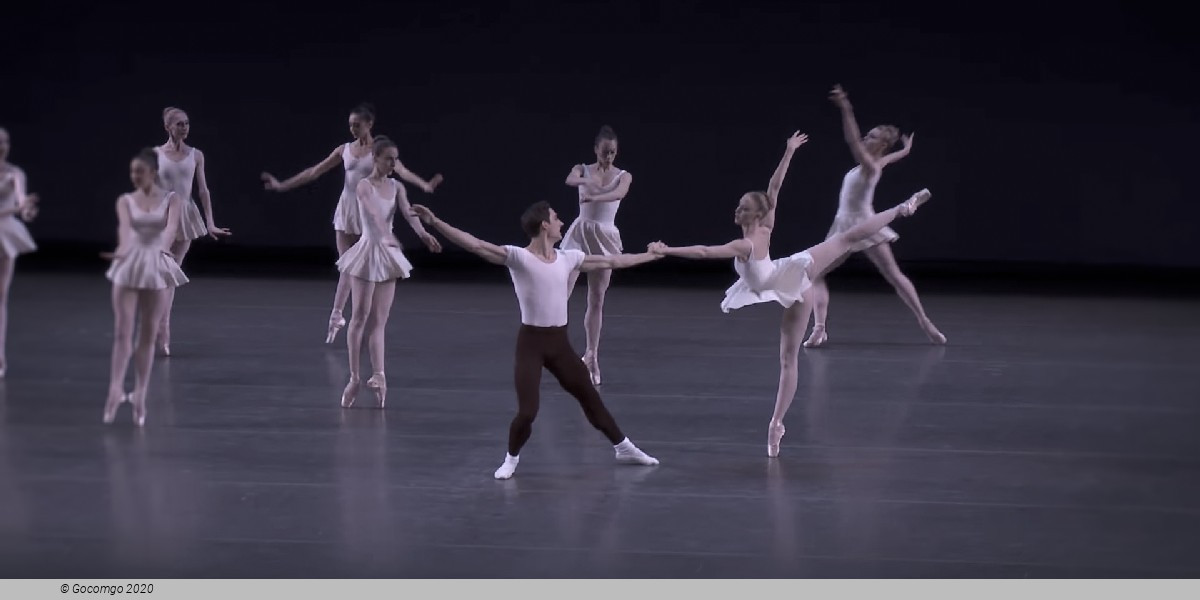
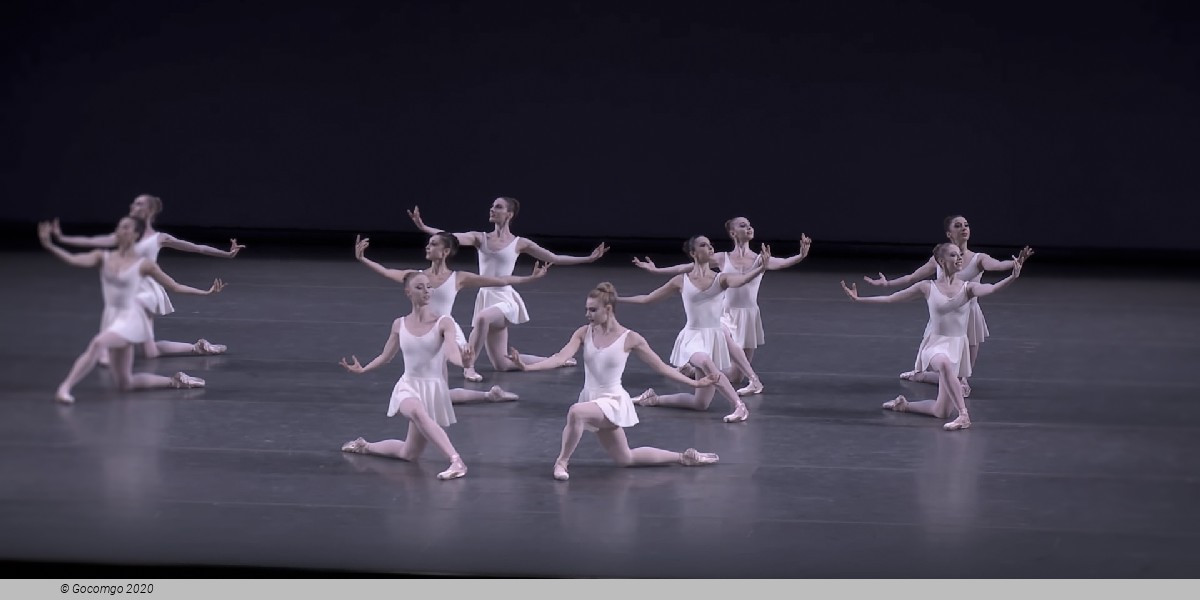
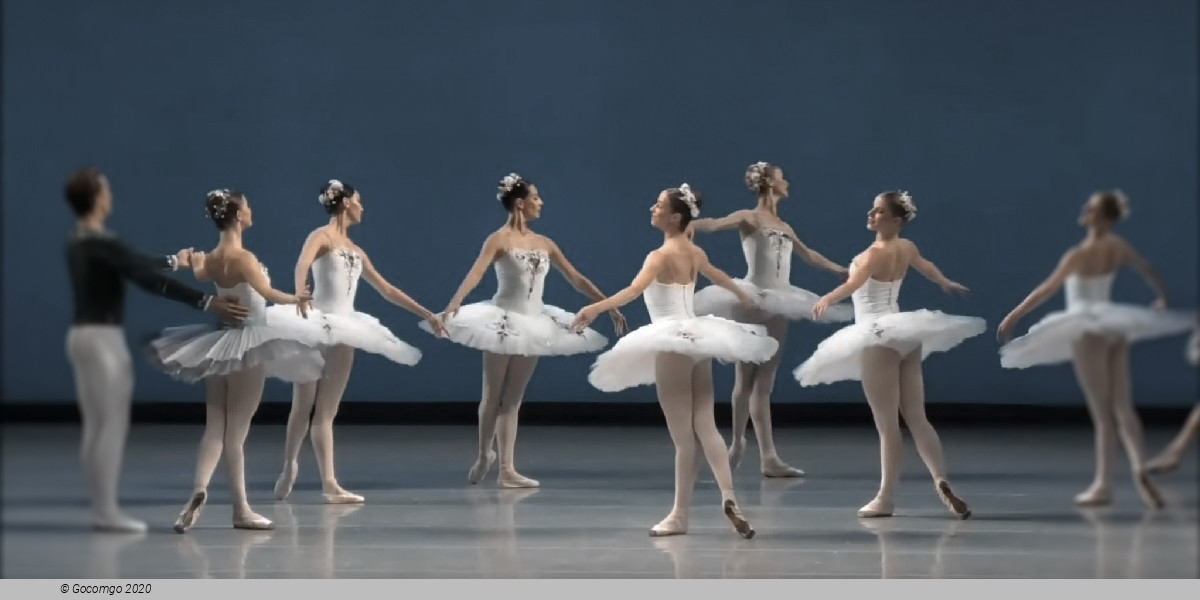
One of Balanchine’s greatest masterpieces, Concerto Barocco is music made visible as two elegant yet dynamic lead ballerinas each depict one of the instrumental soloists in a virtuosic double violin concerto.
Concerto Barocco had its beginnings as a School of American Ballet exercise and was first performed for the Latin American tour of the American Ballet Caravan in 1941. When it entered the repertory of the Ballet Russe de Monte Carlo in 1945, the dancers were dressed in practice clothes, probably the first appearance of what has come to be regarded as the modern ballet costume pioneered by Balanchine.
Concerto Barocco was presented on the first performance of New York City Ballet in 1948, along with Balanchine's Orpheus and Symphony in C. It is considered the quintessential Balanchine ballet of its period, its manner entirely pure, its choreography no more, and no less, than an ideal response to its score, Bach's Double Violin Concerto in D Minor. About the ballet, the critic Clive Barnes wrote, "The three hallmarks of the American classic style are poetry, athleticism, and musicality, and these three graces are exquisitely exploited by Concerto Barocco."
Balanchine said of this work: “If the dance designer sees in the development of classical dancing a counterpart in the development of music and has studied them both, he will derive continual inspiration from great scores.” In the first movement of the concerto, the two ballerinas personify the violins, while a corps of eight women accompany them.
In the second movement, a largo, the male dancer joins the leading woman in a pas de deux. In the concluding allegro section, the entire ensemble expresses the syncopation and rhythmic vitality of Bach’s music.
An iconic Balanchine work that was part of NYCB’s inaugural performance in 1948, this highly-stylized, narrative ballet depicts Orpheus’ journey to rescue his beloved Eurydice from the underworld.
Orpheus occupies a singular place in the history of New York City Ballet. The score was commissioned from Stravinsky by Ballet Society and the composer worked in close collaboration with Balanchine on the ballet – a contemporary treatment of the story of Orpheus, the musician-poet of Greek myth, and his struggle to rescue his wife Eurydice from Hades. It was a performance of this work that led Morton Baum, chairman of the executive committee of the City Center of Music and Drama, to invite Ballet Society to become its permanent ballet company, under the new name, New York City Ballet. Orpheus was presented with Concerto Barocco and Symphony in C at the New York City Ballet’s first performance on October 11, 1948.
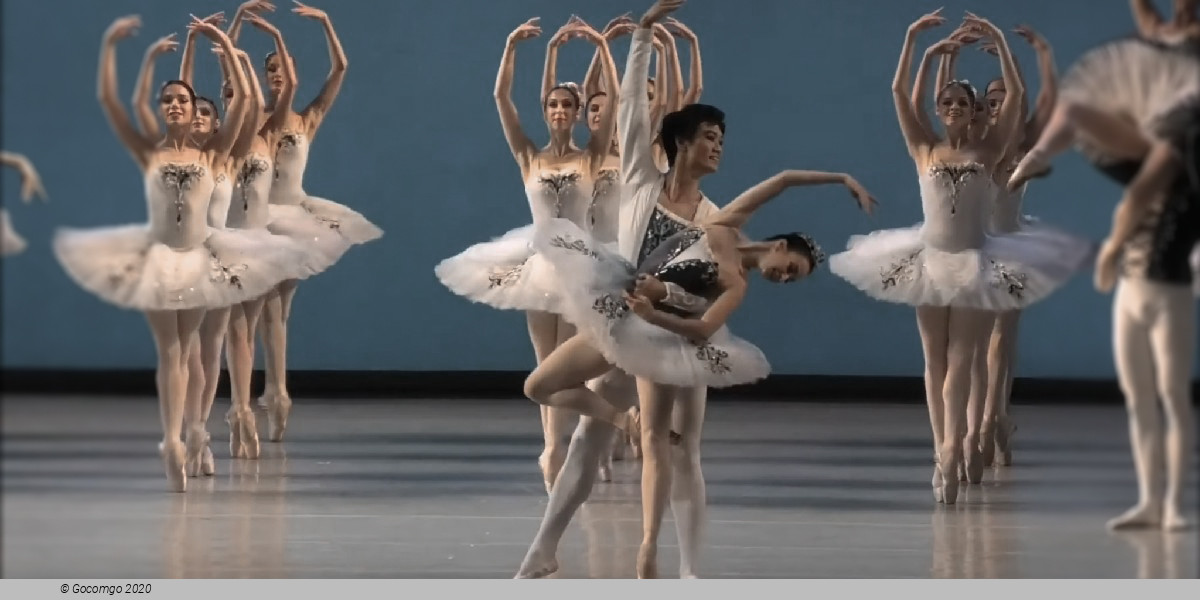
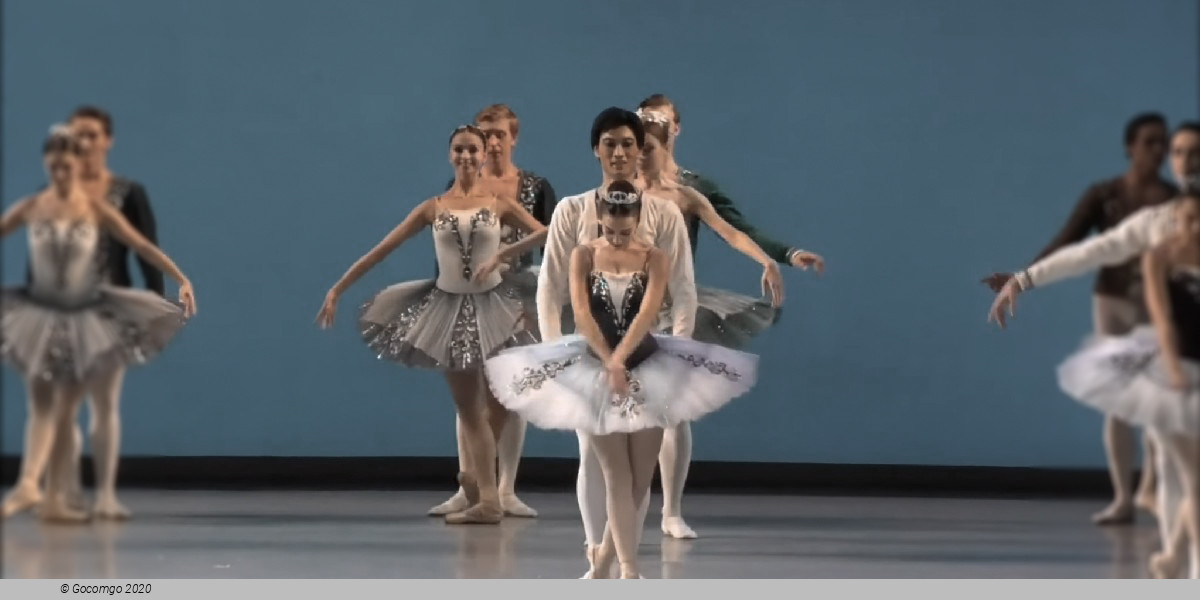
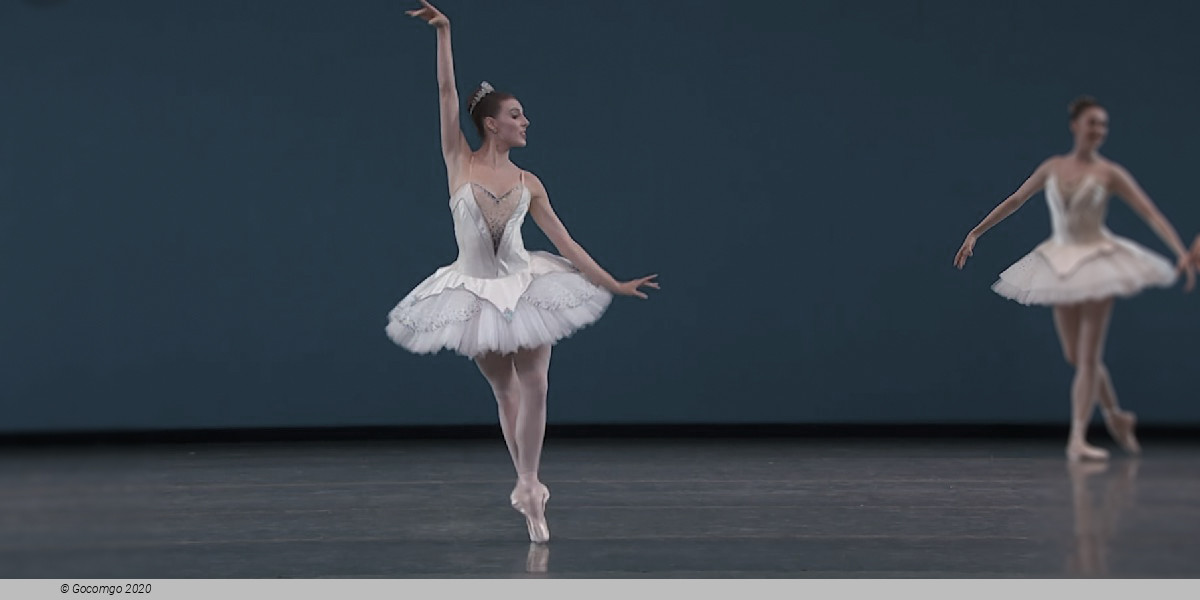
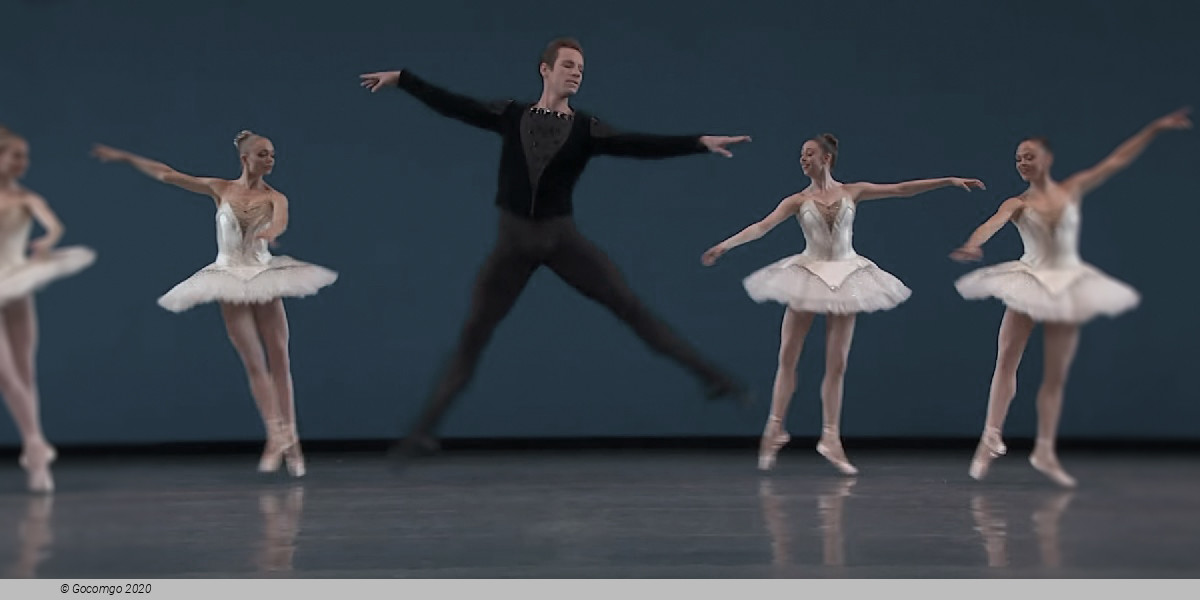
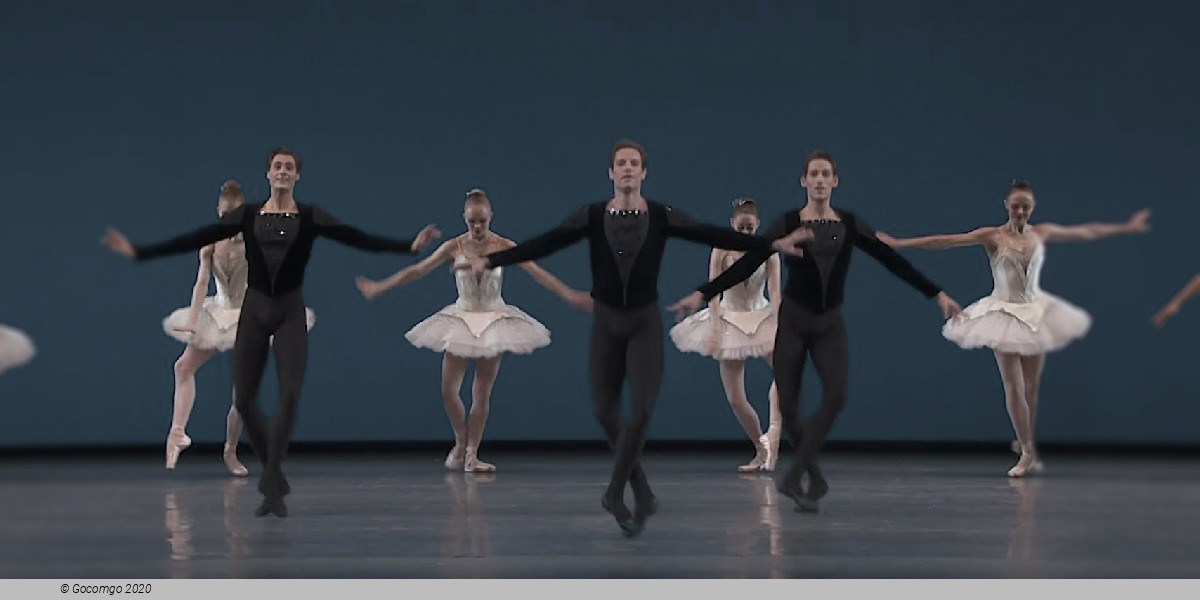
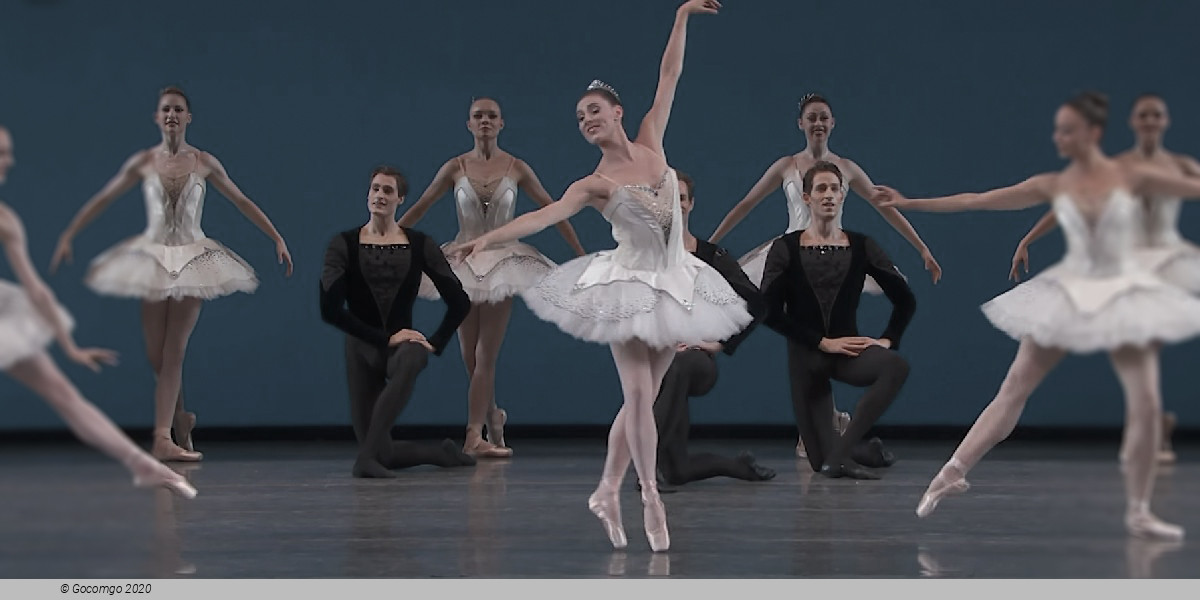
A grand classical masterpiece, Symphony in C dazzles audiences with over 50 dancers covered in Swarovski elements and a spectacular finale uniting the entire cast.
Georges Bizet composed his Symphony in C Major when he was a 17-year-old pupil of Charles Gounod at the Paris Conservatory. The manuscript was lost for decades and was published only after it was discovered in the Conservatory’s library in 1933.
Balanchine first learned of the long-vanished score from Stravinsky. He required only two weeks to choreograph it as Le Palais de Cristal for the Paris Opera Ballet in 1947, where he was serving as a guest ballet master. When he revived the work the following year for New York City Ballet’s first program on October 11, 1948, he simplified the sets and costumes and changed the title. The ballet has remained a vital part of the Company’s repertory ever since.
For the 2012 Spring Season, new costumes for the ballet were designed by Marc Happel, NYCB’s Director of Costumes. The new designs were created in collaboration with Swarovski, and the production features costumes, as well as newly designed crowns, headpieces, and earrings, all created using Swarovski Elements.





 20 Lincoln Center Plaza