New York City Ballet (David H. Koch Theater) 13 October 2023 - All Balanchine IV | GoComGo.com

All Balanchine IV

New York City Ballet (David H. Koch Theater), Main Stage, New York, USA
All photos (17)
Select date and time
8 PM

E-tickets: Print at home or at the box office of the event if so specified. You will find more information in your booking confirmation email.

You can only select the category, and not the exact seats.
If you order 2 or 3 tickets: your seats will be next to each other.
If you order 4 or more tickets: your seats will be next to each other, or, if this is not possible, we will provide a combination of groups of seats (at least in pairs, for example 2+2 or 2+3).

Important Info
Type: Ballet
City: New York, USA
Starts at: 20:00
Duration: 20min

E-tickets: Print at home or at the box office of the event if so specified. You will find more information in your booking confirmation email.

You can only select the category, and not the exact seats.
If you order 2 or 3 tickets: your seats will be next to each other.
If you order 4 or more tickets: your seats will be next to each other, or, if this is not possible, we will provide a combination of groups of seats (at least in pairs, for example 2+2 or 2+3).

Overview

A breathtaking display of Balanchine’s range in styles.

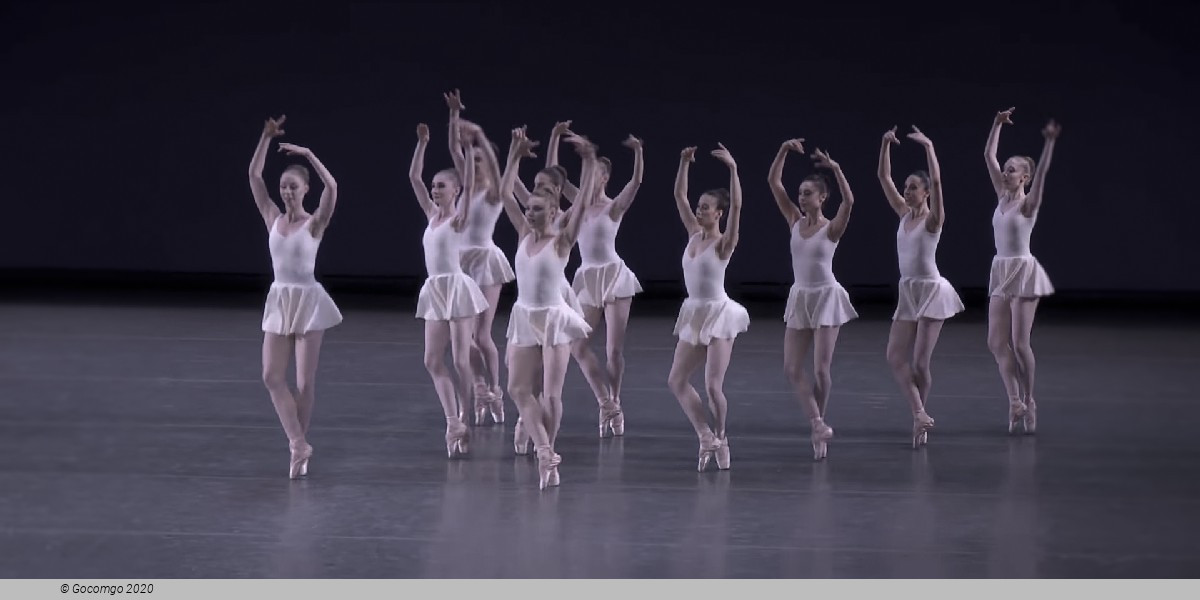
Balanchine’s ability to define music through dance, with infinite variety, marks all the ballets here. Concerto Barocco channels the delicacy and refinement of its Bach score through a pure-dance vocabulary that amplifies the music’s power. The elemental, alternately driving and melodic music of Prokofiev became the basis for one of the choreographer’s most dramatically powerful works, Prodigal Son, a retelling of the Biblical tale that is also distinguished for its designs by the great French painter Georges RouaultAnd Bizet’s endlessly scintillating score proved a perfect match for Balanchine’s mastery of all aspects of classical technique in the enduring favorite Symphony in C.

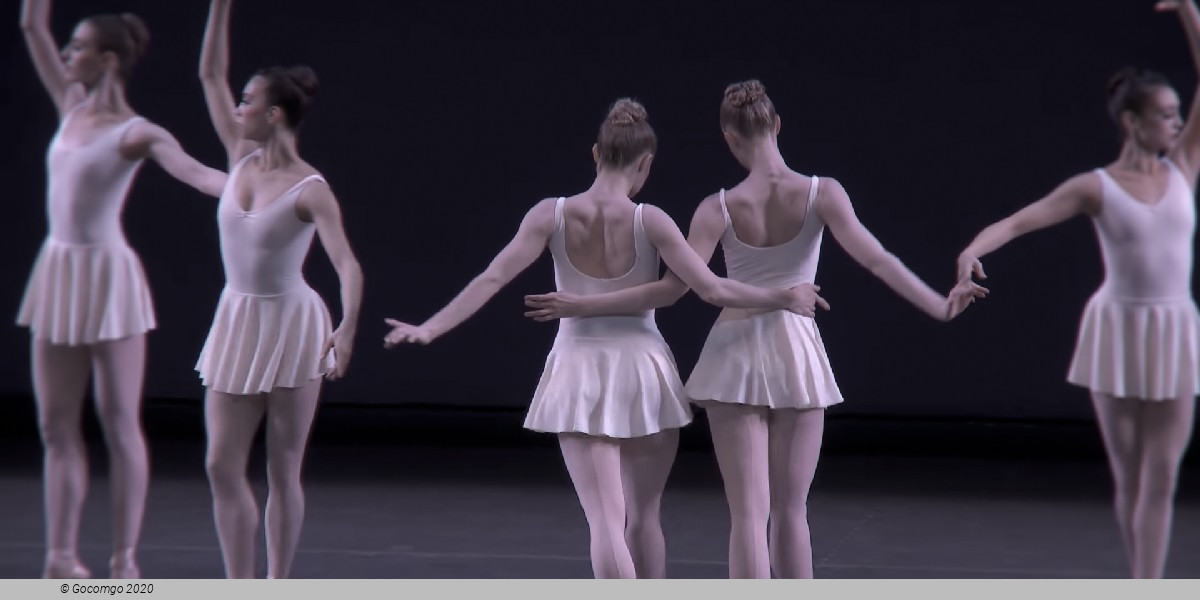
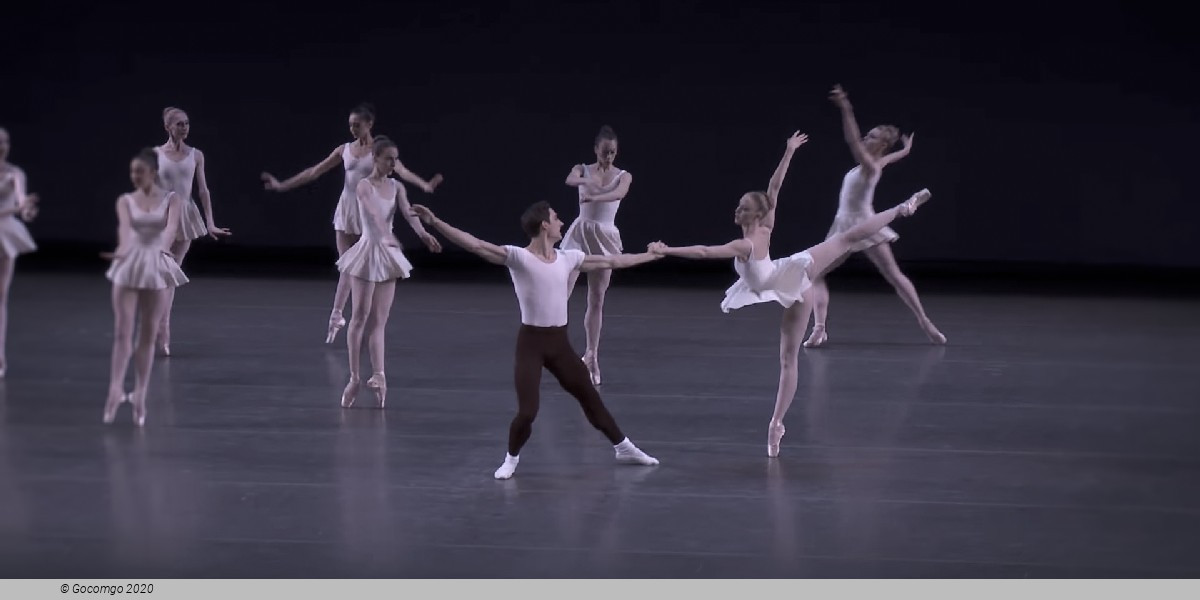
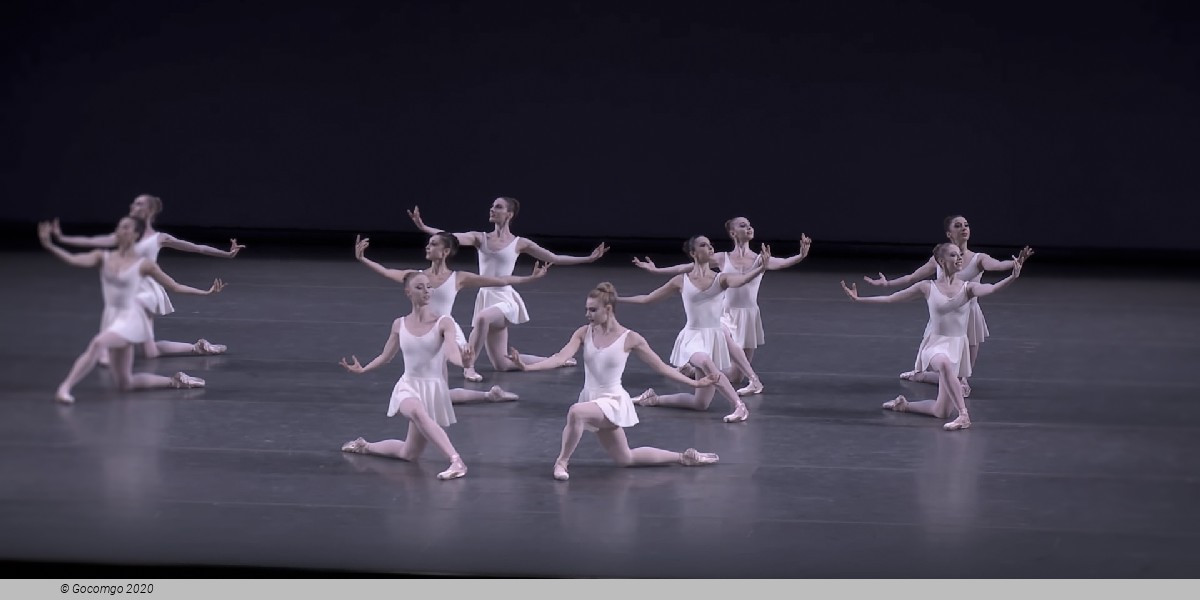
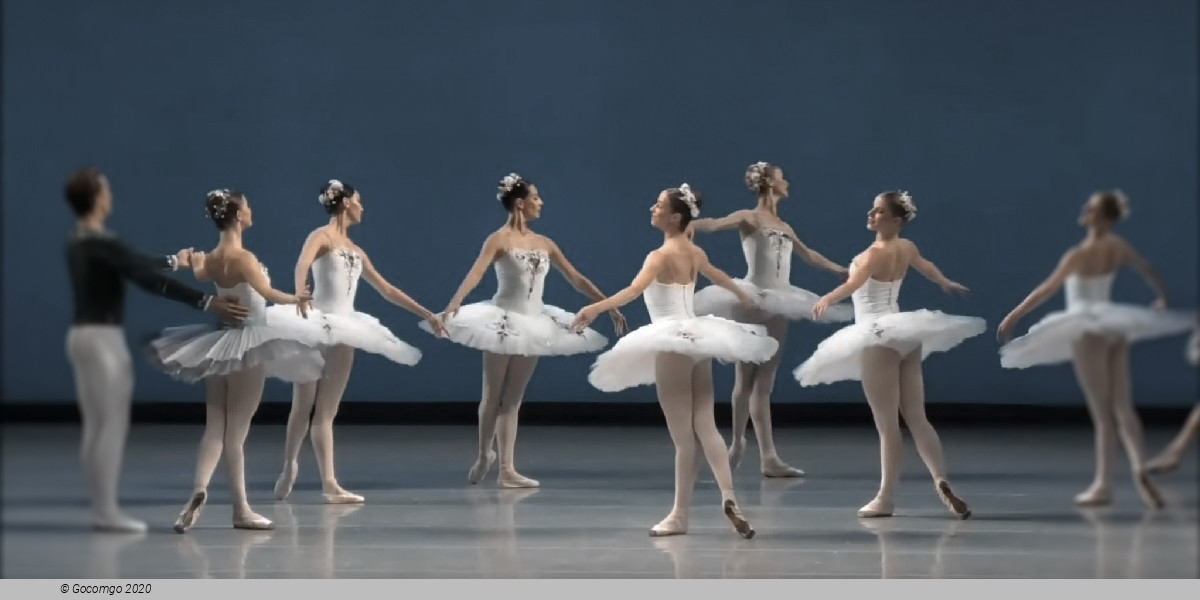
One of Balanchine’s greatest masterpieces, Concerto Barocco is music made visible as two elegant yet dynamic lead ballerinas each depict one of the instrumental soloists in a virtuosic double violin concerto.

Concerto Barocco had its beginnings as a School of American Ballet exercise and was first performed for the Latin American tour of the American Ballet Caravan in 1941. When it entered the repertory of the Ballet Russe de Monte Carlo in 1945, the dancers were dressed in practice clothes, probably the first appearance of what has come to be regarded as the modern ballet costume pioneered by Balanchine.

Concerto Barocco was presented on the first performance of New York City Ballet in 1948, along with Balanchine's Orpheus and Symphony in C. It is considered the quintessential Balanchine ballet of its period, its manner entirely pure, its choreography no more, and no less, than an ideal response to its score, Bach's Double Violin Concerto in D Minor. About the ballet, the critic Clive Barnes wrote, "The three hallmarks of the American classic style are poetry, athleticism, and musicality, and these three graces are exquisitely exploited by Concerto Barocco."

Balanchine said of this work: “If the dance designer sees in the development of classical dancing a counterpart in the development of music and has studied them both, he will derive continual inspiration from great scores.” In the first movement of the concerto, the two ballerinas personify the violins, while a corps of eight women accompany them.

In the second movement, a largo, the male dancer joins the leading woman in a pas de deux. In the concluding allegro section, the entire ensemble expresses the syncopation and rhythmic vitality of Bach’s music.

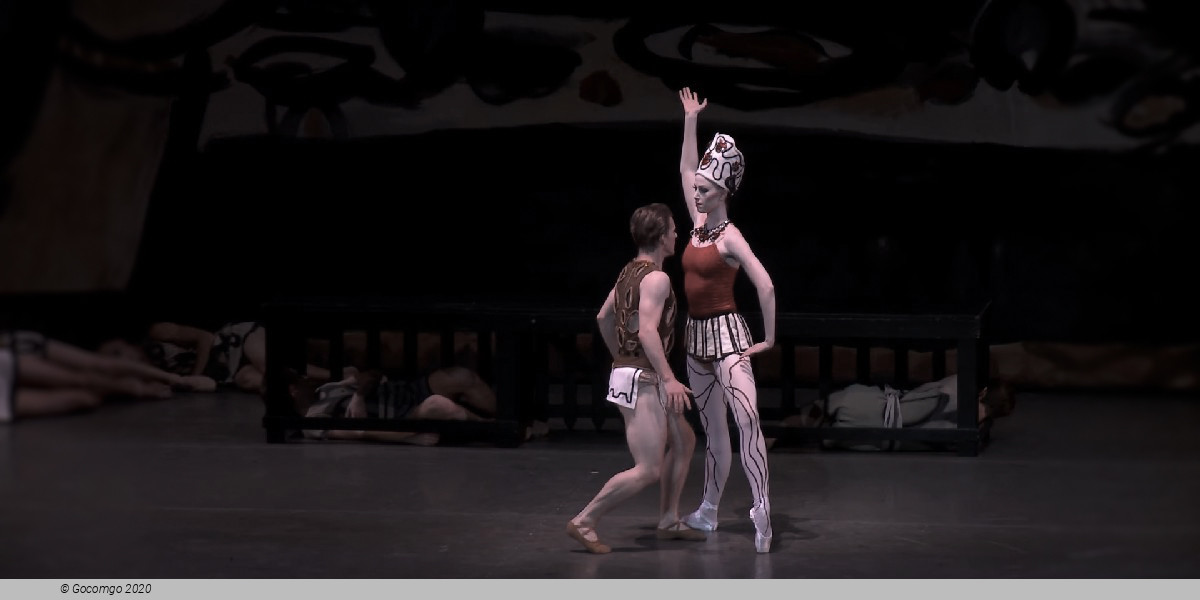
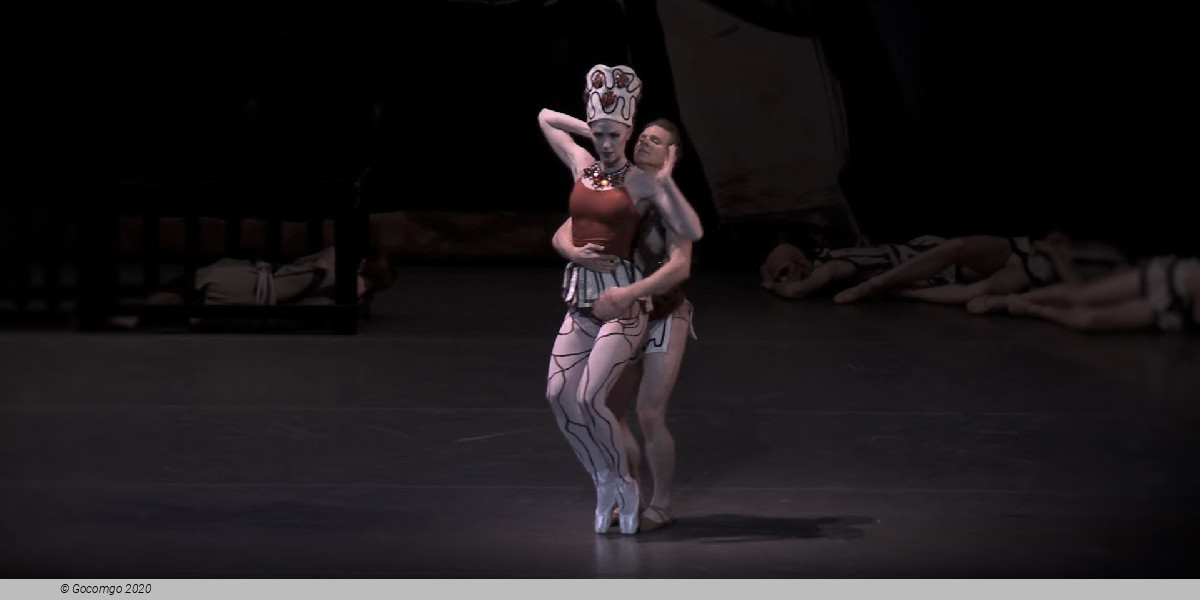
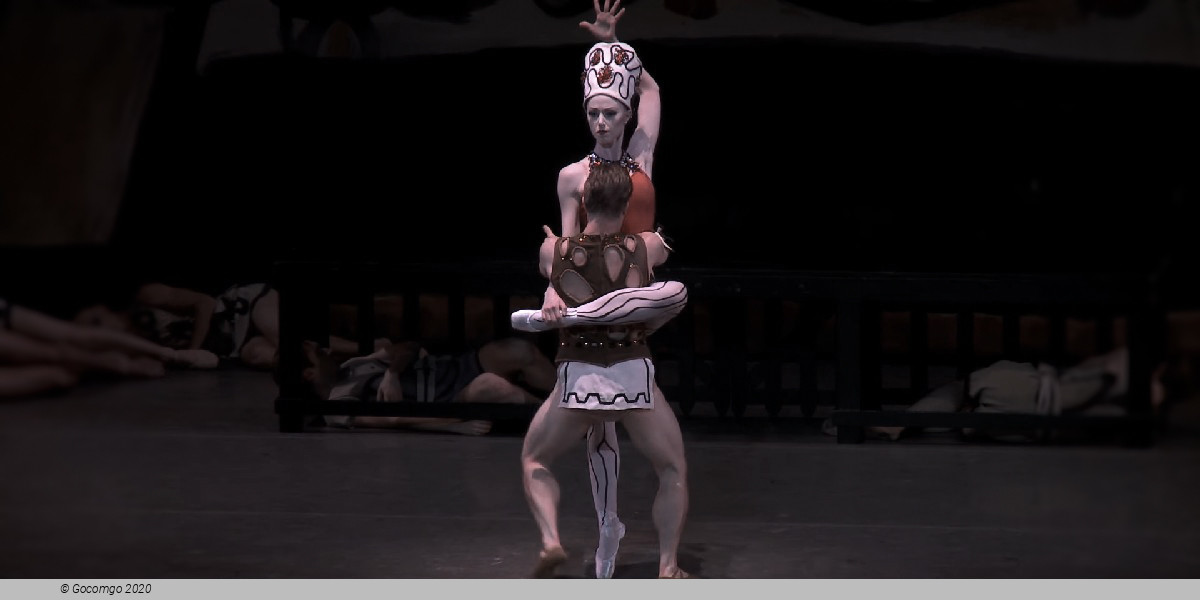
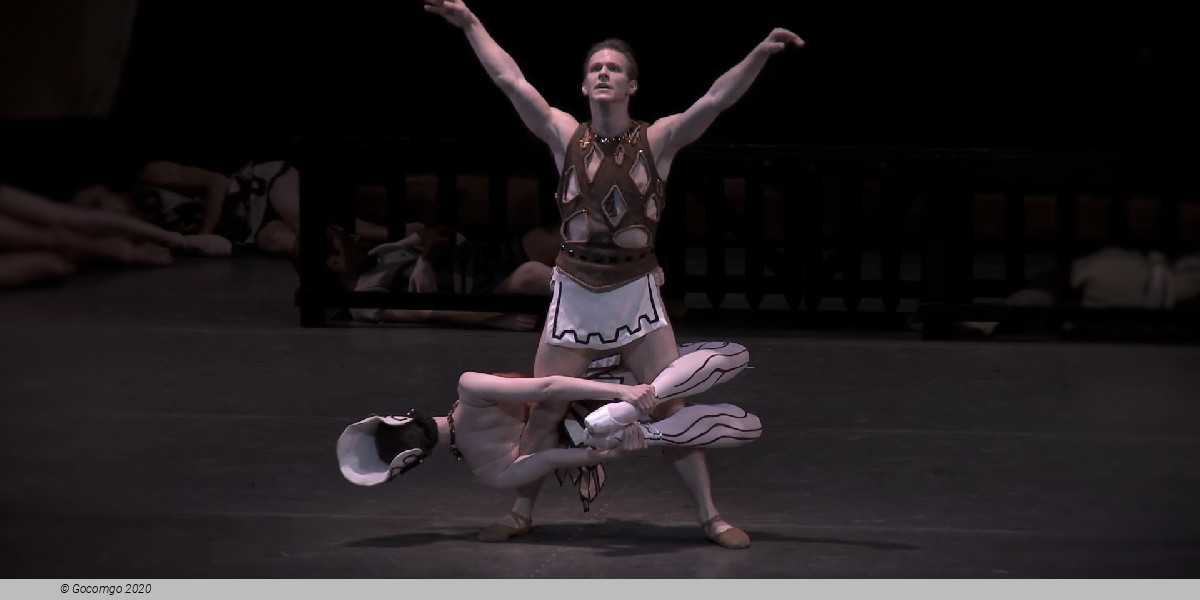
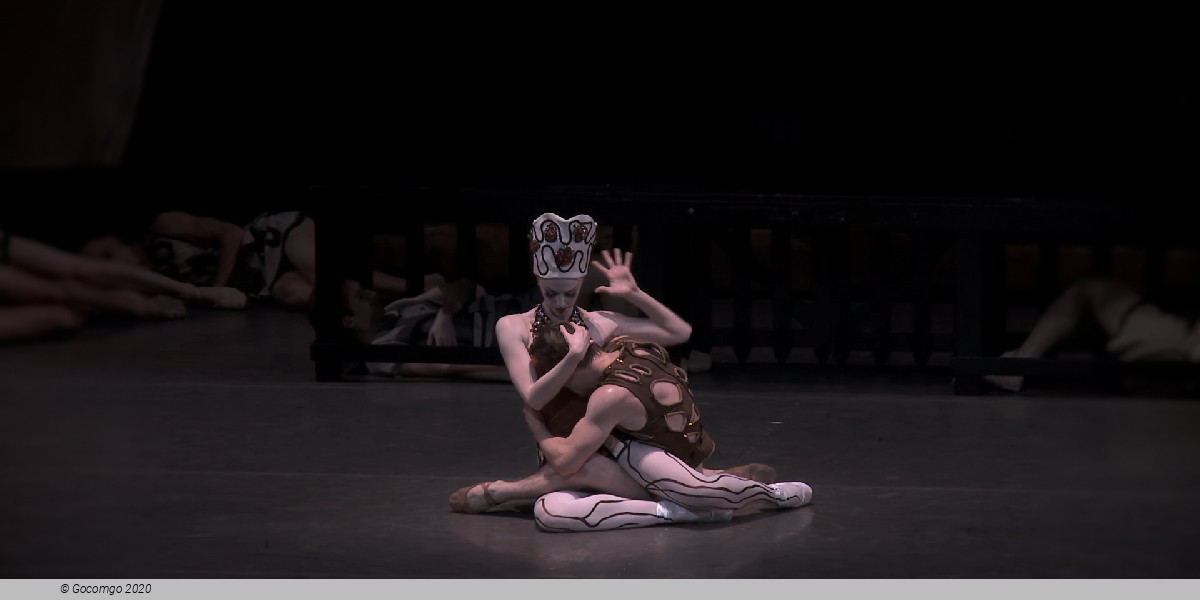
The ultimate story of sin and redemption, Prodigal Son's powerful message, expressive score, and dramatic movement make it eternally impactful.

Serge Diaghilev, who founded Ballets Russes in 1911, was a ballet and opera impresario who brought together the best of new music, dance, and visual art in his productions. George Balanchine was hired by Diaghilev in 1924 and created several ballets before the company disbanded in 1929, after Diaghilev's sudden death.

Prodigal Son was the last of Balanchine's works for Ballets Russes; it premiered in 1929, opening what was to be the company's final Paris season. Diaghilev commissioned Sergei Prokofiev to write the score and Georges Rouault to design the Fauvist sets and costumes. The ballet's story comes from the biblical parable, but Boris Kochno added much dramatic material and, to emphasize the themes of sin and redemption, ended the story with the Prodigal's return home.

Prodigal Son was enthusiastically received by both audience and critics and was one of Balanchine's first ballets to achieve an international reputation. Its eternal themes, expressive score, and abstract but thoroughly dramatic movement make it as modern, exciting, and powerful today as it was in 1929.

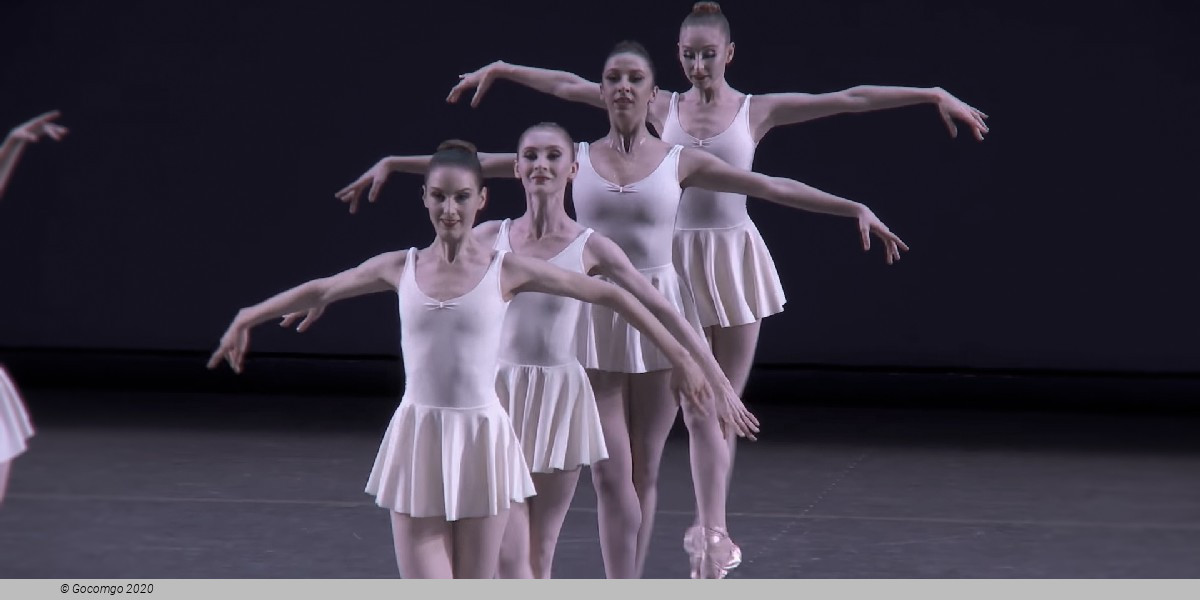
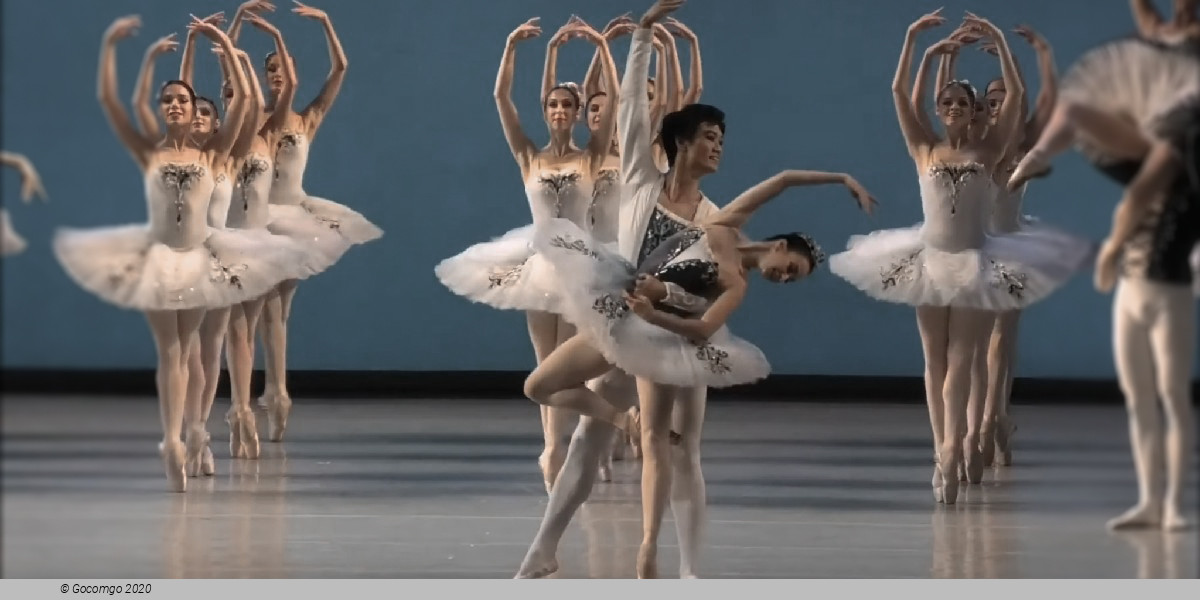
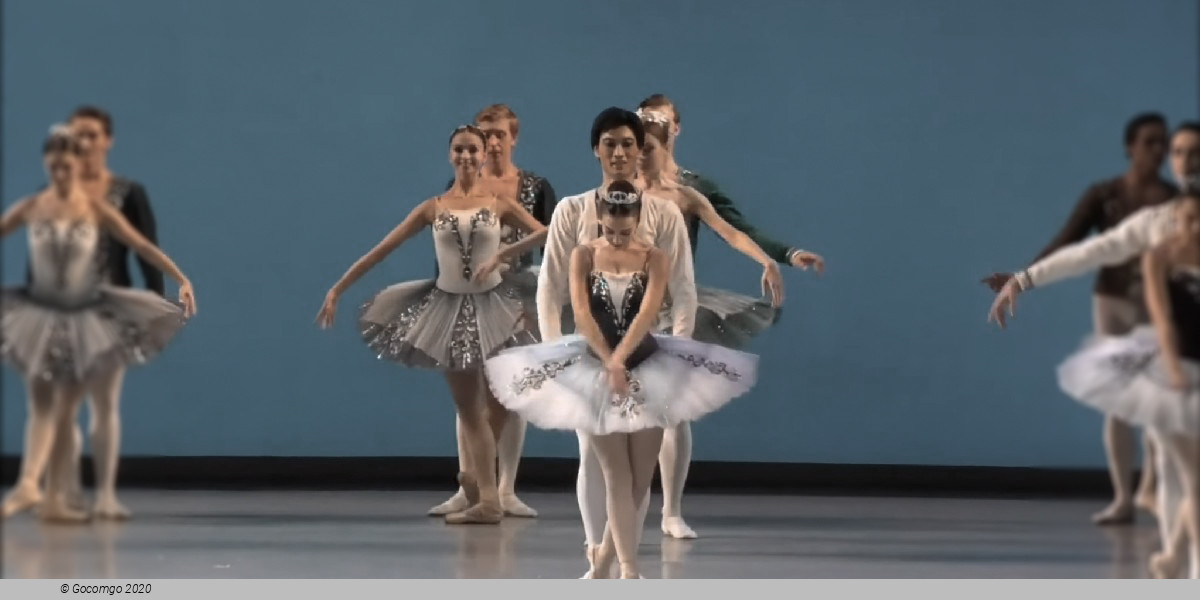
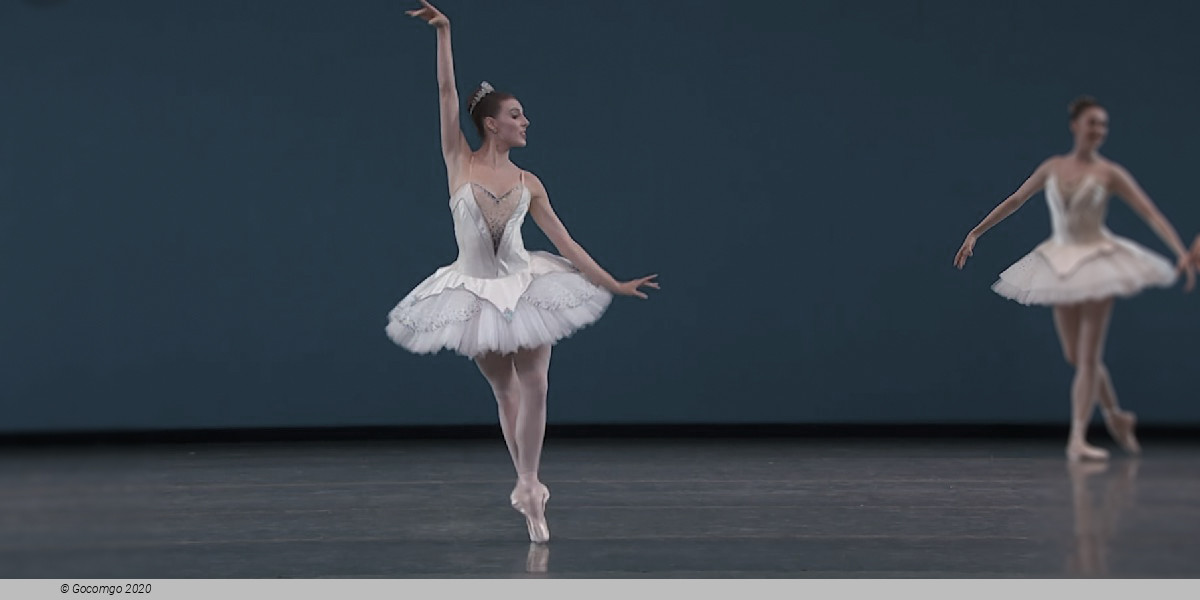
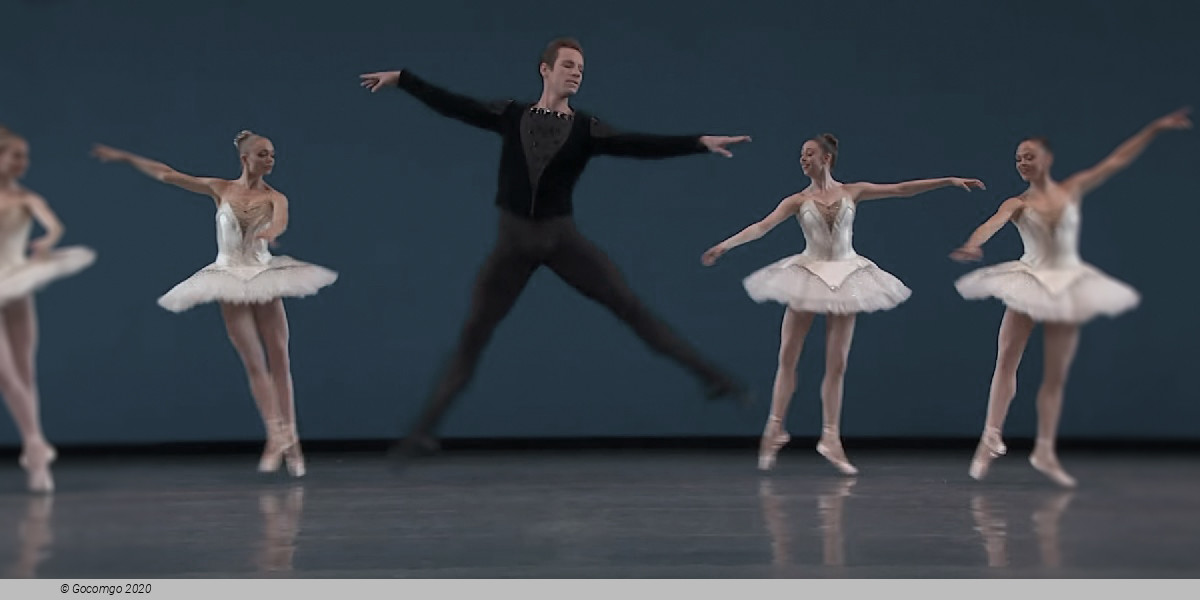
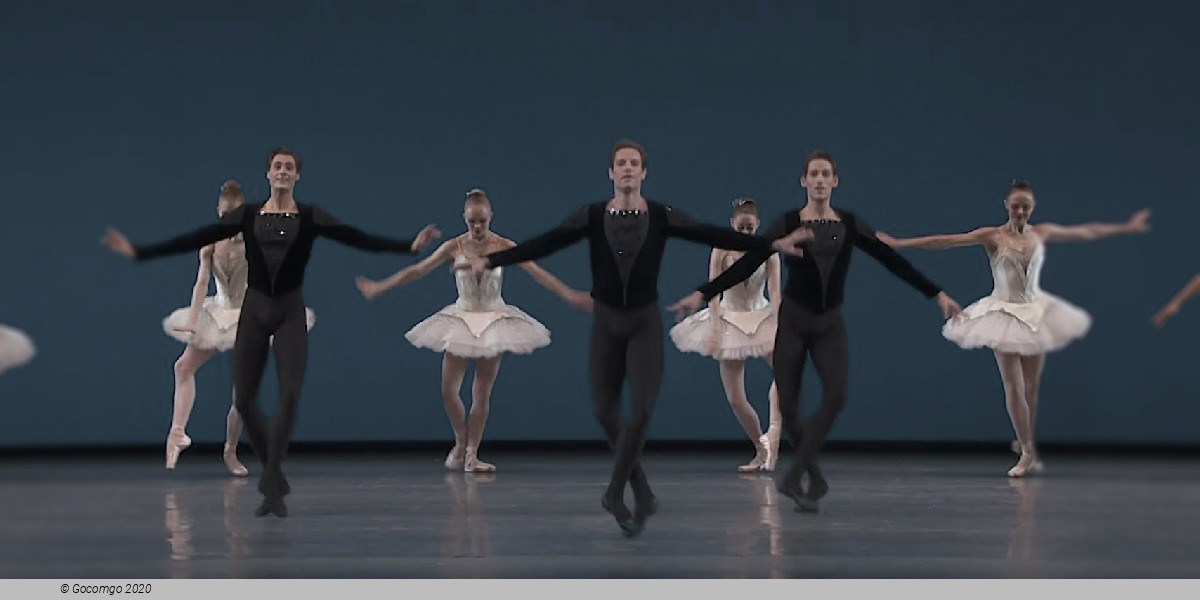
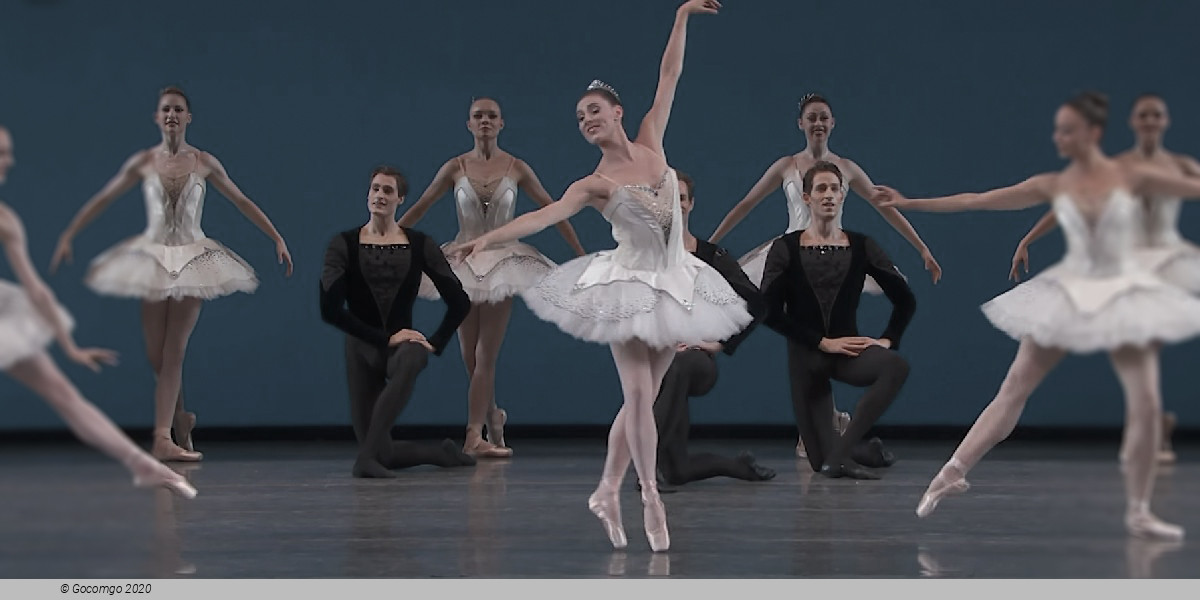
A grand classical masterpiece, Symphony in C dazzles audiences with over 50 dancers covered in Swarovski elements and a spectacular finale uniting the entire cast.

Georges Bizet composed his Symphony in C Major when he was a 17-year-old pupil of Charles Gounod at the Paris Conservatory. The manuscript was lost for decades and was published only after it was discovered in the Conservatory’s library in 1933.

Balanchine first learned of the long-vanished score from Stravinsky. He required only two weeks to choreograph it as Le Palais de Cristal for the Paris Opera Ballet in 1947, where he was serving as a guest ballet master. When he revived the work the following year for New York City Ballet’s first program on October 11, 1948, he simplified the sets and costumes and changed the title. The ballet has remained a vital part of the Company’s repertory ever since.

For the 2012 Spring Season, new costumes for the ballet were designed by Marc Happel, NYCB’s Director of Costumes. The new designs were created in collaboration with Swarovski, and the production features costumes, as well as newly designed crowns, headpieces, and earrings, all created using Swarovski Elements.


History
Premiere of this production: 27 June 1941, Teatro Municipal, Rio de Janeiro, Brazil

Concerto Barocco is a neoclassical ballet made for students at the School of American Ballet by George Balanchine, subsequently ballet master and co-founder of New York City Ballet, to Johann Sebastian Bach's Concerto in D minor for Two Violins, BWV 1043. After an open dress rehearsal on May 29, 1941, in the Little Theatre of Hunter College, New York, the official premiere took place June 27, 1941, at Teatro Municipal in Rio de Janeiro as part of American Ballet Caravan's South American tour.

Premiere of this production: 21 May 1929, Théâtre Sarah-Bernhardt, Paris

The Prodigal Son (Le Fils prodigue) is a ballet created for Diaghilev's Ballets Russes by George Balanchine to music by Sergei Prokofiev (1928–29). The libretto, based on the parable in the Gospel of Luke, was by Boris Kochno, who added a good deal of drama and emphasized the theme of sin and redemption ending with the Prodigal Son's return.

Premiere of this production: 28 July 1947, Théâtre National de l'Opéra

Symphony in C, originally titled Le Palais de Cristal, is a ballet choreographed by George Balanchine, to Georges Bizet's Symphony in C. The ballet was originally created for the Paris Opera Ballet, and premiered on July 28, 1947 at Théâtre National de l'Opéra.

Synopsis

Prodigal Son was the last work Balanchine made for Diaghilev’s Ballets russes in 1929 with Serge Lifar in the role of the Prodigal Son; it was revived in 1950 by the New York City Ballet with Jerome Robbins in the title role. Its music by Prokofiev was written for the ballet, and its costumes and décor were created by Rouault, making it a perfect example of the collaborative efforts among artists that produced some of the best works of the Diaghilev era. New for a Diaghilev ballet was the Biblical theme and the religious spirit. In seeking eternal themes and turning to past artistic devices, western artists were trying to avoid the complete intellectual and artistic degeneration towards which their rootless experimentation was leading. Prodigal Son anticipated the trend toward religion of the 1930s and 40s. It was Diaghilev’s fate that he would always be ahead of fashion, even when he believed he had turned his back on vogue. The return of Prodigal Son to St Petersburg is of great significance. For the first time, a ballet of the most radical, late period of Diaghilev’s Saisons russes has returned to the stage of the Mariinsky Theatre. That period of Russian and world ballet has come home, which until recently was under artistic (avant-garde aesthetics of the late Diaghilev era) and ideological (use of religious motifs) censorship. 
With the return of Prodigal Son, the Mariinsky Theatre and its generation of young dancers have begun to restore an objective picture of the development of ballet in the 20th century.

Venue Info

New York City Ballet (David H. Koch Theater) - New York
Location   20 Lincoln Center Plaza

The David H. Koch Theater is the major theater for ballet, modern, and other forms of dance, part of the Lincoln Center, at the intersection of Columbus Avenue and 63rd Street in the Lincoln Square neighborhood of Manhattan in New York City. Originally named the New York State Theater, the venue has been home to the New York City Ballet since its opening in 1964, the secondary venue for the American Ballet Theatre in the fall, and served as home to the New York City Opera from 1964 to 2011.

The New York State Theater was built with funds from the State of New York as part of New York State's cultural participation in the 1964–1965 World's Fair. The theater was designed by architects Philip Johnson and John Burgee, and opened on April 23, 1964. After the Fair, the State transferred ownership of the theater to the City of New York.

Along with the opera and ballet companies, another early tenant of the theater was the now defunct Music Theater of Lincoln Center whose president was composer Richard Rodgers. In the mid-1960s, the company produced fully staged revivals of classic Broadway musicals. These included The King and I; Carousel (with original star, John Raitt); Annie Get Your Gun (revised in 1966 by Irving Berlin for its original star, Ethel Merman); Show Boat; and South Pacific.

The theater seats 2,586 and features broad seating on the orchestra level, four main “Rings” (balconies), and a small Fifth Ring, faced with jewel-like lights and a large spherical chandelier in the center of the gold latticed ceiling.

The lobby areas of the theater feature many works of modern art, including pieces by Jasper Johns, Lee Bontecou, and Reuben Nakian.

Important Info
Type: Ballet
City: New York, USA
Starts at: 20:00
Duration: 20min
Top of page