A revival, a masterpiece, and a broadway-style favorite.
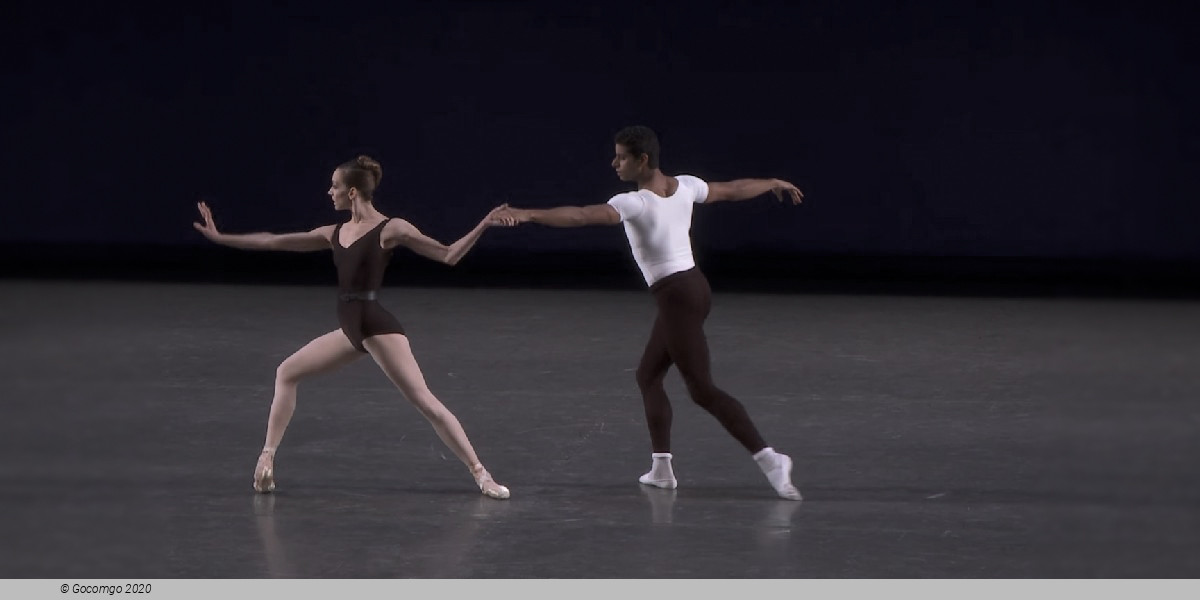
Bourrée Fantasque, which debuted in 1949 and has only rarely been revived in recent years, returns to the repertory and is sure to charm audiences with its vibrant mixture of frolicsome comedy in the first movement and sparkling classical choreography throughout. Agon, a dance both austere in its means and sublimely powerful in its effect, marked a watershed in the storied collaboration between Balanchine and Stravinsky. And Slaughter on Tenth Avenue represents Balanchine as a supreme entertainer, with its deliciously zany story of a murder plot that goes awry, thanks to a high-kicking stripper and the fearlessly energetic hoofer who loves her.
Balanchine had admired Chabrier's music since discovering it after leaving Russia during his early years in France. He knew well the pieces he would assemble into the score of Bourrée Fantasque, but waited a long time before he used them to create one of the first works for the newly-formed New York City Ballet.
Balanchine was well-known for his wonderful wit as well as an encyclopedic knowledge of dance forms. Here he takes comic aim at many of the conventions that typify the classical dance while providing glimpses of such popular dances such as the can-can and tango. This large ballet for 42 dancers is performed in four movements with each of the first three sections having its own principal couple and culminates in a rousing finale for the entire cast. Critics have cited Bourrée Fantasque for its Gallic style, Russian dance vocabulary and American dynamism.
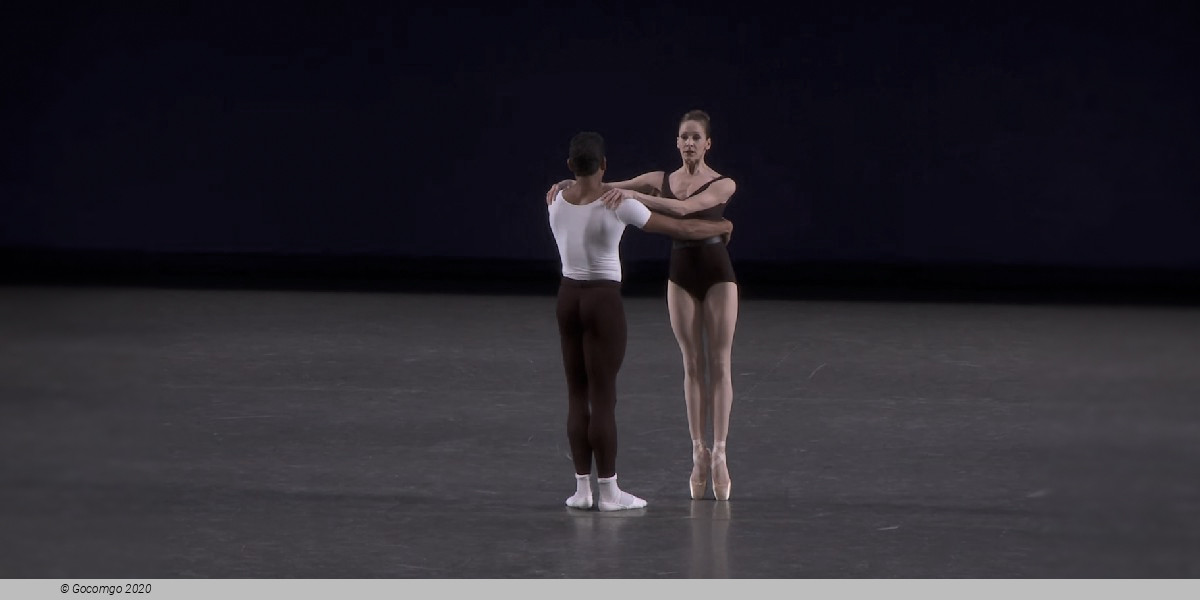
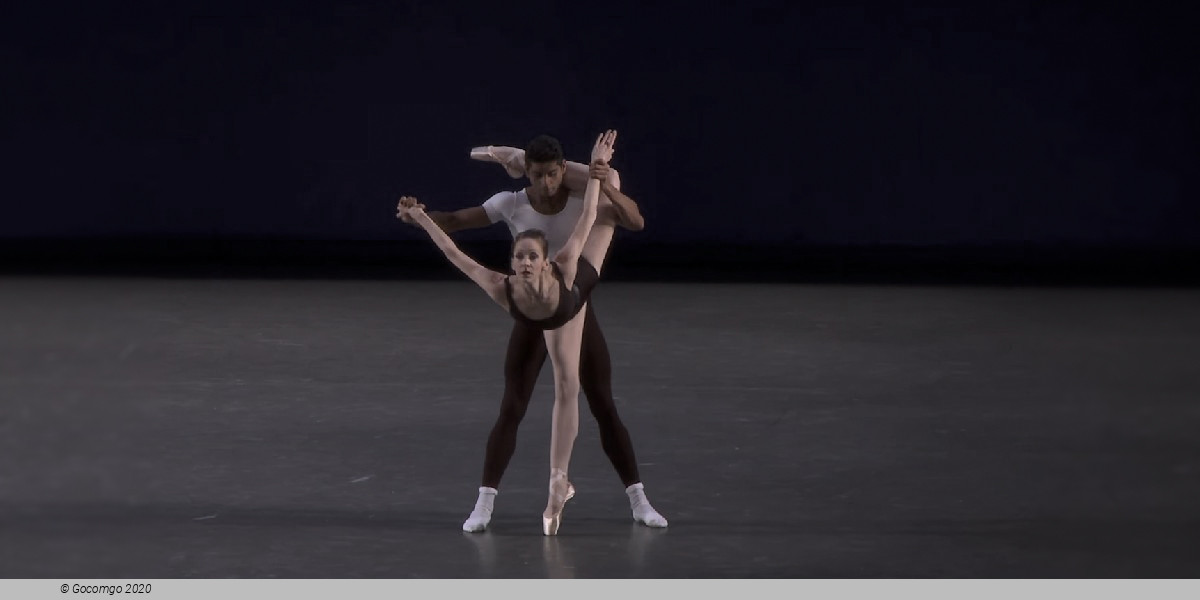
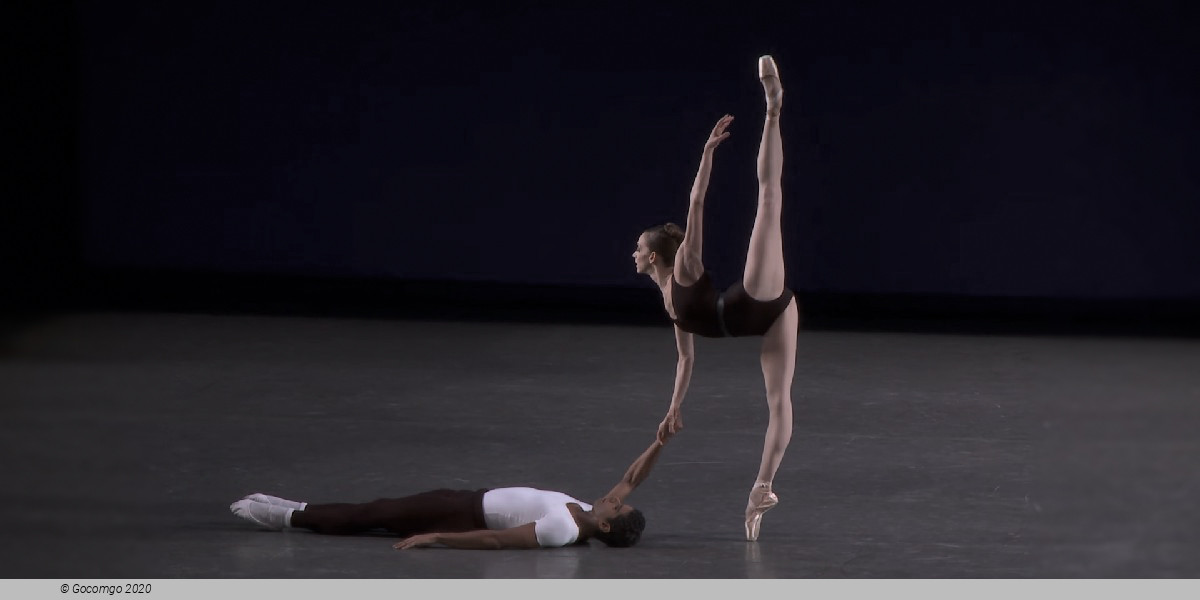
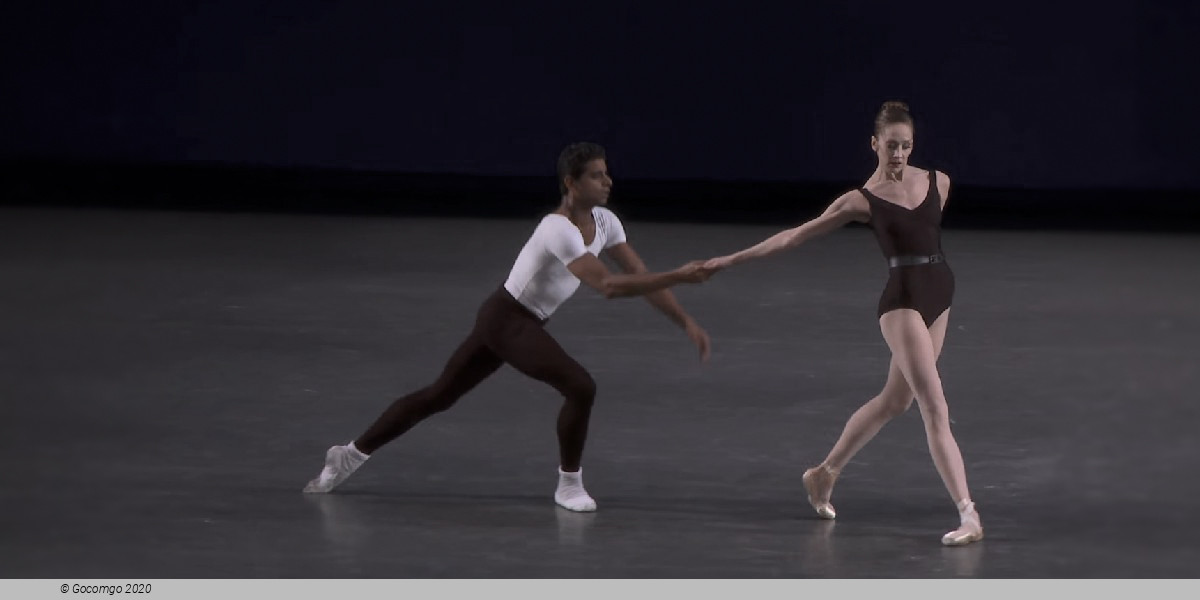
The apex of Balanchine’s collaborations with Igor Stravinsky, Agon is an intense masterpiece and signature NYCB work, ever contemporary in its athletic competitiveness.
The Agon pieces were all modeled after examples in a French dance manual of the mid-17th Century. Agon ("The Contest") is not a mythical subject piece to complete a trilogy with Apollo and Orpheus. In fact, it has no musical or choreographic subject beyond the new interpretation of the venerable dances that are its pretext. It was even conceived without provision for scenery and was independent, at least in Stravinsky’s mind, of décor, period, and style.
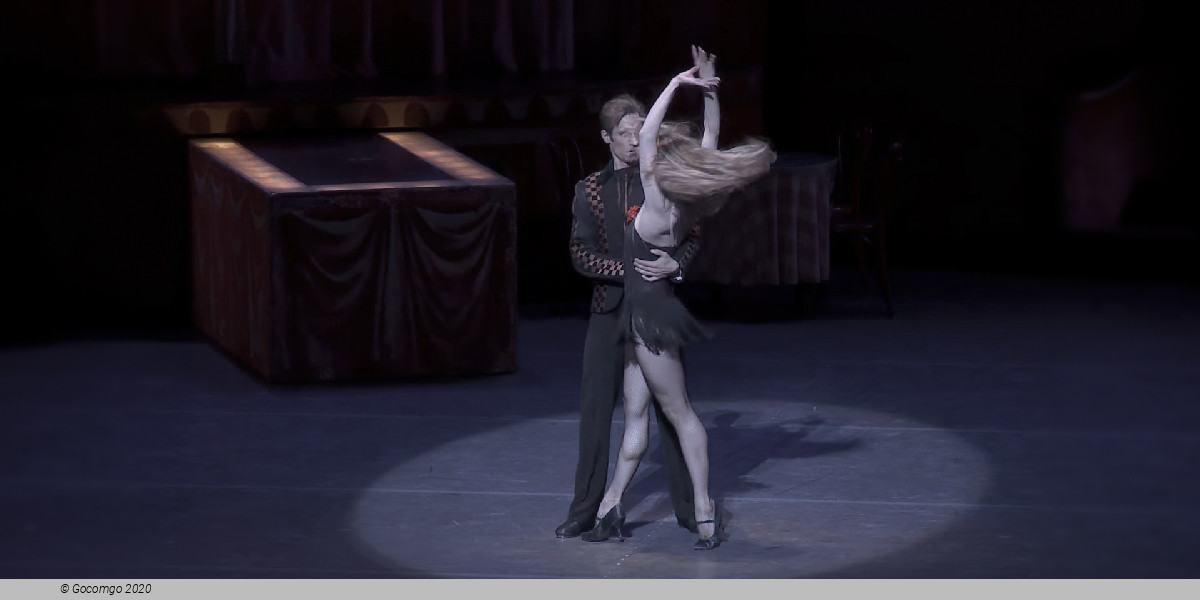
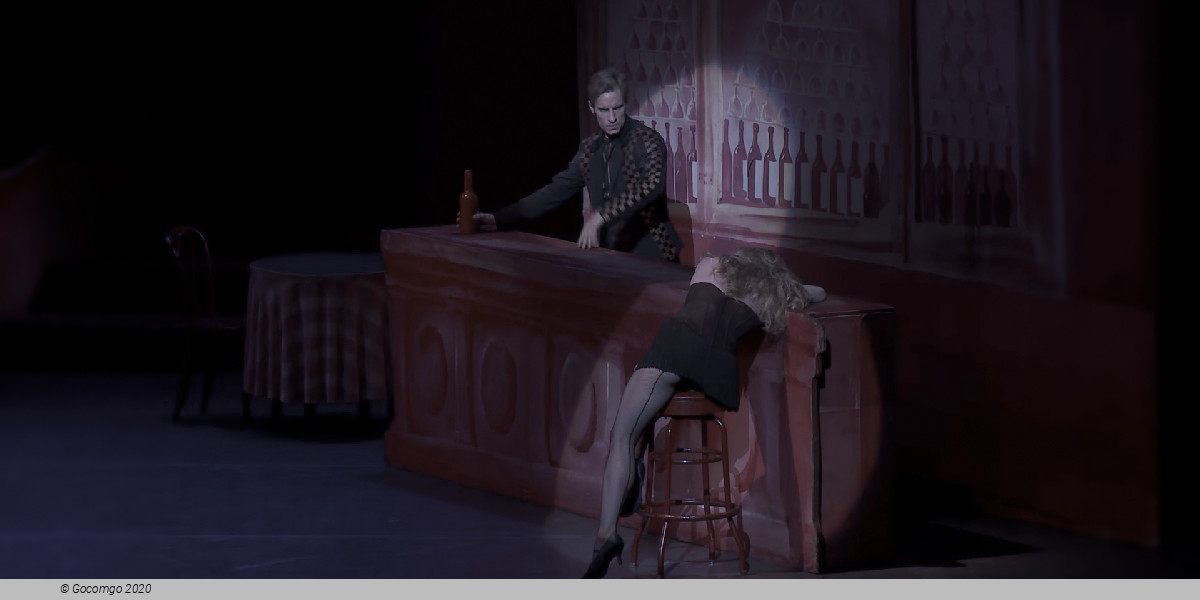
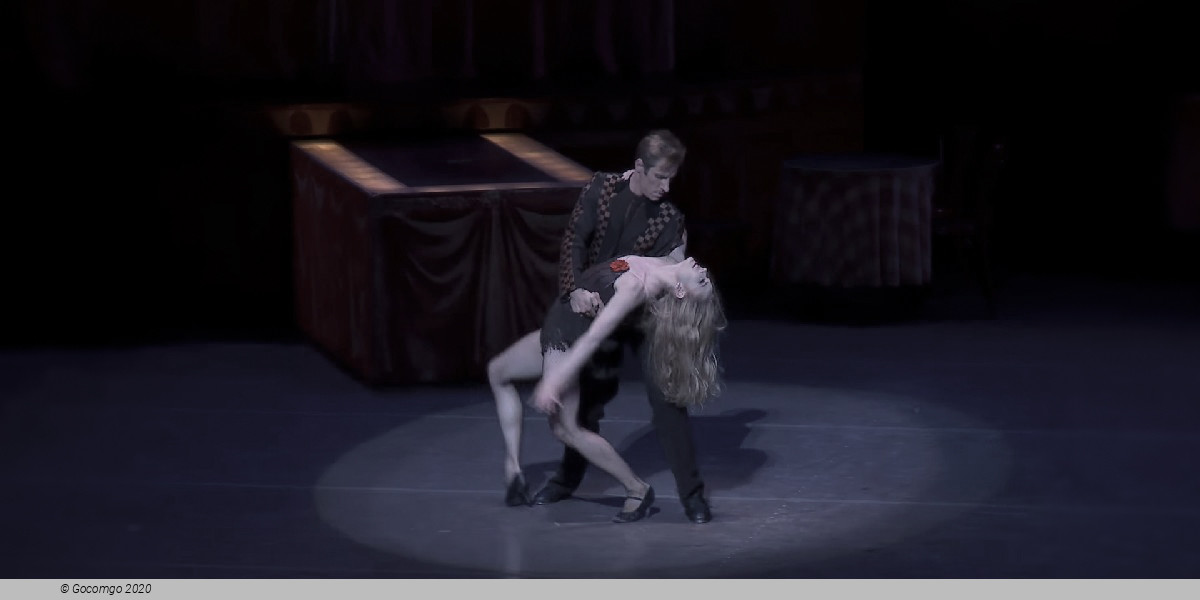
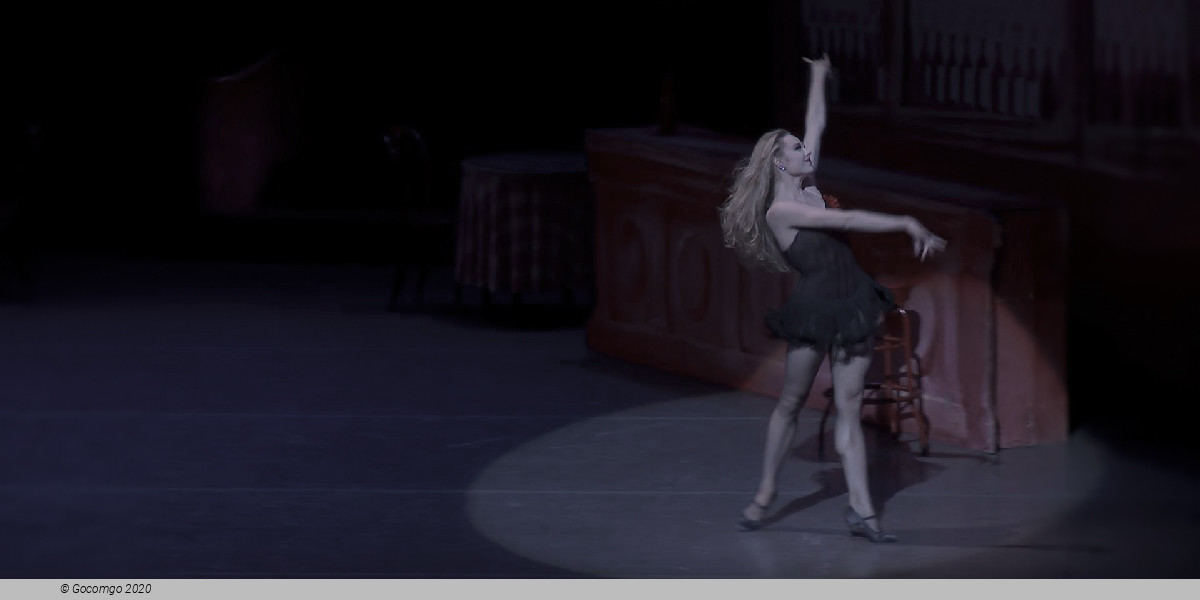
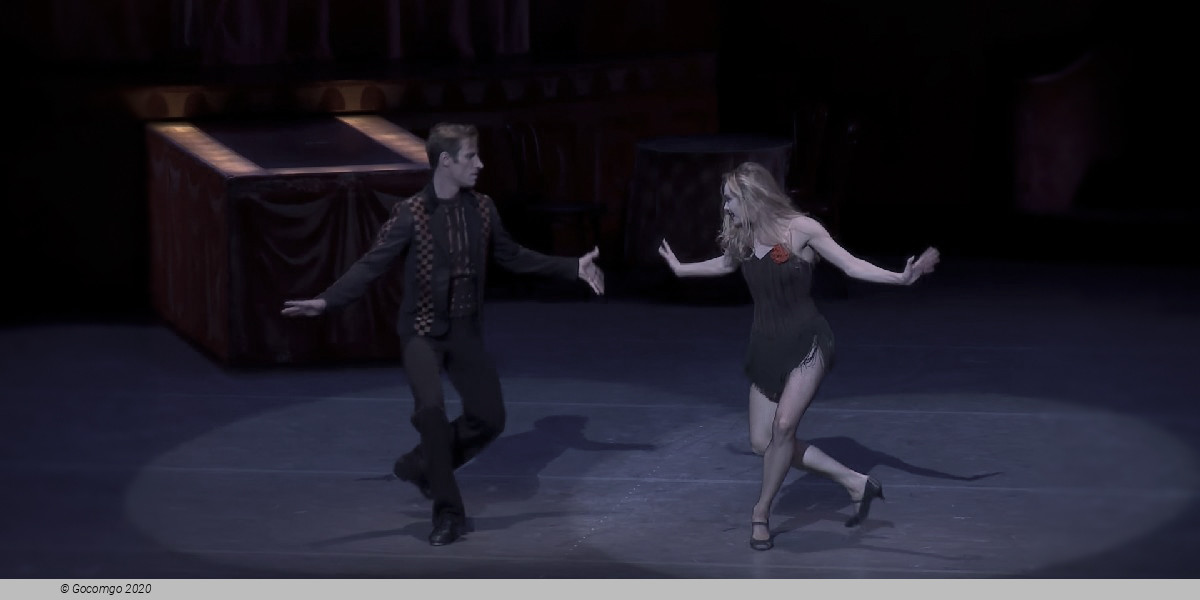
An audience favorite with showbiz glam, Slaughter on Tenth Avenue is a vampy ballet about a jealous Russian premier danseur and his hoofing American rival.
The original Slaughter on Tenth Avenue was created for the 1936 Rodgers and Hart musical On Your Toes, and featured Ray Bolger as "The Hoofer" and Tamara Geva as "The Stripper." The first full-scale ballet within a musical, and the first to advance the action of the show, it also introduced the word "choreography" to Broadway, at Balanchine's request. On Your Toes was also the first of four Rodgers and Hart musicals choreographed by Balanchine during the 1930s, the others being Babes in Arms, I Married an Angel, and The Boys from Syracuse.
A story-within-a-story, it tells the tale of a jealous premier danseur, who hires a thug to kill a rival during the premiere of a new ballet. The ballet — Slaughter on Tenth Avenue — concerns the seedy denizens who patronize a strip joint near the New York waterfront where brawls frequently occur. Within the context of this shabby setting, a Hoofer falls in love with a Stripper and is discovered with her after closing time by the club's owner, the Big Boss, who accidentally shoots her. The "corpse" of the Stripper manages to pass a note to the Hoofer warning him of the real murder plot, and once aware that the thug, who is sitting in one of the theater's boxes, is planning to shoot him when he stops dancing, the Hoofer keeps repeating his closing phrase until the police arrive.





 20 Lincoln Center Plaza