NYCB staples from Balanchine, Robbins, and Martins bookend a revival of an Evans pas de deux.
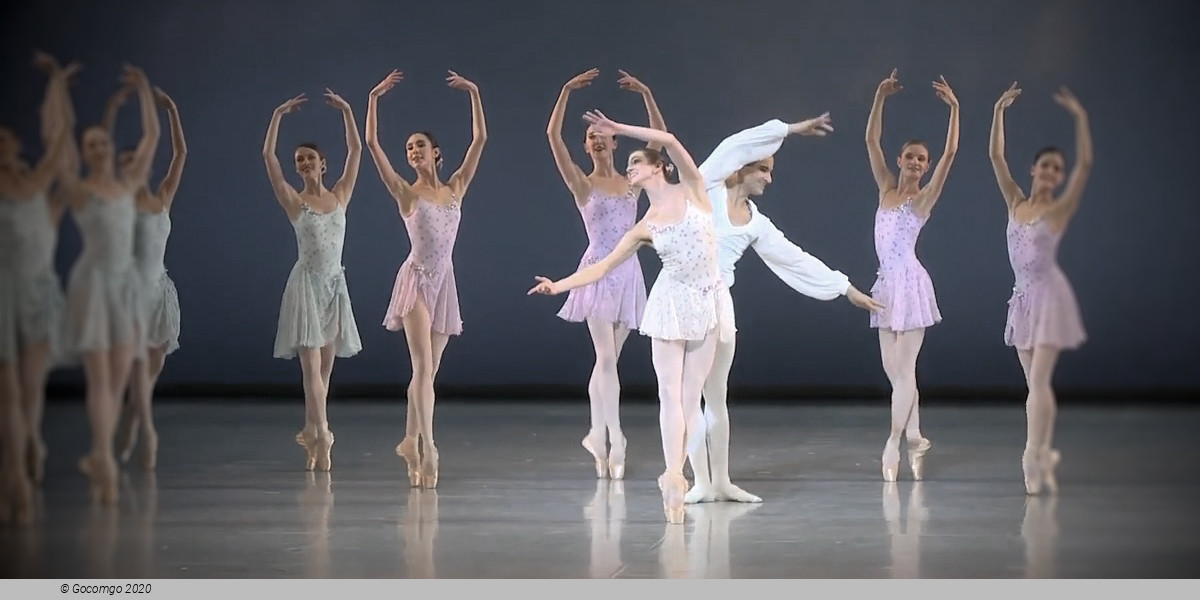
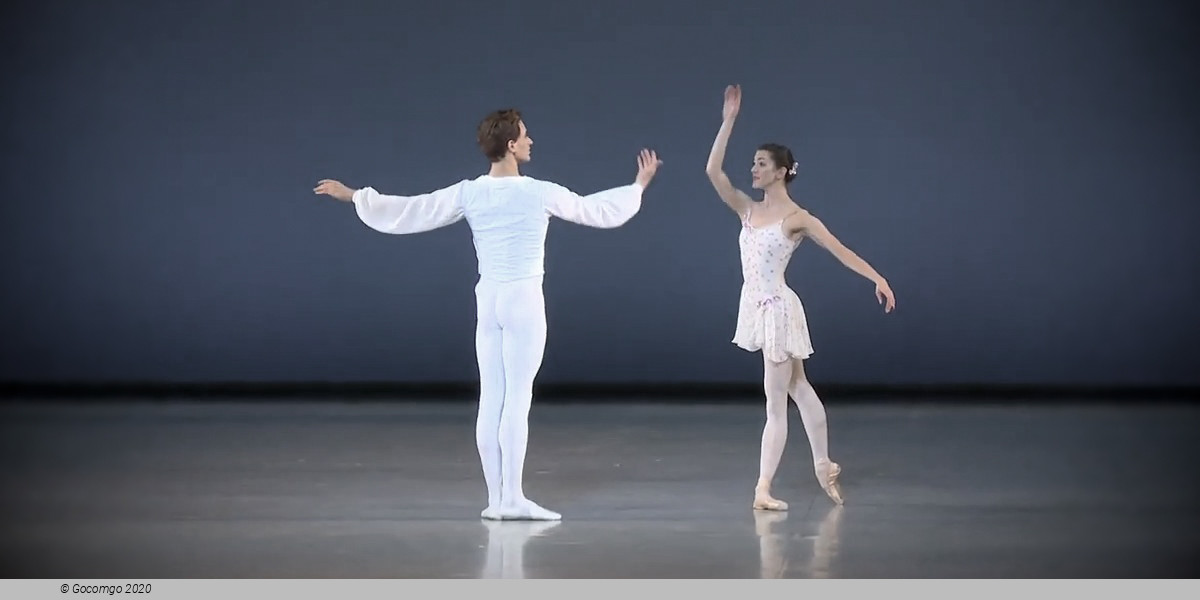
This nicely varied program features works from four choreographers performed to music of diverse styles and periods. The Concert, Jerome Robbins’s impishly funny sendup of the supposedly staid behavior of classical concertgoers, finds unexpected humor in its score of selected Chopin piano works. The program also includes Balanchine’s Ballo della Regina, performed to Verdi ballet music, which features bravura choreography that challenges even the most technically assured dancers; Peter Martins’ endlessly dynamic Hallelujah Junction, danced to a score for two pianos by the esteemed contemporary composer John Adams; and In a Landscape, a pas de deux to music by the modernist composer John Cage created by Albert Evans, a beloved longtime principal dancer with the Company who passed away in 2015.
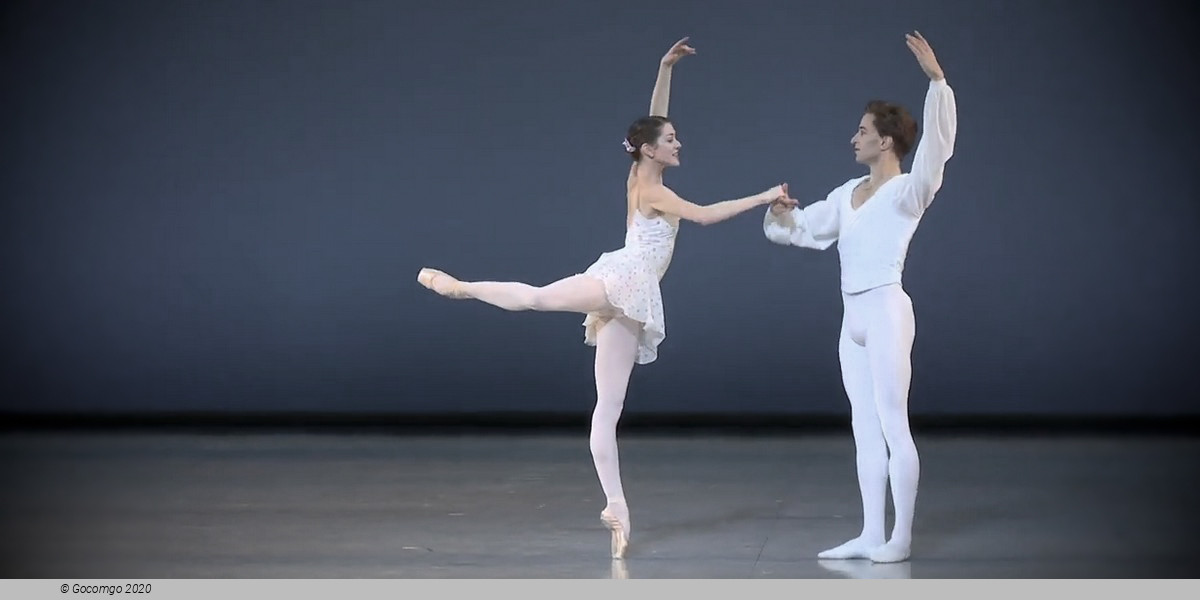
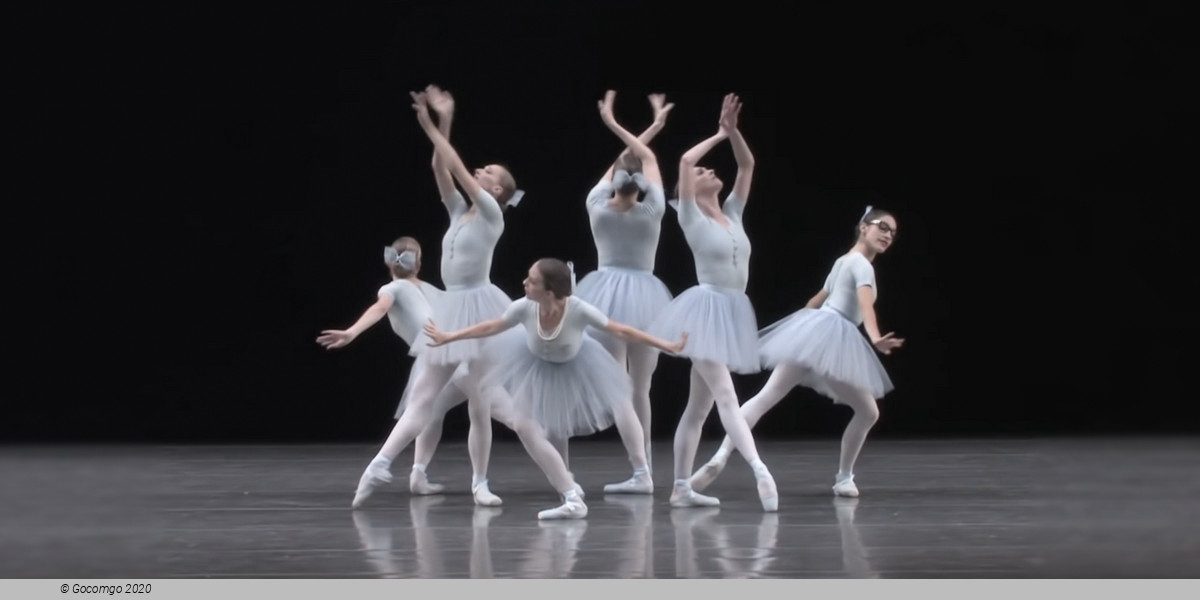
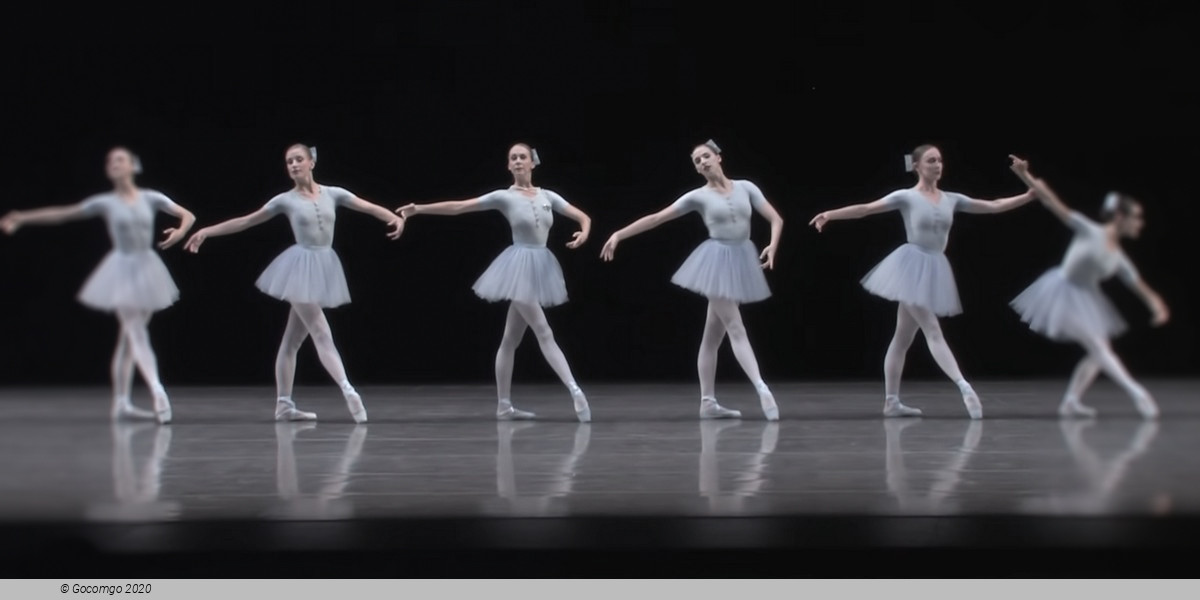
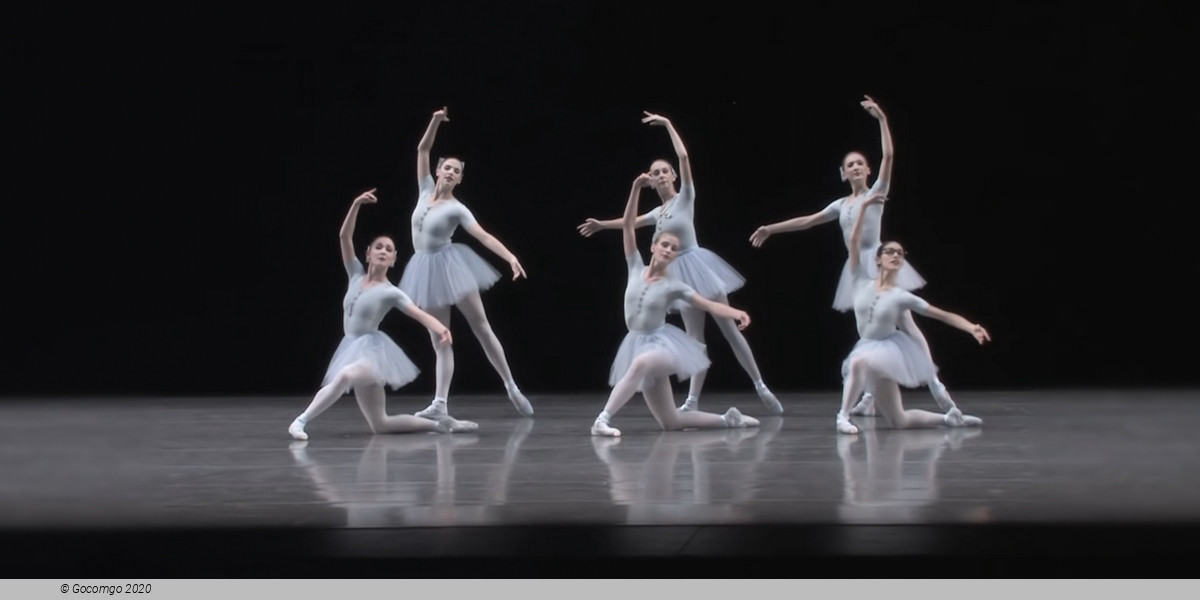
The jaw-dropping technical feats of Ballo della Regina’s choreography were originally devised to challenge the lead ballerina, who must exhibit carefree joyousness while performing steps that push the limits of physical possibility.
Balanchine was no stranger to opera. Not only did he create ballets to the music from such works as La Sonnambula and Don Sebastian, he also choreographed the ballet portions of many opera productions. He felt that opera taught something important. "From Verdi's way of dealing with the chorus," Balanchine told biographer Bernard Taper, "I have learned how to handle the corps de ballet, the ensemble, the soloists, how to make the soloists stand out against the corps, and when to give them a rest."
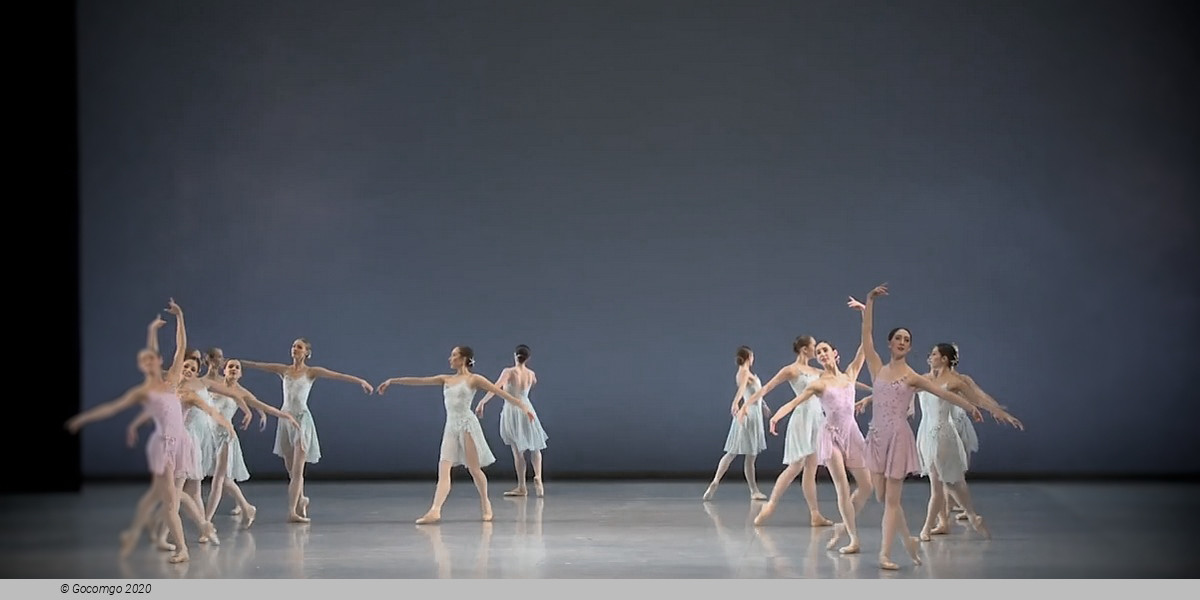
Ballo della Regina is a virtuoso set of variations, comparable to the bel canto style of opera. It is set to ballet music that was cut from the original production of Verdi's Don Carlo. Lincoln Kirstein writes that the ballet seems to take place in a grotto, with reference through lighting and costumes to the original tale of a fisherman's search for the perfect pearl.
The ballet is one of George Balanchine’s last works, and the choreography requires ballerinas to push the limits of their physical abilities while radiating carefree cheerfulness.
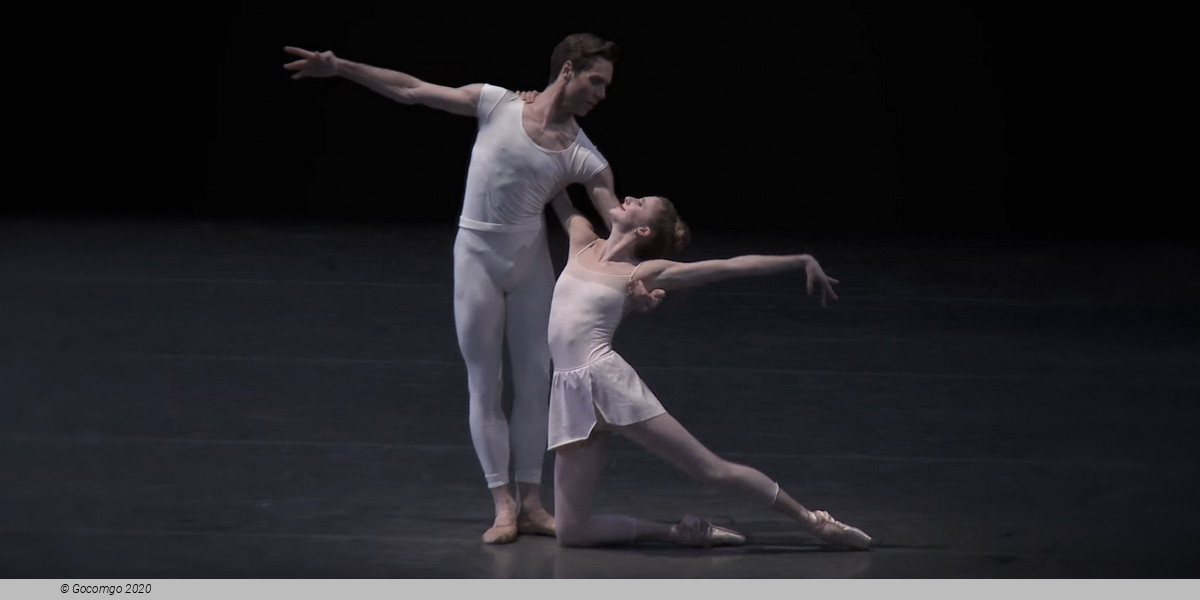
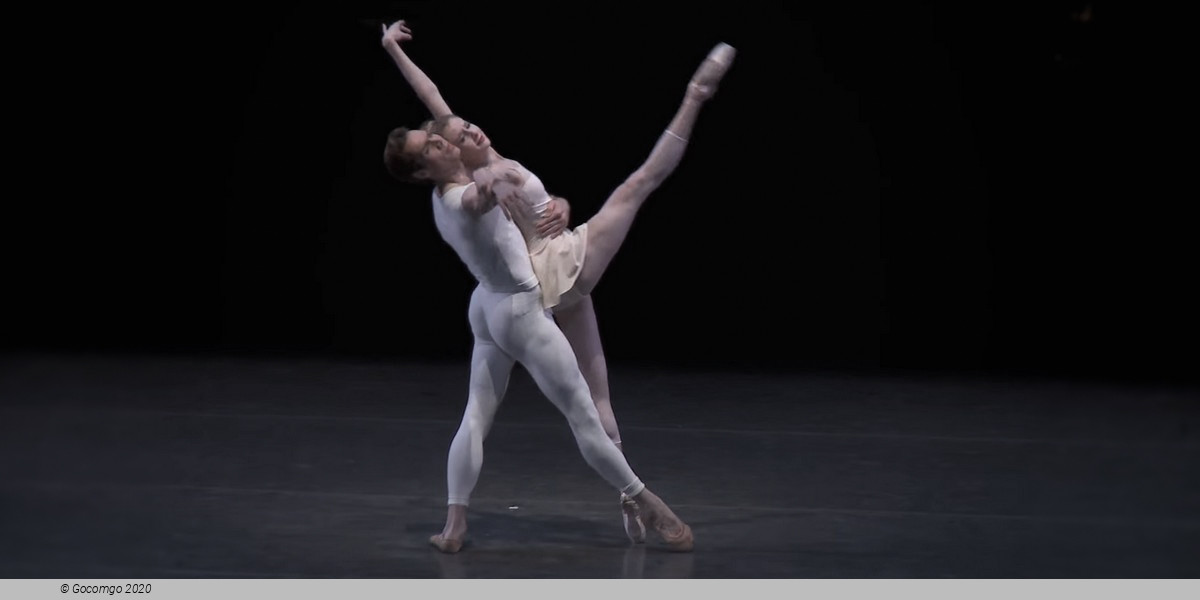
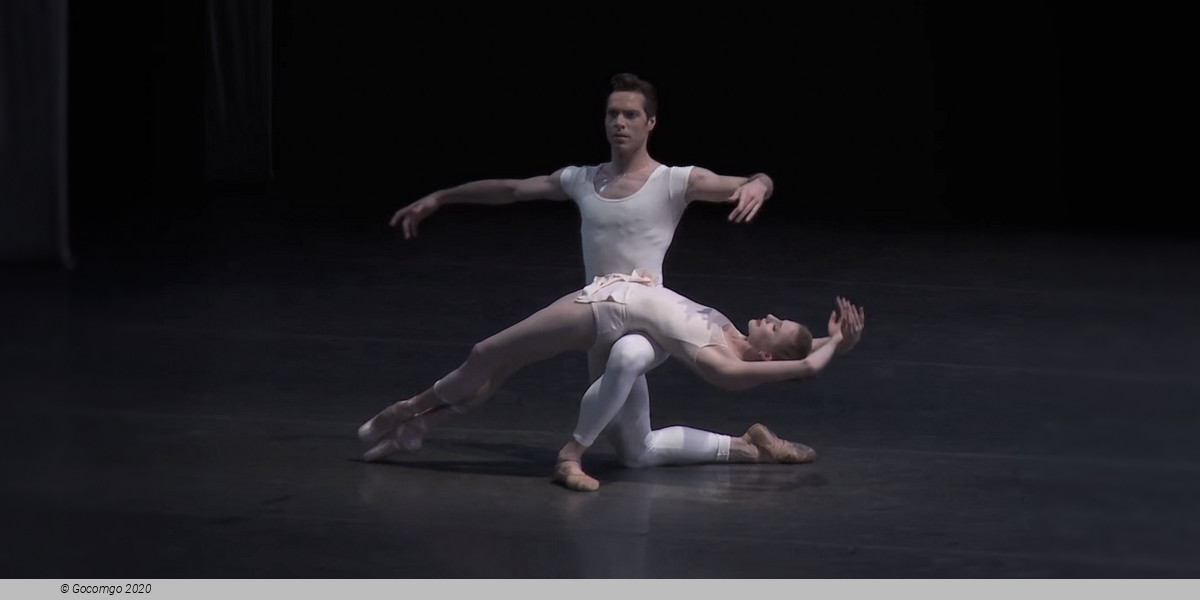
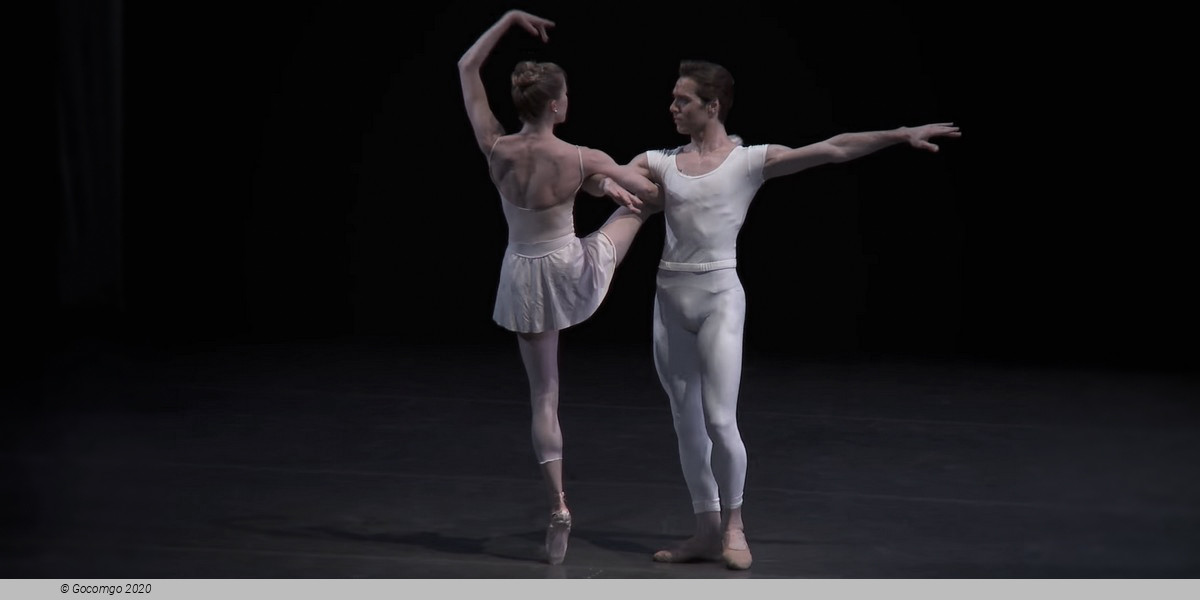
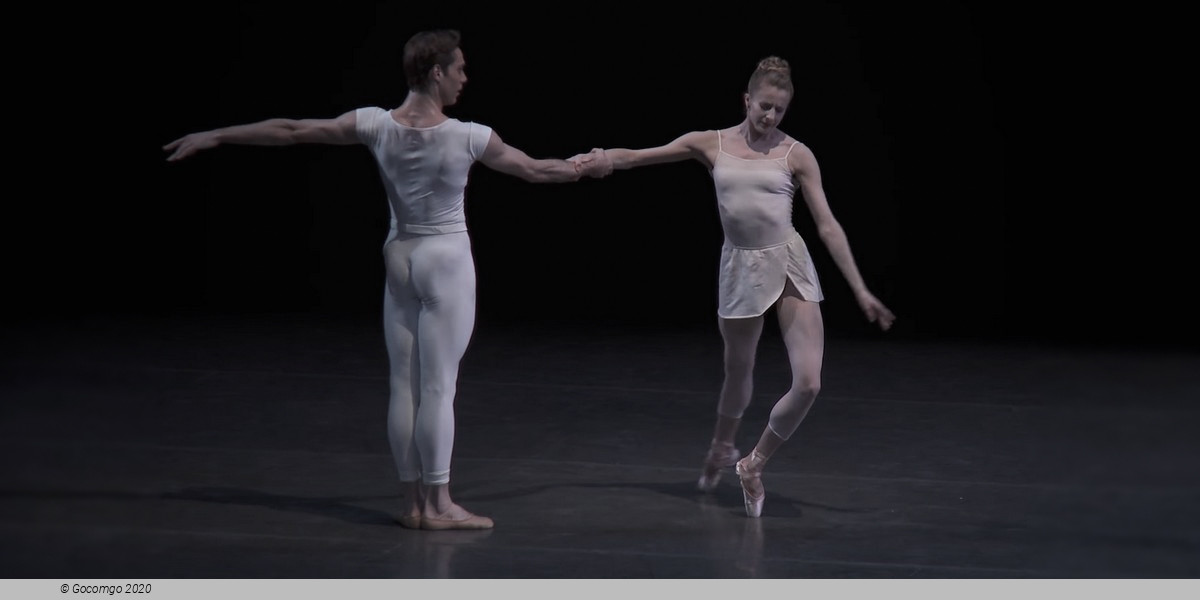
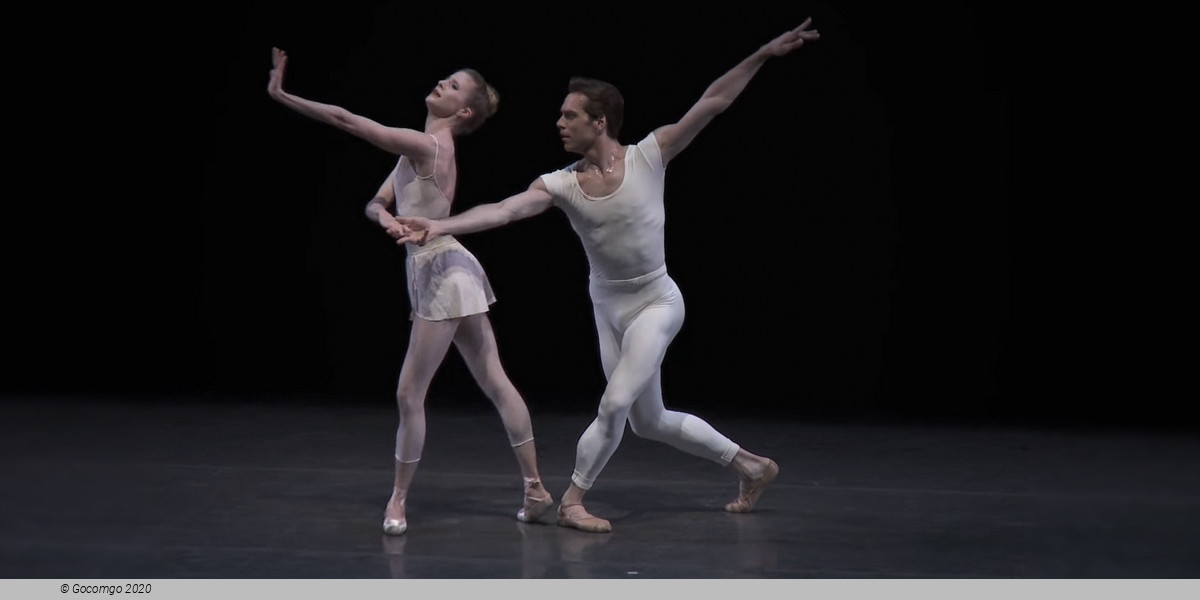
In a Landscape is a ballet by Albert Evans to music by John Cage (Six Melodies for Violin and Keyboard, Nos. 1 and 2 and In a Landscape).
Martins’ Hallelujah Junction is a living locomotive of propulsive vitality, set to a pulsing John Adams score played by two onstage pianists.
Peter Martins’ Hallelujah Junction is set to a score of the same name by John Adams. The music was written for two pianos, and named after a small truck stop near the California-Nevada border. Adams said of the piece, “It was a case of a good title needing a piece, so I obliged by composing this work for two pianos.” The work centers on delayed repetition between the two pianos, creating an effect of echoing sonorities. There is a constant shift of pulse and meter, but the main rhythms are based on the rhythms of the word “Hal-le-LU-jah.” The ballet, originally created for the Royal Danish Ballet, features a principal couple in white, a male soloist in black, and a small corps de ballet. The two pianists, dimly lit and facing each other at the back of the stage, appear to hover in the darkness above the dancers.
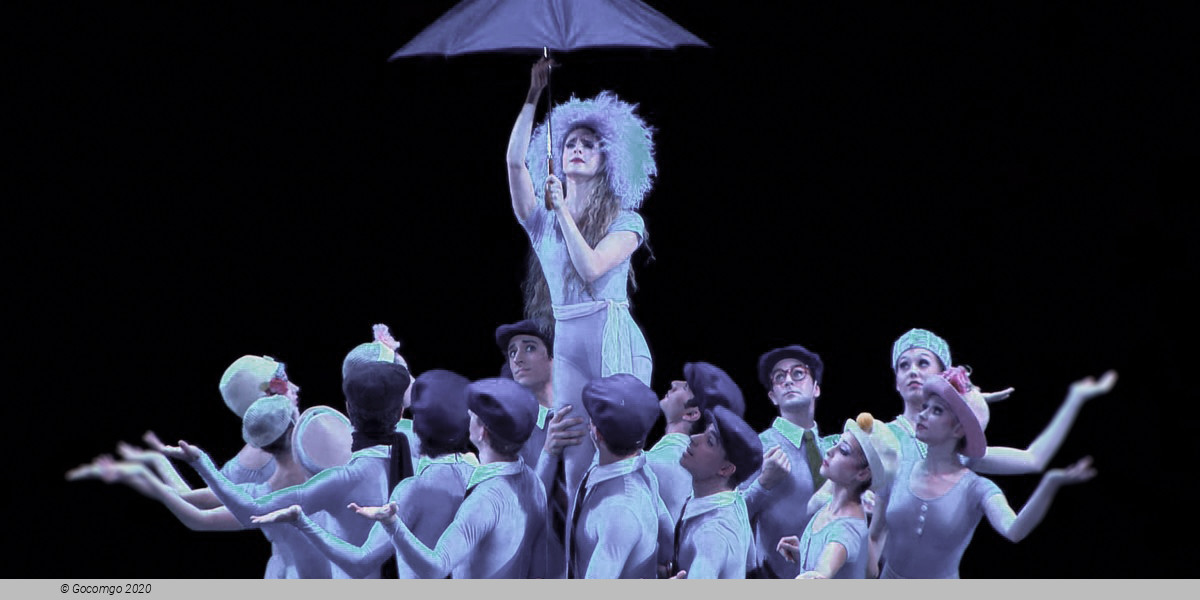
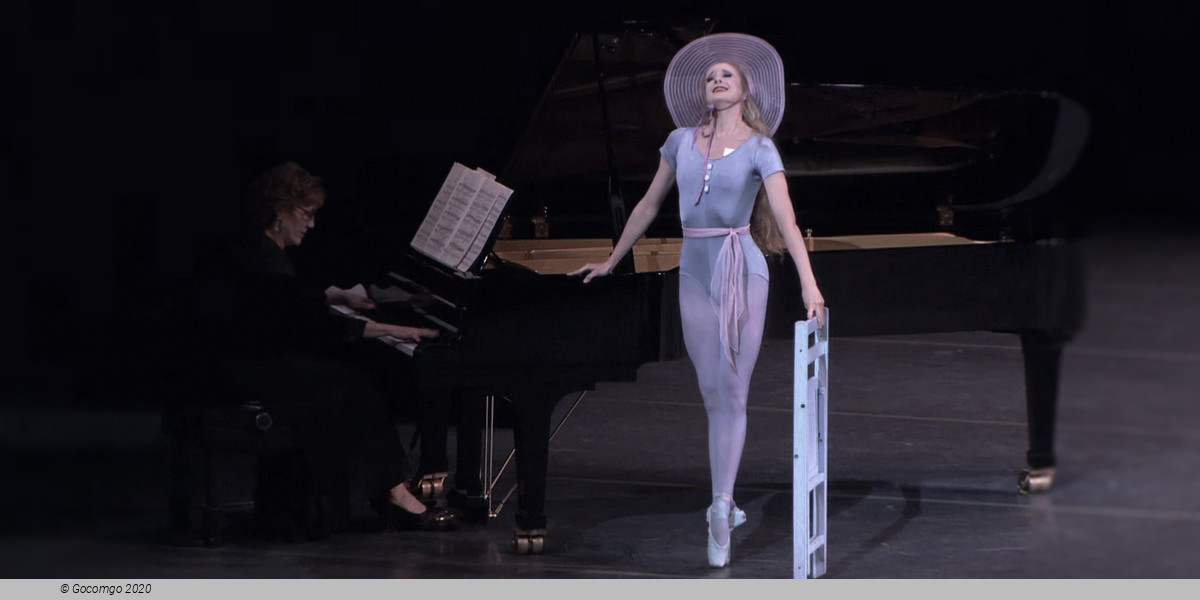
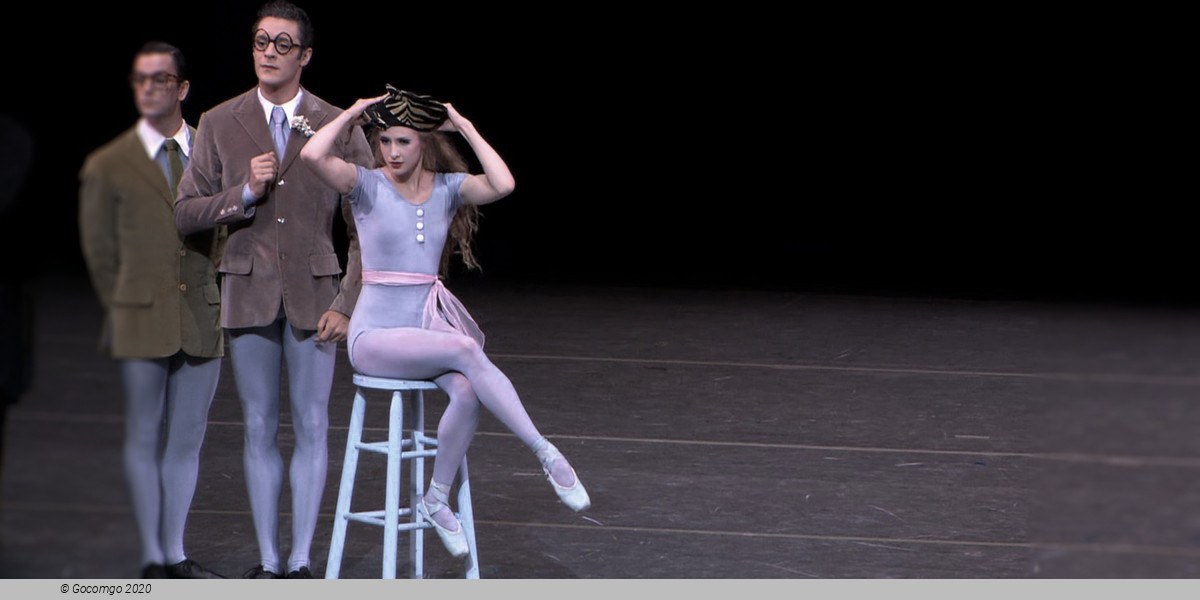
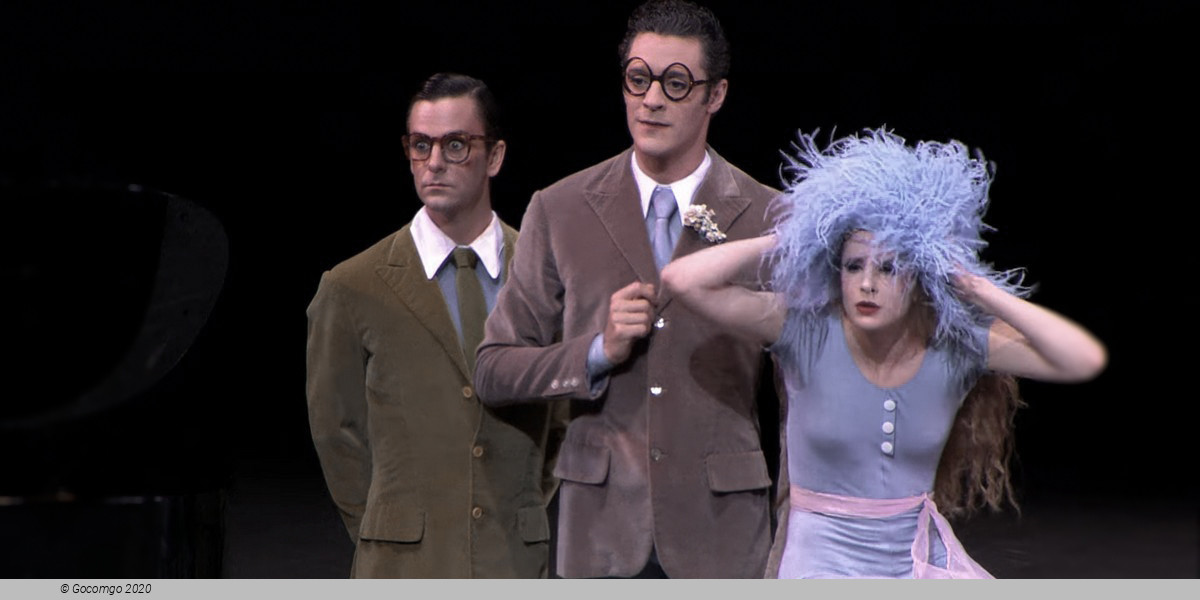
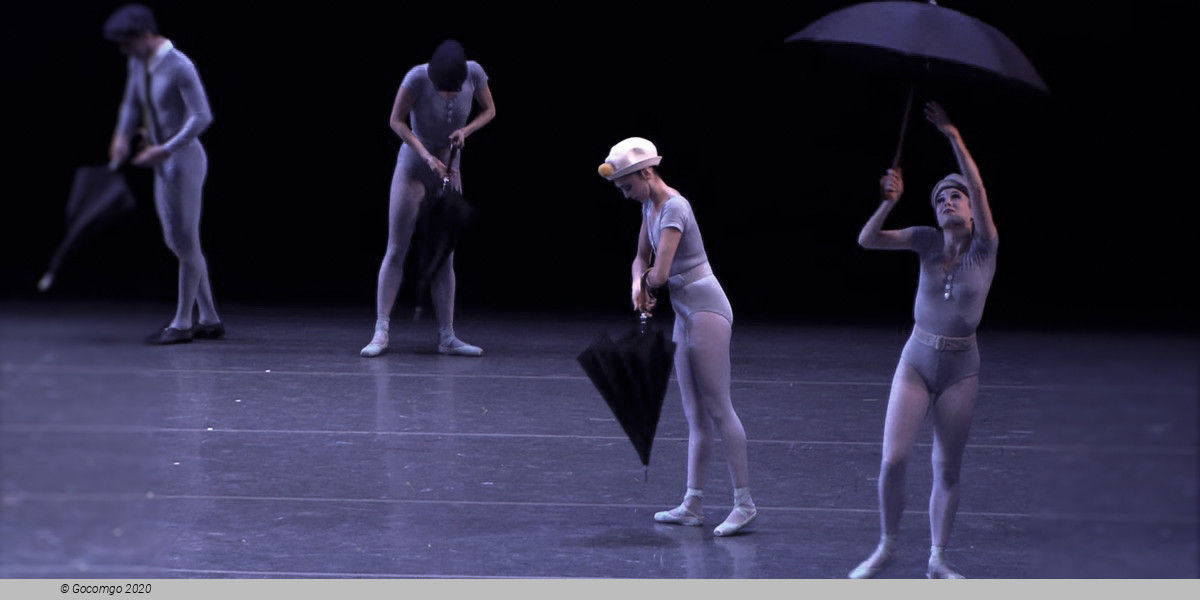
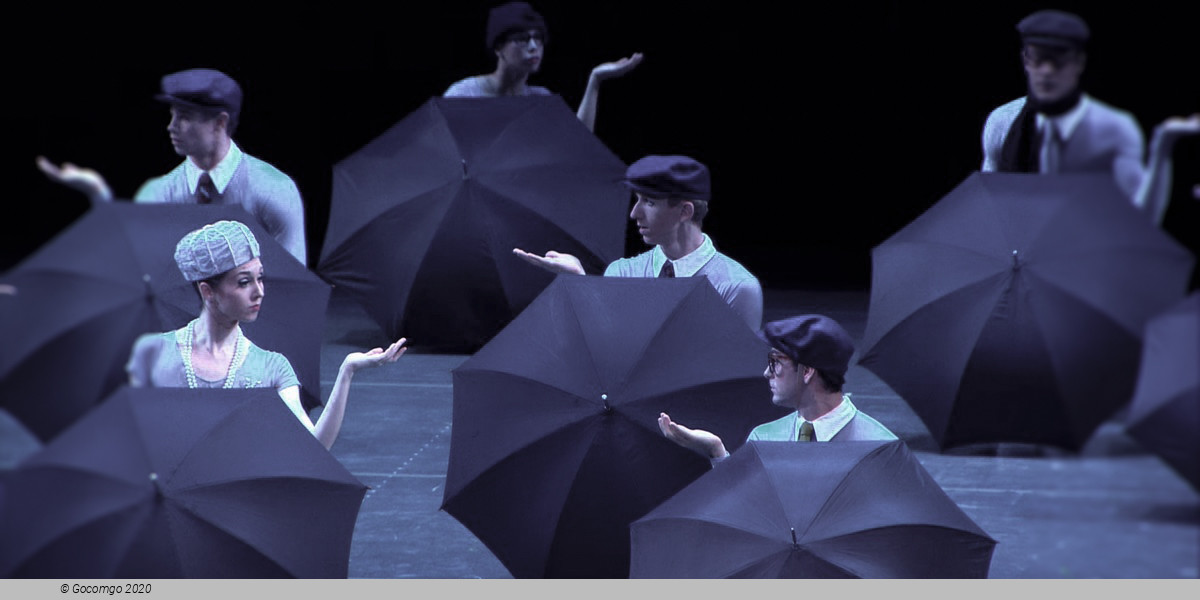
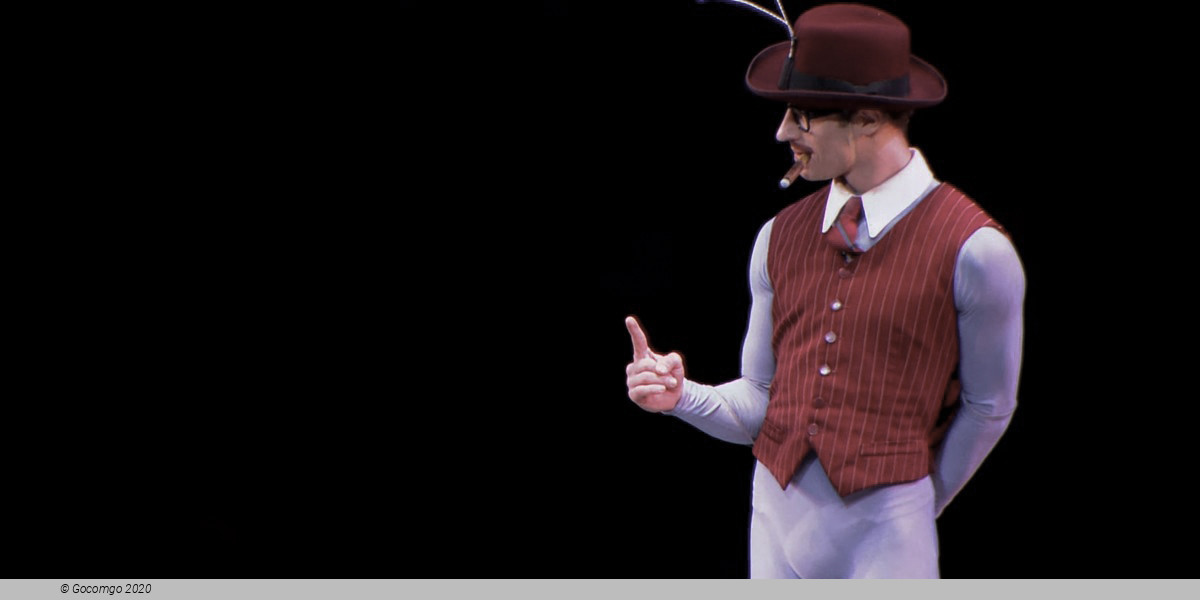
A one-of-a-kind comedic ballet, The Concert portrays a cast of quirky characters at a piano recital and their laugh-out-loud antics.
One of the pleasures of attending a concert is the freedom to lose oneself in listening to the music. Quite often, unconsciously, mental pictures and images form, and the patterns and paths of these reveries are influenced by the music itself, or its program notes, or by the personal dreams, problems, and fantasies of the listener. Chopin’s music in particular has been subject to fanciful “program” names such as the “Butterfly” Etude, the “Minute” Waltz, the “Raindrop” Prelude, etc.


 20 Lincoln Center Plaza