Beijing | GoComGo.com

Venues in Beijing

Beijing

People native to urban Beijing speak the Beijing dialect, which belongs to the Mandarin subdivision of spoken Chinese. This speech is the basis for putonghua, the standard spoken language used in mainland China and Taiwan, and one of the four official languages of Singapore. Rural areas of Beijing Municipality have their own dialects akin to those of Hebei province, which surrounds Beijing Municipality.

Beijing or Peking opera is a traditional form of Chinese theater well known throughout the nation. Commonly lauded as one of the highest achievements of Chinese culture, Beijing opera is performed through a combination of song, spoken dialogue, and codified action sequences involving gestures, movement, fighting and acrobatics. Much of Beijing opera is carried out in an archaic stage dialect quite different from Modern Standard Chinese and from the modern Beijing dialect.

Beijing cuisine is the local style of cooking. Peking Roast Duck is perhaps the best known dish. Fuling Jiabing, a traditional Beijing snack food, is a pancake (bing) resembling a flat disk with a filling made from fu ling, a fungus used in traditional Chinese medicine. Teahouses are common in Beijing.

The cloisonné (or Jingtailan, literally "Blue of Jingtai") metalworking technique and tradition is a Beijing art speciality, and is one of the most revered traditional crafts in China. Cloisonné making requires elaborate and complicated processes which include base-hammering, copper-strip inlay, soldering, enamel-filling, enamel-firing, surface polishing and gilding. Beijing's lacquerware is also well known for its sophisticated and intricate patterns and images carved into its surface, and the various decoration techniques of lacquer include "carved lacquer" and "engraved gold".

Younger residents of Beijing have become more attracted to the nightlife, which has flourished in recent decades, breaking prior cultural traditions that had practically restricted it to the upper class. Today, Houhai, Sanlitun and Wudaokou are Beijing's nightlife hotspots.

In 2012 Beijing was named as City of Design and became part of the UNESCO Creative Cities Network.

...Read more
...Less detail

Venues in Beijing (27)

2 W Chang'an Ave
The National Centre for the Performing Arts (NCPA) is an arts centre containing an opera house in Beijing, People's Republic of China. The Centre, an ellipsoid dome of titanium and glass surrounded by an artificial lake, seats 5,452 people in three halls and is almost 12,000 m² in size. It was designed by French architect Paul Andreu. Construction started in December 2001 and the inaugural concert was held in December 2007.
175 Yongan Road, Xicheng District
Liyuan Theatre has performed traditional Peking Opera since 1990 and it's one of the leading Opera venues located in former Xuanwu District; the birthplace of Beijing Opera.
36 North East Third Ring Road, Chaoyang District
The Chaoyang Theatre is a massive 3000 square meter theatre hall built in 1984 with both downstairs and upstairs seating which can facilitate up to 1400 spectators. The theatre specialized in acrobatic shows has also hosted Peking Opera and cross talk performances.
6F Wukesong Wanda Plaza, 69 Fuxing Road, Haidian District, Beijing (北京市海淀区复兴路69号五棵松万达广场6层)
Concerts and music parties on the 6th floor of Wukesong Wanda Plaza, in a hall that switches between seated and standing layouts.
1 Beixinhua Street, Xicheng District, Beijing (北京市西城区北新华街1号)
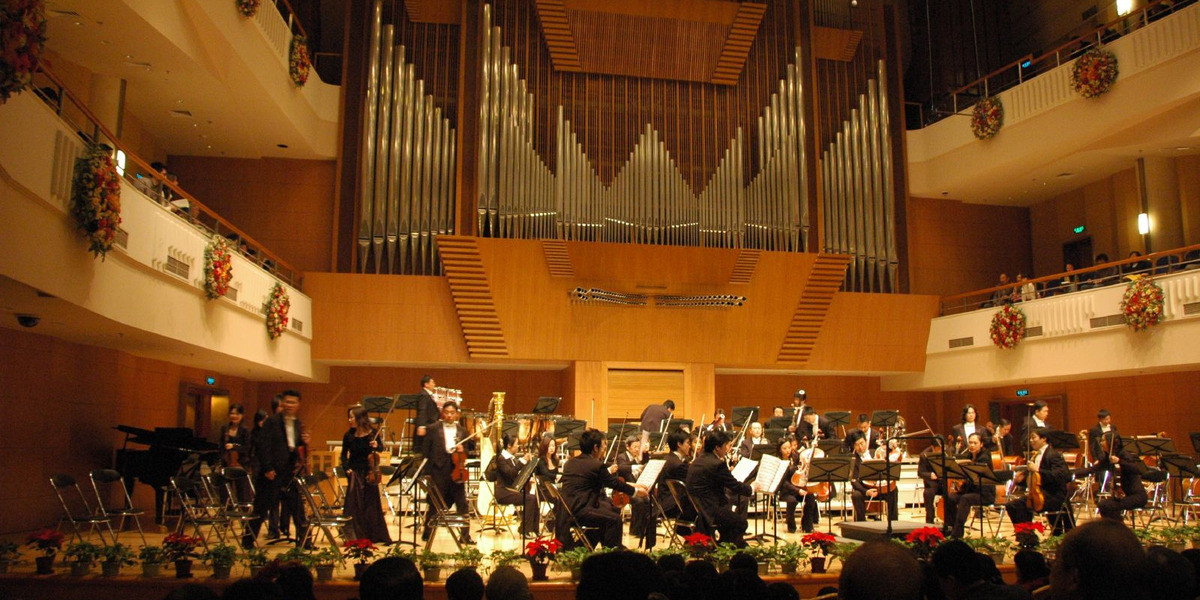
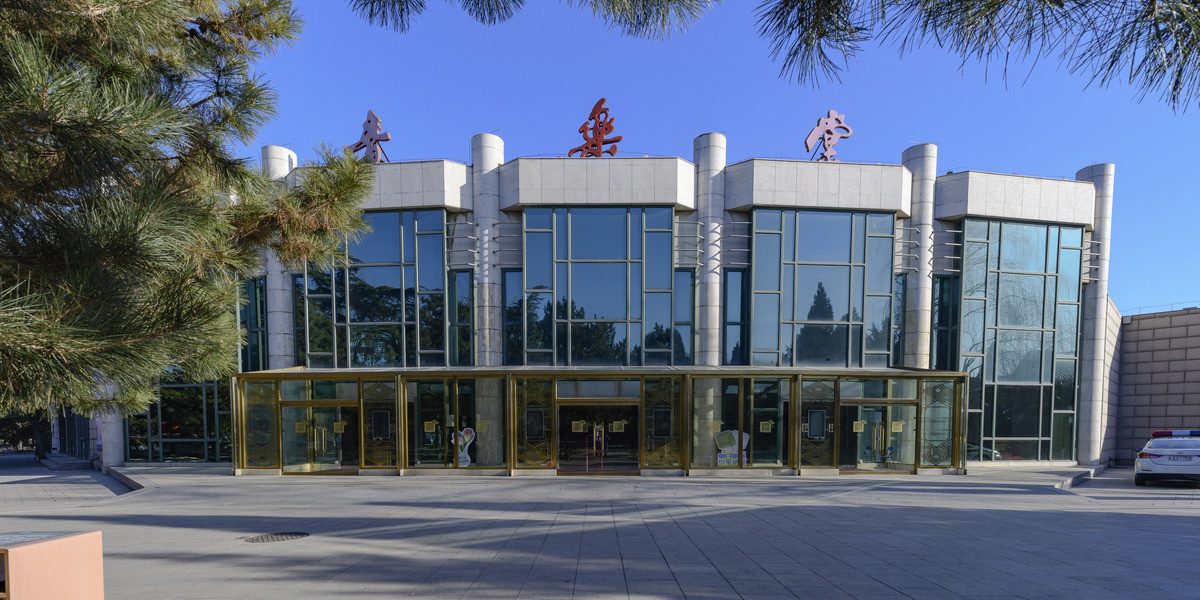
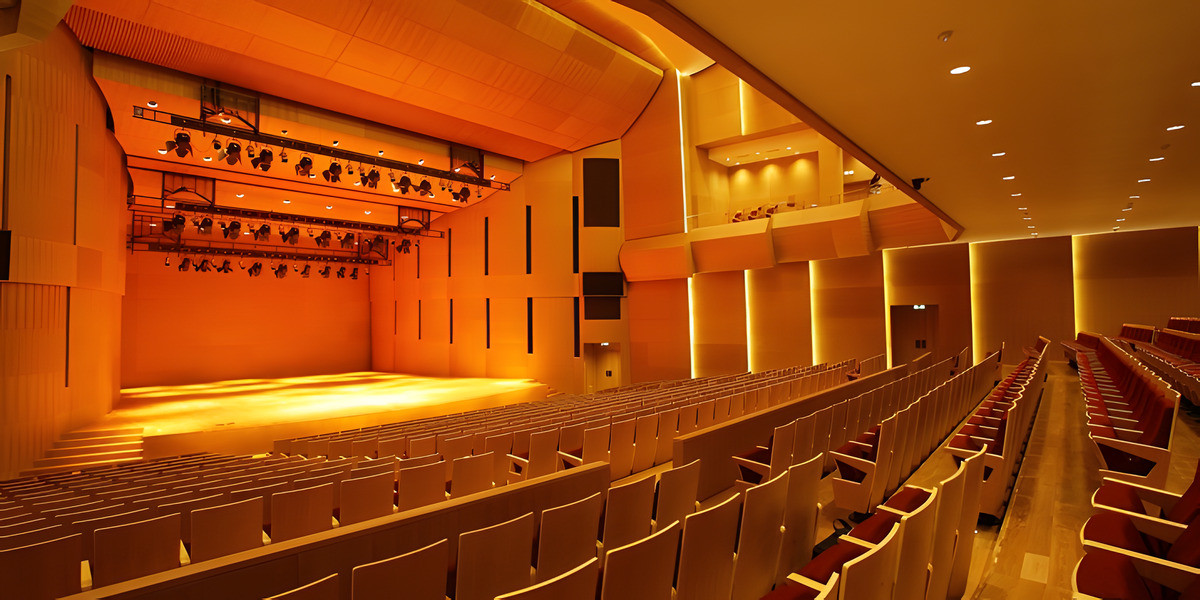
China's first professional concert hall: a Chang'an Avenue landmark with 1,019 seats, a glass facade and acoustic panels above the stage.
135 Xizhimenwai Street, Xicheng District, Beijing (北京市西城区西直门外大街135号院)
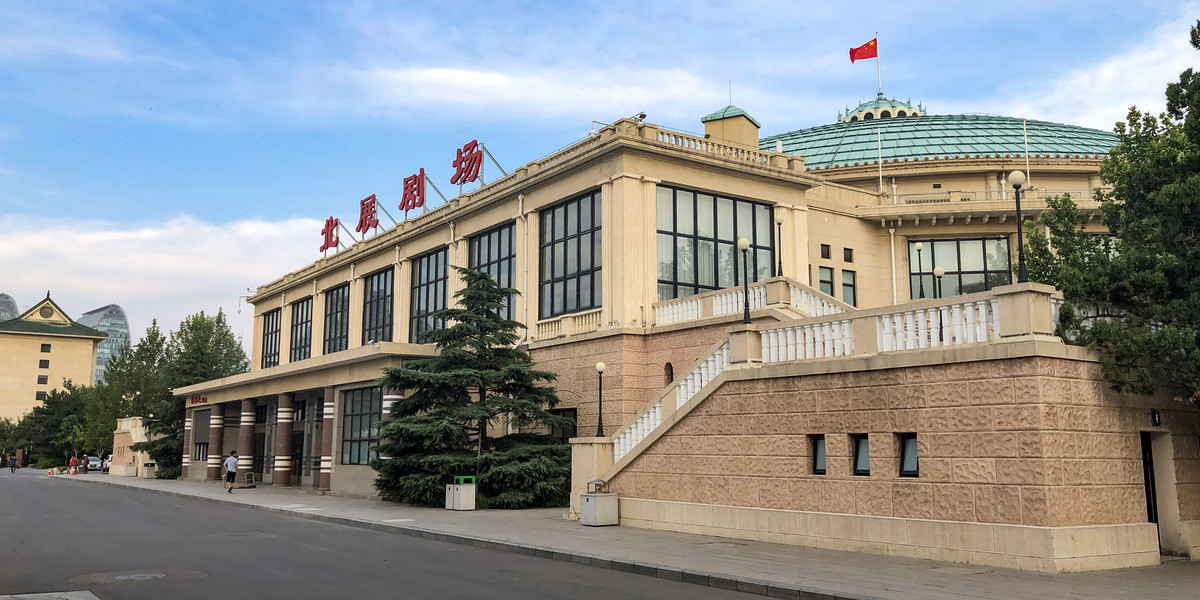
A grand round auditorium with 2,763 seats, part of the landmark Beijing Exhibition Center, a Soviet-style complex finished in 1954.
1 Lvxin Road, Tongzhou District, Beijing (北京市通州区绿心路1号院)
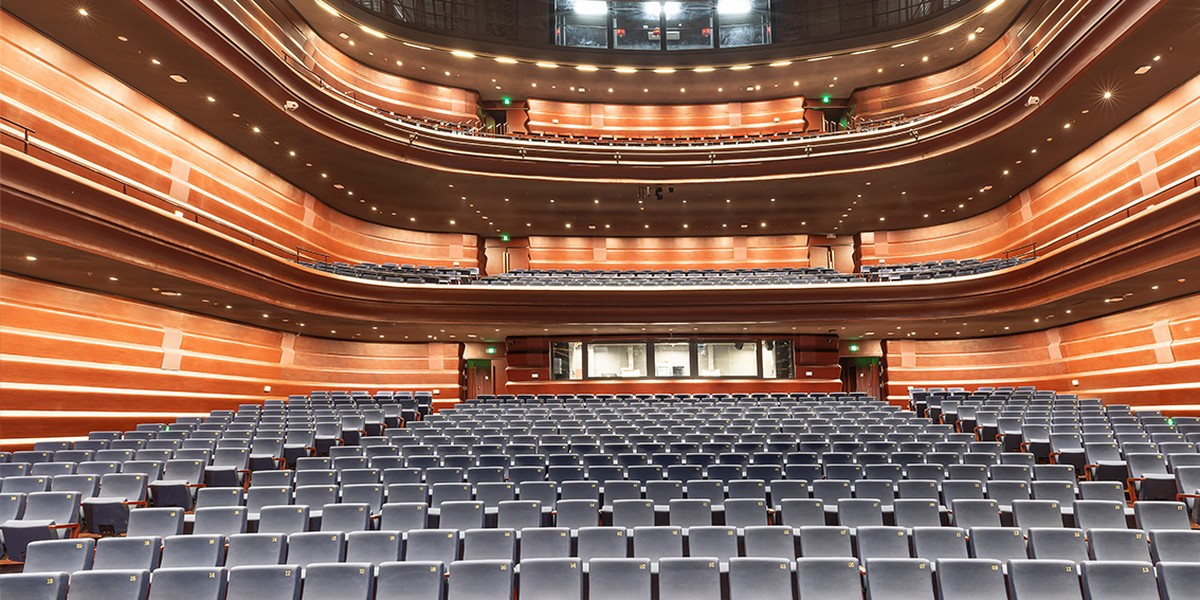
Beijing's 'Cultural Granary' in Tongzhou, one of the three major buildings of the city sub-centre, with a 1,000-seat Drama Theatre and a Concert Hall.
Building 10, Anhuili District 3, Anli Road, Chaoyang District, Beijing (北京市朝阳区安立路安慧里三区10号楼)
A multi-purpose venue near the Asian Games Village: a 900-seat main theatre, a small multi-function theatre and five cinemas, with free parking on the front square.
7 Jianguomennei Street, Dongcheng District, Beijing (北京市东城区建国门内大街7号)
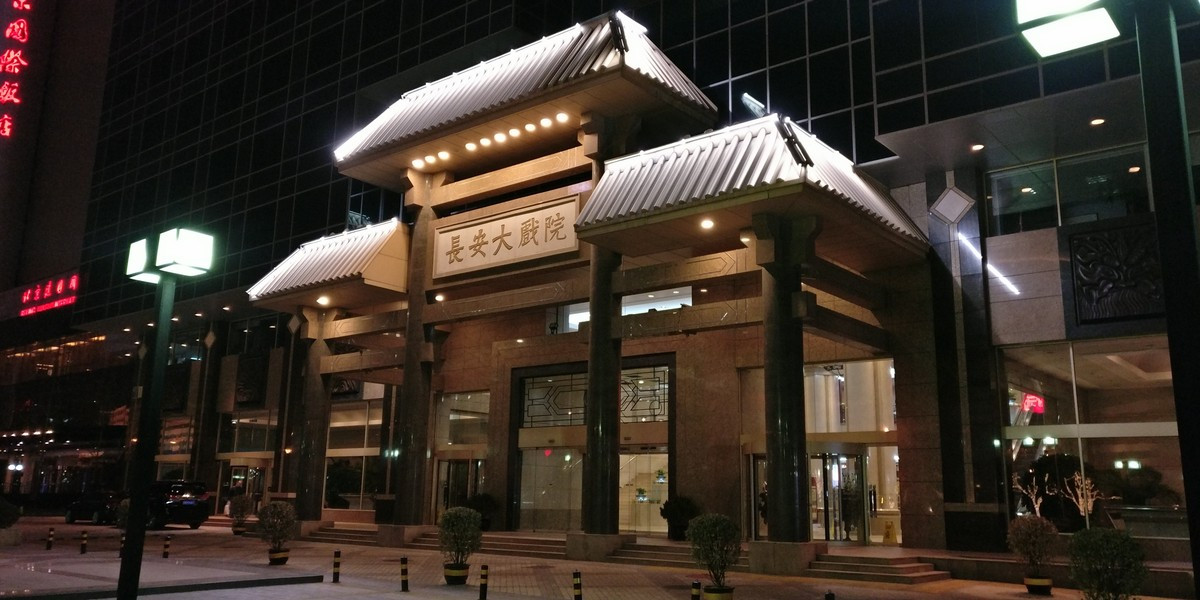
Peking Opera in a Ming-style interior, with English subtitles above the stage: one of Beijing's most popular Peking Opera theatres.
85 Jiaodaokoudong Street, Dongcheng
Located in Dongcheng District, Beijing Dongtu Theatre acrobatics show is a Chinese acrobatics “dream team”, said the China National Acrobatic Troupe of experimental theater.
Zhongshan Park, 4 Zhonghua Road, Dongcheng District, Beijing (北京市东城区中华路4号 中山公园内)
Concerts beside the Forbidden City: this hall sits inside Zhongshan Park next to Tiananmen Square and offers 1,419 seats on two levels.
1 Aoyuan West Road, Chaoyang District, Beijing (北京市朝阳区奥园西路1号院)
Live music in Beijing's Olympic district: two halls, over 500 shows since opening, and about 60% of the bands each year coming from abroad.
Building 70, Courtyard 2 Jiuxianqiao Road (798 Art Zone), Chaoyang District, Beijing (北京市朝阳区酒仙桥路2号院内第70幢一层3号)
Live music inside the 798 Art Zone in Chaoyang: a venue with room for about 1,000 and plenty of public parking, in a former 1950s factory district of galleries and studios.
3 Hufang Road, Xicheng District
The Huguang Guild Hall in Beijing is one of Beijing's most renowned Beijing opera (Peking opera) theaters. Regard as one of best wooden theatre in Beijing, the Huguang Guild Hall was first built in 1807, It was one of centers of political and social life in the Late Qing Dynasty, where authoritative officials and average persons had fun together, dining, chatting and watching Beijing Opera staged by famous actors.
3 Qianmen West Street, Xuanwu District
Beijing Lao She Teahouse was founded in 1988, and its predecessor can be traced back to 1979 as the Qianmen Big Bowl of Tea.  Laoshe Teahouse is located in the southwest of Tiananmen Square, adjacent to Dashilan, an ancient commercial street in Beijing, with a unique geographical location and profound cultural heritage.
朝阳区建国门外郎家园10号61幢1层A3-062层 (Building 61, 10 Langjiayuan, Jianguomenwai, Chaoyang District)
33 Zhongguancun South Street, Haidian District, Beijing (北京市海淀区中关村南大街33号国家图书馆院内)
Music inside the National Library of China: a concert hall for over 1,000 guests, next to Zizhuyuan Park, on Subway Line 4.
Xiaowuji North Road, Chaoyang
With light shining upon it, the OCT Theatre looks like a crystal palace. It is not only an architecture feat following the National Theatre, but also a great brilliant pearl of the Happy Valley inlaid in the cultural soil of Beijing city.
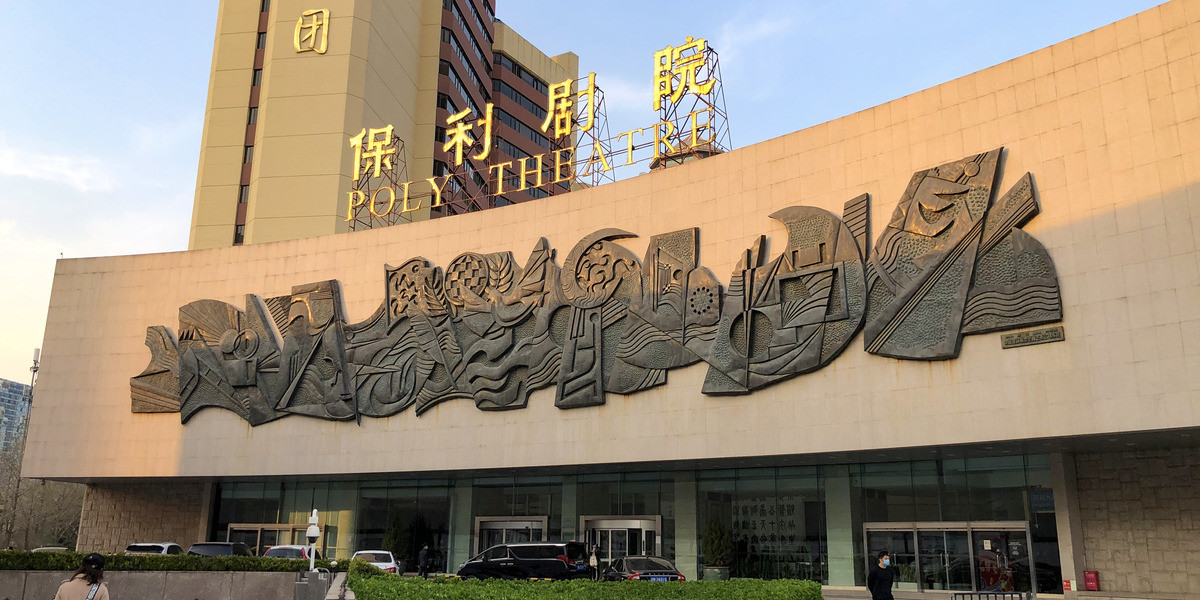
Gate 7, Poly Plaza, 14 Dongzhimen South Street, Dongcheng District, Beijing (北京市东城区东直门南大街14号保利大厦7号门)
A stage for opera, musicals, symphony and ballet in Poly Plaza on Dongzhimen South Street, with 1,428 seats on two levels and subway Line 2 nearby.
44 Xing Fu Da Jie, Dongcheng
The Red Theatre is Originally known as Chongwen Worker's Cultural Palace Theatre. After the renovation, the stage facilities has been dramatically improved and now the theatre specializes in traditional Chinese Kung Fu show - The Legend of Kung Fu.
57 Dianmen West Street, Xicheng District
The modern Shichahai Theatre in Beijing is equiped with world-class equipment, guaranteed to present the show in grand style. With a whopping 2500sq.m. audience, this action packed theatre has it's atmosphere go up to the roof. Huge LED screen, sounds, projector technology brings modern story telling to the stage.
23 Qianmen East Street, Dongcheng District
Note has become the most famous jazz label, top live house and restaurant in the world with clubs over in Tokyo , Milano and many other cities.
68 Xianyukou St., Dongcheng District
If you prefer to see Peking Opera performances in the original old and wooden tea houses, The Tianleyuan Theatre is not to miss, regard as one of the best-known Beijing opera theatres. It is also one of the oldest professional theatres in China.
Qunminghu South Road at Qunminghu Street, Shijingshan District (Shougang Park), Beijing (北京市石景山区群明湖南路与群明湖大街交叉口)
New in 2026: a large industrial-style live venue in Shougang Park, with steel and glass architecture and room for up to 3,000 standing guests.
Gongrentiyuchang Rd, Chaoyang, 100010
Beijing Workers’ Stadium is the home ground of Beijing FC. Established on 31 August 1959, the Workers’ Stadium was nicknamed by the locals as “Gongti” (Chinese abbreviation of “Workers’ Stadium”). Located in Chaoyang District, the venue has 24 stands featuring 63,095 seats.
Top of page