
Bolshoi Theatre 19 April 2025 - La Fille du Pharaon | GoComGo.com

La Fille du Pharaon

Bolshoi Theatre, Historic Stage, Moscow, Russia
All photos (8)
Select date and time
12 PM 7 PM
Request for Tickets
Important Info
Type: Ballet
City: Moscow, Russia
Starts at: 12:00
Acts: 3
Intervals: 2
Duration: 2h 45min

E-tickets: Print at home or at the box office of the event if so specified. You will find more information in your booking confirmation email.

You can only select the category, and not the exact seats.
If you order 2 or 3 tickets: your seats will be next to each other.
If you order 4 or more tickets: your seats will be next to each other, or, if this is not possible, we will provide a combination of groups of seats (at least in pairs, for example 2+2 or 2+3).

Overview

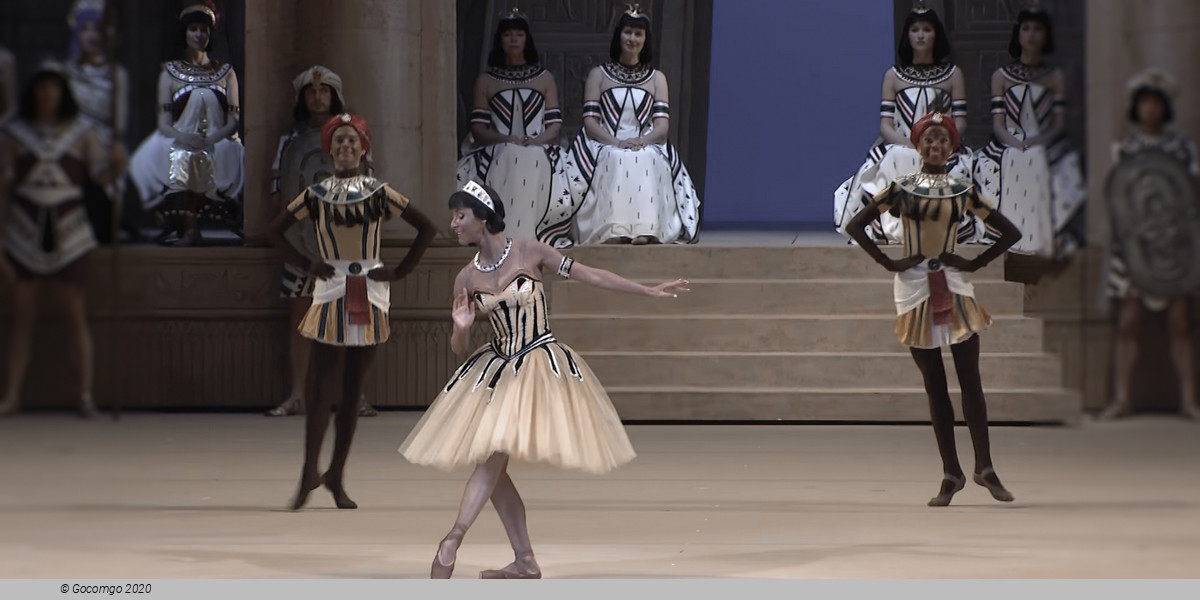
“A Dream from the Past” — such was the sign, written in bold letters so it was visible through the thick clouds covering the stage, that appeared at the end of the prologue to the ballet LaFille du Pharaon, at its premiere performance in 1862. And this was followed by a grandiose spectacle, the like of which had never been seen by imperial ballet. Here there was something for alltastes. A desert storm, a lion-hunt, various chases, several suicide attempts, a fantastic celebration of all the world’s rivers and also of nereids and nymphs at the bottom of the majestic Nile. Thecast included an English aristocrat traveler, his servant, a Sancho Panza-like character, a Nubian King, Armenian merchants who, after smoking opium, had found themselves in Ancient Egypt...And in theheavens there appeared Egyptian gods, under the command of Osiris and Isis.

La Fille du Pharaon was immensely popular with the public. To obtain a box for a performance of this ballet, which started at 7.30 in the evening and ended just before midnight, was considereda great feat. La Fille had a long and happy performance history. First produced by Marius Petipa in 1862, at Petersburg’s Bolshoi Theatre, it was given several revivals. It was adored byPetersburg ballerinas, especially Mathilda Kshessinska who regarded the ballet as her ’personal property’ and shone in it not only by virtue of her technique, but also thanks to her Romanov Fabergediamonds. In La Fille, Kshessinska felt herself to be the ’queen of the ball’.

La Fille du Pharaon was danced to acclaim in Moscow too. In 1864, the ballet was transferred from Petersburg to Moscow’s Bolshoi Theatre. But in Soviet times it was considered to beideologically immature and, dropped from the repertoire, it was virtually forgotten.

Pierre Lacotte, the famous researcher into our ballet legacy, who has breathed new life into more than one forgotten masterpiece of past centuries, had long ago been fired with enthusiasm by the ideaof resurrecting Petipa’s mighty, pseudo-Egyptian fresco: ever since, in fact, he had begun to realize the fascinating discoveries to be made by the would-be restorer of ancient ballets, an art genrethat one might think did not lend itself to restoration.

The second birth of La Fille du Pharaon took place in Moscow in the year 2000 — the reconstruction was undertaken by Pierre Lacotte in answer to an exclusive commission from the BolshoiTheatre.

La Fille’s third birth, may be considered to be the video recording of this production taken by the French Bel Air Media Company.

History
Premiere of this production: 18 January 1862, Imperial Bolshoi Kamenny Theatre, St. Petersburg

The Pharaoh's Daughter (La Fille du pharaon) is a ballet choreographed by Marius Petipa to music by Cesare Pugni. The libretto was a collaboration between Jules-Henri Vernoy de Saint-Georges and Petipa from Théophile Gautier's Le Roman de la momie. It was first presented by the Imperial Ballet at the Imperial Bolshoi Kamenny Theatre, in St. Petersburg, Russia, on 18 January (30 January) 1862, with the design by A. Roller, G. Wagner (scenery), Kelwer and Stolyakov (costumes).

Synopsis

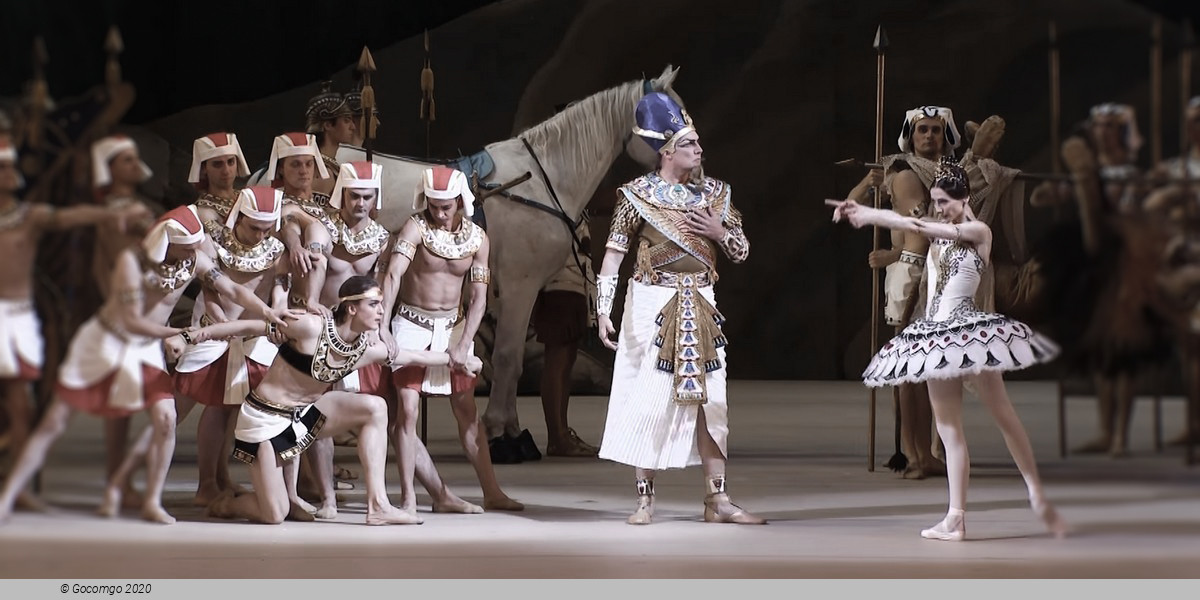
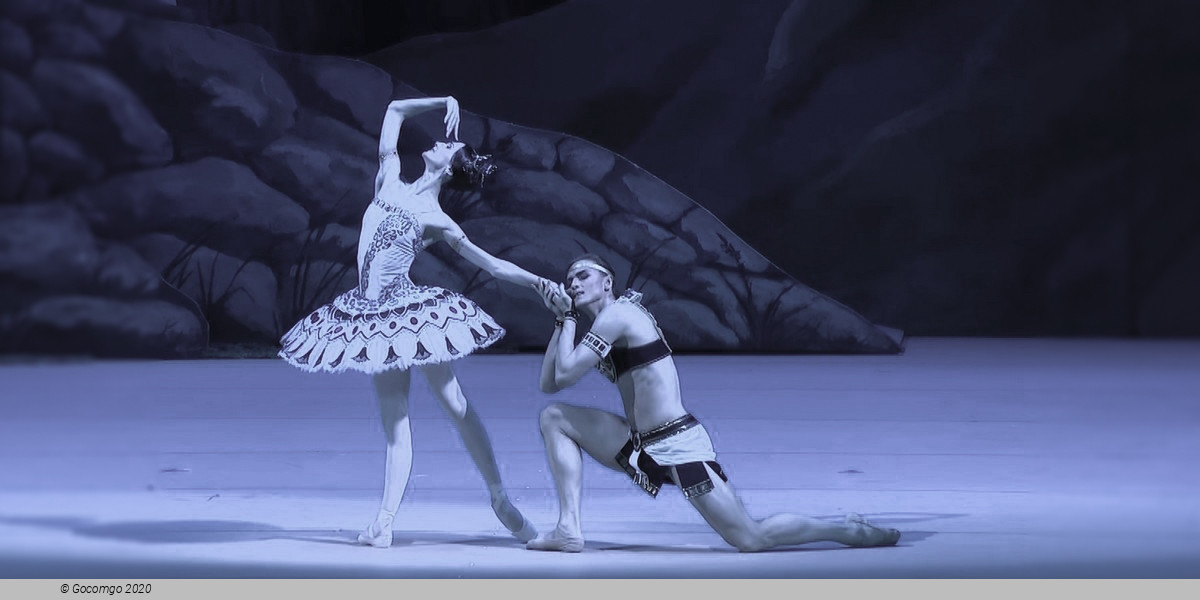
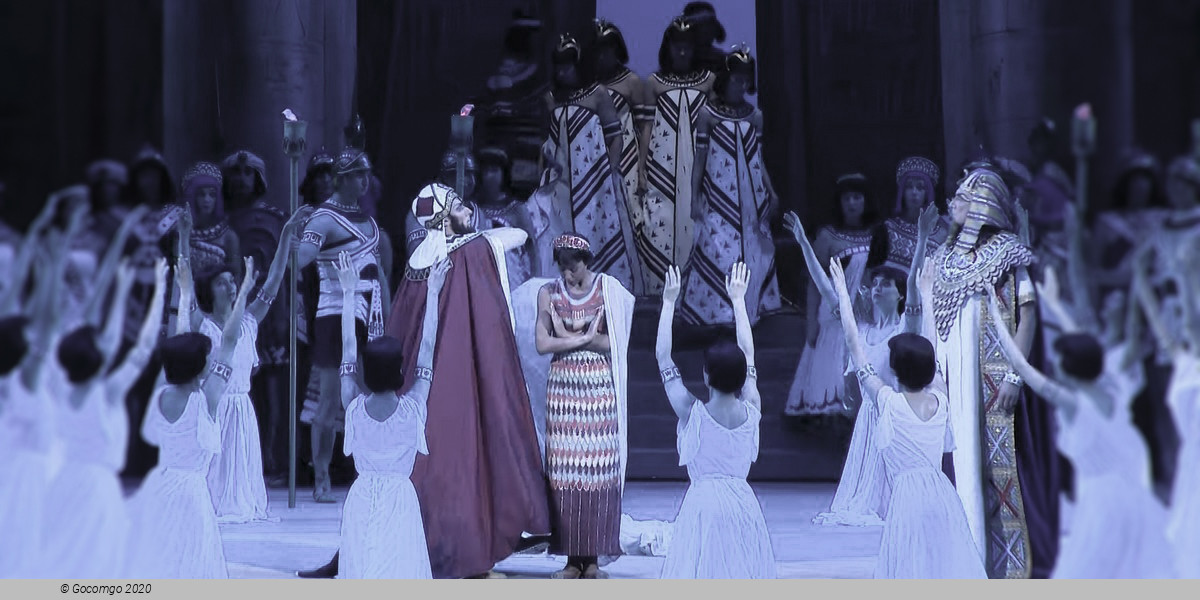
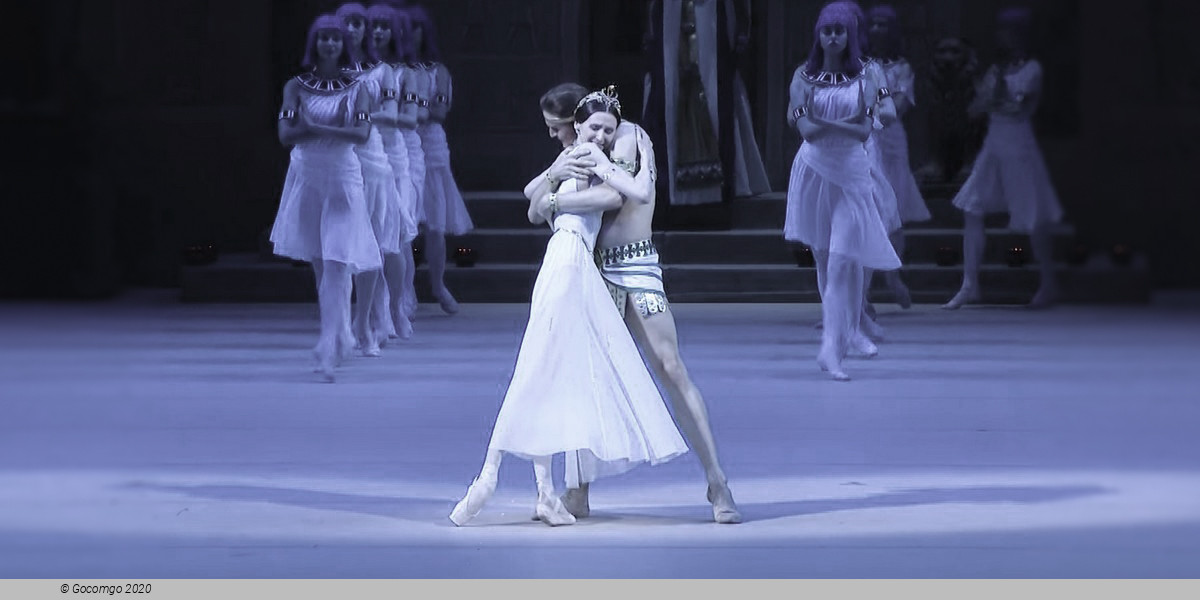
An English lord and John Bull, his servant, and a guide shelter from a sandstorm in a pyramid during an African safari. They start to become noisy, but the guide asks them to quiet down in respect for the Pharaoh's daughter who is lying in a coffin somewhere in the pyramid. So, to pass the time, the guide gives out opium. As soon as the nobleman puffs the opium, weird things start to happen. The many other mummies in the pyramid start to come alive. Suddenly the Pharaoh's daughter, Aspicia, comes alive and lays her hand over the nobleman's heart, and the nobleman is transported into the past. He becomes Ta-Hor, an ancient Egyptian man who saves Aspicia from a lion. Ta-Hor and Aspicia fall in love, but she is betrothed to the Nubian king. They run away together and the king chases them. Ta-Hor and Aspicia stop in a fishermen's inn to hide out, and the local fishermen ask them if they want to come on a fishing trip. Aspicia decides to stay behind. Then the Nubian king stops at the inn to rest and finds Aspicia who jumps into the Nile River to escape his guards.

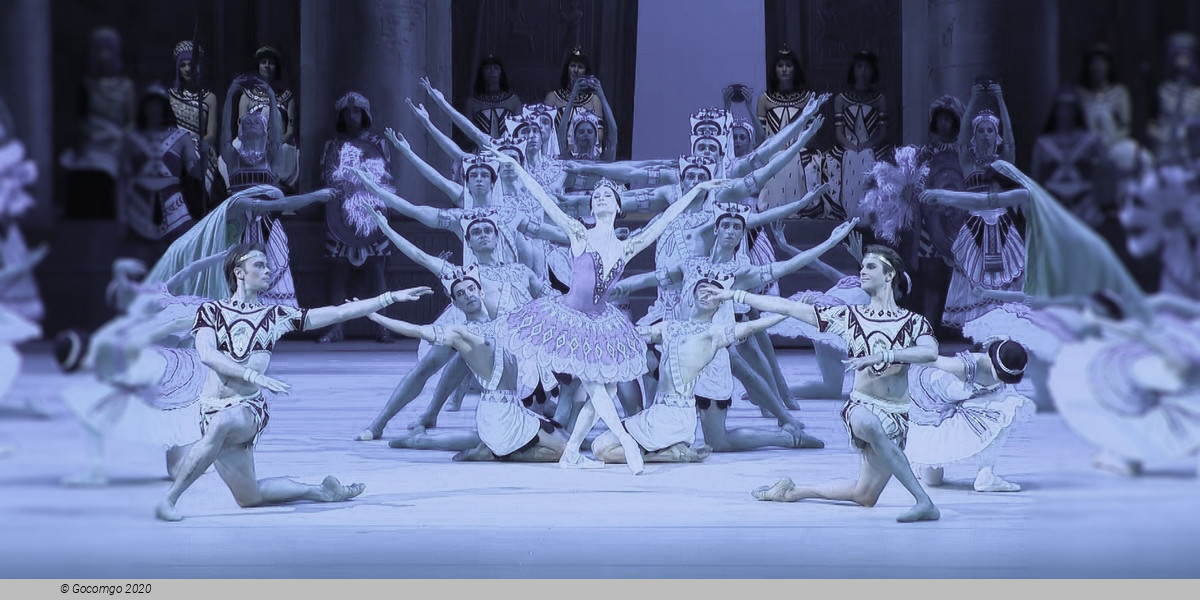
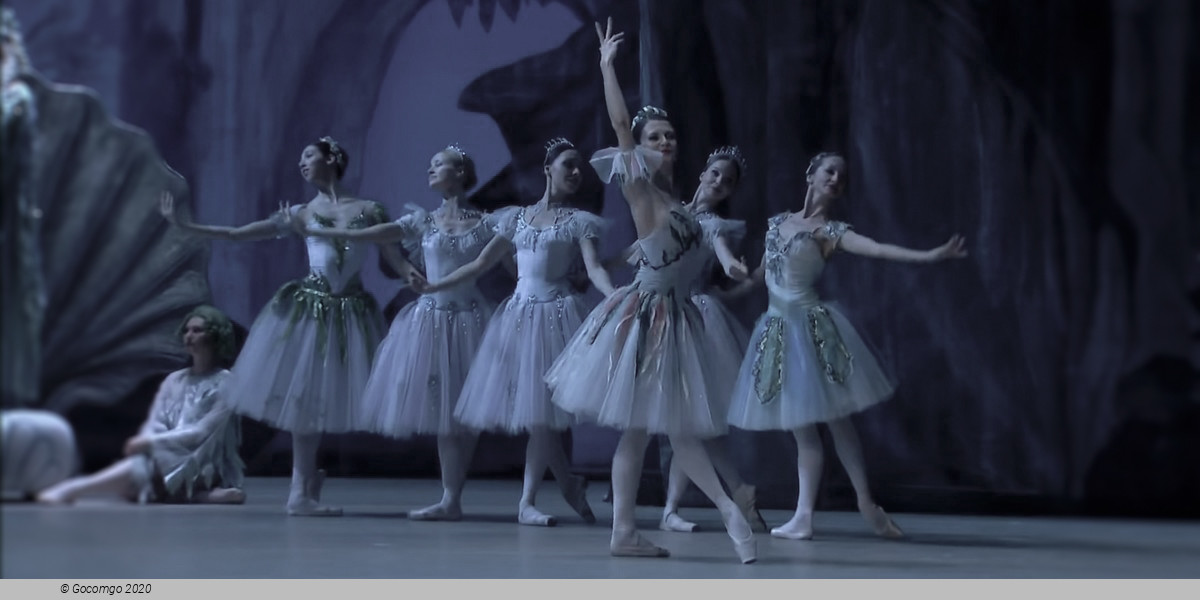
At the bottom of the river, the Spirit of the Nile summons the great rivers of the world to dance for Aspicia, then he tells her that she must stay. When she hears this, she asks for one wish: to bring her back to land. When the fishermen and Ta-Hor arrive back on land, the Nubian king detains Ta-Hor and brings him back to the Pharaoh's palace to be punished for "kidnapping" the princess.

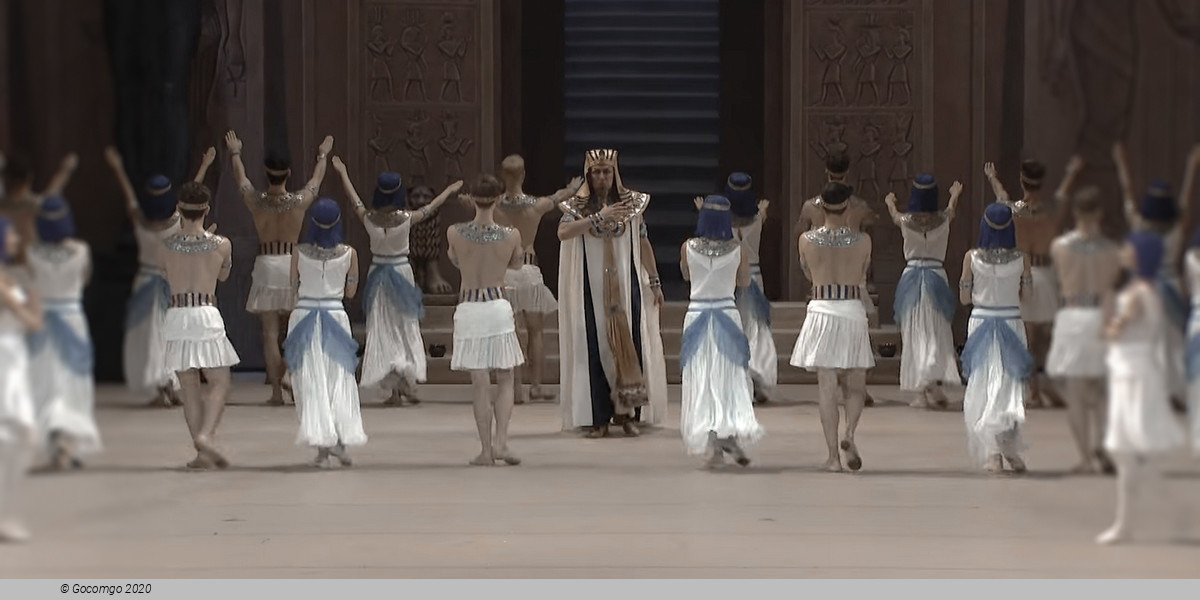
When Aspicia comes back to land, the fishermen bring her back to the palace. She gets there in time to see Ta-Hor sentenced to death by a cobra bite. She explains that if he dies, she dies, and reaches out for the snake to bite her. The Pharaoh pulls her back and grants her permission to marry Ta-Hor, and the Nubian king leaves in a fit of rage, swearing revenge. Everyone starts to celebrate, but as the party reaches its peak, the opium dream ends and Ta-Hor is transformed back into the English lord. As they leave the pyramid, the nobleman looks back at Aspicia's coffin and remembers the love that they shared and still share.

Venue Info

Bolshoi Theatre - Moscow
Location   Teatralnaya Square 1

The Bolshoi Theatre is one of the world’s most iconic cultural landmarks, renowned for its grandeur, history, and artistic excellence. Located in the heart of Moscow, this legendary theatre has been home to unforgettable performances of opera and ballet for over two centuries. Its majestic architecture, world-class acoustics, and rich tradition make every event at the Bolshoi a truly unforgettable experience.

On 28 March (17 according to the old style) 1776, Catherine II granted the prosecutor, Prince Pyotr Urusov, the "privilege" of "maintaining" theatre performances of all kinds, including masquerades, balls and other forms of entertainment, for a period of ten years. And it is from this date that Moscow’s Bolshoi Theatre traces its history.

The Bolshoi building, which for many years now has been regarded as one of Moscow’s main sights, was opened on 20 October 1856, on Tsar Alexander II’s coronation day.

On 29 October 2002 the Bolshoi was given a New Stage and it was here it presented its performances during the years the Main Stage was undergoing massive reconstruction and refurbishment.

The reconstruction project lasted from l July 2005 to 28 October 2011. As a result of this reconstruction, many lost features of the historic building were reinstated and, at the same time, it has joined the ranks of most technically equipped theatre buildings in the world.

The Bolshoi Theatre is a symbol of Russia for all time. It was awarded this honor due to the major contribution it made to the history of the Russian performing arts. This history is on-going and today Bolshoi Theatre artists continue to contribute to it many bright pages.

The Bolshoi Ballet and Bolshoi Opera are among the oldest and best known ballet and opera companies in the world. It is by far the world's biggest ballet company, with more than 200 dancers.

Important Info
Type: Ballet
City: Moscow, Russia
Starts at: 12:00
Acts: 3
Intervals: 2
Duration: 2h 45min
Top of page