Bolshoi Theatre 12 July 2025 - An evening of ballet by Igor Stravinsky: Petrouchka. The Firebird | GoComGo.com

An evening of ballet by Igor Stravinsky: Petrouchka. The Firebird

Bolshoi Theatre, Historic Stage, Moscow, Russia
All photos (6)
Select date and time
12 PM 7 PM
Request for Tickets
Important Info
Type: Ballet
City: Moscow, Russia
Starts at: 19:00

E-tickets: Print at home or at the box office of the event if so specified. You will find more information in your booking confirmation email.

You can only select the category, and not the exact seats.
If you order 2 or 3 tickets: your seats will be next to each other.
If you order 4 or more tickets: your seats will be next to each other, or, if this is not possible, we will provide a combination of groups of seats (at least in pairs, for example 2+2 or 2+3).

Overview

Petrouchka

Premiere – 13 June 1911, Ballets Russes de Serge Diaghilev, Théâtre du Châtelet, Paris

Premiere at the State Academic Opera and Ballet Theatre, today the Mariinsky Theatre (production by Leonid Leontiev after the choreography by Michel Fokine) – 20 November 1920

Production premiere by Gary Chryst – 6 February 2010

Running time: 40 minutes
Age category 6+

Credits

Music by Igor Stravinsky

Choreography by Michel Fokine (1911)
Libretto, sets and costumes by Alexandre Benois

Musical Director: Valery Gergiev

Staging by Gary Chryst

Revival Designer: Batozhan Dashitsyrenov

Lighting design: Vladimir LukasevichCoach: Igor Petrov

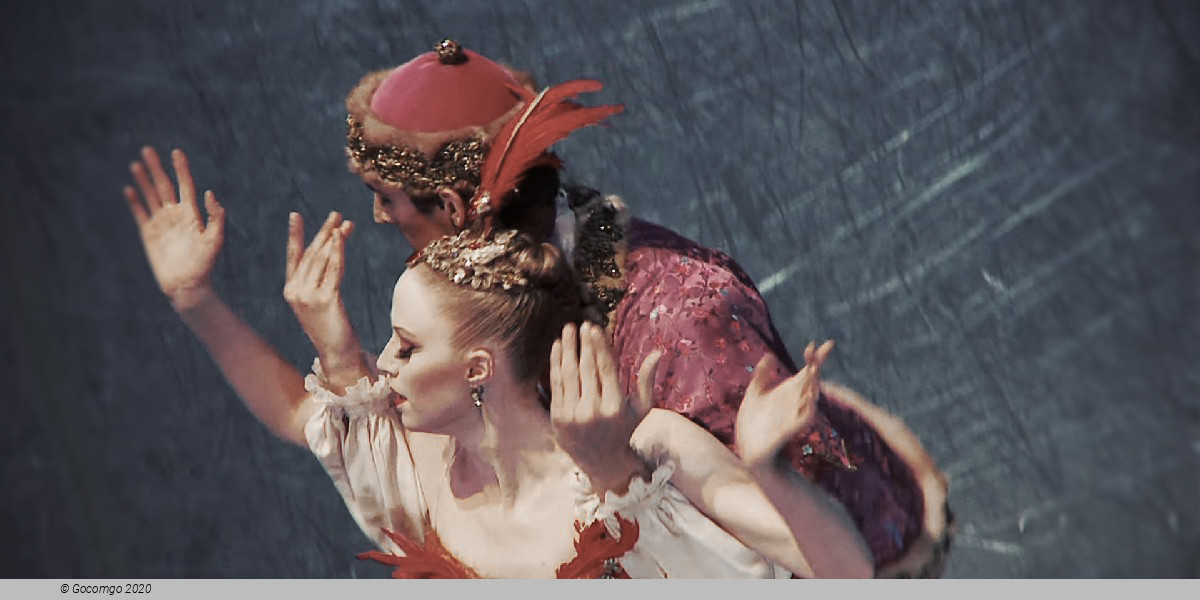
Petrouchka, staged for Diaghilev’s Saison russe in 1911, marked a triumph for all of its creators. For composer Igor Stravinsky it was his first yet brilliant attempt to come up with his own production, the story of the clownish Petrouchka, told through an orchestral piece where the grand piano plays the lead part. For Alexandre Benois, artist, librettist and St Petersburg antiques enthusiast, it was an opportunity to explore cherished childhood memories of town fairs and circuses. Choreographer Michel Fokine made the most of his reformist ideas of movement as means of expression, the ‘speaking’ choreography. Vaslav Nijinsky, who gracefully brought all these ideas to life in his interpretation of the lead role, was not only a darling with the audiences. The role somehow foreshadowed his own destiny. The ingredients of  Petrouchka’s success include a score without mellow tunes, where the main character’s death is marked by the sound of a tambourine dropped to the floor; Petrouchka’s feet turned toes in, so unlike the traditional ballet feet; and the tragedy of loneliness in a flamboyant crowd at the fair. This cocktail of Petrouchka ingredients did not only lead to success in Paris, but also marked a veritable change of ballet epochs.

The Firebird

Premiere: 25 June 1910, Les Saisons Russes, Théâtre de l´Opéra, Paris

Premiere of Michel Fokin’s version at the Mariinsky Theatre: 28 May 1994

Running time: 50 minutes
Age category 6+

Credits

Music by Igor Stravinsky

Libretto by Michel Fokine

Choreography by Michel Fokine (1910)
Reconstruction: Andris Liepa (1994)

Set and costume design: Anna and Anatoly Nezhny after original sketches: Alexander Golovin, Léon Bakst and Michel Fokine

Lighting Designer: Vladimir Lukasevich

Lighting Adaptation for the Mariinsky II by Yegor Kartashov


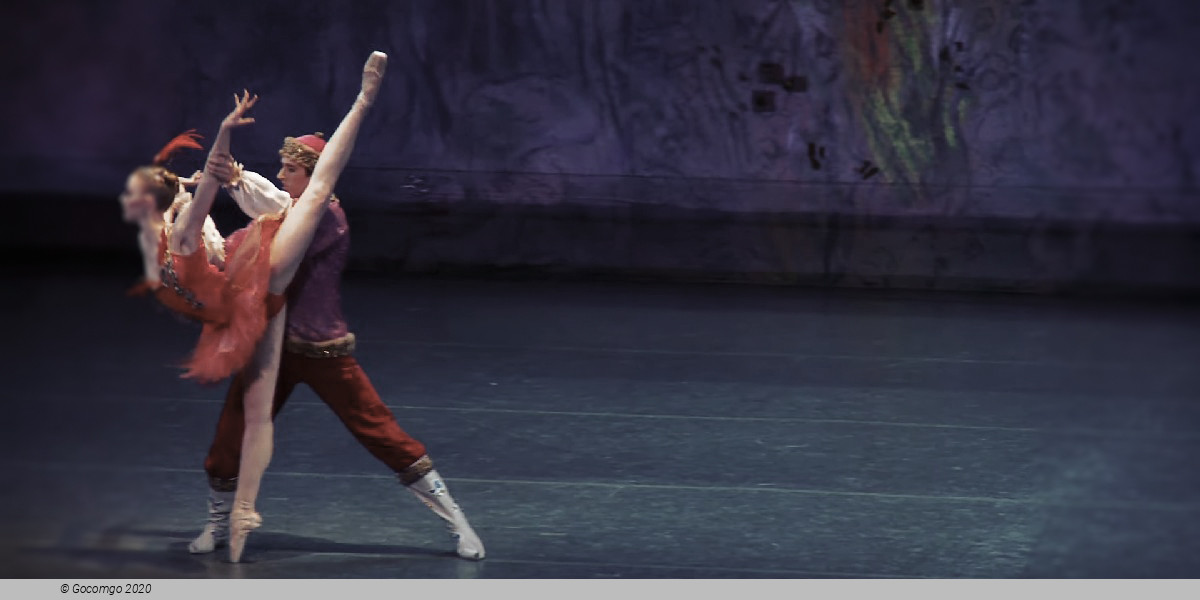
Igor Stravinsky began his career with The Firebird. It was his first commissioned work, his theatrical debut, followed by a huge success. After the ballet was premiered in Paris, this previously unknown aspiring composer was now ranked among the main newsmakers of the new European art. Stravinsky was invited to write a new score for the Ballets Russes by Diaghilev, since Anatoly Lyadov, composer known for his ability to evoke the world of Russian fairy tales, had failed this order on time. Diaghilev who had a knack for discovering new talents had been impressed by young Stravinsky's Scherzo Fantastique for symphony orchestra, which was “burning and sparkling” as choreographer Michel Fokine put it. It was Fokine who came up with a “glowing image” of the Firebird. By the time Stravinsky became involved with the score, the libretto had already been completed. Fokine had a clear vision of the ballet and guided the composer. Colourful musical themes of the Firebird, the round dance of the Princesses with its Russian femininity, the “Infernal Dance of All Kastchei's Subjects” that turns into a riot of rhythm, it all grew out of discussions between the composer, choreographer and designers, Alexander Golovin and Léon Bakst. In 1910, they created an export Russian fairy tale and it conquered Paris. Yet in Russia, Stravinsky’s The Firebird was performed only in 1921 Fedor Lopukhov's avant-garde production. Fokine's version of The Firebird, for which Stravinsky created his score, became a part of the Mariinsky Theatre’s repertoire only in the late 20th century. Olga Makarova

History
Premiere of this production: 25 June 1910, Théâtre de l´Opéra, Paris

The Firebird is a ballet and orchestral concert work by the Russian composer Igor Stravinsky. It was written for the 1910 Paris season of Sergei Diaghilev's Ballets Russes company; the original choreography was by Michel Fokine, with a scenario by Alexandre Benois and Fokine based on the Russian fairy tales of the Firebird and the blessing and curse it possesses for its owner.

Synopsis

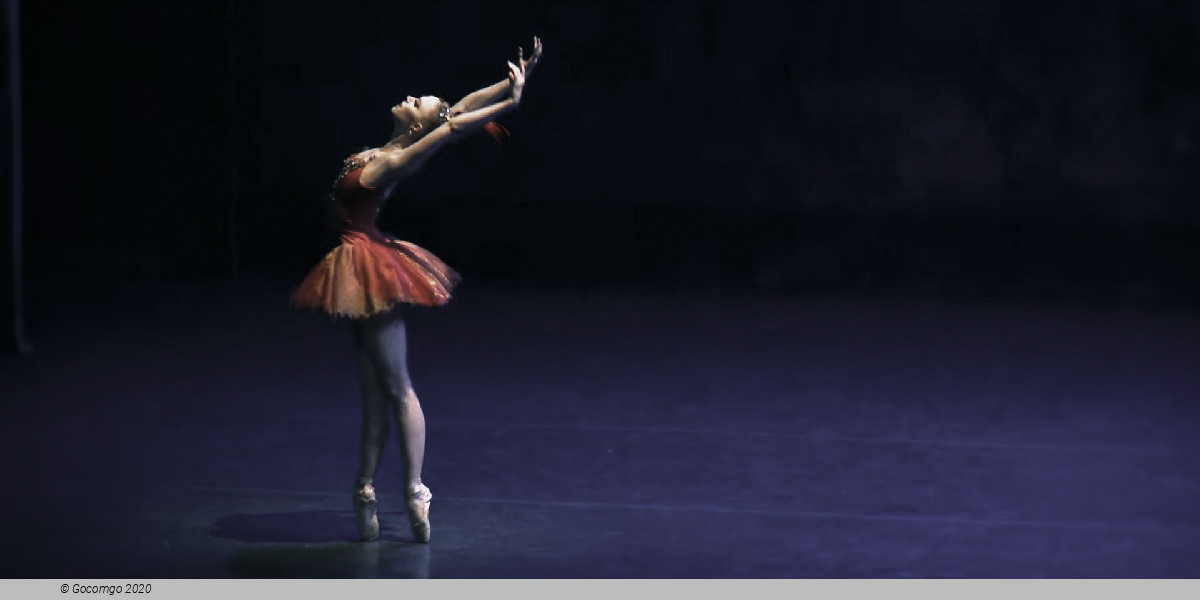
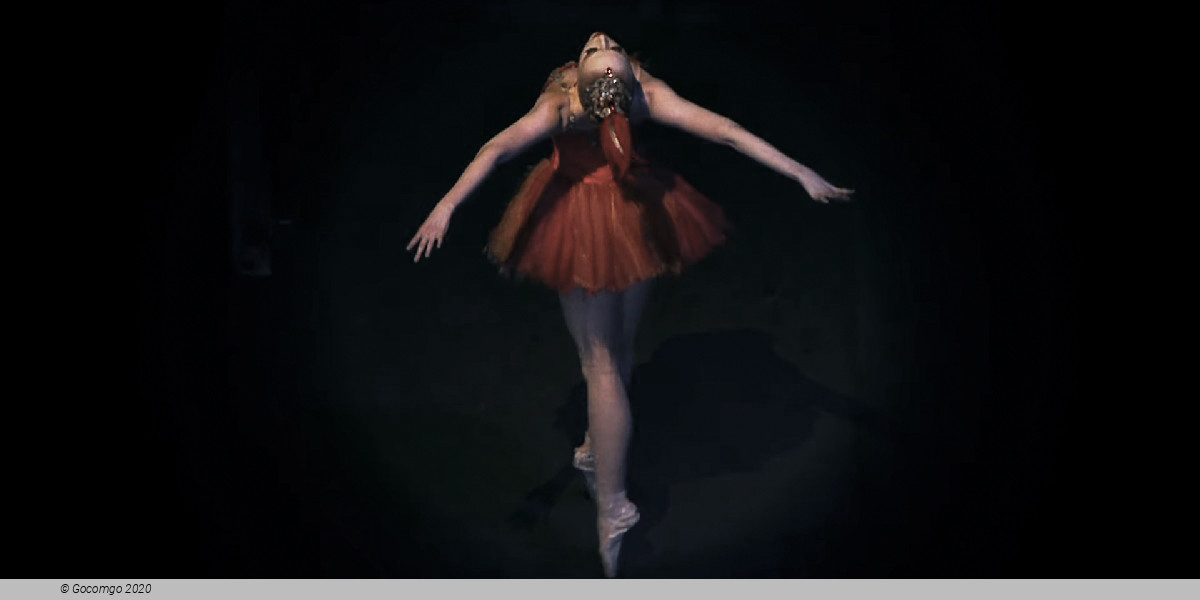
The ballet centers on the journey of its hero, Prince Ivan. While hunting in the forest, he strays into the magical realm of Koschei the Immortal, whose immortality is preserved by keeping his soul in a magic egg hidden in a casket. Ivan chases and captures the Firebird and is about to kill her; she begs for her life and he spares her. As a token of thanks, she offers him an enchanted feather that he can use to summon her should he be in dire need.

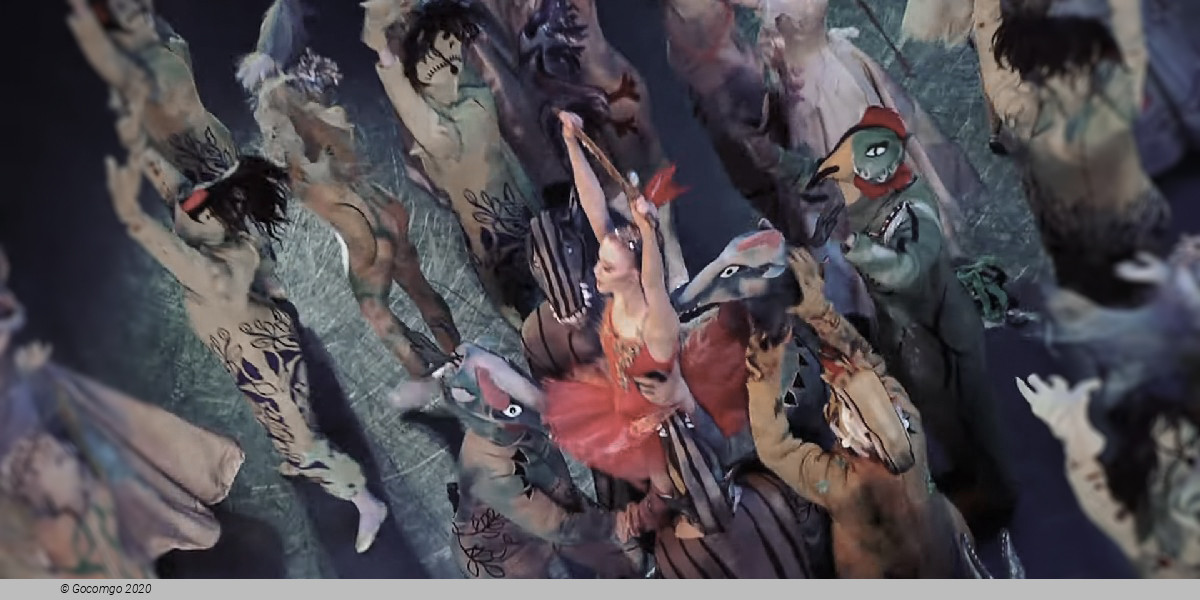
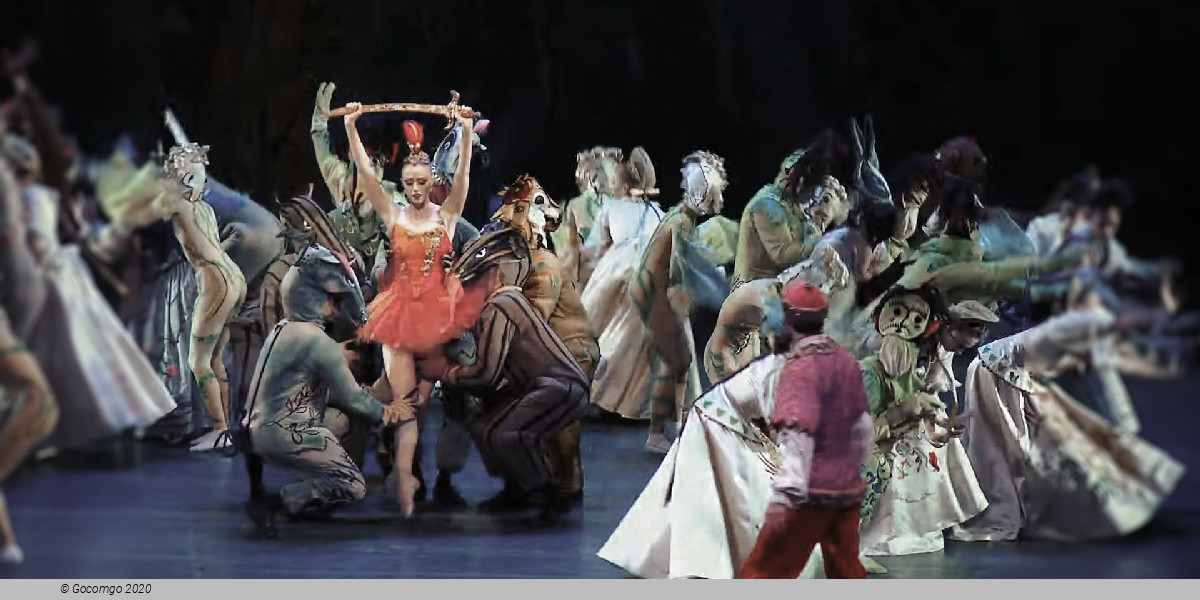
Prince Ivan then meets thirteen princesses who are under the spell of Koschei and falls in love with one of them. The next day, Ivan confronts the magician and eventually they begin quarrelling. When Koschei sends his minions after Ivan, he summons the Firebird. She intervenes, bewitching the monsters and making them dance an elaborate, energetic dance (the "Infernal Dance").

The creatures and Koschei then fall into a deep sleep. While they sleep, the Firebird directs Ivan to a tree stump where the casket with the egg containing Koschei's soul is hidden. Ivan destroys the egg and with the spell broken, the magical creatures that Koschei held captive are freed and the palace disappears. All of the "real" beings, including the princesses, awaken and with one final hint of the Firebird's music (though in Fokine's choreography she makes no appearance in that final scene on-stage), celebrate their victory.

Venue Info

Bolshoi Theatre - Moscow
Location   Teatralnaya Square 1

The Bolshoi Theatre is one of the world’s most iconic cultural landmarks, renowned for its grandeur, history, and artistic excellence. Located in the heart of Moscow, this legendary theatre has been home to unforgettable performances of opera and ballet for over two centuries. Its majestic architecture, world-class acoustics, and rich tradition make every event at the Bolshoi a truly unforgettable experience.

On 28 March (17 according to the old style) 1776, Catherine II granted the prosecutor, Prince Pyotr Urusov, the "privilege" of "maintaining" theatre performances of all kinds, including masquerades, balls and other forms of entertainment, for a period of ten years. And it is from this date that Moscow’s Bolshoi Theatre traces its history.

The Bolshoi building, which for many years now has been regarded as one of Moscow’s main sights, was opened on 20 October 1856, on Tsar Alexander II’s coronation day.

On 29 October 2002 the Bolshoi was given a New Stage and it was here it presented its performances during the years the Main Stage was undergoing massive reconstruction and refurbishment.

The reconstruction project lasted from l July 2005 to 28 October 2011. As a result of this reconstruction, many lost features of the historic building were reinstated and, at the same time, it has joined the ranks of most technically equipped theatre buildings in the world.

The Bolshoi Theatre is a symbol of Russia for all time. It was awarded this honor due to the major contribution it made to the history of the Russian performing arts. This history is on-going and today Bolshoi Theatre artists continue to contribute to it many bright pages.

The Bolshoi Ballet and Bolshoi Opera are among the oldest and best known ballet and opera companies in the world. It is by far the world's biggest ballet company, with more than 200 dancers.

Important Info
Type: Ballet
City: Moscow, Russia
Starts at: 19:00
Top of page