Bolshoi Theatre 27 July 2025 - Russian Hamlet. Performed by Boris Eifman Ballet | GoComGo.com

Russian Hamlet. Performed by Boris Eifman Ballet

Bolshoi Theatre, Historic Stage, Moscow, Russia
All photos (10)
Select date and time
12 PM
Request for Tickets
Important Info
Type: Modern Ballet
City: Moscow, Russia
Starts at: 12:00
Intervals: 1
Duration: 2h

E-tickets: Print at home or at the box office of the event if so specified. You will find more information in your booking confirmation email.

You can only select the category, and not the exact seats.
If you order 2 or 3 tickets: your seats will be next to each other.
If you order 4 or more tickets: your seats will be next to each other, or, if this is not possible, we will provide a combination of groups of seats (at least in pairs, for example 2+2 or 2+3).

Overview

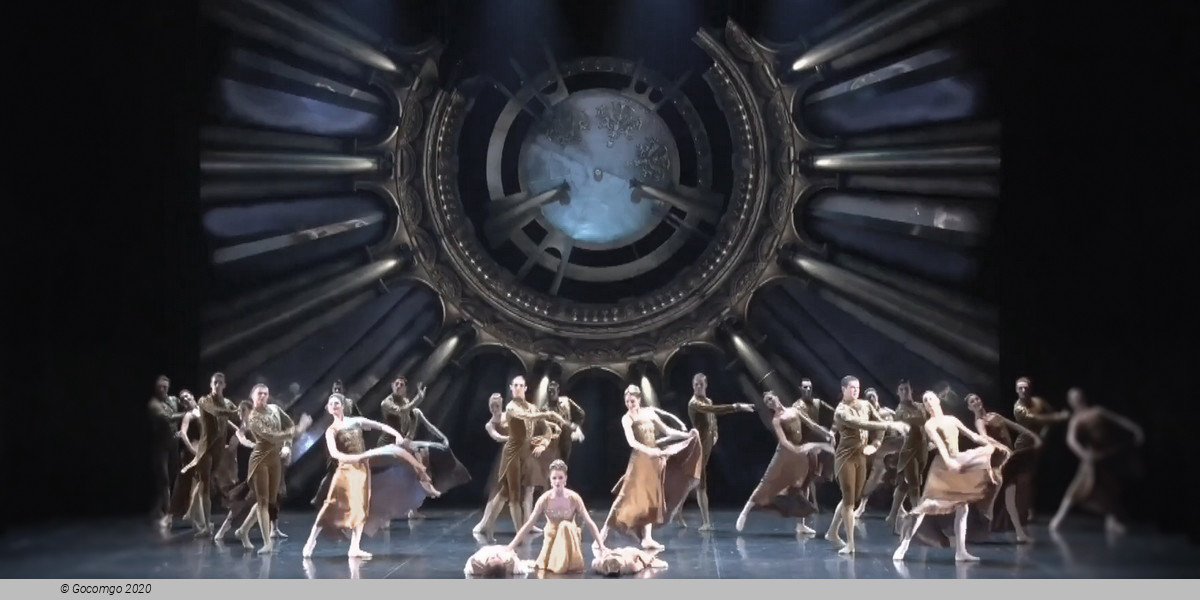
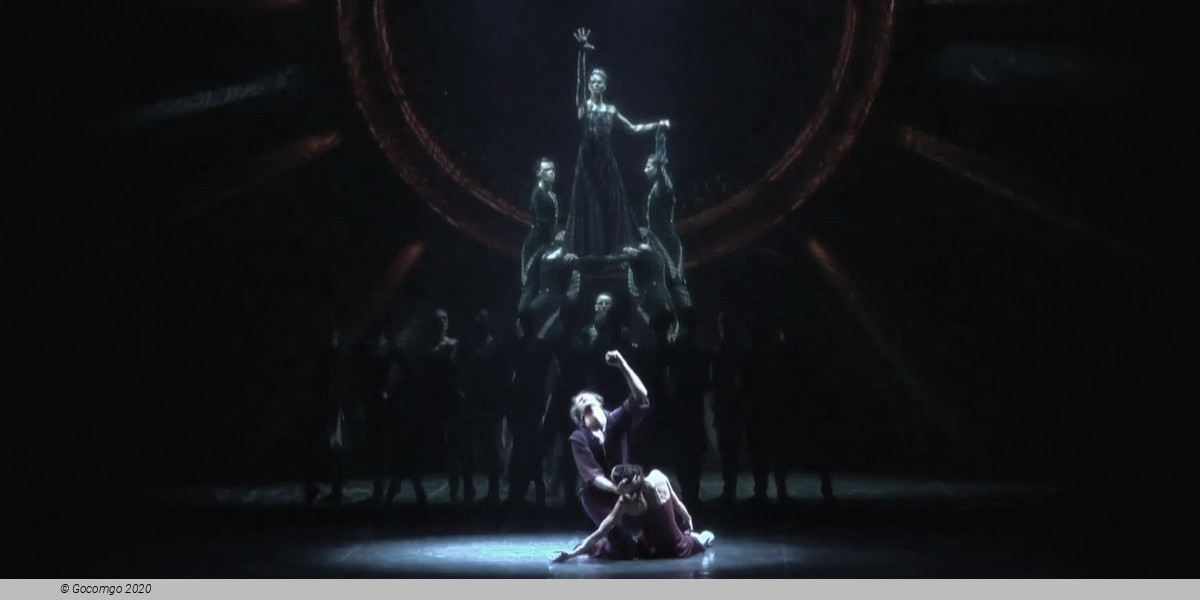
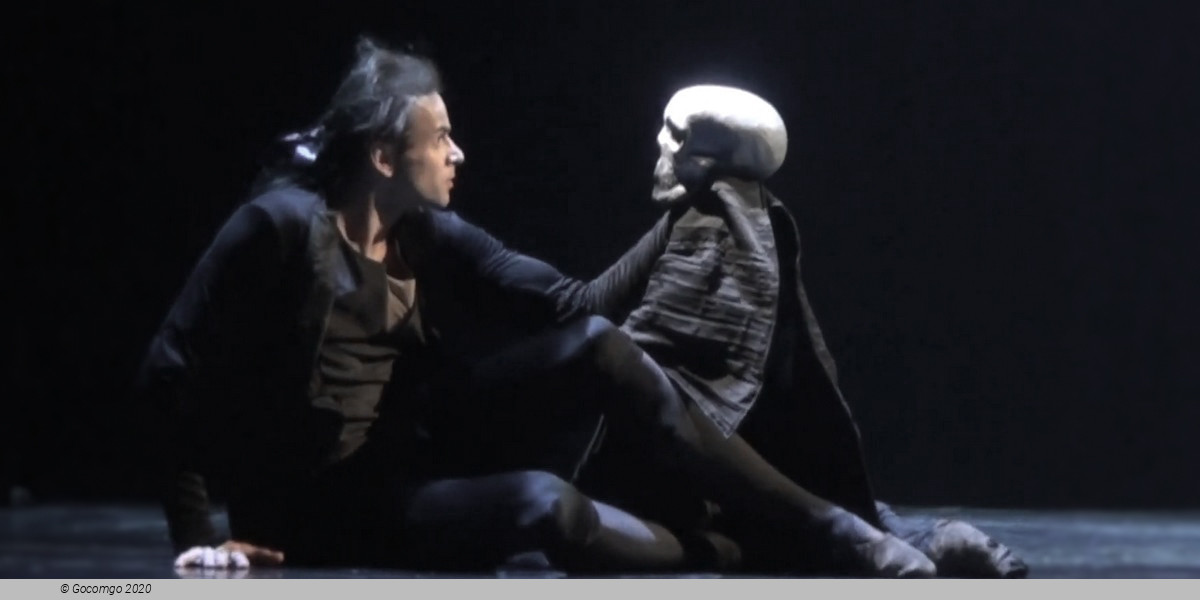
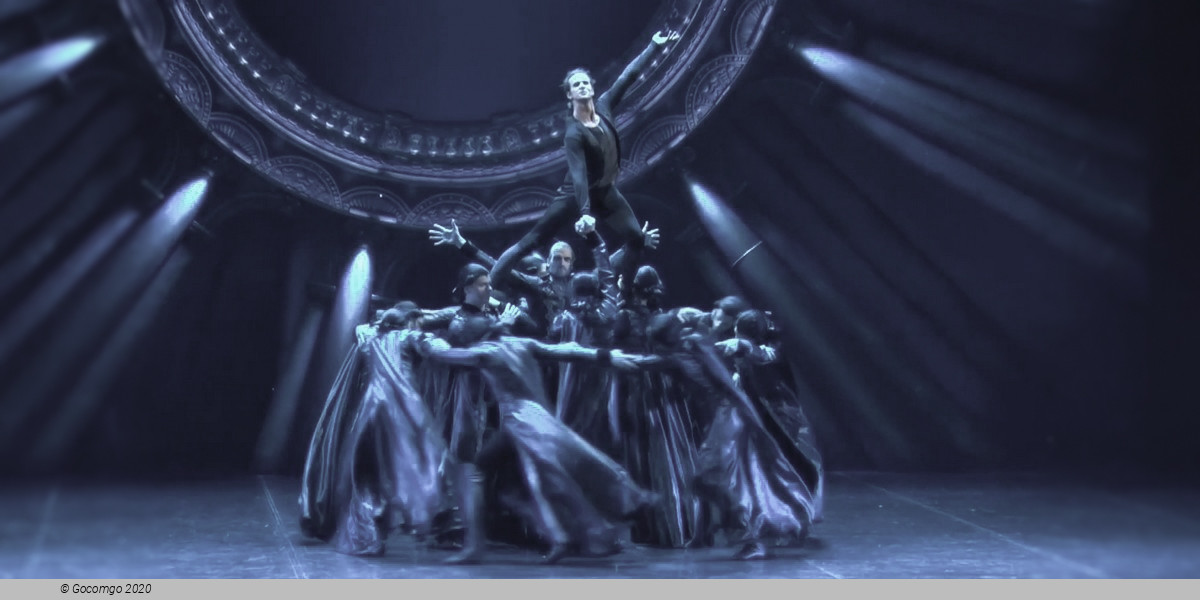
In his performance, the choreographer focused on the figure of Paul I – one of the most mysterious and contradictory characters in Russian history.

Boris Eifman restricted the chronological scope of the production to Paul’s life as the heir to the throne and brilliantly portrayed the tragic confrontation between this extraordinary and fragile personality and the hostile world built on violence, treachery and lies.

During the years of its active stage life, the ballet was performed with incredible success in the USA, France, Italy, Germany, Austria, China, South Korea, Argentina and many other countries. “With so many new solutions and artistic metaphors, with such levels of emotional intensity, this time Eifman outperformed himself, as he really has no one to compete with. Two leading ballet critics Anna Kisselgoff and Clive Barnes unanimously gave him precedence in modern ballet,” wrote well-known journalist Bella Yezerskaya after watching Russian HamletThe New York Times in the review of the production said that Boris Eifman “has a way with electrifying images and theatrical fantasies that other choreographers do not.” In 2012 the ballet was taken out the repertoire.

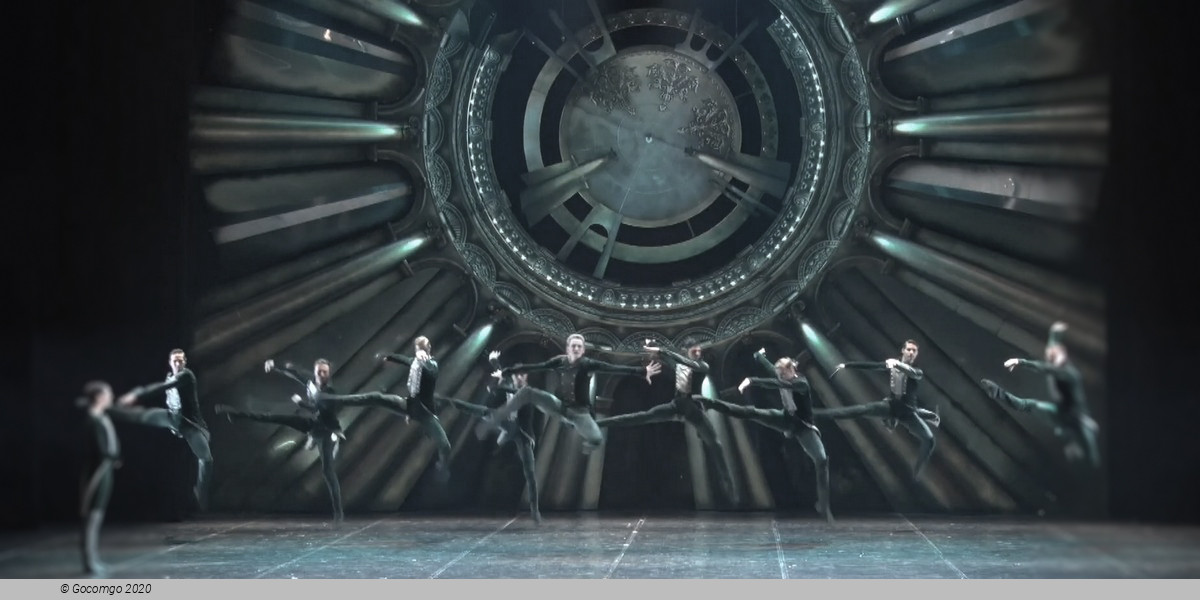
In the jubilee 40th season of Eifman Ballet, Boris Eifman turns to Russian Hamlet again as part of the trend in which he revives his famous earlier productions. He re-interprets the choreographic score to make it even more inventive, refined and emotionally intensive while the plot of the ballet remains essentially unchanged.

Boris Eifman

The founder of the Eifman Ballet, he created his own unique ballet style and ballet world, and is known as "one of the world's important choreographers" and "a master of dramatic magic."

Born in Siberia in 1946, Eifman has been expressing his feelings and thoughts through body language in dance since childhood. He once said: "Ballet is not only a profession for me, it is the meaning of my existence and my mission in this world. I can't help but want to use ballet to convey the inspiration I get from the heights. Most likely, if I don't have the possibility to express them through art, I will stifle these emotions. For me, choreography is an art with a profound religious color in the broadest sense."

After completing his studies at the Leningrad Conservatory and the Vaganova Ballet School, Eifman founded his own ballet company, the Leningrad New Ballet, in 1977, the predecessor of today's famous St. Petersburg Eifman Ballet. He and his dancers not only had a solid foundation in classical ballet, but also continued to innovate and enrich the ballet language, and were soon regarded as the backbone of the new generation of Russian ballet.

Eifman combines his cutting-edge achievements in the world of ballet with his original Russian classical ballet background. He defines his dance style as "psychological ballet". "All my dance creations are about seeking a broader space for ballet and a body language that can express the spiritual life of human beings."

St. Petersburg Eifman Ballet

In 1977, Boris Eifman founded the St. Petersburg Eifman Ballet (formerly known as the Leningrad New Ballet), and began a new artistic exploration. Since its inception, the company's artistic creation has updated the concept of Russian classical ballet, pushing the emotional expression and dramatic conflict of ballet to the limit, and is regarded as a choreographer's ballet theater.

The innovation of Eifman's ballets lies in his choice of literature and music, as well as the boldness of his body movement vocabulary, which earned him a reputation as an "unconventional choreographer".

From the late 1970s to the early 1980s, the company's unique style of work gradually took shape, with more and more repertoires based on the world's classical literary treasures. Eifman worked closely with his company, and with his unique style that not only maintained the rigorous norms of the Russian ballet school, but also was skilled in technique and lyrical, and combined it with the expression of film, he shocked every audience. The company explored new dance schools and development trends, and new works included "Defiance", "Fools", "March Madness", "The Marriage of Figaro", "Legend", "Twelfth Night", "The Master and Margherita", "The Murderer", etc., all of which featured elite choreography, interpreted the passion of ballet characters, and had extremely high artistic attainments.

Today, the works of the Efman Ballet have been embraced and praised by ballet lovers from Europe, America, Asia and Australia: "I, Don Quixote", "Red Giselle", "Russian Hamlet", "Anna Karenina", "The Seagull", "Eugene Onegin", "Rodin - The Eternal Idol", "The Brothers Karamazov", "Requiem", "Tender Is the Night", "Tchaikovsky" and other ballet works not only show the highest level of contemporary Russian ballet art, but also contain Russia's immortal spiritual heritage and the wisdom of world culture. The Efman Ballet continues to interpret the connotation of culture in an innovative way, leading the audience into an elegant art world.

For decades, the Eifman Ballet has achieved great success in the world's top theaters. Eifman's profound understanding and revelation of human nature and his interpretation of intricate and sharp contradictions immerse the audience in the boundless world of human passion. He has established a strong spiritual bond and demonstrated a choreographer's unique view of dance and his talent in controlling dance through his plasticity and amazing, just-right energy.


Synopsis

Prologue

Russia during the reign of Peter III. Catherine, the Emperor’s wife, is humiliated by the drunken debauchery of her unloved husband. Her Court Favorite aids her in staging a coup against the Emperor. Young Prince Paul becomes an involuntary witness to the assassination of his father.

Act 1

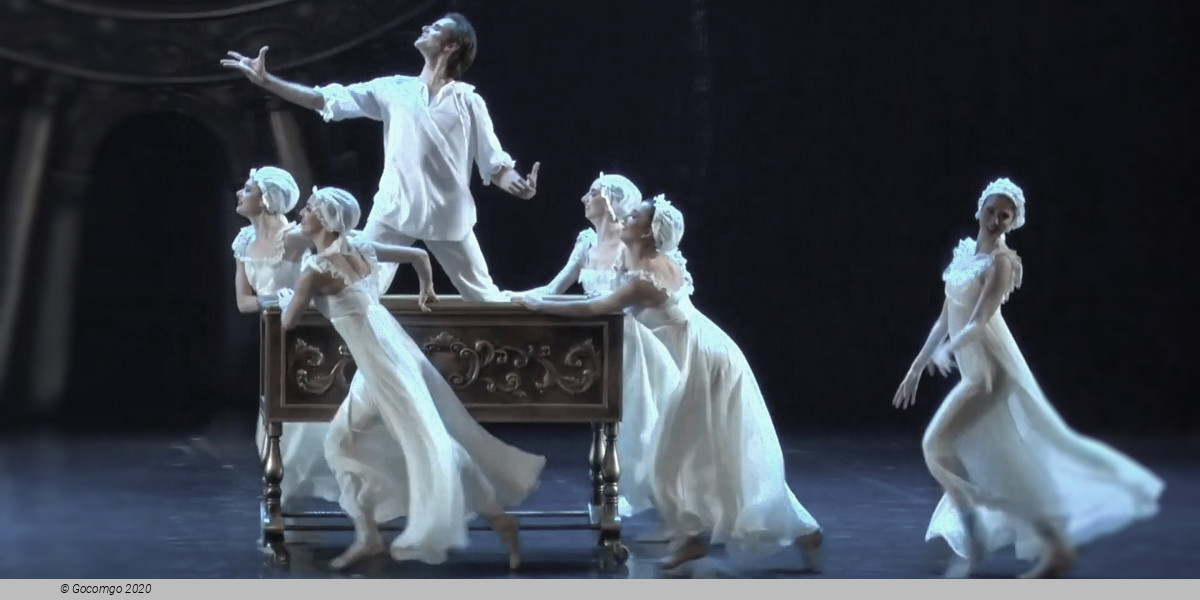
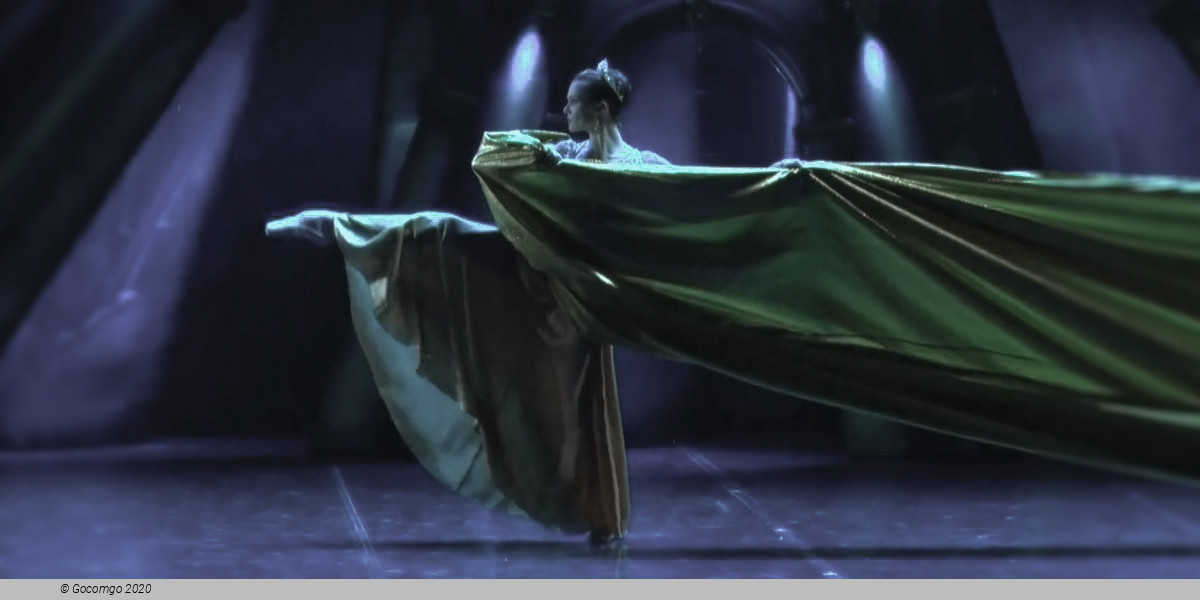
We are in the chambers of the Royal Palace. Paul is lonely among hypocritical courtiers, in the atmosphere of meaningless fuss of the maids, gossip and intrigue. The Empress, his mother is inaccessible, always shielded by her Favorite. Catherine is not prepared to share her power. She keeps her son away from the affairs of state.

The Empress comes to a decision that an early marriage might divert the Heir from any contemplation of succeeding to the throne.

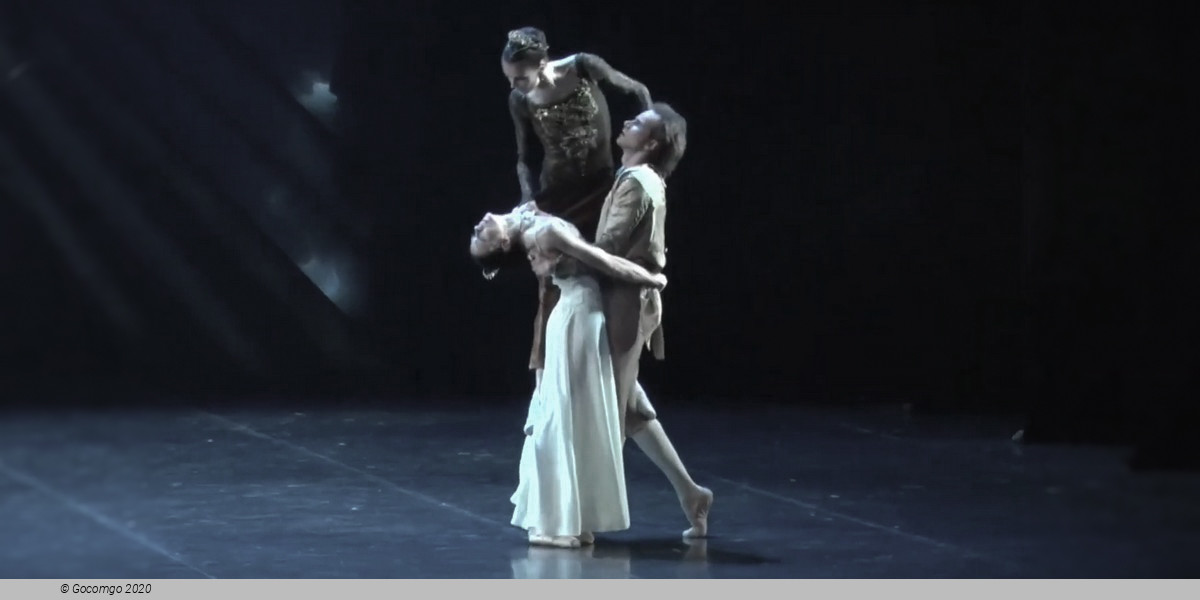
Paul is happy with his wife, but she is filled with ambitious plans – she puts pressure on her husband to contest his right for the throne of Russia. The Empress discovers the young bride’s intentions. Lies and treachery are commonplace at court. Catherine’s next scheme destroys the Heir’s happy life in marriage following betrayal of his wife, who becomes the Favorite’s prey. But even that is not enough: the death of his beloved is the price he pays for pursuit of the throne.

Act 2

The labyrinths of the Royal Palace frighten Paul with cold hostility and take away the hope of breaking free from the power of the Empress. The Heir dreams of glorious military victories. But this is just an illusion of power.

In his reminiscences Paul sees his dead wife, his childhood, his murdered father.

The masquerade ball, presided over by the Empress, grows into an orgy. Paul invites Catherine to a theatrical performance. The actors, instructed by the Heir, play the scene of the murder of the king by his unfaithful wife and her lover. The Empress, who recognizes the allusion to her participation in the conspiracy, is furious. Paul for the first time finds strength to stand up to his mother.

The Favorite is in turmoil. With his caresses he tries to reclaim the Empress’ affection but in vain – he served his purpose.

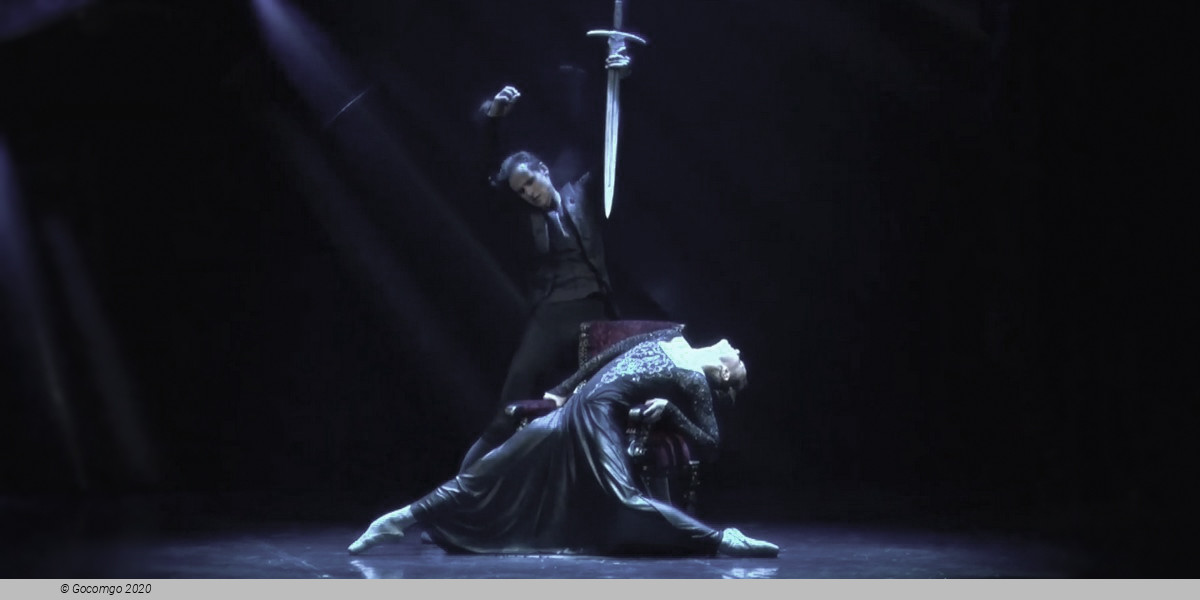
The Ghost of the Heir’s father urges Paul to retaliate. In his imagination the Heir takes the longed for revenge: the Favorite dies in the arms of the phantom of the king he murdered. In the whirlwind of images Paul sees the Empress. Now it is her turn, he only has to wave his sword… but the Heir cannot deal a deadly blow to his mother.

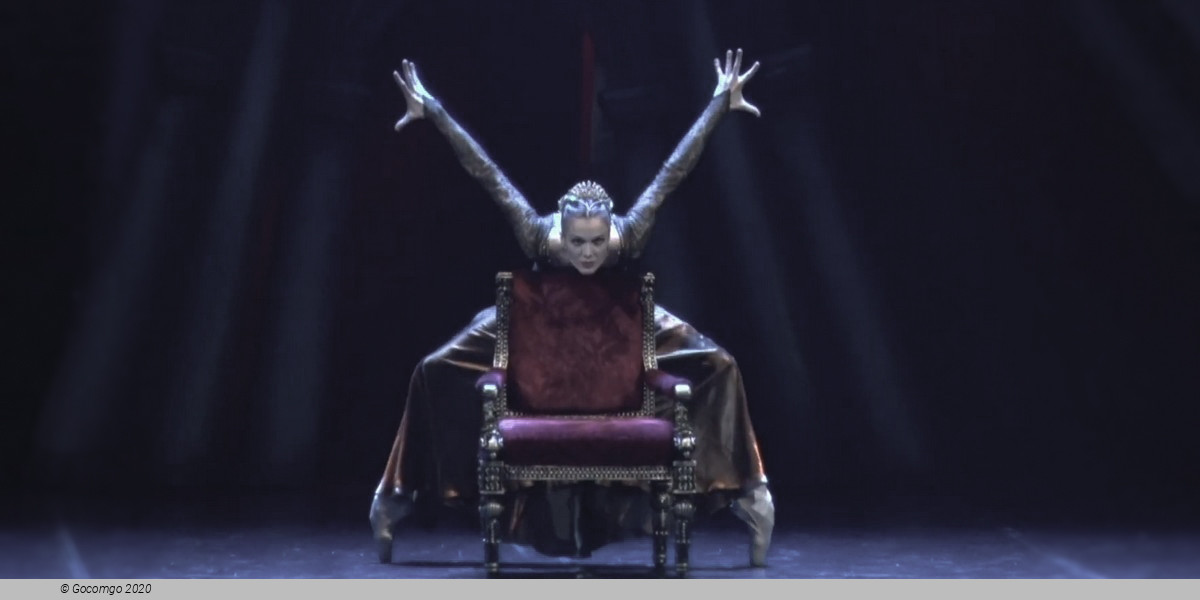
The Empress’ price for the throne is complete spiritual isolation. Fear of death fills her soul.

Even dreams about ascension to the throne do not bring joy to Paul. He foresees the fatal ending of his short-lived rule. The Heir is not destined to attain the glory of his mother. And Paul understands: he is only a prisoner of his dreams, a reflection of his own anxious phantasmagoria.

Venue Info

Bolshoi Theatre - Moscow
Location   Teatralnaya Square 1

The Bolshoi Theatre is one of the world’s most iconic cultural landmarks, renowned for its grandeur, history, and artistic excellence. Located in the heart of Moscow, this legendary theatre has been home to unforgettable performances of opera and ballet for over two centuries. Its majestic architecture, world-class acoustics, and rich tradition make every event at the Bolshoi a truly unforgettable experience.

On 28 March (17 according to the old style) 1776, Catherine II granted the prosecutor, Prince Pyotr Urusov, the "privilege" of "maintaining" theatre performances of all kinds, including masquerades, balls and other forms of entertainment, for a period of ten years. And it is from this date that Moscow’s Bolshoi Theatre traces its history.

The Bolshoi building, which for many years now has been regarded as one of Moscow’s main sights, was opened on 20 October 1856, on Tsar Alexander II’s coronation day.

On 29 October 2002 the Bolshoi was given a New Stage and it was here it presented its performances during the years the Main Stage was undergoing massive reconstruction and refurbishment.

The reconstruction project lasted from l July 2005 to 28 October 2011. As a result of this reconstruction, many lost features of the historic building were reinstated and, at the same time, it has joined the ranks of most technically equipped theatre buildings in the world.

The Bolshoi Theatre is a symbol of Russia for all time. It was awarded this honor due to the major contribution it made to the history of the Russian performing arts. This history is on-going and today Bolshoi Theatre artists continue to contribute to it many bright pages.

The Bolshoi Ballet and Bolshoi Opera are among the oldest and best known ballet and opera companies in the world. It is by far the world's biggest ballet company, with more than 200 dancers.

Important Info
Type: Modern Ballet
City: Moscow, Russia
Starts at: 12:00
Intervals: 1
Duration: 2h
Top of page