
Baths of Caracalla 5 July 2022 - Mass | GoComGo.com

Mass

Baths of Caracalla, Rome, Italy
All photos (11)
Select date and time
9 PM
Request for Tickets
Important Info
Type: Opera
City: Rome, Italy
Starts at: 21:00
Duration: 2h

E-tickets: Print at home or at the box office of the event if so specified. You will find more information in your booking confirmation email.

You can only select the category, and not the exact seats.
If you order 2 or 3 tickets: your seats will be next to each other.
If you order 4 or more tickets: your seats will be next to each other, or, if this is not possible, we will provide a combination of groups of seats (at least in pairs, for example 2+2 or 2+3).

Festival

Festival Di Caracalla 2022

The summer season of Rome's opera house was finally returned to its historic venue at the Baths of Caracalla in 2022, leaving behind the Circus Maximus after two years.

Overview

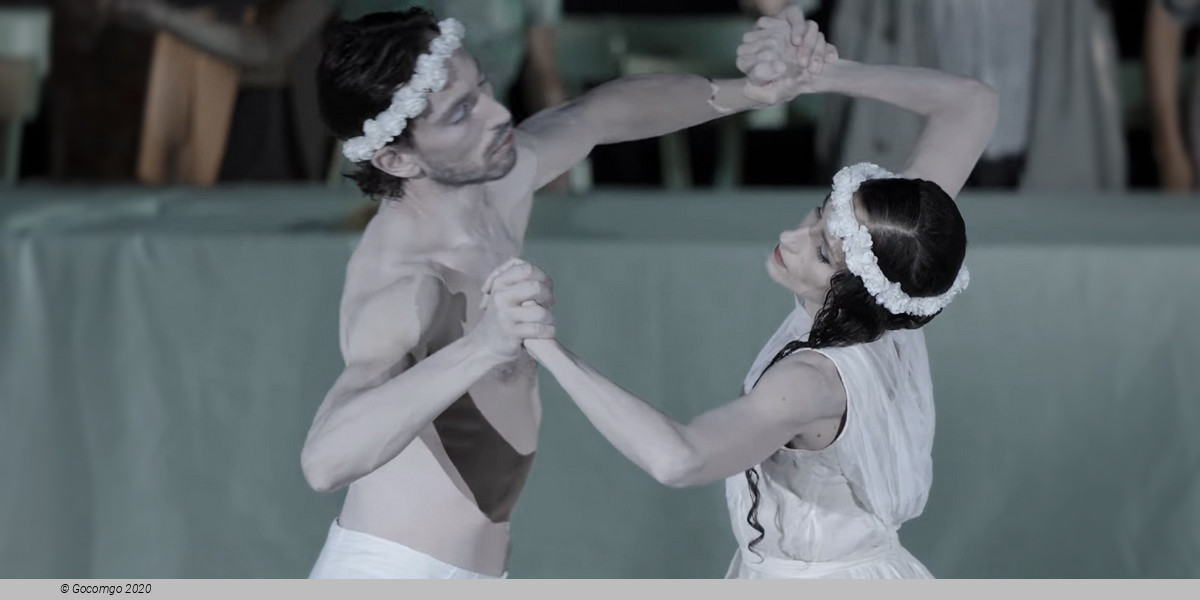
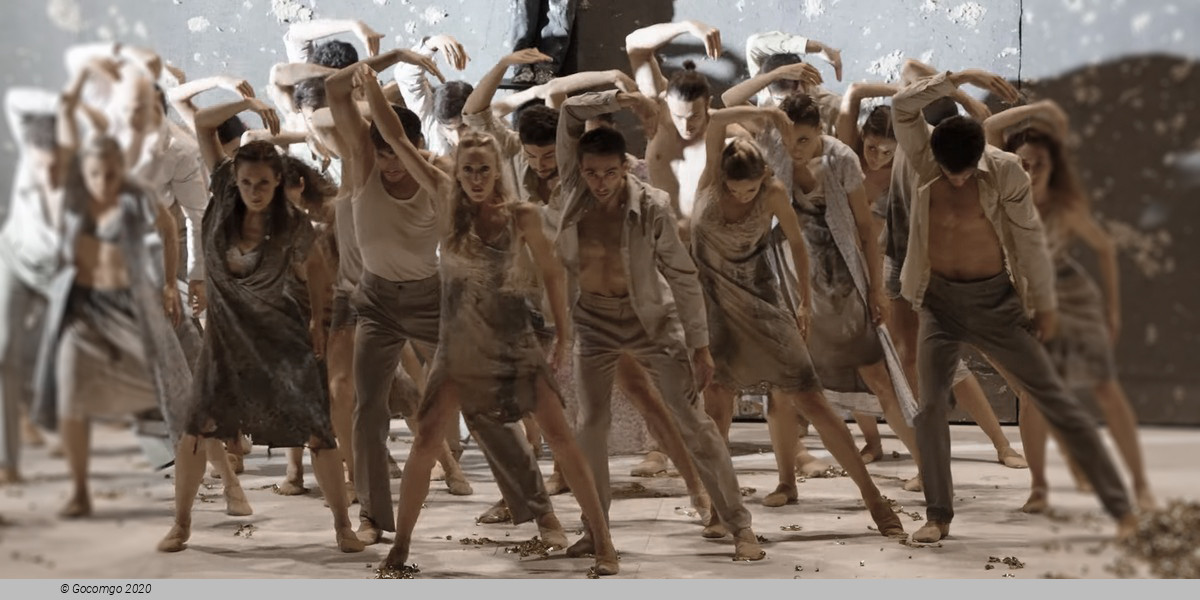
A Theater Piece for Singers, Players and Dancers

New staging of the Teatro Dell'Opera Di Roma

With the participation of the "Fabbrica" ​​Young Artist Program and the Choral Singing School of the Teatro Dell'Opera Di Roma

History
Premiere of this production: 08 September 1971, Kennedy Center, Washington, D.C.

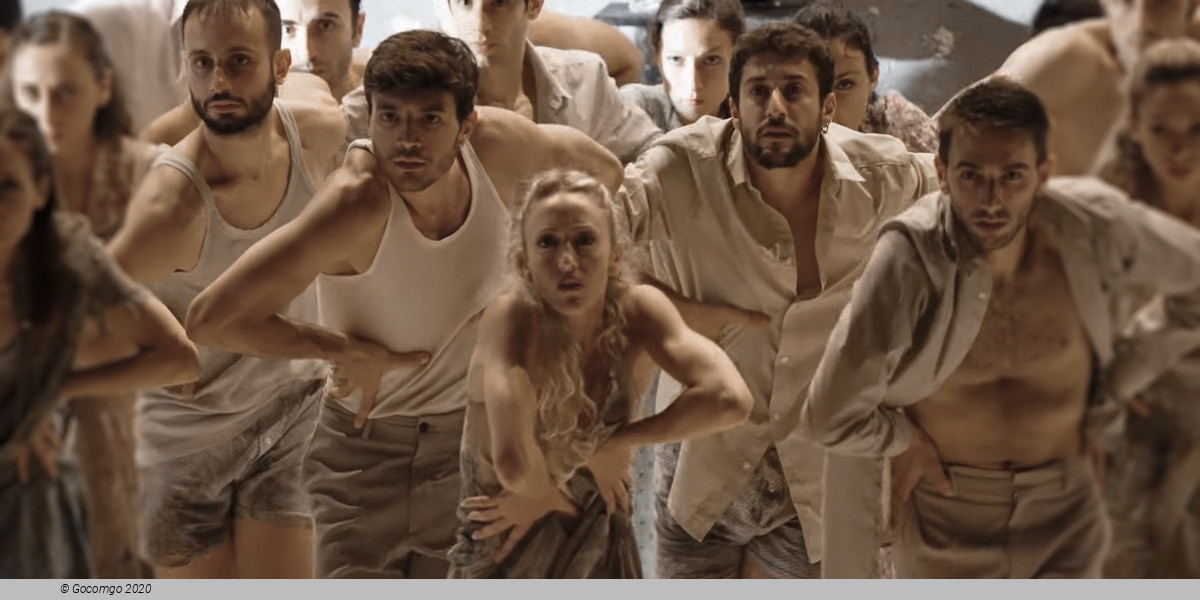
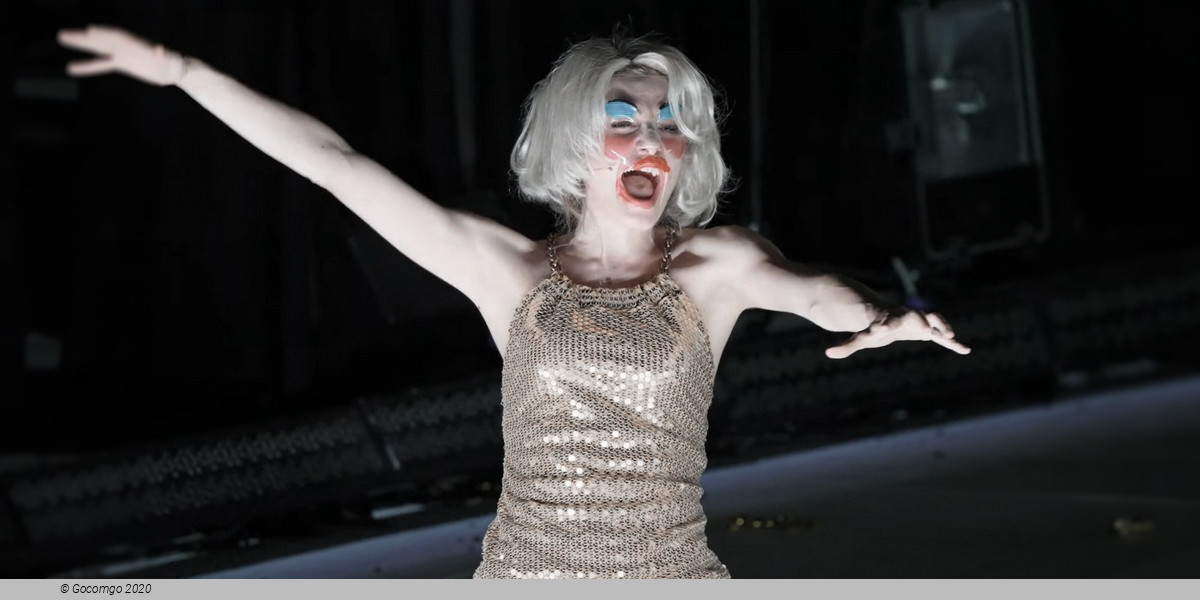
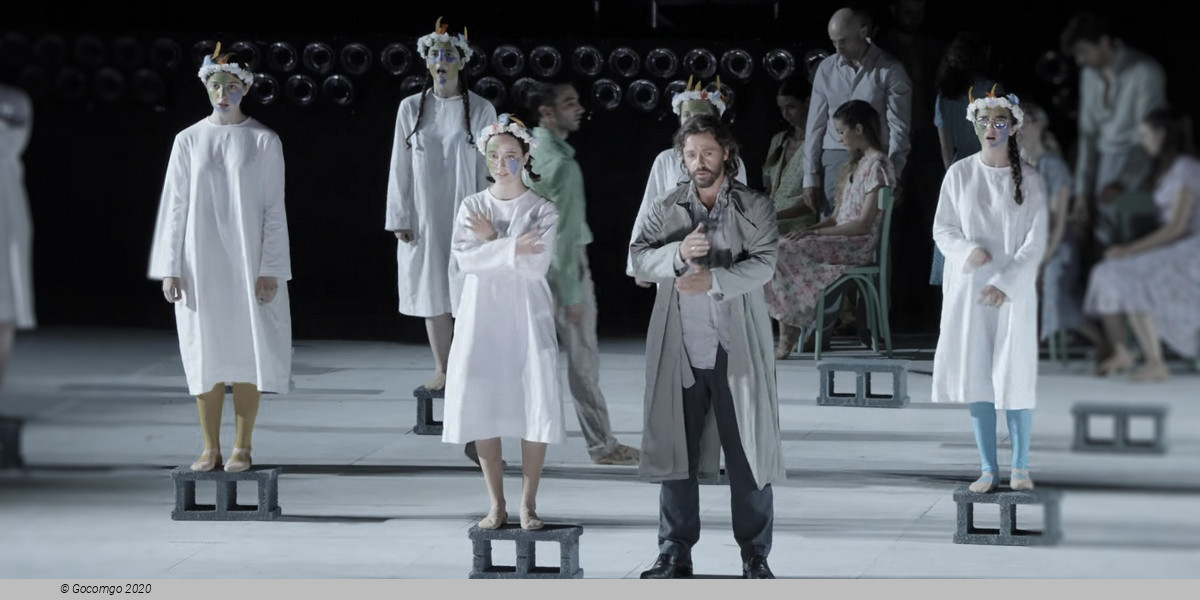
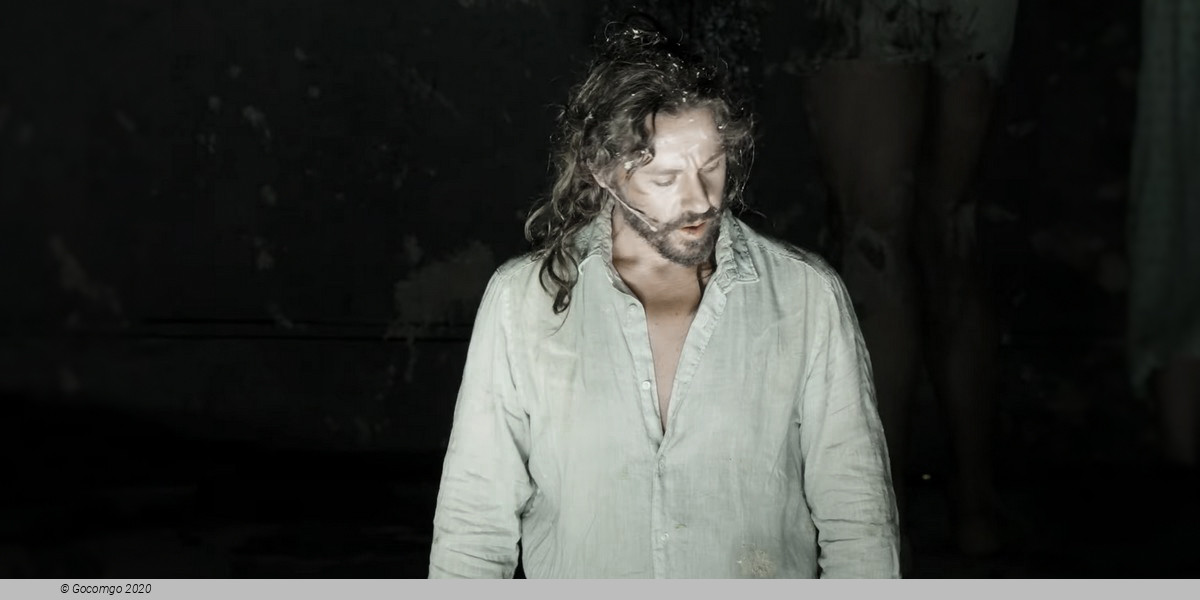
Mass (formally: MASS: A Theatre Piece for Singers, Players, and Dancers) is a musical theatre work composed by Leonard Bernstein with text by Bernstein and additional text and lyrics by Stephen Schwartz. Commissioned by Jacqueline Kennedy, it premiered on September 8, 1971, conducted by Maurice Peress and choreographed by Alvin Ailey. The production used costume designs by Frank Thompson. The performance was part of the opening of the John F. Kennedy Center for the Performing Arts in Washington, D.C. Mass premiered in Europe in 1973, with John Mauceri conducting the Yale Symphony Orchestra in Vienna.

Synopsis

The piece begins with pre-recorded 4-part contrary musics of vocal soloists and percussion. The resultant cacophony is cut off by a guitar and the Celebrant singing "A Simple Song."

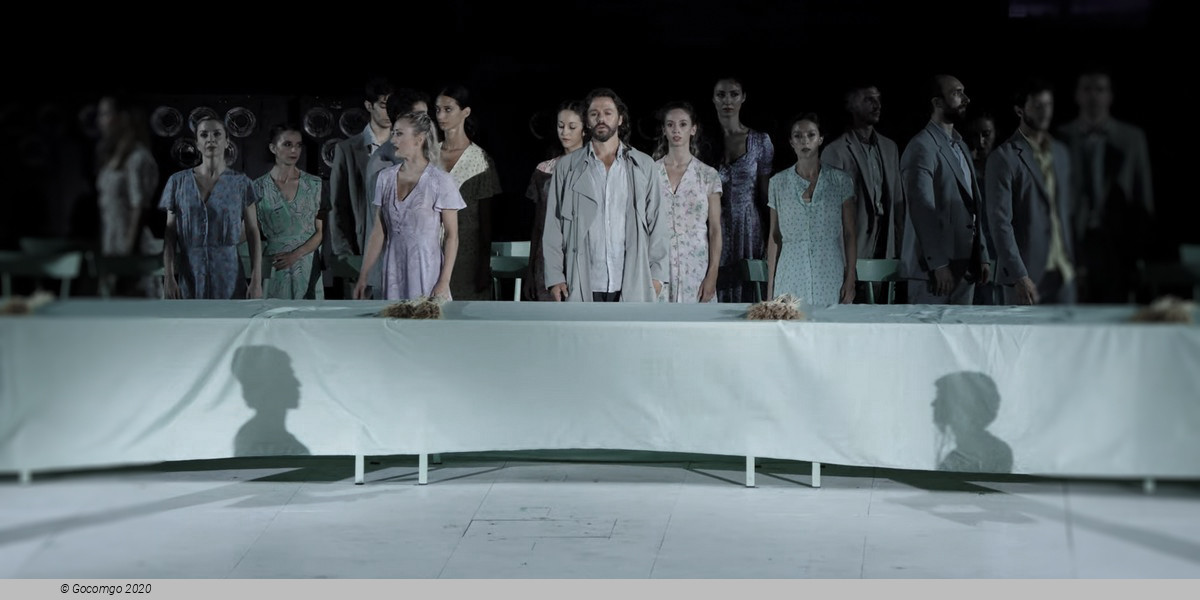
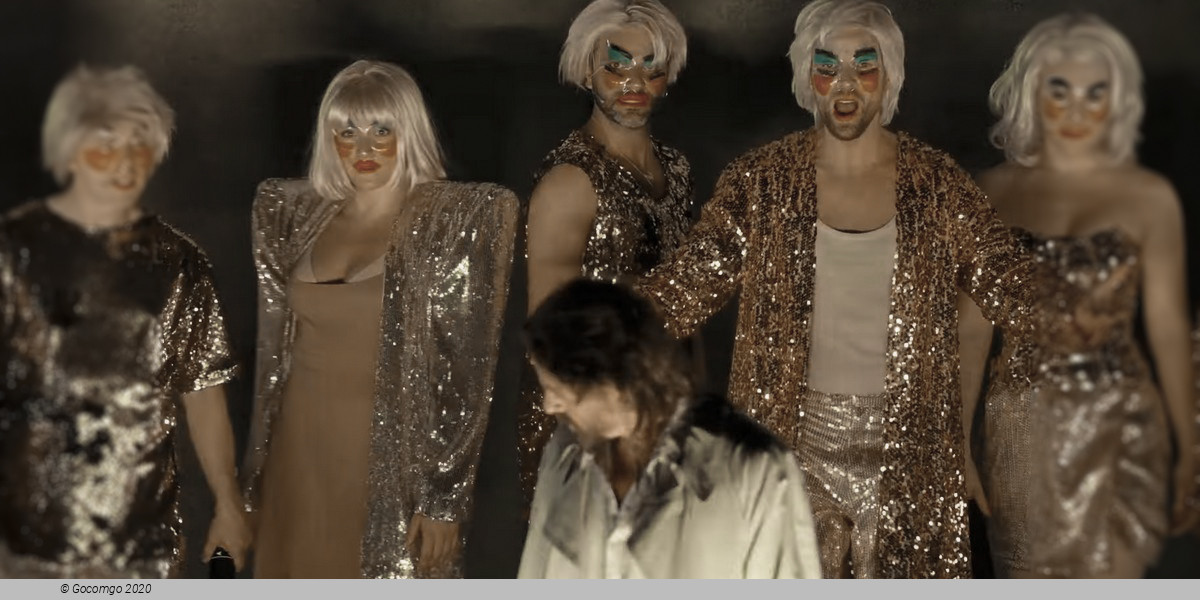
Despite an initial wide-ranging eclecticism (evoking cool jazz, marching bands, world music, Lutheran chorale, and classical modernism) all of the performers are in apparent harmony and agreement. During the course of the Mass, however, the street choir begins expressing doubts and suspicions about the necessity of God in their lives and the role of the Mass. The street chorus sings with the Latin lyrics until they hit a line which they twist into a complaint or a self-serving boast; i.e. "dona nobis pacem" (English: "grant us peace") turns into the street chorus, "Give us peace NOW!" In this way, Bernstein interweaves and contrasts social commentary and prayer.

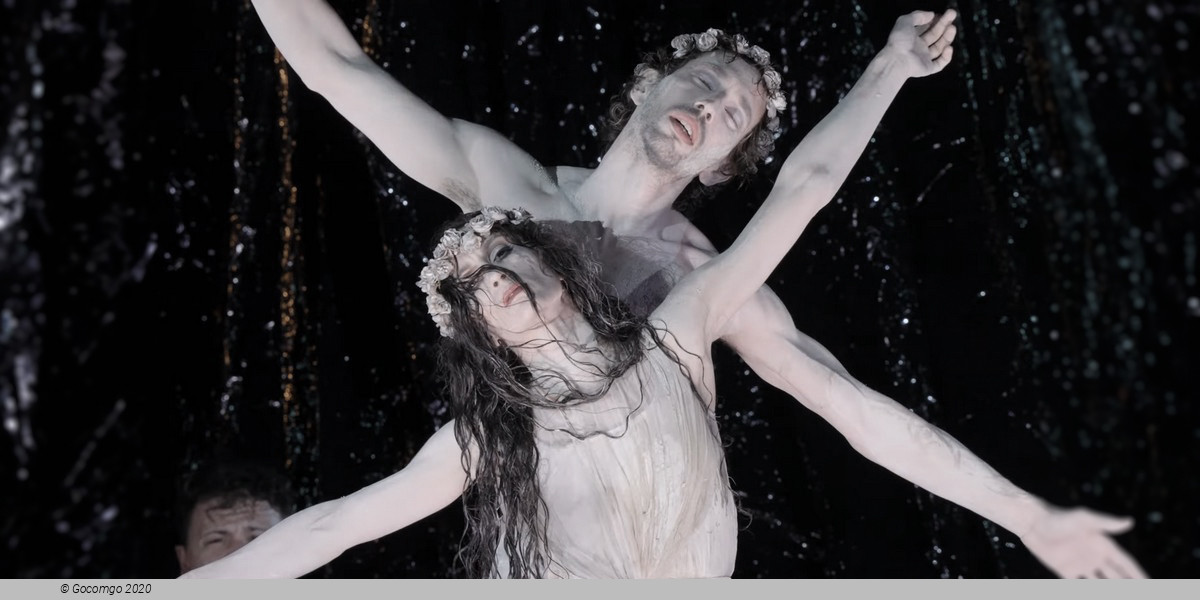
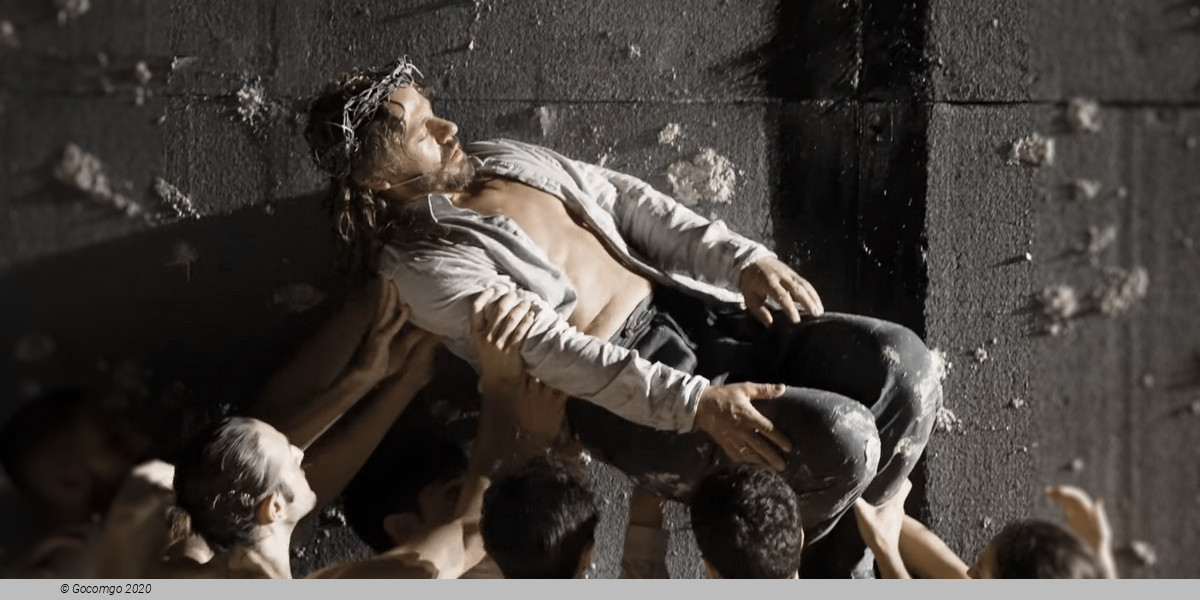
The street chorus's bitterness and anger continues to grow and makes each of the subsequent meditations more harsh. At the play's emotional climax, the growing cacophony of the chorus' complaining finally interrupts the elevation of the Body and Blood (the transubstantiated bread and wine). The Celebrant, in a furious rage, hurls the consecrated host, housed in an ornate cross-like monstrance, and the chalice, smashing them on the floor. At this sacrilege, the other cast members collapse to the ground as if dead while the Celebrant sings a solo. This solo blends the chorus's disbelief with his own crisis of faith. He feels worn out and wonders where the strength of his original faith has gone. At the end of his song, he too collapses.

A bird-like (Holy Spirit) a capella solo begins again (now flute, rather than oboe), darting here and there from different speakers in the hall, finally "alighting" in a single clear note. An altar server, who was absent during the conflict, then sings anew the hymn of praise to God, "Sing God a Simple Song." This restores the faith of the three choirs, who join the altar server, one by one, in his hymn of praise. They tell the Celebrant "Pax tecum" (Peace be with you), and end with a hymn asking for God's blessing. The last words of the piece are: "The Mass is ended; go in peace."

Venue Info

Baths of Caracalla - Rome
Location   Viale delle Terme di Caracalla

On 27 July 1937, the Governor of Rome Piero Colonna had summoned the representatives of the press to illustrate the previously deliberated initiative, which envisaged the construction of an open-air theater within the archaeological complex of the Baths of Caracalla and the consequent performances of operas starting from the following August 1st.

The Roman summer of the "twenty years" was enriched with a further space dedicated to music and in particular to melodrama, since, it should be remembered, that the orchestra of S. Cecilia performed, during the summer period, at the Basilica of Maxentius.
In reality it was born as an experiment, according to the words of the Governor, which turned into an unmissable appointment both for citizens and for especially international tourism. It was also decisive for the definitive arrangement of the structures of the then Royal Opera House and for the working continuity of all the technical and artistic employees.
Defined with the wording "Teatro del popolo" it became increasingly connoted as an expression of a rediscovered and affirmed popular taste. In this regard, it is fair to recall that in 1937 Verona inaugurated its twenty-first opera season at the Arena.
The stage with its technological systems, designed and set up by Pericle Ansaldo, was positioned inside one of the classrooms located next to the tepidarium , due to its size, 1500 square meters of surfaces and a 22 m proscenium, it became the largest stage of the world. The stalls had 8,000 seats, divided into six sectors.
The first season was actually short, just eight days with five performances in total, three of Lucia di Lammermoor and two of Tosca. “Unforgettable show in a unique setting in the world; of such a suggestive power as to seem unreal”, with these words began the article that appeared in Il Giornale d'Italia on 8 August 1937.
The following year the works increased to six ( La Gioconda , Mefistofele , Aida , Lohengrin , Isabeau directed by Mascagni himself, and Turandot ) for a total of 28 performances, starting from June 30th and ending on August 15th. The substantial change however was that of the new and definitive location of the stage inside the exedra of the calidariumand the expansion of the stalls which was brought to a capacity of 20,000 seats. Because of the war, the summer opera season in Caracalla was suspended until 1944. It will resume in 1945 in a triumphal way. From that year until 1993 it was a very important point of reference for musical culture and perhaps the most evocative place among those dedicated to open-air entertainment.
Unfortunately, on August 14, 1993 the curtain finally fell on the Theater at the Baths of Caracalla.
Since 2001 the shows have resumed at the Theater at the Baths of Caracalla with a new logistical situation, in which the monumental ruins are no longer an integral part of the stage and therefore of the show itself, remaining in any case a unique and extraordinary setting for the Summer Opera Season and of Ballet of the Teatro dell'Opera of Rome.

Important Info
Type: Opera
City: Rome, Italy
Starts at: 21:00
Duration: 2h
Top of page